
For parents, a toddler baseball jersey is more than just a piece of clothing—it’s a symbol of team spirit, a practical layer for active play, and often a cherished keepsake. For wholesale buyers, brand owners, and sports program managers, it represents a specific product category with unique design, sourcing, and production considerations. The toddler market demands a distinct approach, balancing durability, comfort, safety, and the rapid growth cycles of its wearers. This guide breaks down the essentials of the toddler baseball jersey, serving both as a resource for end-users and a practical handbook for B2B sourcing and custom manufacturing.
Quick Summary: This article covers the defining features of toddler baseball jerseys (ages 2-5), key material and design choices for comfort and durability, common use cases from organized sports to fashion, and critical production considerations for buyers. You’ll learn how to evaluate quality, navigate minimum order quantities (MOQs), and effectively communicate specifications to a factory for custom OEM or ODM production.
What Defines a Toddler Baseball Jersey?
At its core, a toddler baseball jersey is a sleeved, pullover athletic top designed for children approximately 2 to 5 years old. It mimics the classic baseball uniform aesthetic—typically featuring a button or snap placket at the neck, contrast-colored sleeves or side panels (“raglan” sleeves are common), and a relaxed fit to accommodate base layers and unrestricted movement. The key differentiator from a standard toddler t-shirt is this deliberate design language and often, the use of more robust, breathable construction to withstand the rigors of active play.
For businesses, this product sits at the intersection of activewear and children’s apparel, requiring an understanding of both performance textile standards and children’s product safety regulations. Sourcing this item means accounting for smaller proportions, softer finishes, and often, more frequent size transitions.
Key Features & Construction: What to Look For
The quality and suitability of a toddler baseball jersey are determined by a combination of materials, construction techniques, and design details. For a custom buyer, specifying these elements is crucial.
Materials: Balancing Breathability and Durability
The fabric is the first line of defense against wear and discomfort. Common options include:
- 100% Polyester (often mesh or pique knit): The industry standard for performance. It wicks moisture efficiently, dries quickly, and holds color well. For toddlers, a soft-hand, brushed-back finish is preferable to reduce skin irritation. Look for fabrics certified to standards like OEKO-TEX® Standard 100 to ensure safety from harmful substances.
- Polyester-Cotton Blends (e.g., 60/40, 65/35): Offers a softer, more “traditional” feel while retaining decent moisture management. The cotton component can shrink more, so pre-shrunk or garment-washed fabrics are ideal. Durability may be slightly lower than 100% polyester.
- 100% Cotton: Rare in performance contexts but used for casual, fashion-focused jerseys. It’s breathable but absorbs sweat, becomes heavy, and wrinkles easily. Not recommended for high-activity sports use.
Production Consideration: Polyester performance fabrics often have higher MOQs (e.g., 500-1000 pieces per color/style) due to minimum fabric roll requirements. Cotton blends may offer more flexibility for smaller custom runs.
Design Details That Matter for Toddlers
| Feature | Why It Matters for Toddlers | Customization Note |
|---|---|---|
| Neckline | Snap buttons (plastic) are safer and easier for parents/coaches to manage than small metal buttons, which can be a choking hazard. A wide, stretchy placket reduces strain on a toddler’s head when dressing. | Specify snap type (e.g., “plastic snap, nickel-free”). |
| Sleeve Style | Raglan sleeves (with contrasting underarm/sleeve color) allow greater arm mobility and are a classic baseball look. Set-in sleeves are more restrictive. | Contrast sleeve fabrics can increase production complexity and cost. |
| Hem & Cuffs | Double-needle stitched hems are more durable against pulling. Rib-knit cuffs at the sleeves provide a secure, comfortable fit that won’t ride up. | Request specific stitch type and thread count for durability. |
| Side Panels | Often used for style, but also can add a bit of structure. Ensure they are sewn flat to avoid bulk and irritation. | Panel color adds to the design but also to the number of fabric SKUs needed. |
Primary Use Cases & Market Demand
Understanding *why* jerseys are bought informs the features you should prioritize.
- Youth Sports Teams & Leagues: The core market. Demand focuses on team identity (custom logos, names, numbers), durability for frequent washing and play, and consistent sizing across a roster. Buyer Tip: Order a full size set (e.g., 2T, 3T, 4T, 5T) for the team to account for growth spurts within a season.
School & Recreational Programs: Often have bulk purchasing budgets and require simple, cost-effective solutions with basic customization (school name, mascot). Turnaround time can be critical for season starts.- Fashion & Trend Brands: The “mini-me” or “kids’ streetwear” trend has embraced baseball jerseys for their retro aesthetic. Here, fabric handfeel, unique color palettes, and oversized fits (for layering) are prioritized over strict athletic performance. Buyer Tip: Specify fashion washes (e.g., garment-dyed, acid-wash) which require specialized dyeing partners.
- Event & Corporate Merchandise: For family-oriented company picnics or branded events. Focus is on a fun, unified look with event branding. Quality needs to be good but not necessarily elite-sport level.
Sourcing & Manufacturing: The B2B Buyer’s Checklist
This is where the perspective shifts from user to procurer. Successfully sourcing a custom toddler baseball jersey requires clear communication and understanding of production realities.
1. Define Your Spec Sheet
Before contacting any factory, prepare a detailed specification sheet. This is your single source of truth. It must include:
- Fabric: Composition (e.g., 100% Polyester), weight (e.g., 5.5 oz/yd²), construction (e.g., double-knit mesh), and any special finishes (brushed, moisture-wick, anti-odor).
- Color: Provide exact Pantone (PMS) codes for each color used. For heather or yarn-dyed fabrics, physical fabric swatches are essential.
- Design: Clear artwork files (vector .ai/.eps preferred) showing logo placement, font for names/numbers, size of elements, and stitch colors for embroidery.
- Trim: Type of buttons/snaps, label type ( woven, printed, tearaway), and placement.
- Sizing: Provide a physical sample or a detailed measurement chart (chest, length, sleeve) for each size (2T, 3T, 4T, 5T, 6X). Specify if you are using US, EU, or Asian toddler sizing standards—sizes are not universal and can vary by 1-2 inches.
2. Understand MOQs and Cost Drivers
Minimum Order Quantities (MOQs) are the biggest hurdle for small brands and first-time buyers.
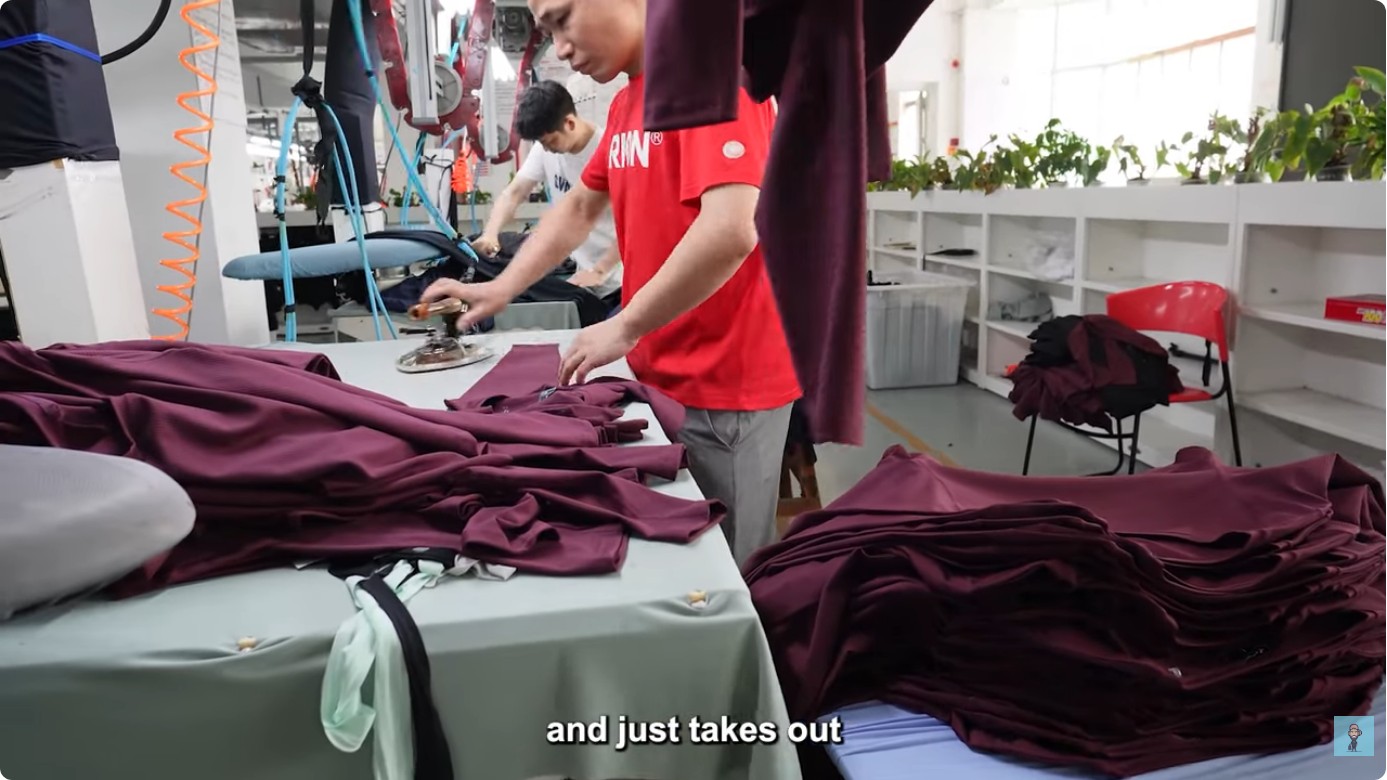
- Style/Color MOQ: Factories often set a minimum per style *per color*. For toddler jerseys using common polyester fabrics, a typical MOQ is 300-500 pieces per color. If you need 4 colors, the total MOQ could be 1200-2000 pieces.
- Fabric MOQ: This is the root cause. Mills sell fabric by the roll (often 1000+ yards). The factory’s MOQ must cover at least one full roll of each fabric color used.
- Customization Impact: Sublimation printing (all-over pattern) has higher MOQs than screen printing (locally applied logos). Embroidery adds per-piece cost. Each additional color in a screen print increases setup costs and sometimes MOQs.
Trade-off: The path to lower MOQs often involves choosing from a factory’s existing blank inventory (“stock blanks”) and applying your print/embroidery to them. This limits fabric, style, and color choices but can bring MOQs down to 50-100 pieces per design.
3. Quality Verification: What to Ask and Sample
Never proceed to bulk without approving a pre-production (“PP”) sample. This sample should be made from your exact fabrics and trims. scrutinize:
- Stitching: Are seams straight, even, and secure? Check for loose threads, especially at stress points like the neck placket and underarms.
- Print/Embroidery: Does the design match your artwork? Is embroidery dense and clean, without puckering? For prints, perform a “crock test” (rub a white cloth over it) to check for color bleeding.
- Fit: Dress a toddler (or use a mannequin). Is it comfortable? Does it restrict movement? Are the neck and armholes smooth?
- Finishing: Are all labels correctly placed and stitched? Are snags or pulls present?
Decision Points: Navigating Trade-offs for Your Project
Sourcing toddler baseball jerseys involves balancing several competing factors. Use this table to frame your priorities.
| Priority | Recommended Choice | Impact on MOQ/Cost | Potential Trade-off |
|---|---|---|---|
| Lowest Cost / Entry-Level | Stock blank polyester jersey, 1-color screen print logo (chest only). | Lowest MOQ (can be 50-100 pcs). Lowest per-unit cost. | Limited fabric/style choices. Less customization (no names/numbers easily). Basic fit. |
| Full Team Customization | Custom fabric color, names & numbers on back, team logo on chest. Sublimation or multiple screen print colors. | High MOQ (500+ pcs/color). Higher setup fees. Premium per-unit cost. | Large inventory commitment. Longer lead time (8-12 weeks). |
| Fashion / Soft Hand Feel | Cotton-polyester blend, garment-dyed, relaxed “oversized” fit. Minimal branding. | Medium-High MOQ. Medium cost. Dyeing process adds lead time. | Less performance-oriented (slower dry time). Sizing can be less consistent. |
| Fastest Turnaround | Use factory’s pre-made blank jerseys in stock colors. Apply your print/embroidery. | Lowest MOQ. Can ship in 2-4 weeks. | Severely limited on fabric, style, and color. You’re buying their existing inventory. |
Critical Questions to Ask Your Manufacturer
Before finalizing an order, get clear answers to these questions. A reputable OEM/ODM partner will provide them willingly.
- What is your specific toddler size chart for this style? (Do not assume “T” sizes are the same across factories).
- Can you provide a sample of the exact fabric with my Pantone color dyed/submitted?
- What are your standard quality control checkpoints? (e.g., fabric inspection, in-line checking, final pre-shipment inspection).
- What is your policy on defective units? What is the acceptable defect rate per AQL (Acceptable Quality Level)?
- Do you hold certifications for children’s product safety? (e.g., CPSIA compliance documentation for U.S. market, physical safety test reports for small parts).
- What is the total lead time from PP sample approval to shipment? Break it down: fabric sourcing, cutting, sewing, finishing.
Planning to add these styles to your collection? We produce custom versions with your branding, fabric choice, and sizing — from sample to bulk. Contact our team for details.
[…] sizing and fabric softness take priority over advanced wicking. We broke down those nuances in our comprehensive guide to toddler baseball jerseys, which pairs well with a bulk blank order for sibling […]