
When sourcing custom t-shirts for your brand, gym, or team, the term “type” can mean several different things. It might refer to the garment’s fit, its fabric composition, its neckline, or its intended performance use. For a buyer, understanding these distinctions isn’t about fashion theory—it’s about making precise production decisions that affect cost, customization potential, and the final product’s performance. A “performance tee” constructed from moisture-wicking polyester will respond entirely differently to screen printing than a 100% cotton “basic tee,” just as a “slim fit” pattern will require different grading for size runs than a “relaxed fit.” This guide breaks down the core classifications of t-shirts from a manufacturing and sourcing perspective, highlighting which styles are standard in OEM production, what customization routes are most viable for each, and the key trade-offs to consider for your specific project.
We’ll move beyond generic descriptions to focus on the practical realities of bulk production: fabric availability in your target market, print/embroidery compatibility, minimum order quantities (MOQs), and how construction details impact durability and perceived value. Whether you’re a startup brand launching a first collection or a large retailer replenishing basics, knowing these distinctions helps you communicate effectively with your factory and avoid costly revisions.
Quick Guide: Matching T-Shirt Types to Your Sourcing Goals
Before diving into details, here’s a high-level map of how t-shirt variations align with common buyer objectives:
Related guide: How to Take Measurements for Clothing: A Guide for Brands & Buyers
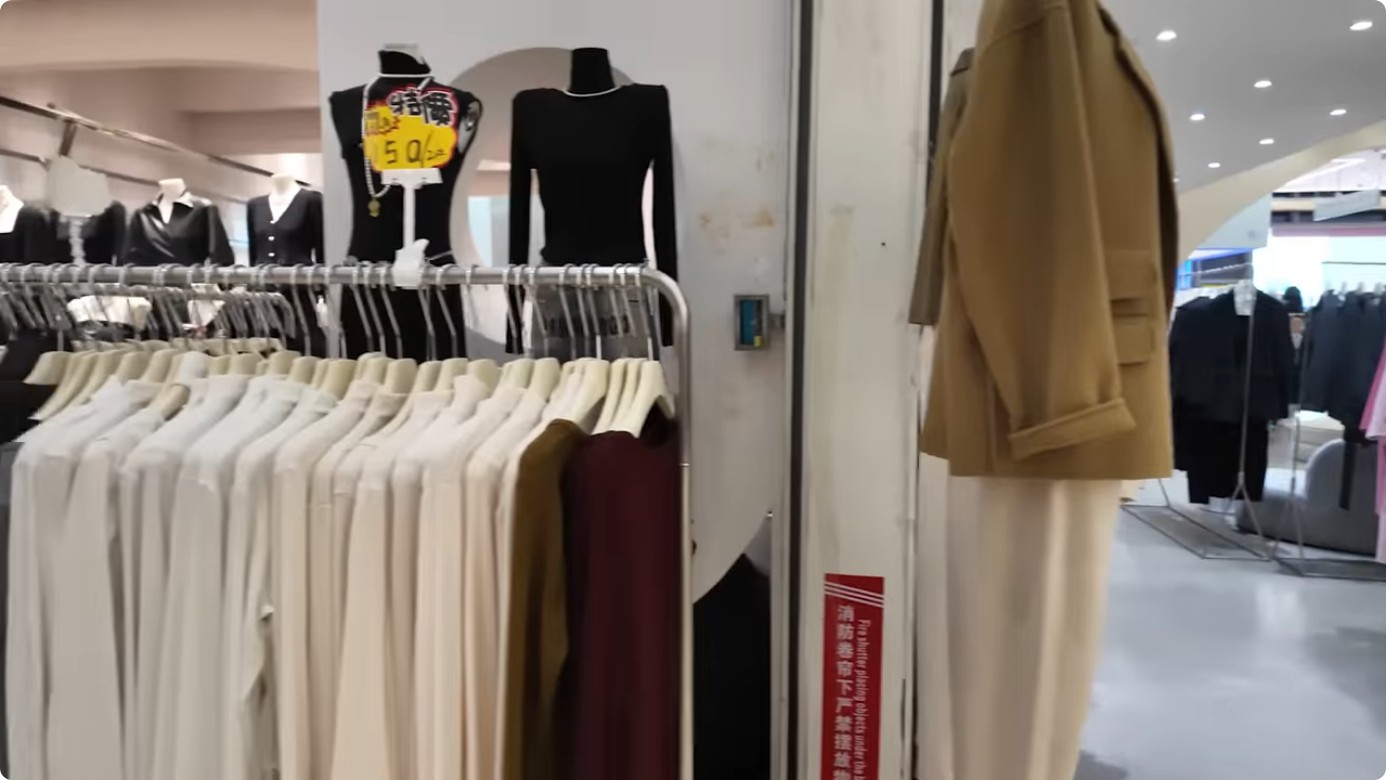
- For Maximum Customization Flexibility & Low Cost: Basic cotton or cotton/polyester blends in classic crew neck, regular fit.
- For Performance & Athletic Brands: Synthetic performance fabrics (polyester, nylon) with moisture-wicking or antimicrobial finishes, often in athletic fits.
- For Premium/Lifestyle Brands: Pima/Supima cotton, organic cotton, or luxury blends with tailored fits (slim, modern) and refined construction (double-stitched hems, tape-seamed necks).
- For Sustainability-Focused Lines: Organic cotton, recycled polyester (rPET), Tencel™ blends, with certifications like GOTS or Oeko-Tex Standard 100 being a key specification.
- For Workwear/Uniforms: Durable cotton/polyester twill or jersey, often with practical features like chest pockets and reinforced seams.
1. By Fit & Silhouette: The Pattern’s Impact on Production
Fit is defined by the pattern—the template from which the garment is cut. It’s the first decision that dictates grading (size scaling) and fabric consumption. In custom manufacturing, you’ll typically choose from a factory’s existing pattern library or request modifications to one, which impacts tooling costs and lead time.
Classic/Regular Fit
The industry standard. Features a straight, comfortable cut with generous room through the body and sleeves. It’s the most forgiving pattern, easiest and cheapest to grade across a full size range (XS-5XL or more), and uses fabric most efficiently. For buyers: This is the safest, most cost-effective choice for basic promotional tees, team uniforms, or entry-level retail stock. It accommodates a wide range of body types and is compatible with virtually all fabric types, from lightweight slubs to heavyweights.
Slim Fit / Modern Fit
Tapered through the torso and arms, with a narrower shoulder and shorter body length. Popular in fashion-forward and athletic contexts. Production considerations: Grading a slim fit requires more precision; the pattern adjustments between sizes are more dramatic, which can slightly increase pattern-making costs if starting from scratch. Fabric selection is critical—a stiff cotton will feel restrictive, while a stretch blend (cotton/polyester/spandex) is often necessary for comfort. MOQs might be slightly higher for specialized fits if the factory doesn’t already have a robust pattern library.
Relaxed Fit / Oversized
Exaggerated volume with dropped shoulders and a longer, looser cut. Currently a strong trend in youth and streetwear. Sourcing note: This uses more fabric per garment, directly increasing material cost. The pattern is simple but requires clear communication on exactdrop shoulder” measurements, as there’s no industry standard. Ideal for brands making a style statement, but less suitable for performance applications where excess fabric can hinder movement.
Athletic / Performance Fit
A hybrid: cut slim for reduced bulk but engineered with strategic gussets, raglan sleeves, and stretch panels for full range of motion. Common in activewear. Key trade-off: These designs often involve multiple fabric panels and seam lines, which complicates cutting and sewing, increasing unit labor cost. They are almost exclusively built from technical knitted or woven fabrics with 4-way stretch. Expect higher MOQs for these specialized constructions.
| Fit Type | Fabric Efficiency | Ease of Grading | Customization Cost Impact | Best For |
|---|---|---|---|---|
| Classic/Regular | High | Very Easy | Low (Baseline) | Promotional, uniforms, basics |
| Slim Fit | Medium | Moderate | Medium (pattern) | Fashion retail, athleisure |
| Relaxed/Oversized | Low (more fabric) | Easy | Medium (fabric cost) | Streetwear, trend-focused brands |
| Athletic | Medium-Low | Complex | High (labor & fabric) | Sports teams, gymwear, performance brands |
2. By Fabric & Construction: The Material Foundation
Fabric is where functionality, cost, and customization potential intersect. The knit structure (jersey, interlock, rib) and fiber content determine how the shirt feels, behaves, and accepts decoration.
Cotton & Cotton Blends
100% Cotton Jersey: The undisputed workhorse. Breathable, comfortable, and highly printable/embroidable. Drawbacks: prone to shrinking (pre-shrunk remedies this) and wrinkling. For custom work: The most straightforward and lowest-risk option. Ideal for screen printing, DTG (direct-to-garment), and embroidery. MOQs are typically lowest here. Fabric weight (e.g., 180gsm vs. 220gsm) is a key spec to negotiate—heavier weights feel more premium but cost more.
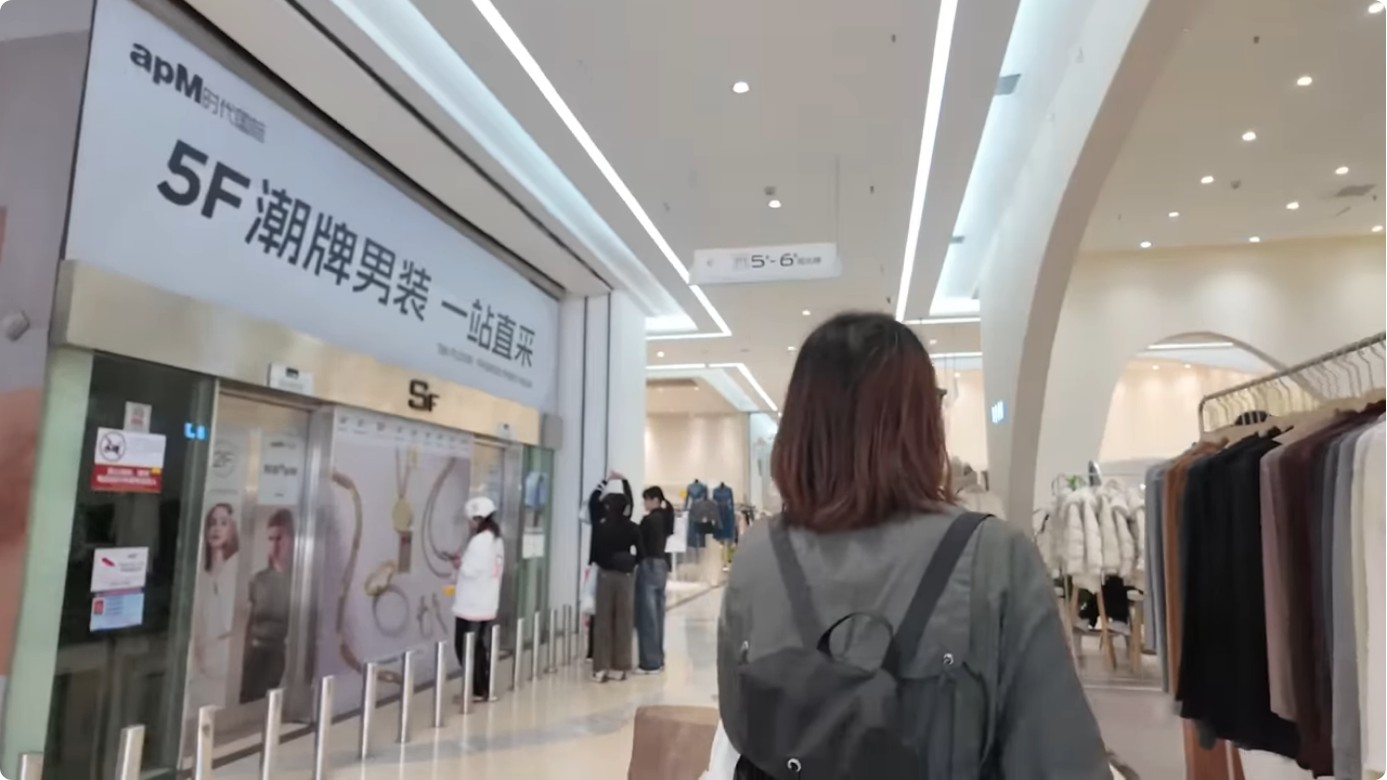
Cotton/Polyester Blends (e.g., 60/40, 50/50): The industry compromise. Polyester adds wrinkle resistance, faster drying, and durability while reducing cost. Critical note for decorators: Polyester can melt under high-heat applications like certain plastisol prints or heat transfers. Always specify proper curing temperatures to your factory. Blends are excellent for embroidered logo work and DTG printing.
Performance Synthetic Fabrics
100% Polyester (Microfiber, Moisture-Wicking): Engineered for sport. Actively moves sweat away from the skin. Often treated with antimicrobial finishes. Manufacturing reality: These are hydrophobic (water-repelling), making traditional water-based screen printing tricky. DTG or sublimation (for all-over prints on light colors) are the go-to methods. The fabric itself is more expensive than cotton, and MOQs can be higher due to specialized sourcing. Ask your supplier: Is the wicking treatment durable through multiple washes?
Recycled Polyester (rPET) & Nylon: Made from plastic bottles or fishing nets. Used in high-performance and eco-conscious lines. Performance is comparable to virgin synthetics. Sourcing tip: Verify the recycled content percentage and certification (e.g., GRS) as this is a key marketing claim for end consumers.
Related guide: What Does a Cap in Soccer Mean? A Guide for Teams, Brands, and Buyers
Specialty & Luxury Knits
Pima/Supima Cotton: Extra-long staple fibers create a smoother, stronger, and more lustrous fabric than regular upland cotton. Buyer beware: “Pima” can be a generic term; “Supima” is a certified, traceable brand. Specify Supima for premium claims. Expect a 20-50% premium over standard cotton jersey.
Organic Cotton: Grown without synthetic pesticides. Requires certification (GOTS is the gold standard) from fiber to finished garment to be credible. Production nuance: Organic yarns can be less consistent in diameter, sometimes requiring slight adjustments in knitting tension. Lead times may be longer due to certified supply chain constraints.
Tencel™/Lyocell Blends: Made from sustainably sourced wood pulp. Exceptionally soft, breathable, and with a natural drape. Often blended with cotton for stability. Customization caution: The fabric can be more delicate during high-speed sewing and may pill more than cotton. Works best with gentle prints like DTG or small embroidery.
3. By Neckline & Sleeve: Style Details That Signal Purpose
These elements are quick visual cues for the garment’s intended use and affect both pattern complexity and decoration placement.
Neckline Variations
- Crew Neck (Round Neck): The universal standard. Most economical to produce. The neckband (rib knit) is a separate piece that must be perfectly aligned—a common quality failure point. For custom orders, specify neckband width (e.g., 1×1 rib vs. 2×2 rib) and material (cotton vs. cotton/lycra for recovery).
- V-Neck: Requires an additional pattern piece for the V’s facing. Slightly higher sewing cost. The depth of the V is a critical spec—”shallow,” “medium,” or “deep” must be defined with a measurement from the shoulder seam.
- Tank Top / Sleeveless: Armhole finishing varies from simple “clean bound” to “tapered.” For activewear, expect wider armholes and sometimes a built-in bra for women’s styles. Simpler construction than sleeved styles.
- Polo Collar: Not a t-shirt, but often sourced together. Involves a separate collar and placket, significantly increasing labor cost and MOQ. Specify collar type (pique vs. jersey knit) and button details.
Sleeve Length & Style
- Short Sleeve: Standard. Sleeve length (from shoulder) is a key fit spec, often measured at the underarm point.
- Long Sleeve: Adds ~20-30% fabric cost and sewing time. Cuff style (rib, band, no cuff) must be specified.
- Raglan Sleeve: Sleeve extends in one piece to the collar, creating a diagonal seam. Iconic for baseball tees and athletic wear. Requires a different pattern and more fabric than set-in sleeves. Excellent for color-blocking designs.
- Cap Sleeve / 3/4 Sleeve: Fashion-oriented. Precise length measurements are crucial.
4. Specialty T-Shirts: Niche Applications & Production Hurdles
Certain t-shirt types serve specific markets but come with distinct sourcing complexities.
All-Over Print (AOP) T-Shirts
Fabric is printed *before* garment construction (cut-and-sew). Allows for seamless, continuous patterns. Major considerations: Requires sublimation-friendly fabrics (100% polyester, usually light-colored). The pattern layout must account for fabric width and repeat, increasing design prep cost. Sewing can be more challenging as printers’ ink may slightly stiffen fabric. MOQs are often higher (500+ pcs) to justify the digital printing setup.
Heavyweight / Vintage Style Tees
Thick, dense jersey (often 250gsm+) with a stiff, boxy hand. Popular for premium basics. Production impact: Heavier fabrics can be tough on industrial sewing machines, potentially slowing production speed. They also consume more material per garment. The “vintage” look often involves garment-dyeing (dying the finished shirt) rather than piece-dyeing (dying the fabric), which adds a production step and can cause slight color variations—sometimes sold as a feature.
Tri-Blend Fabrics
A mix typically of cotton, polyester, and rayon (e.g., 50% cotton, 25% polyester, 25% rayon). prized for an ultra-soft, heathered hand and vintage drape. Sourcing warning: Rayon is weak when wet and prone to shrinking. The blend ratio must be tightly controlled, and laundering instructions for the end-user must be strict (care labeling regulations apply). Not ideal for high-sweat athletic use.
- Do you have an existing pattern for [slim fit/oversized/raglan] that matches my tech pack measurements, or will a new pattern be required?
- What is the standard fabric composition available in your inventory for [e.g., 180gsm jersey]? Can you source certified organic or recycled alternatives?
- For [performance/ AOP] styles, what are your recommended decoration methods, and do you have in-house expertise or partnerships for them?
- What is your standard MOQ for this style, and does it change if I require a special fabric or fit?
- Can you provide a garment sample (not just a fabric swatch) approved for my specific fit and fabric combo before bulk cutting?
5. The Customization Matrix: How Type Dictates Your Options
Your choice of t-shirt type directly gates your decoration choices. Use this matrix to align your design vision with production reality.
| T-Shirt Type | Screen Printing | Embroidery | DTG (Direct-to-Garment) | Sublimation (AOP) | Heat Transfer |
|---|---|---|---|---|---|
| 100% Cotton (light/medium weight) | Excellent (plastisol, water-based) | Excellent | Very Good | No | Good (careful temp) |
| Cotton/Poly Blend | Excellent | Excellent | Good | No | Good (lower temp) |
| 100% Polyester (performance) | Poor (needs special ink) | Good (must stabilize) | Fair (test first) | Excellent (light colors) | Good (poly-specific) |
| Tri-Blend / Rayon Blend | Fair (can bleed) | Good (stabilize) | Excellent (soft look) | No | Poor (shrink risk) |
| Heavyweight Vintage | Excellent | Excellent | Poor (fabric thickness) | No | Fair |
Final Questions Before You Source
Choosing the right t-shirt type for a custom order is a exercise in balancing aesthetics, function, and budget. Ask yourself: Is the primary goal brand recognition (where a classic, printable tee wins), athletic performance (demanding technical fabrics), or luxury perception (justifying Supima and slim fits)? What is your target retail price point, and what margin does that leave for fabric and construction? Are you designing for a specific climate or activity? The answers will point you clearly toward the appropriate fabric family, fit, and construction level. Remember, the most successful custom apparel programs start with a garment that feels and performs like it was made for its intended user—not just a blank shirt waiting for a logo.
Need custom versions of any style covered here? Our sportswear factory handles everything from tech pack review to bulk delivery. Request a sample or quote.
More advice: Soccer Cleats vs Football Cleats: A Buyer’s Guide to Custom Athletic Footwear