Spain’s athletic identity is woven into its culture, from the roar in a football stadium to the rhythmic clap at a flamenco-inspired fitness class. For a custom sportswear manufacturer, understanding which sports dominate this market isn’t just about popularity—it’s about decoding specific apparel needs, fabric demands, and customization opportunities. Whether you’re a brand targeting Spanish consumers, a gym chain outfitting members, or a sports team sourcing kits, aligning your production strategy with these core activities is essential for market relevance and commercial success.
This analysis moves beyond a simple list. We’ll break down Spain’s most popular sports through the lens of apparel manufacturing: the functional requirements of each activity, the typical garment constructions, key fabric technologies, and the critical specifications a buyer must communicate to a factory to achieve the right custom product. This dual perspective helps both end-users understand quality markers and B2B buyers refine their sourcing briefs.
Quick Guide: Spain’s Major Sports & Their Apparel Profiles
For a rapid overview, consider how each sport translates into garment demand. The following table highlights the primary apparel categories, essential performance features, and common customization paths for the Spanish market.
More advice: The Justin Bieber Hat and Hoodie Style: A Custom Manufacturing Guide for Brands
| Sport / Activity | Core Apparel Items | Key Performance Needs | Primary Customization Levers |
|---|---|---|---|
| Football (Soccer) | Jerseys, shorts, training tops, tracksuit sets, goalkeeper gloves | Moisture-wicking, breathability, lightweight, durability (for training), team colors & badges | Sublimation printing (full garment), embroidered crests, numbered names, specific collar styles, fabric weight (e.g., 140gsm vs. 180gsm) |
| Basketball | Jerseys, shorts, warm-up hoodies, compression wear | Maximum breathability, freedom of movement, moisture management, bold graphic potential | V-neck vs. round neck, side panels, short length (above knee), large-scale prints, mesh panel integration |
| Tennis & Pádel | Polos, skirts, dresses, shorts, performance hoodies | UV protection, 4-way stretch, odor control, sleek aesthetic, range of motion | Polo collar & placket design, skirt/short length, subtle branding, soft-hand fabric finishes |
| Running & Athletics | Technical t-shirts, tanks, running shorts, leggings, windbreakers | High-wicking, minimal chafing, reflective elements, lightweight, ventilation zones | Seamless construction, laser-cut hems, specific knit patterns (e.g., honeycomb), placement of reflective tape |
| Cycling & Mountain Biking | Jerseys, bib shorts, jackets, gloves | Aerodynamic cut, chamois padding (for bibs), wind/water resistance, storage pockets | Back panel length, silicone grippers, pad quality & placement, full-front zipper, race cut vs. relaxed |
| Gym/Functional Fitness | T-shirts, tanks, hoodies, joggers, leggings, shorts | 4-way stretch, durability (against abrasion), squat-proof fabric density, moisture-wicking | Fit (compression vs. relaxed), waistband design, gusset construction, pocket types, ribbed cuffs |
| Yoga & Pilates | High-waisted leggings, sports bras, fitted tops, lightweight cover-ups | Soft hand feel, maximum stretch & recovery, squat-proof, seamless options, modesty | High-rise waist height, strap width, back design (racerback, criss-cross), fabric softness grade |
| Water Sports (Surf, Paddle) | Rash guards, board shorts, wetsuits, swim trunks | UV protection, chlorine/salt resistance, quick-dry, flatlock seams, thermal insulation (wetsuits) | Length of shorts (above/below knee), rash guard sleeve length, wetsuit neoprene thickness & seam tape |
Note: For authoritative standards on fabric performance and testing, refer to resources from organizations like AATCC (American Association of Textile Chemists and Colorists) or AATCC, which define methods for evaluating moisture management, UV protection, and abrasion resistance.
Deep Dive: Sport-by-Sport Manufacturing & Sourcing Considerations
Football & Team Sports: The High-Volume, High-Identity Category
Football is Spain’s dominant cultural sport, driving massive demand for kits, training wear, and fan apparel. For manufacturers, this means two distinct product streams: performance kits for players and replica/fan wear for supporters.
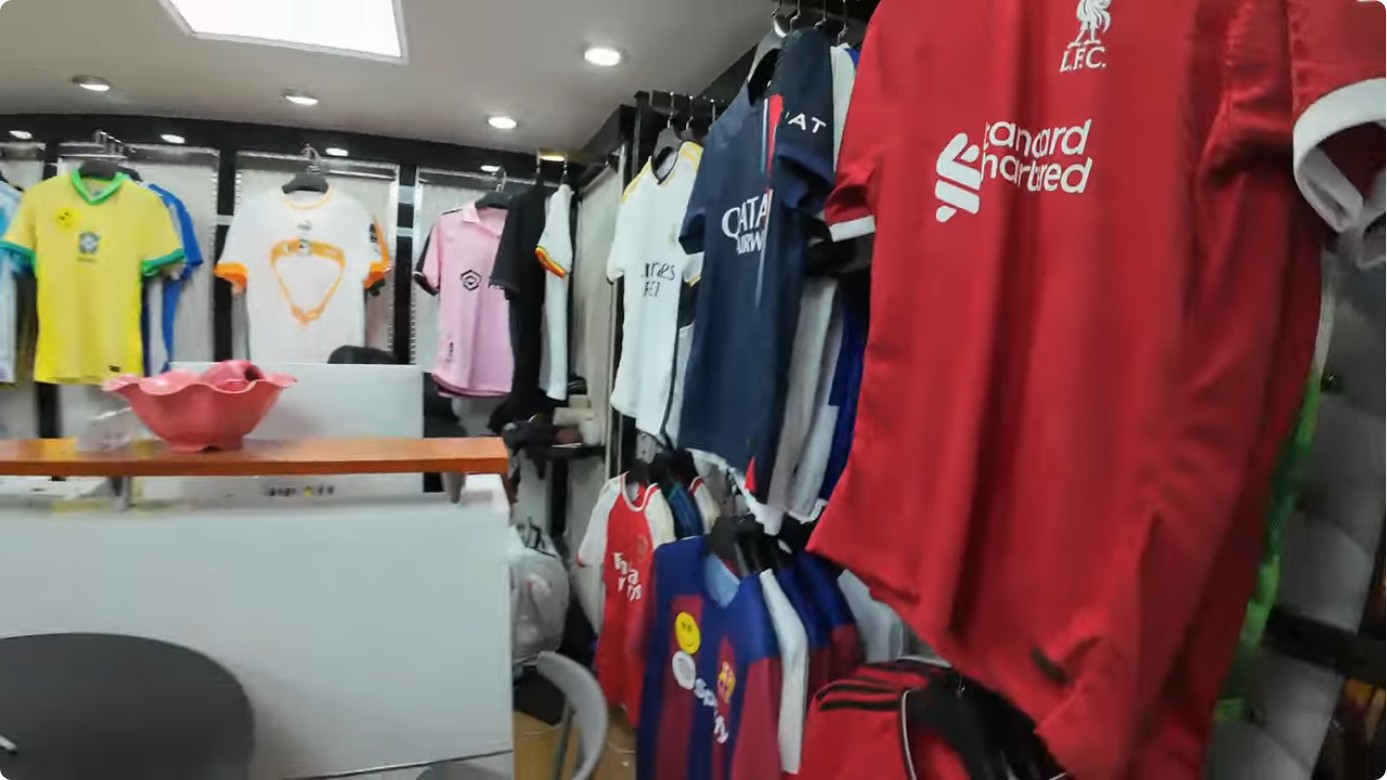
- Performance vs. Replica: Player kits demand ultra-lightweight, engineered mesh fabrics (often 120-150gsm) with specific wicking properties. Replica jerseys can use slightly heavier, more durable knit fabrics (160-180gsm) suited for everyday wear but still require vibrant color reproduction.
- Decoration Method is Critical: Sublimation is the industry standard for football jerseys, allowing unlimited color gradients, numbers, and names that won’t crack or fade. For simpler designs or smaller runs, heat transfer vinyl (HTV) or screen printing may be cost-effective but have durability limits. Embroidered badges remain a premium touch for team identity.
- Sizing & Fit: Provide a comprehensive size chart based on the target demographic (youth, amateur adult, pro-fit). Pro-fit shirts are tighter, while fan replicas often run slightly larger for comfort.
- Key Question for Your Factory: “Can you provide fabric samples with your standard sublimation inks to test for color vibrancy and hand feel after dye-sublimation processing?”
Running & Individual Athletics: Where Fabric Science Meets Design
The Spanish running culture is robust, creating demand for high-performance technical apparel. Here, fabric construction is the primary selling point.
- Fabric Construction: Single Jersey knits are common for tops, while shorts and leggings often use 4-way stretch woven or double-knit fabrics. Look for constructions with differential yarn counts (thinner yarn on the face, thicker on the back) to enhance wicking.
- Seamless vs. Cut & Sew: Seamless knitting creates garments with minimal seams, reducing chafe points—ideal for long-distance running. However, it limits design complexity and has higher MOQs. Traditional cut-and-sew allows for more design panels and color blocking but requires careful seam finishing (flatlock).
- Essential Features to Specify: Reflective elements (tape, yarns) for safety, laser-cut or bonded hem edges for smoothness, and specific gusset designs in shorts/leggings to prevent riding up.
- Trade-off: Maximum breathability often comes at the cost of durability. A lightweight, perforated mesh may not withstand the abrasion of trail running or frequent washing as well as a tighter knit. Your usage scenario dictates the fabric balance.
Gym & Functional Fitness (CrossFit, Strength Training): The Durability Challenge
The rise of functional fitness gyms and CrossFit boxes in Spain has created a huge market for robust, flexible apparel. The key metric here is abrasion resistance.
- Fabric Weight & Density: For leggings and shorts, a fabric weight of 230-280gsm is common to provide squat-proof opacity and resistance to abrasion from equipment (e.g., rigs, ropes). A polyester/spandex or nylon/spandex blend is typical (e.g., 88% Polyester, 12% Spandex).
- Construction Details: A cotton gusset (even in synthetic leggings) is a popular feature for modesty and comfort during deep movements. Reinforced stitching at high-stress points (like the inner thigh seam) is non-negotiable for quality.
- Fit is paramount: High-waisted, compression-fit leggings are standard. Specify the exact rise measurement from crotch to top of waistband. For shorts, specify inseam length (e.g., 7″ for traditional, 5″ for modern).
- Sourcing Note: MOQs for custom performance fitness leggings can be lower (often 50-100 units per style/color) with digital printing or sublimation, compared to traditional cut-and-sew which may require 300+.
Yoga & Mind-Body Disciplines: The Soft-Touch Premium Segment
Yoga and Pilates studios cater to a market that values aesthetic, tactile comfort, and modesty as much as performance. This segment often commands a higher perceived value.
- Fabric Hand Feel: This is the #1 priority. Fabrics are brushed or finished to feel exceptionally soft against the skin. Look for terms like “sueded finish” or “peach skin finish” in fabric swatches. Nylon blends can offer a silkier feel than polyester.
- Seamless & Minimalist Design: Seamless knitting is highly desirable for sports bras and leggings, creating a sleek silhouette without bulky seams. Back designs (racerback, twist, keyhole) are a major style differentiator.
- Modesty & Coverage: Specify a minimum fabric density (e.g., 280gsm) for leggings to ensure they are truly squat-proof under studio lighting. High-waisted designs with a wide, non-rolling waistband are expected.
- Color & Print: While solid colors dominate, subtle tonal patterns or small-scale prints are popular. Ensure the fabric’s softness isn’t compromised by a heavy print application.
The Spanish Market Nuance: Local Tastes & Practicalities
Sourcing for Spain isn’t just about the sport; it’s about the cultural context of that sport.
- Football Culture: Club loyalty (Real Madrid, FC Barcelona, Atlético Madrid) is intense. Replica jerseys must accurately replicate current or iconic team colors and badge placements. For custom team kits (amateur leagues), bold, distinctive color combinations are preferred over subtlety.
- Regional Identity: In regions like Catalonia or the Basque Country, local team or cultural symbols can be as important as the sport itself. This influences logo placement and design integration.
- Seasonality: Spain’s climate varies. Coastal and southern regions drive year-round demand for lighter, UV-protective fabrics for tennis and golf. Inland and northern areas create a longer season for insulated running jackets and thermal layers.
- Sizing Standards: Spanish/European sizing (EU) differs from US or UK. A reliable factory will provide EU sizing blocks based on your target demographic’s average measurements. Always request a fit sample in your chosen size range before bulk production.
Critical Checklist for Your Custom Sportswear Order
Before you engage a factory, having these elements clarified will streamline production and ensure quality. Use this as a preparation tool.
Sourcing Specification Checklist
- Garment Type & Use Case: Is this for competitive performance, gym training, or casual wear? (Defines fabric grade)
- Target User Profile: Age, gender, and fitness level (informs fit model and sizing scale).
- Fabric Composition & Weight: Specific % blends (e.g., 92% Polyester, 8% Spandex) and GSM (grams per square meter). Request fabric swatches with your chosen print/decoration method applied.
- Key Construction Details: Seam type (flatlock, coverstitch), hem finish (laser, raw), gusset type, waistband construction.
- Decoration Method & Placement: Sublimation, screen print, embroidery, HTV. Provide exact vector artwork files with color codes (Pantone recommended).
- Color Standards: Provide physical Pantone swatches or specific color codes for all garment panels and trims. Screen displays are not reliable.
- Fit Sample Approval: Mandate that a fit sample (in your size) be produced, shipped, and approved by you before fabric is cut for bulk.
- Quantity & Size Break: Define your total order quantity and the specific ratio of sizes (e.g., S:20%, M:30%, L:30%, XL:20%).
- Packaging & Labeling: Specify polybag type, hangtags, care labels (with correct fabric content and washing instructions), and any required compliance marks (e.g., OEKO-TEX Standard 100 if claimed).
Navigating Production: MOQs, Timelines, and Quality Control
Understanding manufacturing realities is key to a successful custom order.
- Minimum Order Quantities (MOQs): These vary dramatically. Simple screen-printed t-shirts can have MOQs as low as 50-100 units. Fully sublimated, patterned performance garments often require 200-500 units per style/color due to fabric and setup costs. For complex items like padded cycling bibs or wetsuits, MOQs can jump to 500+.
- Lead Times: From approval of tech pack and fabric swatch, expect 6-10 weeks for production. This includes fabric sourcing, cutting, sewing, decoration, and final QC. Peak seasons (pre-summer for beachwear, pre-winter for cold-weather gear) can extend timelines.
- The Tech Pack is Your Blueprint: A complete tech pack—including detailed illustrations, construction notes, fabric specs, and trim details—is non-negotiable. It is the single source of truth that prevents costly errors. A well-structured tech pack reduces back-and-forth and sample cycles.
- Quality Control Points: Insist on pre-production fabric inspection, in-line checks during sewing, and a final AQL (Acceptable Quality Level) inspection before shipment. Focus on: print alignment and color consistency, seam integrity, fabric defects, and accurate labeling.
Conclusion: Matching Product to Spanish Sports Passion
The Spanish love for sport is a reliable market driver, but success in custom apparel hinges on specificity. A generic “sports t-shirt” will not capture the nuanced demands of a yoga practitioner in Barcelona versus a rugby player in Valladolid. By understanding the performance requirements, cultural expectations, and manufacturing constraints of each sport, you can guide your factory to produce apparel that truly resonates—and performs—in the Spanish market.
Ready to Source Custom Sportswear for the Spanish Market?
Planning to add these styles to your collection? We produce custom versions with your branding, fabric choice, and sizing — from sample to bulk. Contact our team for details.
Also read: Verse Piece Race Tier List: Best Races Ranked and How to Choose