
When businesses and entrepreneurs search for “Chinese sports brand,” the intent often extends beyond identifying consumer labels like Li-Ning or Anta. More frequently, the search is a proxy for accessing the world’s most sophisticated, scalable, and cost-effective ecosystem for custom sportswear production. China’s dominance in global apparel manufacturing is not an accident; it is the result of decades of investment in textile technology, a deeply integrated supply chain, and a vast workforce skilled in precision garment assembly. For brands, gyms, and retailers seeking to create their own branded activewear, understanding this manufacturing landscape is the first step toward a successful product launch.
This article moves beyond the consumer-facing brands to explore the B2B reality: how to source and customize sportswear through Chinese factories. We will break down the key advantages, the critical differences between OEM and ODM partnerships, the tangible customization options available, and the essential due diligence required to ensure quality and reliability. Whether you are a startup designing your first line of performance t-shirts or an established retailer expanding into hoodies and tracksuits, this guide provides the practical framework for navigating one of the world’s most complex—and rewarding—sourcing destinations.
Why China Dominates Sportswear Manufacturing: A Structural Overview
The competitive edge of Chinese sportswear manufacturing stems from a complete, localized ecosystem. From the mills that spin high-performance yarns to the factories that stitch final garments, the cluster effect in regions like Guangdong, Zhejiang, and Fujian is unparalleled. This vertical integration drastically reduces lead times and logistical costs.
More advice: Mood Board Fashion Design: The Critical Bridge from Concept to Custom Production
Key factors contributing to this dominance include:
- Scale and Capacity: Factories range from small, specialized workshops to massive facilities capable of producing millions of units annually. This scale allows for competitive pricing, especially on standard items like basic t-shirts and hoodies.
- Material Sourcing: Proximity to countless fabric and trim suppliers means buyers can sample and select from an immense library of materials—from moisture-wicking polyester and sustainable recycled fabrics to specialized zippers and prints—all in one place. Many factories maintain long-standing relationships with certified suppliers, which can simplify compliance with standards like OEKO-TEX Standard 100 for harmful substance testing.
- Technological Adoption: Leading factories invest in automated cutting systems, digital printing (sublimation, DTG), and advanced sewing equipment. This enables complex designs, consistent quality, and the ability to handle both small-batch customization and massive production runs efficiently.
- Skilled Labor and Expertise: There is a deep talent pool of pattern makers, sample developers, and production line specialists who understand the nuances of activewear construction—from flatlock seams that reduce chafing to the precise application of reflective tape.
For the buyer, this ecosystem translates into unparalleled flexibility. However, it also necessitates a more strategic approach to partner selection, as the variance in factory capabilities and integrity is significant.
OEM vs. ODM: Two Primary Paths to Customization
Understanding the distinction between Original Equipment Manufacturing (OEM) and Original Design Manufacturing (ODM) is fundamental to your sourcing strategy. The choice dictates the level of control, investment, and expertise you need to bring to the table.
OEM (Original Equipment Manufacturing): Your Design, Their Production
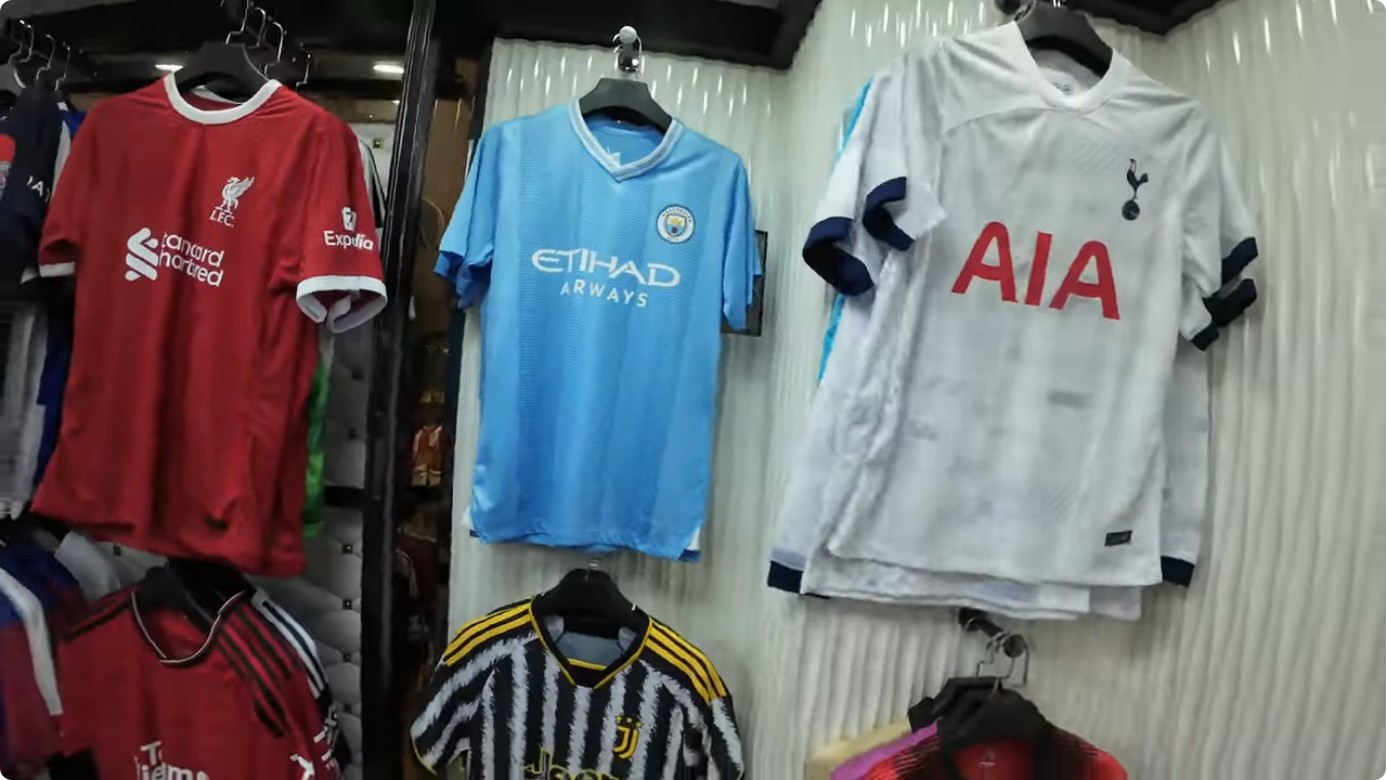
In an OEM model, you provide the complete, finalized design specifications—typically in the form of a detailed tech pack—and the factory executes production exactly to those specs. This is the standard model for brands that have an in-house design team or have already developed their product with a designer.
What you must provide:
- Precise technical drawings (flat sketches) for every style.
- Comprehensive spec sheets detailing measurements for each size (graded from a sample size).
- Fabric and trim callouts (with specific supplier references or physical swatches).
- Construction details (stitch type, seam finishes, label placement).
- Color standards (often using Pantone codes).
- Packaging instructions.
Best for: Companies with established design capabilities, specific performance requirements, or a desire for total creative control. The risk lies in the accuracy of your tech pack; errors or ambiguities can lead to costly sample revisions and production delays.
ODM (Original Design Manufacturing): Leveraging Factory Expertise
ODM flips the model. You select a design from the factory’s existing catalog or portfolio of proprietary styles. The factory then adapts that base design to your requirements—branding, color, sometimes minor fit adjustments—and manufactures it. You are essentially licensing a proven template.
What you provide:
- Your logo and brand colors.
- Desired quantity per style.
- Any mandatory modifications (e.g., longer torso for a specific market).
Best for: Startups, first-time importers, or brands with limited design resources. It significantly reduces development time and risk, as the core pattern and construction have already been perfected and tested in production. The trade-off is less uniqueness; other brands may be sourcing very similar base garments from the same factory.
| Aspect | OEM (Your Design) | ODM (Factory’s Design) |
|---|---|---|
| Initial Development Time | Longer. Requires full design, tech pack creation, and sample approval from scratch. | Shorter. Starts from a proven, pre-developed base pattern. |
| Design Uniqueness | High. Fully proprietary to your brand. | Moderate/Low. Base style is shared; uniqueness comes from branding and minor tweaks. |
| Required Buyer Expertise | High. Must be able to create or manage precise technical specifications. | Low to Moderate. Can select and specify branding changes. |
| Typical Minimum Order Quantity (MOQ) | Often higher, as patterns and setups are custom. | Can be lower, as the factory already has the pattern and may have fabric on hand. |
| Cost Structure | Higher upfront development cost (pattern making, sample making). Unit cost may be similar or slightly lower at high volumes. | Lower or no development fee. Unit cost includes a license premium for the base design. |
| Best For | Established brands, designers, companies with specific performance needs. | Startups, private label, brands needing a quick market entry with less risk. |
The Customization Toolbox: What Can You Actually Modify?
Whether you choose OEM or ODM, understanding the levers of customization is crucial. Chinese factories offer a vast menu of options, but each has implications for cost, lead time, and MOQ.
Fabric and Performance Treatments
The foundation of any sportswear is its fabric. You are not limited to a few stock options. Factories can source or produce:
- Composition: 100% Cotton, Cotton/Poly blends, 100% Polyester, Nylon, Spandex/Lycra blends, recycled PET fabrics, Tencel™ blends.
- Weight/GSM: Lightweight (120-150 GSM) for summer tees, mid-weight (180-220 GSM) for versatile hoodies, heavyweight (280+ GSM) for cold-weather outerwear.
- Finishes: Brushed interior (for softness), moisture-wicking treatment, antimicrobial finish (e.g., Microban or similar), UV protection, four-way stretch, DWR (Durable Water Repellent) coating.
Decision Point: Request physical fabric swatches, not just descriptions. Ask for lab test reports for specific claims (e.g., SPF rating, wicking efficiency). More exotic fabrics and treatments will increase cost and often raise MOQs.
Color and Graphics
This is where branding comes alive.
- Dyeing: Piece-dyeing (fabric dyed before cutting, most cost-effective) vs. garment-dyeing (finished garment dyed, allows for unique heather effects and softer feel but is more expensive and can cause slight size variation).
- Printing/Embroidery:
- Sublimation: For all-over prints on polyester. Excellent vibrancy, no feel. Best for complex, full-coverage designs.
- Screen Printing: Ideal for bold, solid-color logos on cotton or blends. Costs per color decrease with volume.
- DTG (Direct-to-Garment): For detailed, photographic prints on light-colored garments. Lower MOQ friendly but less durable on dark fabrics.
- Embroidery: Premium feel for logos on chest, sleeves, or backs of hoodies. Thread count and stitch density affect cost and quality.
- Heat Transfer Vinyl (HTV): Good for simple text and shapes. Durability varies by quality.
Caveat: Always request a pre-production sample (pp sample) with your exact graphic placement and colors. Color matching across different fabrics and print methods can be challenging.
Related guide: Sourcing Athletic Apparel from China: A Buyer’s Guide to OEM & ODM Manufacturing
Fit, Construction, and Details
This is the realm of true OEM craftsmanship.
- Pattern Grading: A good factory will have a master pattern and grade it accurately for your full size range (e.g., XS to XXL). Request a graded spec sheet and measure a sample in each size.
- Seams and Stitching: Specify stitch type (4-thread overlock, 5-thread safety stitch), seam type (flat-felled, bound), and stitch count per inch. Higher stitch counts generally mean better durability and a cleaner look.
- Labels and Tags: Options include woven labels, printed labels, care labels, and hangtags. You can source these separately or have the factory procure them. Ensure they meet local regulatory requirements for fiber content and care instructions.
- Hardware: Zippers (YKK vs. generic), snaps, buttons, and drawstrings. These are quality markers. Specify brands if necessary.
Production Consideration: Every additional detail (special seam, multiple label types, specific hardware) adds steps to the production line, which can increase cost and potentially lead to bottlenecks if not planned for in the tech pack.
Navigating Production: MOQs, Lead Times, and Quality Control
The operational realities of Chinese manufacturing are where many deals succeed or fail. Clear communication and realistic expectations are non-negotiable.
Minimum Order Quantities (MOQs)
MOQs are set by the factory based on their setup costs, fabric sourcing minimums, and desired profitability. There is no universal number.
- Simple items (cotton t-shirts, basic shorts): Can start as low as 500-1,000 pieces per style/color for larger factories.
- Complex items (performance leggings, insulated jackets): Often require 1,000-3,000 pieces minimum due to specialized fabrics and longer production cycles.
- ODM base styles: May have lower MOQs (e.g., 300-500) as the pattern is already paid for and fabric may be pre-committed.
Strategy: Be upfront about your target volume. A reliable factory will tell you if your order is too small for them and may suggest consolidating styles or colors to meet a viable MOQ. Never assume a low MOQ is possible for a complex, multi-component garment.
Lead Times
Lead time is the sum of several parts:
- Sample Development: 1-3 weeks for initial samples, plus 1-2 weeks per revision round.
- Fabric and Trim Sourcing: 1-4 weeks, depending on material availability and certification requirements.
- Bulk Production: 2-6 weeks for the actual cutting, sewing, and finishing.
- QC and Shipping: 1 week for final inspection + 2-6 weeks for sea freight or 1-2 weeks for air freight.
Total realistic timeline from approved tech pack to FOB (Free on Board) port: 8 to 16 weeks. Always build in a buffer for Chinese New Year (January/February) and other national holidays, during which production grinds to a halt.
The Non-Negotiable: Quality Control (QC)
You cannot inspect quality remotely with 100% confidence. A multi-stage QC plan is essential.
- Pre-Production/Pattern Approval: Approve the finalized pattern and a pre-production sample (made with actual fabric) before bulk cut.
- In-Line QC: A representative (yours or a third-party agency like QIMA or SGS) visits the factory during production to check workmanship, measurements, and fabric use against the approved sample.
- Final Pre-Shipment Inspection: 100% of finished goods are checked for cosmetic defects, functionality (e.g., zippers), and final packaging. This happens after packing but before shipment.
Cost of QC: Budget 1-3% of your order value for third-party inspection services. It is the best insurance policy against receiving a container of unsellable goods.
A Practical Checklist for Your Sourcing Journey
Before you send an inquiry or sign a contract, run through this list:
- Define Your Specs Clearly: Have a detailed tech pack (for OEM) or a clear selection of ODM styles with your modifications listed.
- Vet Multiple Factories: Use platforms like Alibaba (with Gold Supplier, Trade Assurance filters), attend trade shows (like the China International Fashion Fair), or work with a reputable sourcing agent. Request and verify business licenses and factory audits.
- Communicate MOQ and Budget Early: Be transparent about your target price point and order volume to avoid wasting time on incompatible partners.
- Request and Pay for Samples: Never proceed to bulk without approving a pre-production sample. The cost of this sample is a critical investment.
- Clarify Payment Terms: Standard terms are 30% deposit via T/T (wire transfer) and 70% balance before shipment or upon presentation of a clean on-board bill of lading. Be wary of factories demanding 100% upfront payment.
- Plan for QC: Budget for and schedule third-party inspections as part of your production timeline and cost.
- Understand Incoterms: Know whether your quote is FOB (factory), EXW (ex-works), or DDP (delivered duty paid). This defines who bears shipping costs and risk.
Key Questions to Ask Before Committing
As you evaluate potential factory partners, frame your discussions around these critical points:
- What is your experience with similar garments (e.g., compression leggings, fleece hoodies)? Can you provide references from clients in my market?
- What is your standard process for tech pack review and sample approval? Who is my single point of contact?
- How do you manage fabric sourcing and can you provide certifications for performance claims?
- What is your typical defect rate during production, and what is your policy for rectifying flawed goods?
- Can you accommodate my required delivery date, and what penalties exist for late delivery?
- Do you have experience shipping to my country/region and are you familiar with its labeling and safety regulations?
Clear, documented answers to these questions will separate professional manufacturers from risky operations.
Need custom versions of any style covered here? Our sportswear factory handles everything from tech pack review to bulk delivery. Request a sample or quote.
Related guide: The Essential Guide to Baseball Jersey Design Templates for Custom Manufacturing