
When you hear “Bavarian athletic brand,” you might picture traditional lederhosen or dirndls. In the modern activewear and custom apparel world, however, it refers to a distinct niche: sportswear and athleisure that consciously incorporates design elements, fabrics, or silhouettes inspired by Bavarian heritage and Alpine culture. This isn’t about manufacturing in Bavaria; it’s about a specific aesthetic and functional hybrid that appeals to a dedicated consumer base and offers brands a unique storytelling angle. For wholesale buyers, gyms, sports teams, and fashion labels, understanding this category is key to sourcing products that resonate with audiences seeking authenticity, rustic charm, and modern performance in one package.
The appeal lies in the fusion of timeless, region-specific motifs—such as earthy color palettes, plaid patterns, embroidery, and robust constructions—with the comfort and mobility of contemporary activewear. Sourcing this style successfully requires navigating a blend of traditional craftsmanship cues and modern manufacturing realities. This guide breaks down what defines a Bavarian-inspired athletic product, its key applications, and, most critically, the practical sourcing and production considerations you must address when ordering custom versions from a factory.
What Defines the “Bavarian Athletic” Aesthetic?
This style is a deliberate design choice, not an accidental similarity. It merges the utility and comfort of activewear with visual cues rooted in Bavarian alpine and folk traditions. The goal is to evoke a sense of groundedness, outdoor heritage, and casual robustness.
Core Design and Material Signifiers
To authentically capture this look, several key elements are typically integrated. A factory producing these styles needs to understand that these are not mere decorative additions but core to the product’s identity.
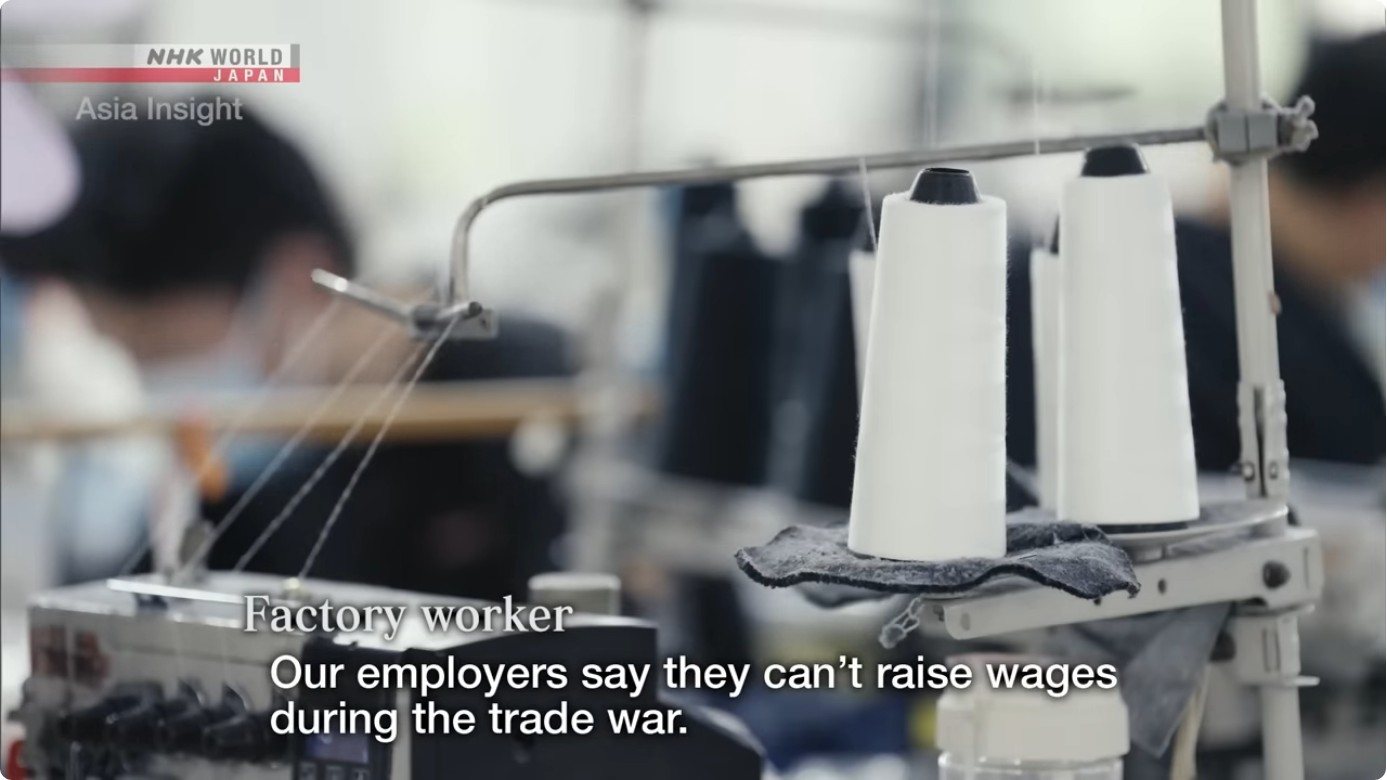
- Fabric Palette & Texture: Heavyweight, natural-feeling fabrics dominate. Think brushed cotton (for hoodies and sweatpants), herringbone twill (for cargo pants and jackets), and substantial jersey for t-shirts. Colors are drawn from the alpine landscape: forest greens, deep browns, burgundy, cream, and charcoal. Loden green, a muted olive-grey, is a classic reference point.
- Patterns: Plaid (often a small to medium windowpane or tartan) and solid grounds are most common. The pattern should feel intentional and rustic, not overly bright or synthetic.
- Trims & Details: This is where heritage cues are most pronounced. Look for:
- Embroidery: Small, tasteful alpine motifs (edelweiss, deer, pine cones), initials, or brand logos stitched on chests, cuffs, or pockets.
- Corduroy or Leather Accents: On pockets, collar stands, or elbow patches.
- Metal Hardware: Antique brass or gunmetal snaps, zippers, and toggles instead of plastic.
- Rib Knits: Often in a contrasting color or a two-tone “pepper” pattern on cuffs and hems.
- Silhouettes: Fits tend to be relaxed or regular, with an emphasis on layering capability. Cargo pockets, stand-up collars, and slightly longer cuts are frequent features.
When sourcing, you must specify these elements precisely. A vague request for “a Bavarian look” will result in inconsistent outcomes. Reference images, tech pack annotations for stitch types (e.g., “chainstitch embroidery”), and fabric swatches are non-negotiable.
Primary Use Cases and Target Buyers
This style transcends a single sport. Its strength is in lifestyle, casual team wear, and experiential branding. Understanding who buys it informs your material and construction choices.
| Buyer Profile | Primary Use Case | Key Sourcing Priorities |
|---|---|---|
| Lifestyle/Fashion Brands | Seasonal collections, “alpine-core” or “mountain life” themed drops. | Unique design execution, brand storytelling through trims, premium fabric feel, smaller MOQs for flexibility. |
| Gyms & Outdoor Fitness Groups | Team uniforms, member apparel, branding for “mud runs” or alpine-themed challenges. | Durability, moisture management (even in heavier fabrics), cost-effectiveness, easy branding zones (e.g., left chest). |
| Sports Teams & Clubs | Fanwear (hoodies, jackets), travel gear, off-field casualwear. | Clear team color integration, robust construction for frequent wash, large-quantity pricing. |
| Hospitality & Event Companies | Staff uniforms for mountain resorts, Bavarian-themed festivals, or rustic hotels. | Professional yet thematic appearance, wrinkle resistance, fabric opacity (for layering), straightforward logo placement. |
This segmentation matters to your factory. A gym’s priority is cost and durability; a fashion brand’s is uniqueness and feel. Communicating your end-use is a critical part of the specification.
Critical Sourcing and Production Considerations
Sourcing this niche style involves navigating tradeoffs between authenticity, cost, and production feasibility. Here’s what you must discuss with your manufacturing partner.
1. Fabric Sourcing: The Foundation of Authenticity
The fabric dictates 70% of the look and feel. Off-the-shelf athletic fleece won’t cut it. You need heavier, textural fabrics.
- Minimum Order Quantities (MOQs): Specialized fabrics like brushed cotton or herringbone twill often have higher MOQs from mills (typically 3,000-5,000 meters per color/pattern). This directly impacts your total garment MOQ. If your order is small (e.g., 500 pieces), you may be limited to the factory’s existing stock fabrics, which may not perfectly match the desired aesthetic.
- Cost vs. Performance: A 400gsm brushed cotton hoodie feels authentically “Bavarian” but is warmer and less breathable than a 280gsm performance fleece. For year-round or high-exertion use, you might need a blended fabric (e.g., cotton/polyester) that balances heft with moisture-wicking. OEKO-TEX Standard 100 certification is a valuable benchmark for fabric safety, especially for apparel worn close to the skin.
- Pattern Consistency: For plaid or tartan, ensuring the pattern matches at seams (especially on panels or pockets) requires precise cutting. This is a “cut and sew” skill that increases labor cost. Confirm the factory’s capability and ask for a marker layout (cutting plan) sample.
2. Trims and Embroidery: Where Customization Shines
This is your primary area for brand differentiation, but also a major cost driver.
- Embroidery: Alpine motifs are often multi-color and detailed. Digitizing the artwork correctly is crucial—a poor digit will look clunky. Embroidery on thick fabrics (like a heavy sweatshirt) requires the correct backing and needle type to avoid puckering. Cost is per stitch; a small, intricate logo can be more expensive than a larger, simpler one.
- Specialty Trims: Corduroy patches, antique brass zippers, and leather pulls are not standard inventory. You will typically source these through the factory or a nominated trim supplier. This creates a longer lead time and often a non-returnable MOQ on the trims themselves (e.g., 500 units of a specific antique brass snap).
3. Construction and Quality Markers
Authenticity is in the details. A cheaply made garment will betray the “heritage” claim instantly.
- Stitching: Look for double-stitched seams on high-stress areas (shoulders, crotch, pocket corners). For a rustic feel, some factories may use a chainstitch on hems, which can unravel if cut but is traditional on workwear.
- Fit and Sizing: These styles are often “classic fit” or “relaxed.” Providing a detailed fit spec sheet with points like “chest width (laid flat),” “body length from HPS,” and “sleeve length” is essential. Do not rely solely on standard size charts.
- Washing & Finishing: A garment-washed or enzyme-washed finish softens the fabric and gives a lived-in, pre-shrunk feel—highly desirable for this aesthetic. However, this adds a processing step and cost. Discuss if the factory has in-house laundry facilities or outsources it, as this affects quality control and lead time.
Preparing Your Factory Brief: A Checklist
To get an accurate quote and sample, you must provide a clear, comprehensive tech pack. Use this list to verify your brief is complete.
Related guide: Why Do People Like Soccer? How Fan Passion Drives the Sportswear Market
Factory Brief Checklist
Missing any of these will lead to back-and-forth queries, delayed samples, and unexpected costs.
Navigating Tradeoffs and Common Pitfalls
Sourcing this niche style is rewarding but fraught with specific challenges. Here’s how to think through them.
- Authenticity vs. Cost: True heritage trims (e.g., real horn buttons, specific Austrian mill fabrics) are expensive and have high MOQs. For a mainstream collection, consider high-quality alternatives: synthetic horn-look buttons, domestic mill fabrics with a similar herringbone weave. Be transparent with your customer about material choices.
- Order Quantity vs. Design Complexity: The more unique your fabric and trim combination, the higher the MOQ will be. A factory may require 2,000 units of a hoodie using a specific plaid fabric and antique brass zipper. If you only want 500, you may need to simplify: use a solid fabric or standard zipper. Create a “design pyramid” with must-have heritage elements (e.g., the plaid) and nice-to-haves (e.g., specific corduroy trim).
- Lead Time Realities: Special fabric and trim sourcing can add 4-8 weeks to a standard production timeline. A typical all-in lead time for a complex Bavarian athletic style can be 12-16 weeks from approval of tech pack and samples. Never promise a customer a delivery date until your factory confirms all materials are secured.
- The “Look” vs. Performance: Heavy, natural-feeling fabrics are not inherently high-performance. If your target user is skiing or intense hiking, you must prioritize technical attributes (water resistance, stretch, insulation) even if it means a slightly less rustic visual. The fusion is possible (e.g., a technical shell with a traditional plaid lining), but it requires advanced product development—an ODM service.
What Matters Most: Your Core Decision Framework
Before you even contact a factory, answer these three questions. They will define your entire sourcing strategy.
- What is the primary value proposition? Is it the story (heritage, authenticity) or the function (durability, warmth)? Story-driven orders can tolerate higher cost and lower performance. Function-driven orders need to meet athletic standards first.
- What is my true annual volume? Be honest. If it’s 1,000 units total, you are a buyer of existing styles, not a custom developer. You will select from a factory’s existing “Bavarian” or “heritage” catalog. If it’s 5,000+ units per style, you can justify custom fabric and trim development.
- How will the customer verify authenticity? Will they feel the fabric weight? See the embroidery detail? Or just recognize the color palette? The more tactile the authenticity, the more you must invest in material and construction quality, which controls your minimums and cost.
These answers guide whether you pursue an OEM (making an existing factory design) or ODM (co-developing a new style) path and help you set realistic expectations with stakeholders.
Summary: Key Takeaways for the Buyer
To source a successful Bavarian athletic brand product, remember this progression:
- Define the aesthetic precisely. Move beyond “looks Bavarian” to specific references: “Loden green herringbone twill cargo pants with antique brass snaps and a small embroidered edelweiss on the back pocket.”
- Prioritize your elements. Decide which design cues (fabric, pattern, trim) are non-negotiable for your brand and which are flexible to manage MOQs and cost.
- Specify end-use clearly. Tell the factory if it’s for a gym, a festival, or high-altitude hiking. This dictates durability and performance requirements.
- Invest in the tech pack. A thorough, visual tech pack is your best tool for getting accurate quotes and samples. It prevents misinterpretation and costly sampling rounds.
- Ask about material sourcing early. The factory’s ability to access or produce the specific fabrics and trims you want is the single biggest determinant of feasibility, cost, and timeline.
This niche sits at a fascinating crossroads of culture and commerce. With clear communication and a realistic understanding of production tradeoffs, you can deliver a product that feels both genuinely rooted and genuinely functional.
Ready to Develop Your Heritage-Inspired Line?
Sourcing a cohesive Bavarian athletic collection involves coordinating specialized fabrics, authentic trims, and precise construction. Our factory has experience translating heritage aesthetics into durable, custom activewear, from tech pack review and sampling to full bulk production. We help navigate fabric MOQs, trim sourcing, and quality control to ensure your vision is executed consistently.
Need custom versions of any style covered here? Our sportswear factory handles everything from tech pack review to bulk delivery. Request a sample or quote.