
The question “are soccer cleats supposed to be tight?” is a common one among players, and the answer revolves around a precise, locked-in feel for traction and ball control. But that same principle of purposeful fit applies directly to the centerpiece of the uniform: the soccer jersey. For brands, teams, and retailers sourcing custom soccer apparel, understanding jersey fit isn’t just a style preference—it’s a critical performance specification that dictates fabric choice, construction, and ultimately, customer satisfaction. A poorly fitted jersey, whether too tight or too loose, can hinder an athlete’s movement, affect moisture management, and damage your brand’s reputation for quality.
This guide translates the athlete’s need for the right fit into the buyer’s and manufacturer’s roadmap. We’ll break down what “tight” really means in the context of performance fabrics, explore the different fit categories on the market, and detail the key production considerations you must communicate to your factory to get custom soccer jerseys that perform as intended.
Quick Summary: The Fit Decision Matrix for Buyers
- Skinny/Compression Fit: Tightest cut, uses high-stretch fabrics. For elite performance, minimizes wind drag and muscle vibration. Requires precise sizing data and can limit range if not cut correctly.
- Regular/Athletic Fit: The industry standard. Allows free movement with a tailored silhouette. Balances performance and comfort for most amateur and youth markets. Most versatile for customization.
- Loose/Recreational Fit: Prioritizes comfort and airflow. Ideal for training, casual wear, or warmer climates. Less technical fabric demands; simpler construction.
Your choice depends on your end-user: a professional club, a youth academy, a corporate league, or a fashion-focused streetwear brand.
Helpful tip: The Complete Guide to Soccer Caps: Styles, Customization, and Sourcing for Brands and Teams
The Anatomy of Jersey Fit: Beyond Just Size
When sourcing custom soccer jerseys, you must move beyond basic chest and length measurements. The “fit” is defined by the garment’s cut and the fabric’s mechanical properties. A jersey made from a non-stretch polyester will feel dramatically different from one using a 4-way stretch elastane blend, even if both are labeled “size Medium.”
- Cut Pattern: This is the 2D template. A skinny fit pattern has narrower side panels, shorter sleeves, and a tapered waist. A regular fit adds room through the chest and arms. Your factory’s pattern maker is the key here; provide them with a reference garment or a detailed tech pack specifying the desired silhouette.
- Fabric Stretch & Recovery: Measured as a percentage (e.g., 10% stretch, 90% recovery). Higher stretch (often from Lycra® or Spandex) allows for a tighter “skin” fit without restricting movement because the fabric elongates and springs back. Recovery is crucial—low recovery leads to bagging after wear. For any compression-style order, you must specify minimum stretch and recovery percentages. Standards from organizations like OEKO-TEX® can guide you on safe elastane content.
- Panel Construction: Traditional jerseys use 2-3 main panels. Performance jerseys often use 4-6 or more, with gussets under the arms and at the crotch, to create a 3D shape that moves with the body. More panels generally mean better mobility but higher production cost.
Fit Profiles for Different Markets: A Buyer’s Comparison
Your target market dictates the optimal fit. Here’s a breakdown to inform your design and sourcing conversations.
| Fit Type | Primary Use Case | Key Fabric Traits | Manufacturing Note | Target Buyer Example |
|---|---|---|---|---|
| Skinny / Compression | Professional/elite match play, high-intensity training | Lightweight (130-150gsm), high 4-way stretch (15-25%), excellent moisture wicking, tight recovery | Precision cutting is critical. Seam allowance must be exact. Higher MOQs often apply due to specialized fabric sourcing. | Pro team outfitter, performance-focused brand |
| Regular / Athletic | Amateur league, youth soccer, college teams, multi-sport use | Mid-weight (150-180gsm), moderate stretch (8-12%), durable wicking, balanced comfort | Most versatile and widely available. Standard pattern making. Lower MOQs achievable. Best for first-time custom orders. | Local sports club, school outfitter, mid-tier retailer |
| Loose / Recreational | Training sessions, fan wear, casual/streetwear, hot climates | Heavier knit (180-220gsm), low/no stretch, relaxed cut, focus on durability and soft hand feel | Simpler pattern, fewer pieces. Often uses standard polyester. Cost-effective for large-volume, low-margin orders. | Fan merchandise brand, corporate wellness program, budget-conscious league |
Production & Sourcing Considerations for Custom Fit
Communicating fit requirements to your factory is a precise science. Vague terms like “athletic fit” are open to interpretation. Use this checklist when preparing your tech pack or inquiry.
The Custom Fit Specification Checklist
- Provide a Physical Reference Sample: This is the single most effective tool. Send a garment (or multiple, if you want a blend) that perfectly exemplifies your target fit. Label it clearly.
- Define Critical Measurements with Tolerances: Don’t just list chest width. Specify: “Chest (pit to pit): 52cm ± 1.5cm,” “Body length (from HPS): 75cm ± 1cm,” “Sleeve length (from shoulder): 25cm ± 0.5cm.” Tolerances account for production variance.
- State Fabric Stretch & Recovery Requirements: “Fabric must have minimum 12% stretch in both directions and 90%+ recovery after 5 wash cycles (per ASTM D2594).”
- Specify Construction Details: Number of panels, seam type (flatlock for low-profile comfort), hem finish (coverstitched vs. twin-needle), and any specific stretch tape or bonding at stress points.
- Detail the Intended Use: Is this for a 90-minute match in humid conditions? Or for a weekend tournament with mixed skill levels? The use case dictates durability vs. flexibility priorities.
Trade-Offs and Common Pitfalls
Sourcing the “perfect” fit involves navigating trade-offs. Understanding them upfront prevents costly sample revisions.
- Compromise on Mobility for Aesthetics: An extremely tight skinny fit on a non-stretch fabric will restrict movement, causing the jersey to ride up or tear at the seams. Ensure the fabric’s stretch coefficient matches the pattern’s taper.
- Ignoring Sizing Charts for Your Market: A European slim fit will run smaller than a American regular fit. Your sizing chart must be developed for your specific customer demographic, not just copied from a generic template. A fit model for a US women’s college team differs from one for an Asian men’s youth team.
- Overlooking Shrinkage: Even 2-3% shrinkage in the wash can turn a perfect regular fit into a tight one. Specify pre-shrunk fabrics or require the factory to pre-wash/ sanforize fabric before cutting.
- The One-Sample Trap: A single sample from a factory, made in a size L, may fit perfectly on their fit model. But how does the grading (scale-up to XL, XXL) hold the design? Ask for graded samples in at least two adjacent sizes to check the fit progression.
What to Communicate for Custom Soccer Jersey Orders
When approaching a manufacturer for a custom run, your initial inquiry should include these pillars of information to get an accurate quote and feasible production plan:
- Target Market & Use Case: “For a Division 3 university men’s soccer team, used for matches and training.”
- Desired Fit Profile: “Regular athletic fit with 4-way stretch. Reference sample attached [link/description].”
- Fabric Specifications (if known):strong> “150gsm polyester with 10% elastane, moisture-wicking, OEKO-TEX Standard 100 certified.” If unsure, ask the factory for recommendations based on your fit goal.
- Quantity & Logo/Design Complexity: A complex all-over sublimated print with 10 colors will have different lead times and MOQs than a simple screen-printed chest logo. These factors influence which factories can even produce your design.
- Quality Benchmarks: “Must pass 5 wash/dry cycles without significant shrinkage (>3%) or color fade (per ISO 105-B02). Seam strength must meet ASTM D1683.”
Final Sourcing Considerations: Beyond the First Order
For wholesale buyers and brands, consistency is king. A customer who buys a jersey in season one must get the same fit in season two. This requires:
- Factory Lock-In: Once you find a factory that nails your fit, strive to maintain that relationship. Pattern and block ownership is a key negotiation point—ensure you have the rights to your specific pattern.
- Fabric Mill Sourcing: The best way to guarantee fit consistency is to source the same fabric roll lot or from the same mill for repeat orders. Discuss this with your manufacturer; they may have preferred mill relationships.
- In-House or Third-Party QC: For substantial orders, invest in pre-production sample approval and mid-production quality checks. Fit is checked on a live fit model, not just on a flat table.
FAQ: Your Top Fit Questions Answered
Should I size up if I prefer a looser fit?
Not necessarily. Sizing up often results in an oversized silhouette that is too long in the body and sleeves, and baggy in the chest. It’s better to order the correct size in a “recreational fit” pattern or a jersey made from a heavier, less-stretchy fabric that naturally hangs looser.

How do I know if a factory’s “regular fit” is truly regular?
Request their standard size chart for the specific style. Compare the chest measurement (pit-to-pit) to the body length. A true athletic regular fit will have a body length roughly 2/3 of the chest measurement. If the length is significantly shorter, it’s likely a shorter, “cropped” or “skinny” cut mislabeled.
Is compression fit only for pros?
No. Many amateur players and fitness enthusiasts prefer the locked-in, secure feeling of a compression jersey for training. However, the psychological preference for a “tight” feel must be balanced with the functional need for unrestricted movement. A well-designed compression jersey should feel like a second skin, not a restriction.
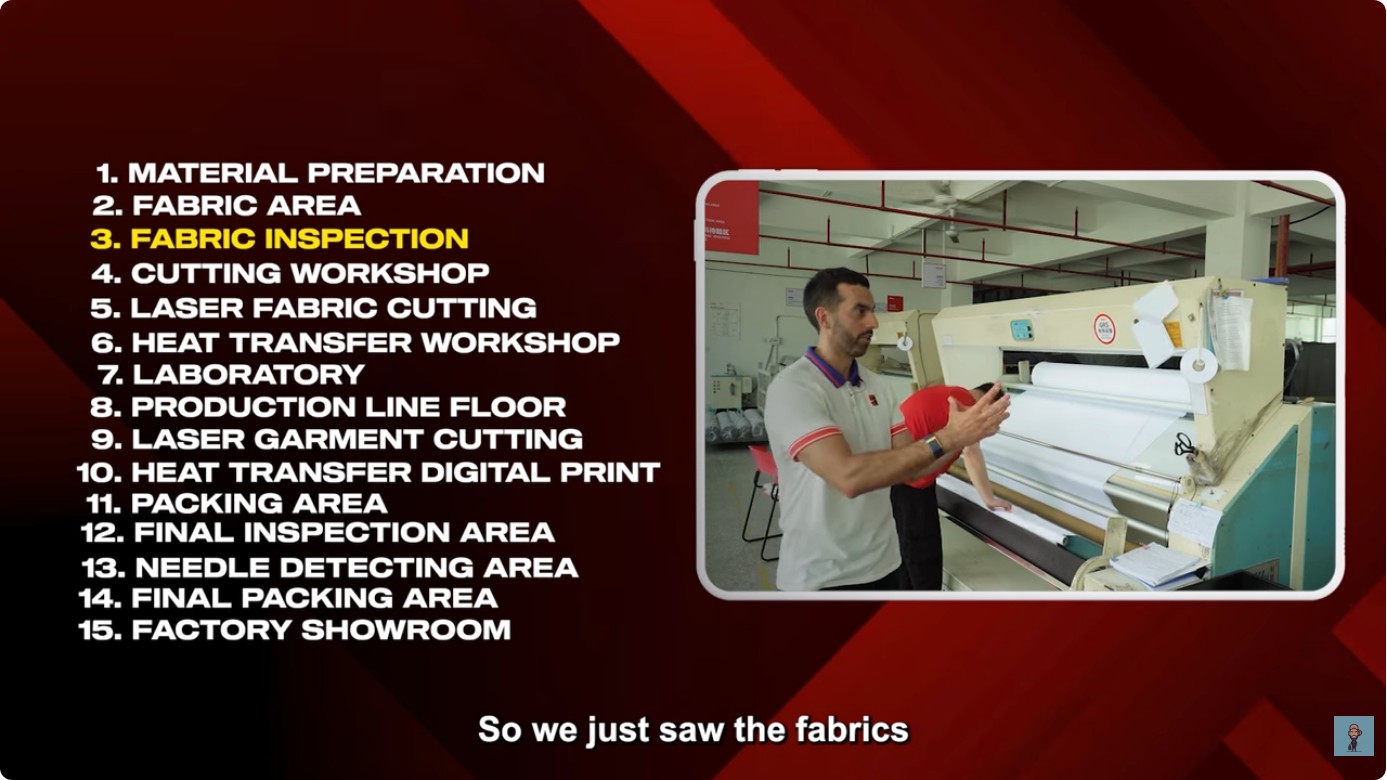
Need custom versions of any style covered here? Our sportswear factory handles everything from tech pack review to bulk delivery. Request a sample or quote.
More advice: How to Clean Satin Fabric: A Guide for Consumers and Custom Sportswear Buyers