
The iconic navy blue pinstripes on white are more than just a baseball uniform detail; they are a globally recognized symbol of heritage, discipline, and winning tradition. For brands, teams, and retailers, this pattern represents a powerful design asset that carries instant cultural weight. However, translating that iconic look into custom-manufactured apparel—whether for fan gear, athleisure lines, or team uniforms—requires a precise understanding of its specifications and production realities. This guide breaks down what makes a true Yankees pinstripe, the technical considerations for manufacturing it, and the key questions you must answer when sourcing it for your business.
For wholesale buyers and brand owners, the appeal is clear: leveraging a classic aesthetic can reduce marketing education costs and tap into a built-in emotional connection. But this comes with a responsibility to authenticity. A poorly executed pinstripe—with the wrong width, shade, or application—can cheapen your product and alienate discerning customers. This article serves as a practical framework for navigating the design, production, and sourcing of apparel featuring this specific pattern, ensuring your final product meets both aesthetic expectations and commercial requirements.
The Anatomy of an Icon: Defining Authentic Yankees Pinstripes
Before discussing production, you must define the pattern itself. “Yankees pinstripes” refer to a very specific set of visual parameters. The New York Yankees have maintained a remarkably consistent uniform aesthetic for over a century, and any credible replication starts with understanding these specs.
Core Design Specifications
Authentic Yankees pinstripes are characterized by three non-negotiable elements:
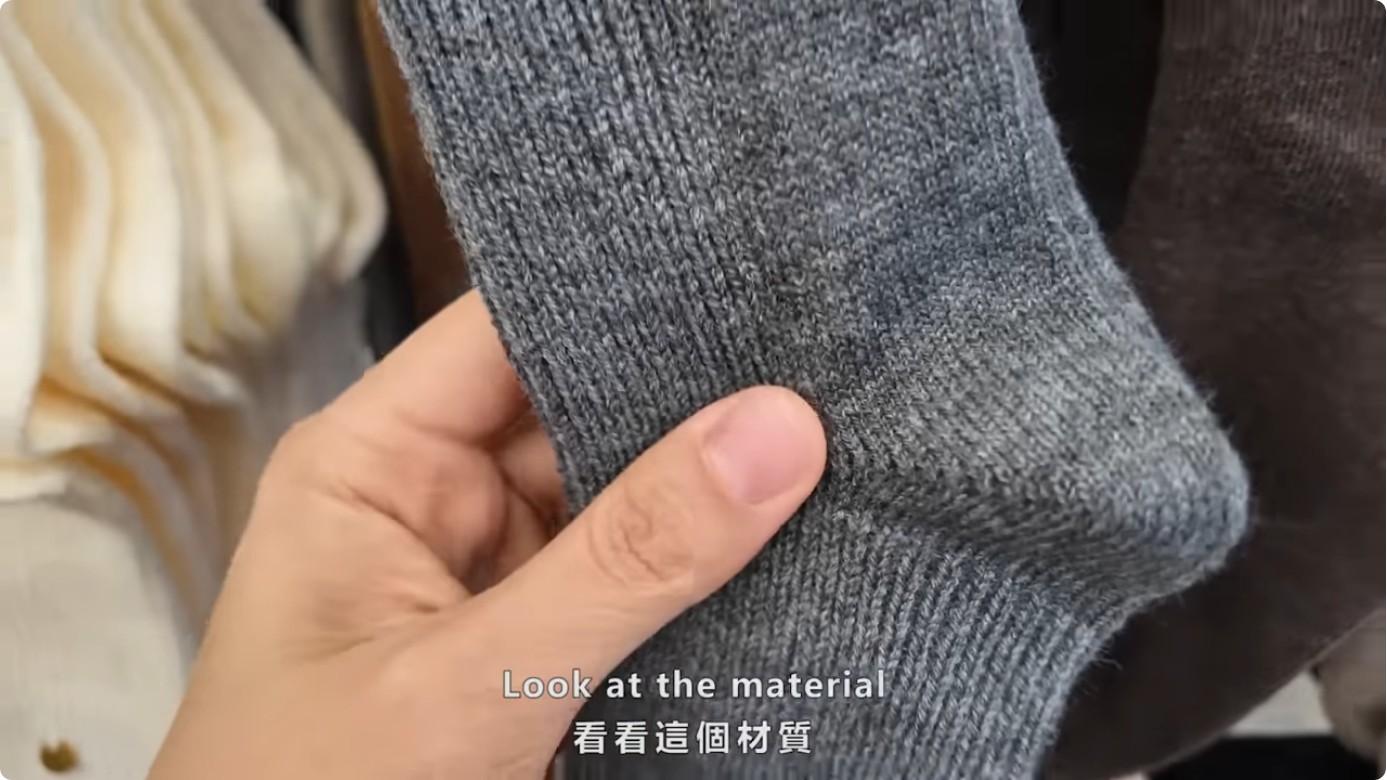
- Color: The stripes are defined as “Navy Blue” (often Pantone 282 C or a very close equivalent) on a “White” (Pantone 11-0601 TCX or similar) base. The shade of blue is a deep, rich navy, not a brighter royal or cobalt.
- Width: This is the most critical and frequently misunderstood detail. The official pinstripe is approximately 1/8 inch (3.2 mm) wide. Wider stripes (e.g., 1/4 inch) are often mistakenly called pinstripes but are technically “wide stripes” and carry a different, less traditional visual weight.
- Orientation & Spacing: The stripes run vertically, parallel to each other with consistent, even spacing. The gap between stripes is approximately equal to the stripe width itself, creating a rhythmic, uniform pattern.
Any deviation from these core specs moves your product into the realm of “inspired by” rather than “authentic,” which is a crucial distinction for marketing and customer expectations.
Production Pathways: How Pinstripes Are Made
From a manufacturing perspective, there are two primary methods for creating the pinstripe effect on apparel, each with significant implications for cost, quality, and minimum order quantities (MOQs). The choice between them is often your first major production decision.
1. Woven or Knitted-in Stripes (Yarn-Dyed)
This is the traditional, premium method where the colored yarn is dyed before the fabric is woven or knitted. The stripe is an inherent part of the fabric’s structure.
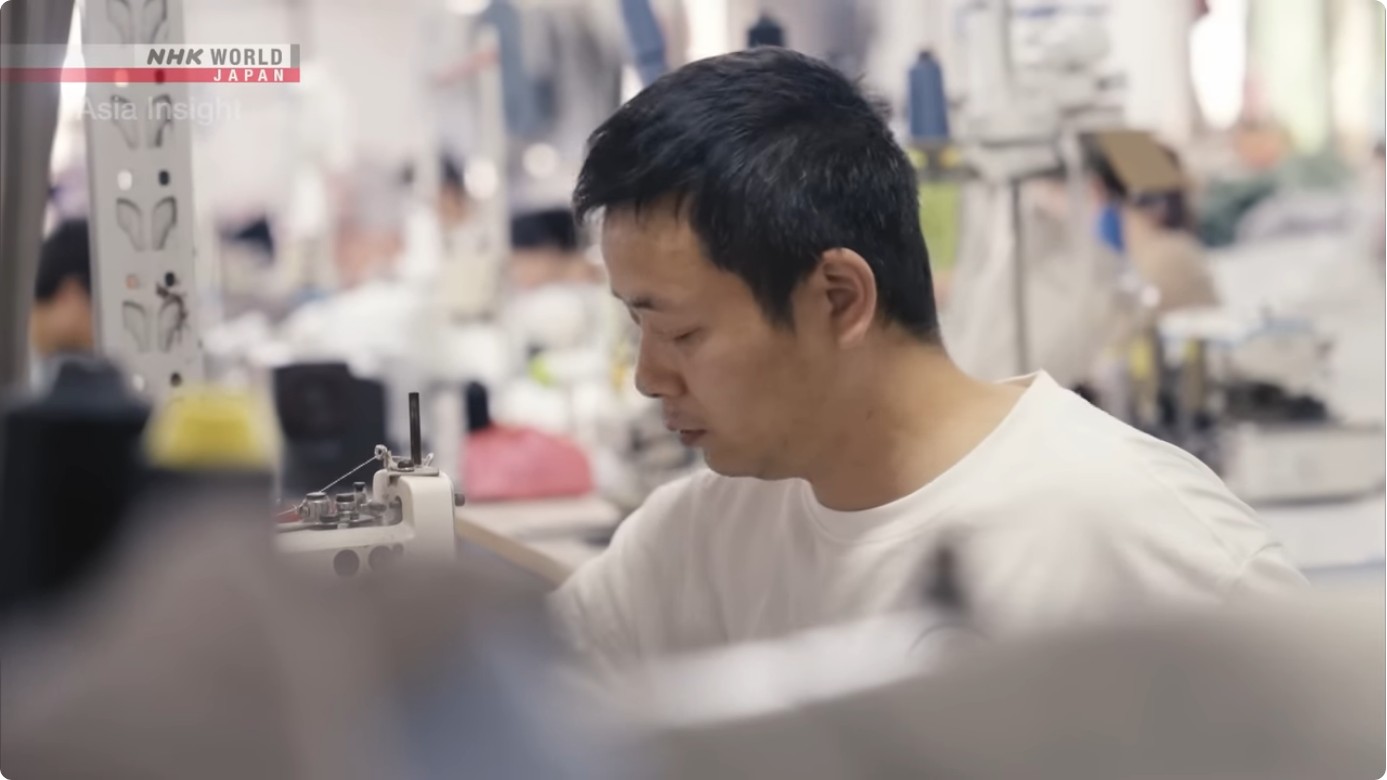
- Process: The fabric mill programs the loom or knitting machine to alternate white and navy yarns in the precise 1/8″ width and spacing pattern.
- Pros: Unmatched authenticity and durability. The pattern will never crack, fade, or peel. It looks and feels like the genuine article, even up close. Both sides of the fabric show the stripe.
- Cons: High MOQs (often 1,000+ yards per fabric run). Significant lead time (8-12+ weeks) as it requires a custom fabric order. Less flexibility for design changes once production starts.
- Best for: High-end replica jerseys, premium fan apparel, and brands positioning themselves on authenticity and quality.
2. Printed Stripes
This method involves printing the navy stripes onto a pre-made white fabric using screen printing, digital printing (DTG), or heat transfer.

- Process: A white base fabric (typically jersey, polyester, or cotton blend) is fed through a printer where the stripe pattern is applied.
- Pros: Lower MOQs (can be as low as 50-100 pieces for some digital methods). Faster turnaround. Allows for more design experimentation (e.g., placing stripes only on sleeves, combining with other prints).
- Cons: Durability concerns. Prints can crack, fade, or feel like a plastic layer on the fabric, especially with lower-quality plastisol inks. Often only visible on one side. Achieving a sharp, consistent 1/8″ line requires high-quality equipment and skilled operators.
- Best for: Fashion-forward collections, casual t-shirts, lower-cost fan gear, and prototypes where flexibility is key.
| Factor | Woven/Yarn-Dyed | Printed |
|---|---|---|
| Authenticity & Feel | Excellent. Integral to fabric. | Good to Fair. Can feel like a surface layer. |
| Durability | Exceptional. Lasts garment lifetime. | Variable. Depends on ink & wash care. |
| MOQ | High (1,000+ yds) | Low (50+ pcs possible) |
| Lead Time | Long (8-12+ wks) | Short (2-4 wks) |
| Cost Per Unit | Higher (fabric cost) | Lower (standard fabric + print) |
| Design Flexibility | Low. Fixed pattern. | High. Can modify placement, add graphics. |
Fabric & Fit: The Foundation of Your Pinstripe Product
Choosing the right base fabric is as important as the stripe method. The Yankees’ classic look is achieved on a traditional baseball jersey knit, but your application may differ.
- For Authentic Replica Jerseys: A heavyweight, breathable double-knit polyester or polyester-cotton blend is standard. It has a slight texture and substantial feel. Look for a fabric weight of 8-10 oz/yd².
- For Casual T-Shirts & Hoodies: A soft cotton jersey (for a vintage feel) or a cotton-polyester fleece (for hoodies) works well. The pinstripe will have a different drape and texture than on a performance knit.
- For Performance Activewear: A lightweight, moisture-wicking polyester mesh or interlock is suitable. Here, printed pinstripes are almost exclusively used due to fabric constraints.
Critical Note: The color of your white base fabric matters. It must be a true, bright white (often called “optic white”) to contrast correctly with the navy. A warm, off-white or heather grey base will mute the navy stripe and look incorrect. Always request a pre-production fabric swatch (a “lab dip”) from your manufacturer to verify color matching against a Pantone reference.
Also read: The Complete Guide to Cut-Off Sleeve Hoodies: Style, Sourcing, and Custom Manufacturing
Customization & Brand Adaptation: Beyond Direct Replication
Most B2B buyers aren’t making exact Yankees replicas (which require official MLB licensing). They are adapting the aesthetic principle for their own brand. This is where OEM and ODM services become vital.
- OEM (Original Equipment Manufacturing): You provide the complete design: the exact stripe width, color Pantone, fabric choice, and garment cut (e.g., a classic crewneck t-shirt pattern). The factory executes it. This is ideal if you have a clear, fixed vision.
- ODM (Original Design Manufacturing): You provide a concept (e.g., “a modern athleisure tracksuit with subtle pinstripes”), and the factory’s design team proposes patterns, fabric options, and construction details. This is valuable for brands without in-house technical designers.
Common customization levers include:
- Stripe Placement: Full-body stripes, stripes only on sleeves, side panels, or as a subtle accent on collar and cuffs.
- Scale Variation: Some brands successfully use a slightly wider stripe (e.g., 3/16″) for a bolder, contemporary statement while retaining the vertical orientation.
- Color Substitution: Replacing navy with black, grey, or a brand-specific color while keeping the 1/8″ width and vertical orientation. This creates a “pinstripe family” look without direct association.
- Fabric Pairing: Contrasting the stripe texture by using a heather fabric, a ribbed knit, or even a camouflage base with a tonal stripe.
The Buyer’s Sourcing Checklist: Questions to Ask Your Factory
To avoid costly mistakes, you must communicate precise requirements. Use this checklist when vetting and instructing a manufacturing partner.
- Stripe Specification: “Can you produce fabric with a 1/8 inch (3.2mm) wide navy pinstripe on a white base? What is the exact Pantone color you will match? Can you provide a woven fabric sample with the stripe, not just a printed patch?”
- Method Confirmation: “Will this be a yarn-dyed woven/knit stripe or printed? If printed, what ink type (water-based, plastisol) and what is the expected durability (ISO 105-X12 rub test rating)?”
- Fabric Details: “What is the fabric composition, weight, and origin? Can you provide a pre-production swatch of the base fabric and the striped fabric for approval?”
- MOQ & Lead Time: “What is the MOQ for custom striped fabric versus using your stock striped fabric? What is the total lead time from fabric order to finished goods?”
- Quality Control: “How do you inspect stripe alignment and color consistency? What is your policy if the first sample fails on stripe width or color?”
- Licensing Reality: “I understand we cannot use the ‘NY’ logo or any Yankees trademarks. We are replicating the *geometric pattern* only. Does your design team have experience creating legally distinct patterns inspired by this aesthetic?”
Factories with experience in licensed sports apparel will understand these parameters immediately. Be wary of any that dismiss questions about stripe width as “close enough.” Precision is the hallmark of this pattern.
Tradeoffs and Strategic Considerations
Sourcing pinstripe apparel involves balancing several competing factors. Your decision tree might look like this:
- Authenticity vs. Cost: Woven stripes are authentic but expensive and inflexible. Printed stripes are cost-effective but less durable. Your product’s price point and claimed quality level should dictate the method.
- MOQ vs. Flexibility: High MOQs lock you into a design and inventory risk. Low-MOQ printing allows for market testing but may have a higher per-unit cost and inferior feel. Consider a hybrid: use printed stripes for your initial 500-unit launch, then move to woven fabric for bestsellers if volume justifies it.
- Lead Time vs. Trend Cycle: Woven fabric requires planning 4+ months ahead. If you’re reacting to a trend, printed is your only viable option. Plan accordingly.
- Brand Positioning: A luxury streetwear brand selling a $120 pinstripe hoodie must use a high-quality woven or impeccably printed stripe. A $25 fan t-shirt at a sporting goods store can likely use a standard print. Let your target retail price guide your production spec.
Final Thoughts: Making the Right Call for Your Business
The New York Yankees pinstripe is a deceptively simple design that demands serious technical consideration in production. Your path forward depends on your answers to three core questions: 1) What is my product’s price point and quality claim? 2) What is my required order volume and timeline? 3) How literal must my interpretation of the pattern be? For a startup brand testing the market, low-MOQ digital printing on a quality cotton tee is a smart start. For an established retailer ordering uniforms for a corporate softball league, a stock polyester pinstripe fabric from a reliable mill may be the most efficient route. For a premium athletic label, investing in a custom yarn-dyed fabric is non-negotiable for credibility. Articulate these priorities clearly to your manufacturing partner—they are the experts who can then navigate the tradeoffs and deliver a product where the iconic pattern enhances, rather than defines, your brand’s value.
Ready to Produce Your Pinstripe Collection?
Whether you’re a startup brand or an established retailer, we manufacture custom sportswear at competitive MOQs. Reach out to start your project.