
For anyone in the business of sports apparel, the number of Premier League teams based in London is more than a trivia fact—it’s a direct indicator of market size, fan segmentation, and sourcing complexity. As of the 2023-2024 season, there are six clubs based in London competing in the Premier League: Arsenal, Brentford, Chelsea, Crystal Palace, Tottenham Hotspur, and West Ham United. This figure is not static; it fluctuates each season with promotion and relegation, meaning the landscape for licensed merchandise and custom team apparel is constantly in motion. For wholesalers, brands, and manufacturers, this dynamic creates both opportunity and operational challenge.
This article moves beyond the simple count to explore what London’s Premier League ecosystem means for your custom sportswear procurement strategy. We will break down the specific considerations for each club’s apparel, navigate the critical world of licensing, and provide a practical framework for sourcing everything from official replica kits to unbranded training wear inspired by London’s football culture. Whether you’re a retailer ordering licensed jerseys or a gym designing a custom tracksuit, understanding this market is key to a successful product line.
Why London’s Premier League Clustering Matters for Apparel Buyers
London’s concentration of top-flight clubs makes it a unique case study in sports merchandising. It represents one of the highest densities of valuable football brands in a single metropolitan area. For a sportswear buyer, this has several direct implications:
You may also like: The Complete Guide to Organic French Terry Fabric: From Fiber to Final Garment
- Market Saturation & Competition: Six clubs mean six distinct fan bases, but also intense competition for retail space and consumer attention. Differentiating your product offering is crucial.
- Licensing Hub: The collective licensing rights for these clubs are managed by the Premier League and individual club commercial departments, often involving major global licensees like Nike, Adidas, and Castore. Navigating this web is the first step for any official merchandise.
- Logistical & Production Focus: The UK, and London specifically, hosts numerous flagship stores and distribution centers. Sourcing production locally vs. internationally impacts lead times, costs, and quality control for custom runs.
For brands outside the UK, London’s clubs offer a gateway to a global audience. A well-executed custom product for one of these teams can have international appeal, but it requires a manufacturer who understands both the technical specifications of modern football apparel and the legalities of brand usage.
The Licensing Imperative: Official vs. Inspired
The single most important distinction for any buyer is whether your product requires an official license. Official licensed merchandise (replica shirts, training tops with club badges) requires a formal agreement with the club’s licensing agent. Unauthorized production is a legal risk. Inspired or unbranded apparel (e.g., a generic navy blue tracksuit with a custom local gym logo) avoids licensing but must be careful not to infringe on registered designs or create consumer confusion. A reputable OEM/ODM factory will advise you on this boundary and can produce both types under clear agreements.
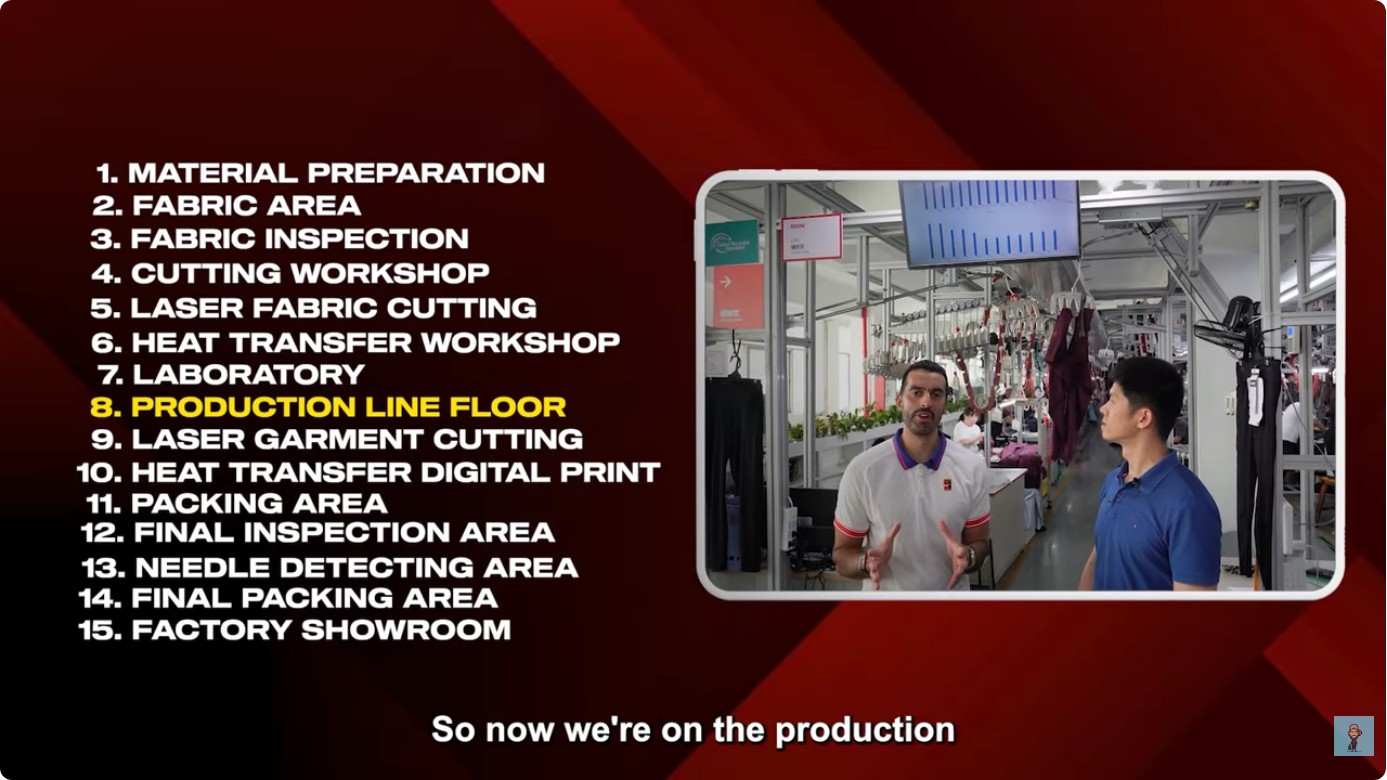
For official goods, the supply chain is typically controlled: the club sells rights to a master licensee (e.g., Adidas for Arsenal), who then sub-licenses to manufacturers and distributors. As a B2B buyer, you often enter this chain through authorized distributors. For custom team wear for a local amateur club named “London FC,” you have full creative freedom, but you should still work with a factory experienced in performance football aesthetics to ensure the look and feel meet player expectations.
Current London Premier League Clubs: Apparel Sourcing Snapshots
Each club has a distinct brand identity, color palette, and commercial strategy that influences its apparel range. Here is a practical overview for a sourcing manager.
| Club | Primary Colors | Current Kit Manufacturer | Key Sourcing Considerations |
|---|---|---|---|
| Arsenal | Red & White | Adidas | High global demand. Strict licensing. Strong secondary market for retro and casualwear. Custom orders for fan groups must avoid official badge/pattern replication. |
| Chelsea | Blue | Nike | Premium brand positioning. Significant demand for lifestyle and training ranges. Large international fan base requires scalable production planning. |
| Tottenham Hotspur | White & Navy | Nike | Aggressive expansion in North America/Asia. High volume of special edition and tech-focused training apparel. Opportunities for co-branded casual pieces. |
| West Ham United | Claret & Blue | Umbro | Strong local (East London) identity. Potential for community-focused, non-licensed custom apparel (e.g., “East London” themed). |
| Crystal Palace | Red & Blue | Macron | Known for bold, stripe-centric designs. Niche but passionate fan base. Opportunities for distinctive, design-forward custom pieces inspired by their aesthetic. |
| Brentford | Red & White | Adidas | Rapidly growing brand. “Honeycomb” pattern is a key design identifier. Early-stage licensing may offer different partnership opportunities than older clubs. |
The Relegation/Promotion Wildcard
A critical, often overlooked factor: a club’s league status changes annually. Crystal Palace and Brentford, for example, were not in the Premier League a decade ago. This volatility affects:
- Licensing Value: Premier League status exponentially increases the commercial value and strictness of licensing.
- Design Archives: A factory producing custom apparel for a Championship (second-tier) club can use current season designs more freely than for a Premier League club, where designs are closely guarded until launch.
- Inventory Risk: For retailers, stocking apparel for a club at risk of relegation carries financial risk. A custom manufacturer can offer shorter, more agile MOQs to mitigate this for your business.
Custom Sportswear Production: From Tech Pack to Delivery
Sourcing custom apparel for London football culture, whether licensed or inspired, follows a standard OEM/ODM process. Here is a checklist for what you, as the buyer, must prepare and communicate.
1. Define Your Product & Audience
Are you producing:
- Performance Team Wear: For an amateur/semi-pro team? Focus on fabric moisture-wicking, durability, and fit. AATCC testing standards for colorfastness and pilling are relevant.
- Lifestyle/Casual Wear: Hoodies, t-shirts for retail. Emphasis on print quality, fabric hand-feel, and on-trend design.
- Official Replica Kits: Requires licensed factory access. You are largely buying into a pre-existing design and specification.
2. The Essential Tech Pack
This is your single most important document. A complete tech pack for a factory must include:
Helpful tip: Raw Hem Shirts: Custom Manufacturing Guide for Brands & Buyers
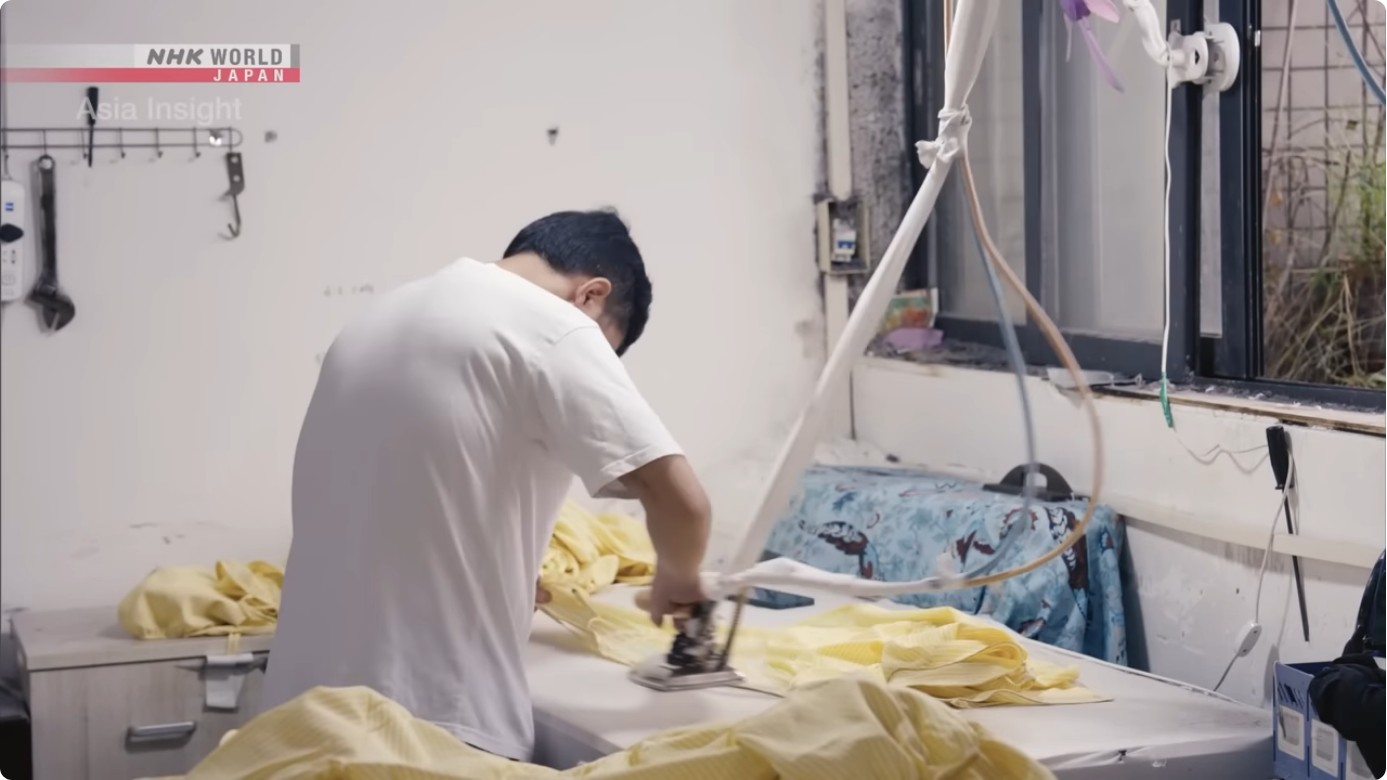
- Detailed garment specs (measurements, weight, fabric composition – e.g., 100% polyester, 180gsm)
- Artwork in vector format (logos, badges, patterns). For licensed work, you will provide approved artwork from the licensee.
- Color references (Pantone codes are standard).
- Label and hangtag requirements (care instructions, country of origin).
- Quantities per size/color (the production run).
For ODM projects, where the factory designs based on your concept, your tech pack should include mood boards, competitor analysis, and clear performance requirements.
3. Navigating Minimum Order Quantities (MOQs)
MOQs vary dramatically:
- Standard Cut-Make-Trim (CMT): Typically 500-1000 pieces per style/color for basic items. Lower for complex performance wear.
- All-Over Sublimation Print: Often higher MOQs (1000+) due to fabric and printer setup costs.
- Sampling: Expect to pay 3-5x unit cost for a single sample. A good factory will use the sample to finalize the tech pack before bulk production.
Decision Point: For a new brand testing the market with several London club-inspired designs, seek a factory with low MOQ capabilities, even if unit cost is higher. For a large retailer ordering licensed Chelsea training gear, you will meet the licensee’s often substantial volume thresholds.
4. Quality Markers to Specify
Do not just ask for “good quality.” Specify:
- Stitch Count & Seam Types: Critical for durable sportswear. Flatlock seams for performance, double-stitched for heavy casualwear.
- Print Method: Screen printing (cost-effective for simple logos), DTG (good for small runs, photo-quality), heat transfer (for intricate designs on synthetics). Each has durability and feel differences.
- Fabric Certifications: Request compliance with OEKO-TEX Standard 100 for有害化学物质 absence, or specific performance certifications (e.g., UPF 50+).
OEM vs. ODM: Which Model Fits Your London Football Project?
This is a fundamental choice in custom manufacturing.
- OEM (Original Equipment Manufacturer): You provide the complete design and specs. The factory executes. Ideal if you have an in-house design team and clear vision. Common for licensed goods where the design is owned by the club/licensee.
- ODM (Original Design Manufacturer): You provide a concept or mood board. The factory’s design team proposes garment styles, fabrics, and constructions. Ideal for new brands or buyers without deep technical design knowledge. You can select from the factory’s catalog of proven styles and adapt them (e.g., “make this hoodie in Arsenal red with a custom chest logo”).
| Factor | OEM | ODM |
|---|---|---|
| Control | High (you own all IP) | Shared (factory contributes design IP) |
| Development Time | Longer (you must develop from scratch) | Shorter (leverages existing style library) |
| Cost Structure | Higher upfront design cost, potentially lower unit cost at high volume | Lower upfront cost, unit cost includes design amortization |
| Best For | Established brands, licensed merchandise, unique technical specs | Startups, retailers testing new categories, buyers needing full-service development |
Critical Questions Before You Commit to a Factory
Vet potential manufacturing partners with this checklist:
- Do they have experience with football/athletic apparel? Ask for samples of moisture-wicking fabrics, bonded seams, and performance prints.
- Can they handle both licensed and unbranded work in the same facility? Some factories separate these lines to avoid IP contamination.
- What is their audit status? Do they have BSCI, WRAP, or ISO certifications? For major retailers, this is non-negotiable.
- What is their policy on design ownership in an ODM model? Ensure you have clear, written agreements on who owns the final garment design and molds/patterns.
- What are their typical lead times from approval to shipment? For football, timing is tied to the season (launch kits before August). Add 4-6 weeks buffer for international shipping and customs.
- Do they offer post-production support? Can they handle minor size run adjustments, re-labeling for different markets, or coordinated packaging?
Conclusion: Your Next Move in the London Football Apparel Market
The presence of six Premier League clubs in London creates a vibrant but complex target for custom sportswear. Success hinges on three pillars: absolute clarity on licensing requirements, a precise and professional tech pack, and a manufacturing partner with specific football apparel expertise. Whether you’re launching a capsule collection of Brentford-inspired streetwear or supplying a localWest Ham supporters’ club with custom scarves, the process is the same: define, specify, validate, produce.
Ready to Source Your London Football-Inspired Collection?
Navigating licensing, fabric selection, and factory vetting is a specialized task. Our sportswear factory specializes in both OEM and ODM production for the global football and activewear market. We translate your vision—from a licensed Arsenal jersey to an unbranded “London Football” training range—into a production-ready reality, handling everything from tech pack refinement to bulk delivery.
Need custom versions of any style covered here? Our sportswear factory handles everything from tech pack review to bulk delivery. Request a sample or quote.
You may also like: The Loose T-Shirt: Style Guide & Custom Manufacturing Blueprint