
Polyester jersey is the workhorse of modern sportswear and casual apparel. Its moisture-wicking properties, durability, and smooth hand feel make it a top choice for everything from performance t-shirts and basketball uniforms to fashion-forward Basics. However, one of its defining characteristics—its resistance to shrinking—can also be a major point of frustration. Unlike 100% cotton, you can’t simply toss a polyester jersey into a hot dryer and expect a reliably smaller fit. Understanding how to shrink polyester jersey, and more importantly, how to control that process, is critical for brands, gyms, and teams sourcing custom apparel. This guide cuts through the DIY myths to provide actionable insights for buyers and manufacturers alike.
For the end consumer, the goal is often to salvage an oversized garment. For the B2B buyer or brand owner, the conversation is fundamentally different. It’s about specifying the correct fabric finish and construction before production begins to achieve the intended fit, avoiding costly reworks or customer returns. This article bridges that gap, explaining the science of polyester shrinkage and translating it into practical sourcing decisions, production parameters, and clear communication points for your factory partner.
What Matters Most: The Buyer’s Core Decision
Before diving into methods, shift the perspective. For custom sportswear sourcing, the goal isn’t to learn how to shrink a garment after it’s made—it’s to specify the desired fit during the design and sampling phase. The core decision revolves around this question: Do you want a garment that is pre-shrunk to standard dimensions (with minimal change after wash), or one that is intentionally constructed to allow for controlled, predictable shrinkage?
This upfront choice dictates your fabric selection, construction details, and quality control checkpoints. Attempting to shrink finished, branded custom garments at home is a high-risk, uncontrolled process that can ruin logos, cause uneven shrinkage, and void any quality guarantees from your manufacturer. For B2B orders, controlling shrinkage is a pre-production task.
Understanding Polyester Jersey: Why It Doesn’t Shrink Like Cotton
The Science of Synthetic Fibers
Cotton is a natural, hydrophilic (water-loving) fiber that swells and relaxes when heated and agitated, leading to shrinkage. Polyester is a synthetic, hydrophobic (water-fearing) thermoplastic. Its molecular structure is set during the extrusion and weaving/knitting process. To alter its dimensions, you must apply enough heat and moisture to force the polymer chains to relax and then re-set them in a new, tighter configuration—a process called thermal relaxation. This is not easily achieved in a standard home washer and dryer, which is why polyester jersey is labeled “machine wash cold, tumble dry low“—to prevent accidental, uncontrolled shrinkage that would distort the garment.
Fabric Finish: The Key to Your Starting Point
Not all polyester jerseys are created equal. The fabric’s finish is the single most important factor determining its shrink potential.
- Standard/Relaxed Jersey: This is the most common and cost-effective fabric. It has undergone minimal heat-setting after knitting. It has the highest potential for shrinkage (typically 3-8%) if exposed to high heat and moisture. It’s often used for budget-friendly basics but requires careful handling.
- Sanforized® or Pre-Shrunk Jersey: This fabric has been mechanically or thermally treated to force most of its potential shrinkage out before it is cut and sewn. The result is a stable fabric with minimal shrink (<1-2%). This is the industry standard for most performance apparel where consistent sizing is critical. Most reputable sportswear OEMs will default to pre-shrunk jersey unless specified otherwise.
- Heat-Set Jersey: A more aggressive thermal treatment that locks the fabric’s structure even further. Shrinkage is negligible (<0.5%). Used for high-performance garments where dimensional stability is paramount, such as for compression wear or sublimation-printed team uniforms.
Methods for Shrinking Polyester Jersey: From Home to Factory
While the DIY approach is relevant for consumers, understanding these methods is crucial for buyers to communicate needs and evaluate factory capabilities.
The Controlled Industrial Process
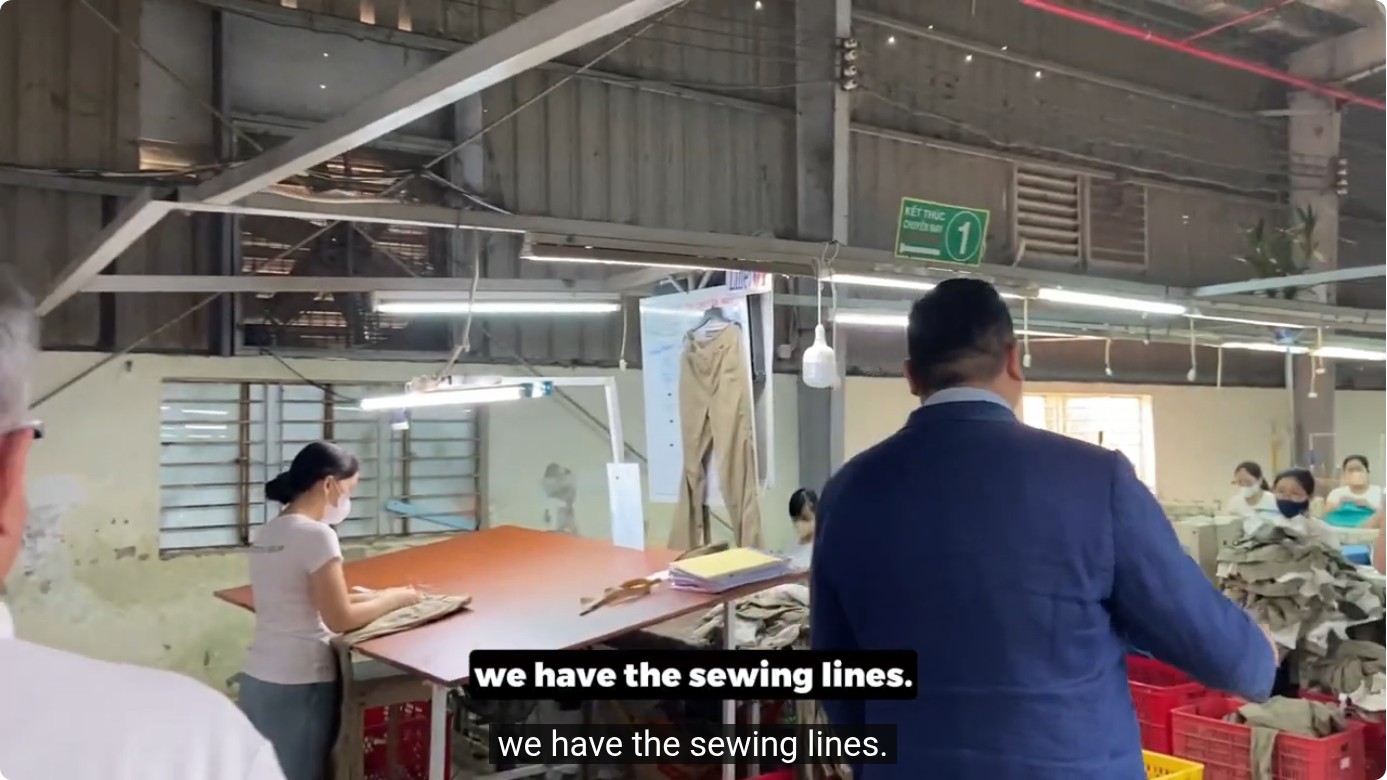
A professional garment factory doesn’t guess. They use a controlled, repeatable process often called a garment wash or final shrinkage treatment. Here’s how it works at scale:
- Wash Cycle: Garments are washed in hot water (typically 60-70°C / 140-158°F) with industrial detergents and mild agitation. The temperature and time are precisely calibrated based on the fabric’s known shrinkage rate (provided by the fabric mill).
- Extraction & Drying: Water is extracted, and garments are dried in large tumble dryers at a specific, high temperature.
- Cool Down & Measurement: Garments are allowed to cool and stabilize, then measured against a master pattern. This measurement is the final, post-wash spec. The factory must communicate this spec clearly to the buyer.
Trade-off: This adds cost, time, and an extra production step. It’s typically only done for specific styles or when a brand’s size chart explicitly calls for a “washed” fit. For most bulk orders, specifying a pre-shrunk fabric is more efficient.
The DIY Consumer Method (For Context Only)
For a one-off consumer item, the process involves high heat and moisture. The most common method is a long, hot wash cycle followed by a high-heat tumble dry. Some use a steam iron on the garment (inside-out, with a cloth barrier) for targeted shrinking. However, this is highly unpredictable. Results vary wildly based on the specific fabric’s finish, garment construction (side seams vs. tubular), and the exact machine settings. It can easily lead to puckering, logo damage (heat transfer vinyl will melt, screen prints may crack), and a garment that is too small in some areas and not in others.
Sourcing & Production Considerations for B2B Buyers
Your communication with the factory is everything. Here is a checklist for your initial inquiry and tech pack.
1. Define the Target Fit & Sizing Spec
Provide a detailed size chart with measurements (chest, body length, sleeve) for each size. Crucially, state whether these measurements are for a pre-wash (“green” or “cut & sewn”) garment or a post-wash garment. If you want a fitted look, specify the desired post-wash measurements. An experienced OEM will then recommend the appropriate fabric finish and whether a garment wash is necessary.
Helpful tip: Sourcing Activewear with a Club Monaco Aesthetic: A Guide for Brands and Buyers
2. Specify Fabric Requirements in Your Tech Pack
Beyond fiber content (e.g., 100% Polyester, 92% Poly/8% Spandex), include:
– Fabric Weight: e.g., 180 GSM (grams per square meter). Lighter fabrics shrink more noticeably.
– Finish: “Pre-shrunk,” “Sanforized,” or “Standard Relaxed.”
– Construction: “Tubular” (no side seams) can shrink more evenly than “side-seamed.”
– Any Relevant Standards: e.g., fabric should meet OEKO-TEX® Standard 100 for safety.
3. Understand MOQ Implications
Ordering a pre-shrunk, high-quality jersey from a premium mill often has a higher minimum order quantity (MOQ) than a standard relaxed jersey. Additionally, if you require a factory to perform a garment wash on your order, this is an extra process that may increase the MOQ or lead time. Discuss these trade-offs with your manufacturer. For a startup brand, using a reliable pre-shrunk fabric may be more cost-effective than managing a separate wash step.
4. Prototype and Test
Always order a fit sample (a “first sample” or “pre-production sample”) made with your exact chosen fabric. Wash this sample yourself according to your intended customer care instructions (cold wash, tumble dry low). Measure it before and after. Does it meet your post-wash spec? This is your only chance to fix fit issues before committing to full production. A good factory will encourage this step.
Scenario Comparison: Specifying Fit for Different Buyers
The right approach depends entirely on your business model.
| Buyer Type | Primary Concern | Recommended Fabric/Spec Approach | Key Question to Ask Factory |
|---|---|---|---|
| Fashion Brand | Exact, trendy fit (oversized, fitted) | Specify precise post-wash measurements. May use standard relaxed jersey + controlled garment wash to hit exact target. | “Can you provide your standard shrinkage rate for this fabric, and what is the cost/lead-time impact of a final garment wash to achieve our specific measurements?” |
| Sports Team / Gym | Consistency, durability, no shrinkage after first wash | Insist on pre-shrunk (Sanforized®) jersey. Simpler, more predictable. | “Is this fabric pre-shrunk? What is the guaranteed maximum shrinkage percentage after a standard home wash?” |
| Corporate/Retail Bulk Buyer | Cost control, minimal variance across large sizes | Standard pre-shrunk jersey. Avoid custom wash steps to keep MOQ and cost low. | “What is your standard size chart for this style based on a pre-shrunk fabric? Can we adopt it to avoid custom sampling costs?” |
Final Takeaway: Control the Process, Not the Outcome
For anyone sourcing custom polyester jersey apparel, the mantra is: Specify the finish, don’t chase the shrinkage. Relying on post-production shrinking is a gamble that compromises quality and branding. Instead, engage your manufacturing partner in a technical discussion about fabric finishes, construction, and pre-wash vs. post-wash specs. Provide a clear tech pack, order and test a sample, and lock in the final measurements before production. This proactive approach ensures your custom sportswear fits your customers perfectly from the first wear, protecting your brand’s reputation and your bottom line.
Frequently Asked Questions
Can I just ask my factory to use a smaller pattern to account for shrinkage?
Yes, and this is common practice. Factories will add a “shrinkage allowance” to the pattern based on the fabric’s expected shrink rate. However, this only works reliably if the fabric’s shrink rate is consistent and known (as with pre-shrunk fabrics). With standard jersey, the variation can be too high, making this method risky.
What’s the biggest risk of trying to shrink custom-printed polyester jerseys at home?
Irreversible damage to the print. Heat transfer vinyl (HTV) will melt and peel. Sublimation prints are generally heat-resistant but can still distort under extreme agitation. Screen prints can crack. Never attempt to shrink custom-branded garments yourself.
Is there a way to make a pre-shrunk jersey slightly smaller?
A very small, targeted adjustment is possible with careful, high-heat ironing on a low setting with a press cloth, but it’s still risky. For a significant size reduction, the garment would need to be redesigned and remade with a smaller pattern from the start.
Whether you’re a startup brand or an established retailer, we manufacture custom sportswear at competitive MOQs. Reach out to start your project.
[…] a permanent shiny scar. That’s why any protocol must ban heat. As we covered in our guide to how to shrink polyester jersey, heat is a double-edged sword—useful for intentional sizing but ruinous for surface […]