
For anyone involved in equipping a soccer team—whether a club manager, league organizer, sports brand owner, or wholesale buyer—the question “how many games are in a season?” is far more than a scheduling detail. It is a foundational variable that dictates inventory planning, budget allocation, and the technical specifications of the custom sportswear you need to produce. A misjudgment here can lead to kit shortages, compromised player performance, or excess, unused inventory. This article translates the variable nature of soccer seasons into a actionable framework for sourcing custom jerseys, shorts, and training apparel. We will break down typical season structures across different levels of play, connect game frequency directly to kit requirements and rotation strategies, and outline the critical manufacturing and customization considerations that ensure your order aligns perfectly with your team’s competitive calendar.
Whether you are producing for a single local team or managing the apparel contract for an entire league, understanding the relationship between match volume and apparel lifecycle is key to a successful custom manufacturing project. We will examine material durability needs, minimum order quantities (MOQs) in context, and the specific questions you must ask your factory to avoid costly mistakes.
Decoding Soccer Season Structures: More Than Just a Number
The answer to “how many soccer games in a season?” is not universal. It varies dramatically by geography, competition level, and age group. For a custom apparel buyer, this variance is the first and most important data point to establish before finalizing a design or quoting a client.
Helpful tip: Where Are Nike Shoes Made? A Manufacturing Guide for Brands & Buyers
Here is a comparative overview of common season frameworks:
| Competition Level | Typical League Games/Season | Common Additional Competitions | Total Match Load (Estimate) | Key Sourcing Implication |
|---|---|---|---|---|
| Youth Recreational (e.g., U6-U12) | 8-12 | Rarely any | 8-15 | Low volume; focus on cost-effective, all-purpose kits. MOQs may be the primary driver. |
| Youth Competitive/Select | 15-25 | 1-3 tournaments | 20-35 | Moderate volume; need for durable training gear and at least 2 match kits for rotation. |
| High School (US) | 15-20 | Playoffs (3-5 games) | 20-25 | Seasonal peak; often tied to academic calendar. Requires fast production timelines. |
| Semi-Pro/USL League One | 28-34 | U.S. Open Cup, playoffs | 35-45 | High-volume professional-grade kit needs. Requires significant inventory of match and training wear. |
| Top-Tier Pro (e.g., EPL, La Liga) | 38 | FA Cup, League Cup, UEFA competitions | 50-60+ | Extreme volume; multiple kit lines (home, away, third) and specialized training/off-field ranges. Global supply chain required. |
Why this matters for sourcing: A team playing 40+ competitive matches will subject its kits to far greater wear, sweat exposure, and laundering cycles than a youth team with 10 games. This directly impacts your choice of fabric construction, seam durability, and graphic application method. A factory producing for a top-tier pro club will use FIFA’s equipment regulations and performance specifications as a baseline, while a factory making recreational kits can focus on budget-friendly, basic jersey construction.
From Game Count to Kit Inventory: The Mathematics of Rotation
Knowing the total number of fixtures allows you to calculate the essential inventory for a player. The industry standard is to provide each player with a minimum of two match jerseys and one set of shorts for rotation, but this is a bare minimum. A robust sourcing plan must account for training, travel, and contingency.
Consider this practical breakdown for a team with a 30-game season:
- Match Kits: 2 per player minimum. Allows one to be washed while the other is in use. For high-frequency schedules (games every 3-4 days), 3 kits are advisable.
- Training Kits: 2-3 per player. Training involves repeated drills and often longer sessions, requiring moisture-wicking and durable apparel separate from match kits.
- Travel/Off-Field Apparel: 1 set. This includes tracksuits, hoodies, and casual pieces for team cohesion on the road. This is a major area for brand customization and retail potential.
- Goalkeeper Kits: Specialized. Often require unique colors and padded shorts/jerseys. Count as separate items.
- Staff & Coaching Gear: 1-2 sets per staff member. Essential for a unified club image.
Sourcing Checklist: Before requesting a quote, itemize your needs based on this model.
- Confirm Total Roster Size: Include all players, plus expected reserves and staff.
- Define Kit Types: Match (home/away/third), training, travel, goalkeeper.
- Set Rotation Numbers: Decide on 2 or 3 match kits based on game frequency and laundry logistics.
- Plan for Growth: If you’re a club with expanding youth academies, factor in 10-15% additional inventory for new signings mid-season.
The Training vs. Match Dichotomy: A Critical Design Distinction
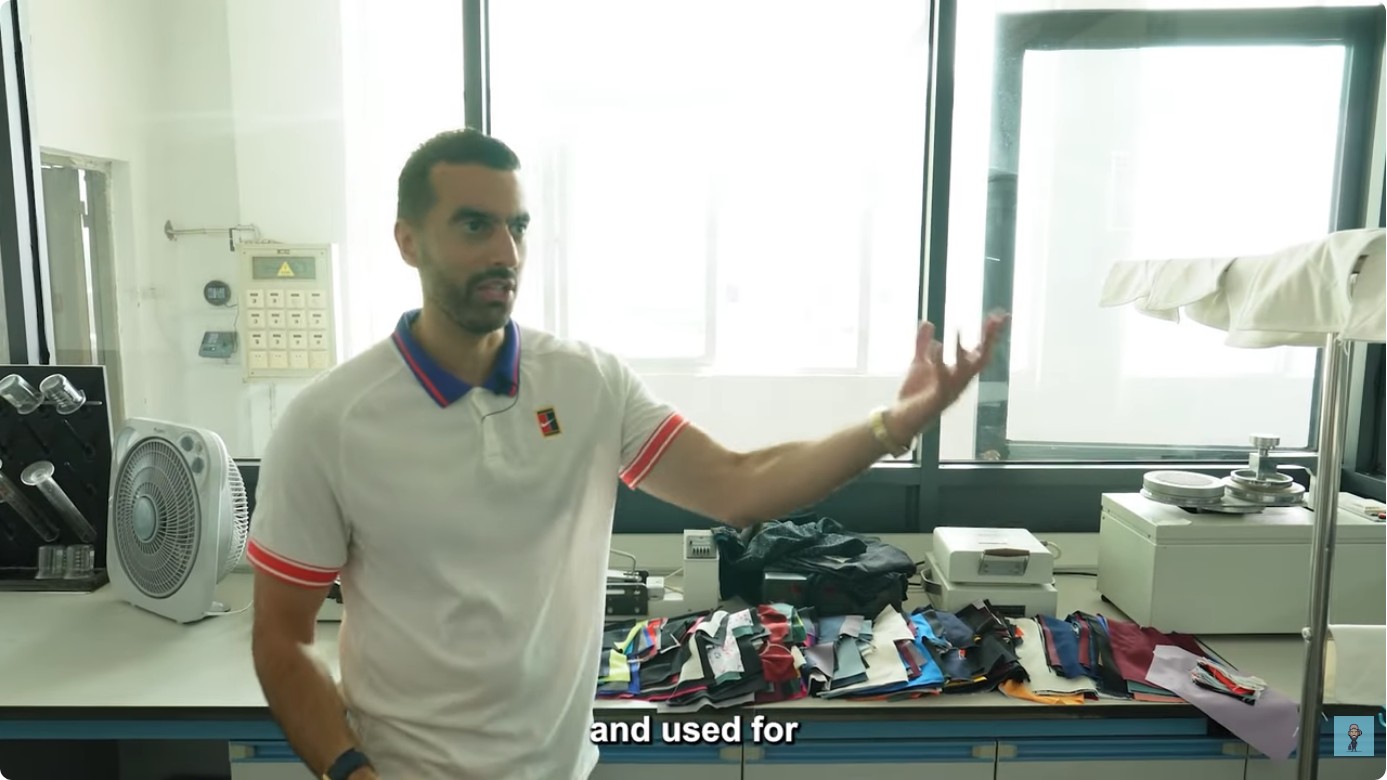
A common error for new buyers is to specify the same fabric and weight for training and match jerseys. Match kits prioritize lightweight, aerodynamic fabrics (often 120-140 GSM) with advanced ventilation for peak performance. Training kits benefit from slightly heavier, more robust fabrics (140-160 GSM) that withstand repeated drills, falls, and machine washing without degrading graphics or color. Communicating this use-case distinction to your manufacturer is crucial for achieving the desired product longevity and performance feel.
Customization Levers: Turning Specifications into a Product
With your inventory numbers established, you move to the design phase. For a custom sportswear factory, the “how many games” question influences customization choices in three key areas:
- Fabric Technology: A team with 50+ games needs jerseys with high colorfastness, pilling resistance (measured by standards like AATCC Test Method 118), and robust moisture management. Factories may recommend polyester blends with added Lycra for stretch recovery after intense play.
- Graphic Application: Sublimation printing is the industry standard for soccer jerseys as it dyes the fabric, preventing cracking and fading over many washes—ideal for long seasons. For smaller, low-volume orders (e.g., a single team’s recreational kit), screen printing may be more cost-effective, but it has a lower lifespan under heavy use.
- Construction Details: Professional-grade kits feature flatlock seams to reduce chafing, reinforced hem and collar stitching, and sometimes strategically placed mesh panels. These details increase unit cost but are non-negotiable for high-load seasons.
Trade-off Awareness: You must balance performance specs with budget and order volume. A factory’s ODM (Original Design Manufacturer) team can suggest cost-saving alternatives if your MOQ is lower. For example, using a standard performance template with your custom colors and logos instead of a fully bespoke pattern can reduce pattern-making costs significantly.
More advice: The Complete Guide to Sourcing & Customizing Messi Soccer Shoes
Production Realities: MOQs, Lead Times, and Quality Gates
Your season schedule dictates your production timeline. A high school team needing kits for an August season start must place orders by May or June, factoring in 6-8 weeks for production and shipping. A professional club planning a year in advance can lock in better rates with a longer lead time.
The number of games also subtly influences Minimum Order Quantities (MOQs).
- Standard Sublimated Jerseys: Factories often have MOQs as low as 50 pieces per design/color for basic sublimation. This suits a single team or small league.
- Advanced Knit/Machined Jerseys: For seamless-knit, performance-oriented jerseys (common in pro contracts), MOQs jump to 500-1000 pieces per style due to high machine setup costs.
- Training and Travel Wear: These often have more flexible MOQs, as they use simpler garment construction.
Quality Control Markers to Specify: To ensure your kits survive a long season, require your factory to provide or adhere to:
- Fabric Shrinkage: Must be within +/- 3% after home laundering (per ISO 6330).
- Colorfastness: Minimum rating of 4 for washing and rubbing (per AATCC or ISO standards).
- Seam Strength: Stitches should withstand a minimum pull force (specify based on expected activity level).
Decision Framework: Questions to Answer Before You Order
To synthesize this information, use this decision checklist when engaging with a potential manufacturing partner:
Sourcing Due Diligence Checklist:
- What is the exact total number of competitive matches, including cup competitions, for the primary season?
- What is the expected match frequency (e.g., 1 game/week, 2 games/week)? This dictates rotation needs.
- What is the maximum budget per player for the complete kit set (match + training)?
- What is the absolute deadline for receiving first samples and final bulk delivery?
- Does the factory have proven experience producing for the specific level of play (youth, semi-pro, etc.)? Can they provide references?
- What specific durability tests do they perform on fabrics and garments for high-use applications?
- Are their graphic application methods (sublimation, embroidery) rated for the anticipated number of washes (e.g., 50+ washes)?
- What is their policy on defective units after delivery, especially if issues arise mid-season?
Answering these questions transforms a vague inquiry about “soccer kits” into a precise manufacturing brief. It allows the factory to recommend appropriate materials, construction, and pricing tiers, ensuring you receive apparel that is fit for purpose—whether that’s 10 recreational games or 60 professional fixtures.
Ultimately, the season’s length is the engine of your entire procurement strategy. It defines the stress test your apparel must pass. By starting your sourcing conversation with a clear match count and rotation plan, you position yourself as an informed buyer, capable of evaluating quotes not just on price, but on true long-term value and performance.
Need custom versions of any style covered here? Our sportswear factory handles everything from tech pack review to bulk delivery. Request a sample or quote.
You may also like: Where Is Nike Apparel Made? A Look at Global Manufacturing for Sportswear Buyers