
The global resonance of Argentina’s soccer legacy, built by iconic figures like Diego Maradona, Lionel Messi, and a lineage of world-class talent, creates a powerful and persistent consumer demand. For wholesale buyers, fashion brands, and sports retailers, this isn’t just about fandom—it’s about a proven market for authentic, high-quality team and player-inspired apparel. Understanding which players drive trends and why allows you to source and manufacture merchandise that meets precise expectations, from licensed replica jerseys to inspired casual wear. This guide breaks down the key players, their cultural impact on apparel, and the critical manufacturing considerations for anyone looking to capitalize on this enduring market.
Whether you’re a brand developing a retro-inspired tracksuit, a gym ordering team kits for a local league, or a retailer stocking fan gear, the “Argentina soccer famous players” category represents a specific product segment with defined quality standards and licensing complexities. Success depends on navigating these factors—from authenticating designs to selecting the right fabrication for the intended use case. This article provides the practical framework to do just that.
Iconic Figures and Their Direct Apparel Influence
The demand for Argentina-associated sportswear is not monolithic; it’s segmented by era, achievement, and player persona. Each legendary figure carries a distinct visual and emotional identity that translates directly into product design and sales potential.
The Maradona Legacy: The ’86 & ’90 Kits
Diego Maradona’s peak, culminating in the 1986 World Cup, is arguably the most replicated era in soccer fashion. The sky blue and white vertical stripes, often paired with black shorts, are instantly recognizable. The “Hand of God” and “Goal of the Century” shirts from 1986 are cultural artifacts. For manufacturers, this means:
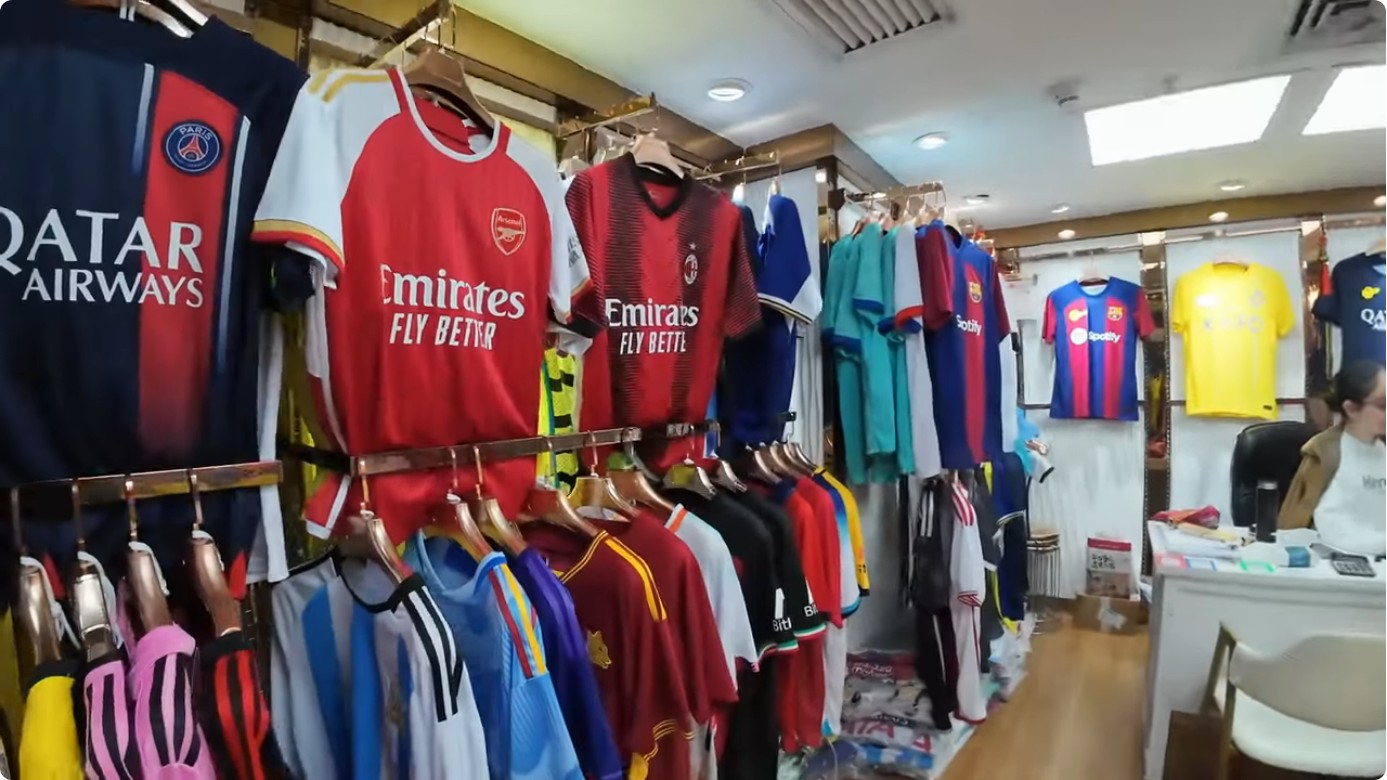
- High demand for retro reproductions: Buyers seek exact recreations of the 1986 and 1990 away kits (the famous purple/blue).
- Fabric and cut authenticity: Replicas must mimic the heavier, looser knit fabrics and broader cuts of the 1980s, not modern athletic fits. This is a key differentiator for discerning fans.
- Graphics precision: The vintage AFA (Argentine Football Association) crest, subtle manufacturer logos (like Le Coq Sportif), and specific number fonts are non-negotiable for licensed products. FIFA and national federation licensing is strictly enforced.
The Messi Era: Modern Excellence and Global Brand
Lionel Messi’s career, particularly his World Cup victory in 2022, defines the contemporary Argentina jersey. The design language is more dynamic, with subtle gradient patterns and advanced moisture-wicking fabrics for performance versions. The key apparel drivers are:
- Number 10 obsession: The Messi #10 jersey is a perennial top-seller. Custom orders for clubs or fan groups often default to this number and name.
- Three-star heritage: Apparel commemorating the three World Cup titles (1978, 1986, 2022) is a popular design theme for casualwear and special edition items.
- Performance vs. Replica distinction: There is a clear market for both the authentic, player-grade (authentic) kit with bonded logos and silicone prints, and the more affordable fan replica. Communicating this split to your factory is essential.
Beyond the Superstars: Squad and Cultural Icons
While Maradona and Messi dominate, other players drive niche demand:
- Javier Mascherano: The defensive stalwart’s long tenure makes his name and number a consistent, smaller-scale seller.
- Historic squads (1978): The first World Cup win generates demand for vintage-style apparel, often targeted at an older demographic with higher disposable income for premium items.
- Emerging stars: Players like Julián Álvarez or Enzo Fernández see spikes in demand following tournaments. This requires a flexible supply chain for quick-turn, small-batch customization.
Translating Player Legacy into Product: Categories & Use Cases
The “Argentina soccer famous players” keyword manifests in several distinct product categories, each with its own sourcing and manufacturing profile. Your target buyer profile will determine which category you prioritize.
| Product Category | Primary Audience | Key Manufacturing Focus | Typical MOQ (Units) |
|---|---|---|---|
| Official Licensed Replica Jerseys | Retailers, Fan Merchandise Wholesalers | Exact design replication, authorized embroidery/patches, certified fabrics (e.g., Nike Dri-FIT, Adidas Climacool). Must secure licensing through AFA/FIFA agents. | 500 – 2,000+ |
| Retro/Heritage T-Shirts & Hoodies | Fashion Brands, Sports-Casual Retailers | Vintage wash treatments, screen printing or DTG for graphics, heavier cotton jersey or fleece. Focus on 80s/90s aesthetics. | 100 – 500 |
| Training & Tracksuit Sets | Gyms, Sports Teams, Corporate Groups | Durable, cost-effective polyester-spun blends. Customization with player names/numbers via heat press or embroidery. Less stringent on exact federation patterns. | 50 – 200 |
| Casual & Streetwear Inspired Pieces | Lifestyle Brands, Boutiques | Creative reinterpretation: abstract stripe patterns, minimalist crests, archival photo prints. Fabric choice is key for brand positioning (e.g., organic cotton, slub cotton). | 50 – 300 |
Critical Sourcing & Customization Decision Points
When approaching a factory for any Argentina-themed apparel, clarity in communication prevents costly errors. Here is a practical checklist for your pre-production brief.
1. Define the Product Tier and Licensing Status
This is the first and most important question. Are you producing:
- Tier A: Officially Licensed Goods? You must have a valid license agreement with the rights holder (typically the AFA or a licensed agent like FIFA). Your factory will need to produce samples for approval against strict “tech packs” that dictate every stitch, label, and hangtag. Expect high MOQs and longer lead times.
- Tier B: Design-Inspired, Non-Licensed Goods? This is where you can be creative but must avoid infringing on protected trademarks. A generic sky blue and white striped tee with a fictional crest or the word “Argentina” in a classic font is generally safe. Consulting with an IP attorney is wise for novel designs.
- Tier C: Fully Custom for a Local Team/Client? A local amateur team named “Buenos Aires FC” can have a jersey that looks like the national team but with its own crest and colors. This is the most flexible ODM scenario.
2. Specify Fabric, Trim, and Construction
Vague requests like “make it like the Argentina jersey” lead to inconsistent results. You must specify:
- Fabric: For performance replicas: 100% polyester with specific GSM (grams per square meter) and wicking treatment. For casualwear: 100% cotton jersey (e.g., 30/1 cotton), or a cotton/poly blend for softness and durability.
- Trim: Specify collar type (rib vs. V-neck), cuff style, label placement (neck, side-seam), and hangtag requirements. For licensed goods, these are all pre-approved.
- Print/Embroidery Method:
- Sublimation: Best for all-over patterns on polyester (common for full team kits). Requires a polyester fabric base.
- Screen Printing: Cost-effective for simple, bold logos and large runs. Not ideal for photographic details.
- Embroidery: For crests and player names on premium items. Requires careful digitization and has thread color limitations.
- Heat Press/HTV: Common for small batches and names/numbers. Durability varies with quality of vinyl and application.
3. Understand the Tradeoffs: Speed, Cost, and Scale
The choice between OEM (manufacturing your exact design) and ODM (using the factory’s existing template) affects everything.
Also read: The Non-Hooded Sweatshirt: A Versatile Staple for Custom Sportswear & Brand apparel
- OEM (Your Design): Higher per-unit cost, new pattern making/sampling fees, longer development (4-8 weeks). Best for unique fashion brands or specific team needs.
- ODM (Factory’s Style): Lower cost, faster to market (can use existing patterns), lower MOQs possible. You are limited to the factory’s available styles and fabrics. Ideal for retailers wanting a “classic Argentina-style” track jacket without full custom development.
A key caveat: Factories with strong ODM capabilities in soccer apparel will often have their own library of Argentina-inspired patterns (striped tees, vintage track tops). Inquiring about this library can jumpstart your project.
Producing for the End-User: Quality Markers They Will Notice
Your customer—whether a fan or an athlete—judges quality on tangible details. Ensuring your factory delivers on these points is what separates a commodity item from a trusted product.
- The Crest: Is it embroidered with felt and stitch detail (premium) or printed (budget)? For licensed goods, it must be the exact, authorized version.
- Stripe Alignment: On striped jerseys and tracksuits, the stripes must match perfectly at the seams (especially the side panel). Misalignment is a clear sign of low-cost manufacturing.
- Number & Name Application: On performance kits, names and numbers are often sublimated or heat-pressed with a authentic, rubbery feel. On casual tees, screen printing should be thick and opaque, not thin and cracking. Ask for samples of each application method.
- Fit and Fabric Hand: Does it feel like a modern athletic garment or a cheap cotton tee? The fabric weight (GSM) and composition (e.g., 100% cotton vs. 60/40 blend) communicate quality. A factory should provide fabric swatches.
- Labels and Tags: For licensed products, every woven label, care tag, and hologram must be precise. For non-licensed, clean, branded labels add perceived value.
Frequently Asked Questions from Buyers & Brands
Q: What is the absolute minimum order quantity (MOQ) for custom Argentina-themed sportswear?
A: It varies drastically by factory and method. For basic screen-printed t-shirts using a factory’s ODM style, MOQs can be as low as 50-100 units. For fully custom, embroidered, licensed-style jerseys with unique patterns, expect MOQs of 500+. The primary driver is the cost of pattern making and fabric sourcing.
Q: How do I handle the licensing maze if I want to sell official Argentina gear?
A: You cannot legally produce or sell official AFA/FIFA-licensed merchandise without a direct license. Your path is: 1) Apply for a license through the AFA’s commercial department or a licensed global agent (this is difficult and expensive for small businesses), or 2) Become an authorized distributor for an existing licensee. Most small-to-mid-size brands operate in the inspired/design space to avoid this barrier.
Q: What’s the most common mistake first-time buyers make in their tech pack?
A: Omitting absolute, specific measurements for each size (S, M, L, XL) in a Garment Measurement Chart (GMC). Providing only a sample garment is insufficient. Also, failing to specify the exact Pantone color codes for key elements like the light blue stripe or the exact yellow of the crest.
Q: Can a factory handle both the jersey and the matching shorts for a full kit?
Q: For a retro-inspired hoodie, what fabric is most authentic to the 1980s feel?
A: Look for a heavier, slubbed cotton jersey (around 280-300 GSM) or a cotton fleece with a thick, looped interior. Avoid lightweight, sleek modern fleeces. Ask the factory for their heaviest cotton jersey options and request a pre-production swatch to evaluate the hand feel.
Need custom versions of any style covered here? Our sportswear factory handles everything from tech pack review to bulk delivery. Request a sample or quote.