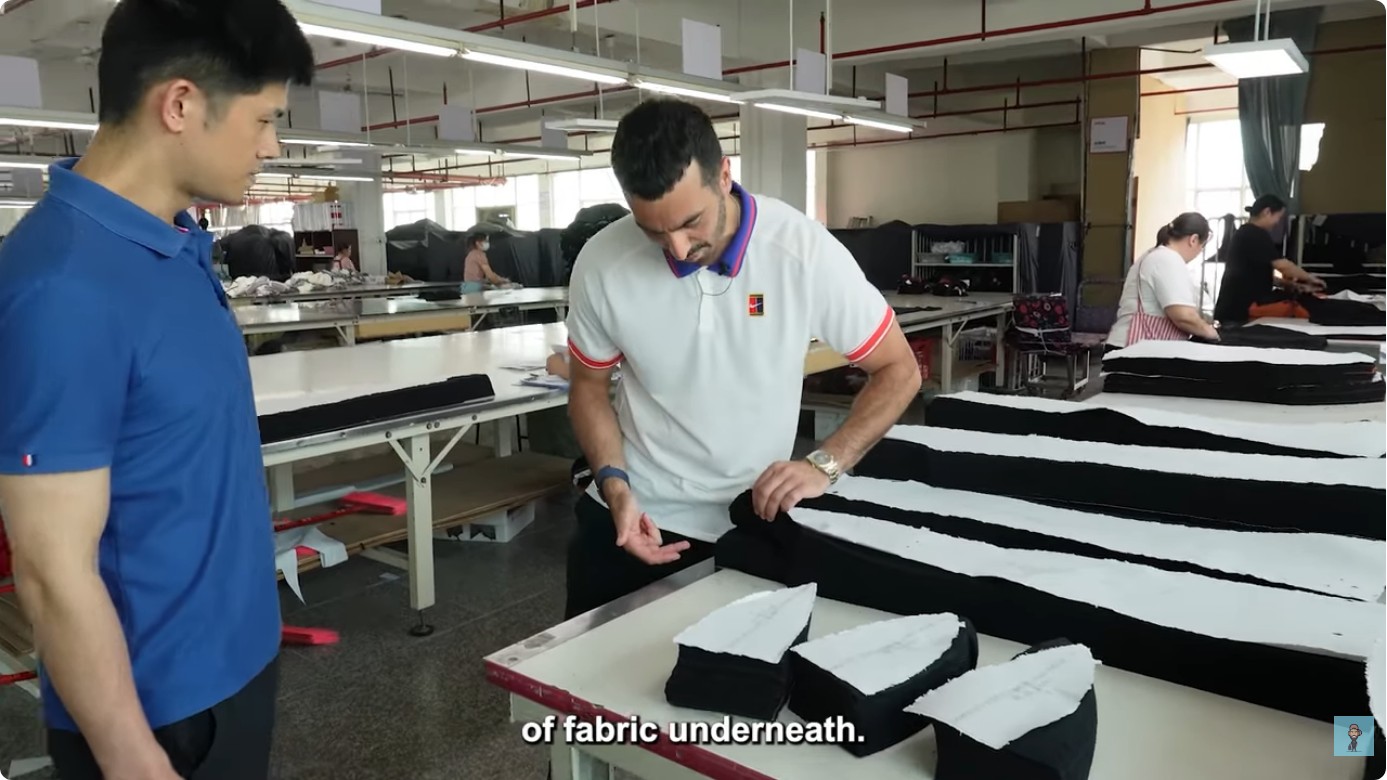
For wholesale buyers, brand developers, and sports team outfitters, understanding the landscape of German clothing brands is more than a study in fashion—it’s a strategic map to quality, engineering, and market perception. German apparel is synonymous with precision, durability, and technical innovation. This reputation makes brands originating from Germany powerful assets for any retailer’s portfolio and provides a clear benchmark for custom manufacturers aiming to meet high European standards. Whether you’re looking to source a licensed product, find a white-label partner with German-engineered quality, or understand what makes certain brands command premium pricing, this guide breaks down the key players and, crucially, what their success means for your custom apparel sourcing strategy.
Quick Summary: This article analyzes major German clothing brands from a B2B sourcing perspective. We categorize them by market segment (premium fashion, technical sportswear, value-driven basics), extract their defining quality markers, and translate those into actionable production requirements. You will learn what specifications to request from your factory to achieve comparable quality, typical minimum order quantities (MOQs) for different tiers, and the critical communication points for a successful OEM/ODM partnership targeting the German-quality aesthetic.
The German Apparel Identity: Engineering Meets Aesthetics
German clothing brands operate on a principle of “form follows function,” but with a distinct, often minimalist, aesthetic. This isn’t just a design choice; it’s a manufacturing and material science philosophy. For a buyer, this means that “German quality” is often defined by:
More advice: A Manufacturer’s Guide to Different Corset Types & Custom Production
- Fabric & Construction: Heavy use of technical fabrics (e.g., Gore-Tex, Schoeller textiles), reinforced seams (often double or triple-stitched), and precise pattern cutting for optimal mobility and minimal waste.
- Durability Testing: Many brands conduct or specify rigorous abrasion, pilling, and colorfastness tests beyond standard industry norms.
- Supply Chain Transparency: A strong cultural emphasis on ethical manufacturing and traceability, with many brands adhering to strict EU regulations and certifications like OEKO-TEX Standard 100 or GOTS.
When sourcing custom apparel, these are not abstract ideals. They are concrete specifications you must communicate to your factory: specific fabric mills, stitch counts per inch, and required test certificates. A factory capable of producing for the German market, directly or indirectly, will have processes in place for these demands.
Category Breakdown: From Heritage Tailoring to Streetwear Titans
The “popular German brands” category is not monolithic. A buyer must distinguish between segments, as each has a radically different supply chain model, quality threshold, and customization potential.
1. The Heritage & Premium Fashion Tier
Examples: Hugo Boss, Escada, Jil Sander, Ahlers.
This segment represents classic tailoring, luxury materials, and a global premium image. Their production is characterized by:
- Extremely Low MOQs: Often in the dozens or hundreds per style/color due to high unit cost and made-to-order practices.
- Specialized Factories: Production is concentrated in a network of highly specialized, often European (Italian, Portuguese, German) ateliers with expertise in fine wool, silk, and complex garment construction.
- Key Quality Markers: Hand-finished details (like buttonholes), fused vs. floating canvas in suit jackets, fabric origin (e.g., Loro Piana wool), and precise fit modeling.
Sourcing Implication: Replicating this tier’s quality is capital-intensive and not feasible for standard activewear MOQs. However, elements like precise stitching, high-quality buttons/zippers (e.g., YKK), and excellent fit grading are transferable goals to specify for any custom order to elevate perceived value.
2. The Technical Sportswear & Outdoor Powerhouses
Examples: Adidas, Puma, Jack Wolfskin, VAUDE.
This is Germany’s most globally influential export category. Here, engineering is the core product. Adidas and Puma are not just sportswear brands; they are technology platforms with proprietary fabrics (Adidas’ Climacool, Primeknit; Puma’s evoKNIT), cushioning systems (Boost), and sustainability initiatives (Parley for the Oceans).
- MOQ Spectrum: Varies wildly. Custom team kits for Adidas might have MOQs in the thousands. Their OEM partners for basics may have lower thresholds. Jack Wolfskin and VAUDE, while large, often work with a more distributed network of suppliers, potentially offering more accessible entry points for specialized outdoor or hiking apparel.
- Production Focus: Seam sealing,laser cutting, performance fabric sourcing, and complex assembly (e.g., integrating multiple fabric types in one garment).
- Critical Certifications: Bluesign®, Fair Wear Foundation, and specific performance certifications for waterproof/breathable ratings (e.g., IPX ratings).
Sourcing Implication: This tier is the gold standard for functional activewear. When briefing your factory, provide physical or digital references of the construction details you want (e.g., “like this Adidas track jacket’s seam taping”). Specify fabric by technical name (e.g., “280gsm polyester interlock with DWR finish”) rather than just “performance fabric.” Factories with experience in this segment will understand these references immediately.
3. The Mass-Market & Fast-Fashion Adjacent
Examples: s.Oliver, Gerry Weber, Tommy Hilfiger (under licensee), various private-label brands for German retailers like KiK, Tchibo.
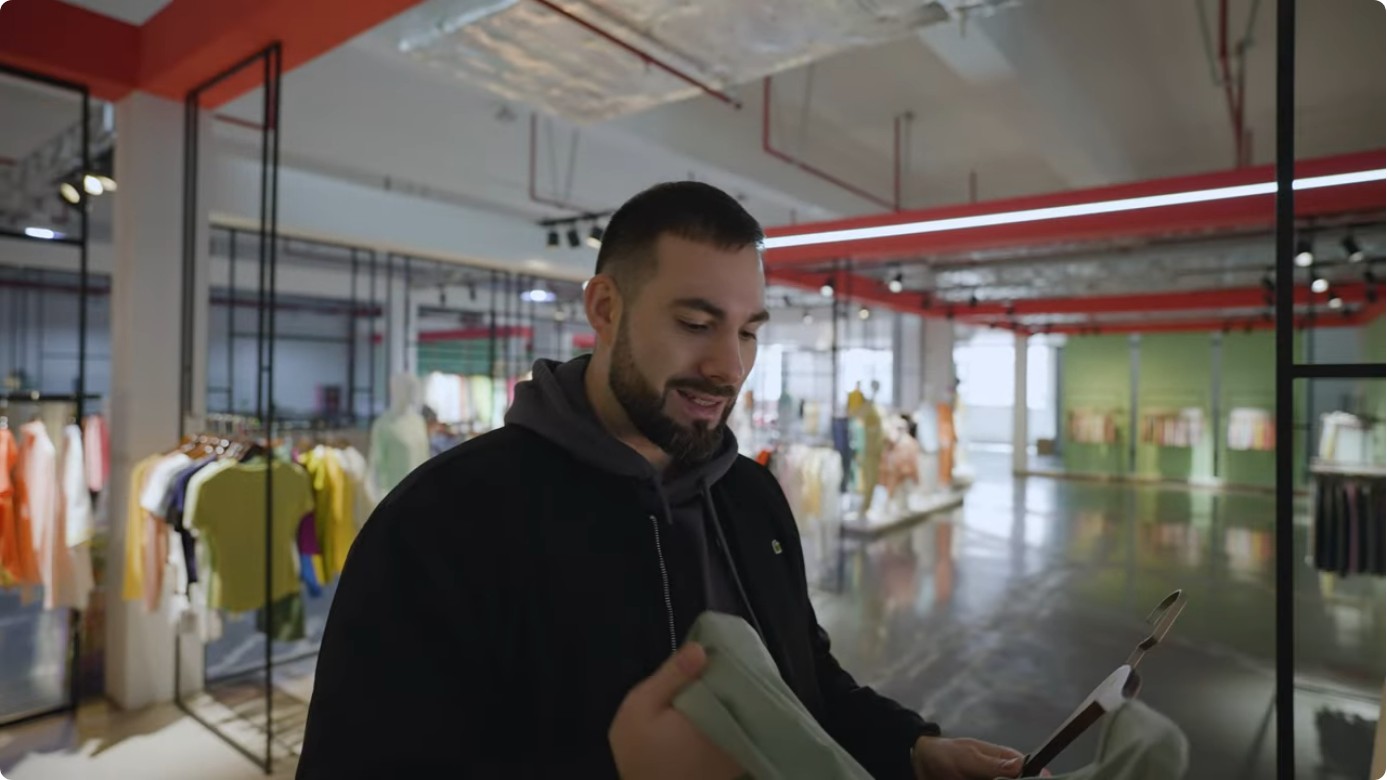
These brands focus on accessible fashion, trend responsiveness, and high volume. Quality is consistent but built for cost-efficiency.
- High MOQs: Typically 1,000+ pieces per style/color to achieve target costs.
- Production Geography: Often sourced from larger factories in Turkey, Bangladesh, Vietnam, or Eastern Europe with high-volume capacity.
- Quality Markers: Standardized seams, cost-effective fabric blends (e.g., cotton-polyester), and simpler construction techniques.
Sourcing Implication: This is the most competitive segment for cost. The key for a buyer is to understand the trade-offs. A factory offering a price point comparable to these brands will be using standard construction and mid-tier fabrics. To differentiate, you might invest in one premium element (e.g., a custom rib at the cuff, a special dye process) while keeping the base garment cost-effective.
4. The Streetwear & D2C-Native Brands
Examples: Nitra, HUND, Product Red (collaborations), numerous small Berlin-based labels.
This is a fragmented, creative, and fast-moving segment. Quality varies but is often defined by unique graphics, oversized fits, and limited drops.
- Flexible MOQs: Can be very low (50-100 pcs) for D2C brands using local or small-scale Asian factories, but rise for more complex items.
- Key Requirements: Superior print quality (DTG, screen print, embroidery), fabric hand (often heavier, garment-dyed), and fit consistency for drops.
- Speed: Often prioritized over absolute cost, requiring agile manufacturing partners.
Sourcing Implication: For a brand in this space, your factory must excel in sampling and communication. The ability to iterate quickly on a fit sample or a print placement is critical. Look for factories with dedicated sample rooms and responsive project managers, not just large-scale production lines.
Comparative Analysis: What Segment Aligns With Your Sourcing Goals?
Use this table to align your project’s objectives with the German-brand segment that best represents your target quality and business model.
| Your Primary Goal | German Brand Benchmark | Typical MOQ Range | Key Factory Capabilities Required | Main Trade-off |
|---|---|---|---|---|
| Maximum durability & technical performance for high-end sport/outdoor | Adidas, Jack Wolfskin, VAUDE | 500 – 5,000+ | Technical fabric sourcing, seam sealing, performance testing protocols | High cost, long lead times, complex logistics |
| Premium fashion perception with luxury materials | Hugo Boss, Jil Sander | 50 – 300 | High-end fabric sourcing (Italian mills), hand-finishing, precision cutting | Very high unit cost, extremely limited factory options |
| Cost-effective, trend-forward basics &>quot;good enough&>quot; quality | s.Oliver, retailer private labels | 1,000 – 10,000+ | High-volume efficiency, cost-control, standard fabric sourcing | Low differentiation, focus on cost over unique features |
| Agile, graphic-focused streetwear with strong brand story | Nitra, HUND | 50 – 500 | Advanced print/embroidery, flexible sampling, small-batch logistics | Higher per-unit cost than mass-market, requires strong design ownership |
Sourcing & Customization: Translating German Standards to Your Factory Brief
You don’t need to be a German brand to command similar respect for quality. Here is a practical checklist for what to specify and ask for when engaging an OEM/ODM partner to achieve a “German-quality” result.
The Pre-Order Discovery Checklist
- Fabric Specification: Don’t just say “cotton.” Provide GSM (grams per square meter), yarn count, and fabric origin if possible (e.g., “180gsm 30/1 combed cotton, ring-spun, from a reputable Turkish or European mill.”). Request fabric samples and pre-production lab dips.
- Construction Details: Specify stitch type (e.g., 5-thread overlock for side seams), stitch density (SPI – stitches per inch), and bar tacks at stress points. Reference a competitor’s garment as a visual guide.
- Fit & Sizing: Provide a detailed spec sheet with measurements for each size, not just a sample garment. German brands are known for precise, consistent grading. Ask the factory about their grading process and pattern-making software (e.g., Gerber, Lectra).
- Testing & Compliance: State required certifications upfront (OEKO-TEX, GOTS, REACH compliance for chemicals). Ask if the factory has an in-house lab or uses a third-party lab for pre-shipment testing.
- Trim & Accessories: Specify brands for zippers (YKK, SBS), buttons (corozo, metals with specific plating), and labels (woven vs. printed, tear-out labels). This level of detail signals your quality expectations.
Limits & Realities: What You Can and Cannot Customize
Understanding the constraints of manufacturing is key to a successful partnership.
- The MOQ Ceiling: The technical complexity of a garment directly impacts its MOQ. A simple, 100% cotton t-shirt can be produced in hundreds. A technical softshell jacket with laminated membranes and 10+ pattern pieces will have a MOQ in the thousands. Your design must align with the factory’s capacity sweet spot.
- The Fabric Lead Time: Technical fabrics and custom-dyed fabrics have long lead times (60-90+ days). If your timeline is tight, you must select from the factory’s available fabric stock or standard fabric libraries, which may limit your color and performance options.
- The Pattern Ownership: In ODM (Original Design Manufacturer) scenarios, the factory owns the pattern. If you want exclusive rights, this must be negotiated and will likely increase the cost. In OEM (Original Equipment Manufacturer), you provide the pattern, but the factory must be able to work with your file format.
- The Sustainability Premium: Certified organic cotton, recycled polyester, and fair-trade certifications add cost and complexity. The supply chain for these materials is smaller, which can affect MOQs and lead times. Be prepared for a 15-40% cost increase over conventional materials.
The Question of Local vs. Global Sourcing for German-Quality
Many buyers instinctively look to Germany or Eastern Europe for “German-quality” apparel. While there are excellent factories there, the reality of global sourcing means the highest-volume German brands (Adidas, Puma, s.Olver) source primarily from Turkey, Asia, and North Africa. The “German” element is in the specification, quality control, and R&D, not necessarily the factory’s geographic location.
Therefore, your search should be for a factory with a proven track record of exporting to the EU/German market and a deep understanding of EUREACH, OEKO-TEX, and other relevant regulations. A well-managed factory in Vietnam or Pakistan with a German client portfolio will often be more capable and cost-effective for medium-to-high volumes than a small local factory without that export experience. Request client references and ask specifically about their experience with German brands or EU retailers.
Conclusion: Your Next Step in Strategic Sourcing
Popular German clothing brands provide a clear roadmap of quality, innovation, and market positioning. By deconstructing their approaches—from Hugo Boss’s cut to Adidas’s fabric science—you gain a powerful vocabulary for your own manufacturing brief. The goal is not to copy, but to understand the engineering and specification principles behind their success and apply them within your own brand’s budget and volume constraints. Success lies in the details communicated to your factory: the precise GSM, the specific stitch, the required test certificate. These are the universal languages of quality that transcend national borders.
Ready to Build Your German-Quality Line?
If you’re looking to source or customize any of the styles mentioned above, our factory offers low MOQ OEM/ODM production with full sampling support. We specialize in translating high European standards into cost-effective, scalable production for activewear, streetwear, and premium basics. Get a free quote today.
Helpful tip: Gauze Material Fabric: A Practical Guide for Apparel and Design