
For buyers, brands, and designers, the sleeveless tank top is a foundational piece with surprising versatility. Its simple silhouette belies a wide range of applications—from high-performance gym wear and coordinated sports team uniforms to casual streetwear basics and promotional giveaway items. Understanding the nuances of this garment style is the first step toward sourcing a custom version that meets your specific quality, performance, and branding objectives. This guide breaks down the key construction details, fabric considerations, and production factors that separate a commodity tank from a strategic asset for your business.
Whether you’re a fitness brand developing a new collection, a corporate buyer ordering team apparel, or a retailer seeking a blank canvas for customization, the decisions you make at the sourcing stage directly impact the final product’s fit, feel, durability, and perceived value. We’ll explore what defines a quality tank top, the customization levers available to you, and the critical questions to ask your manufacturer to ensure a smooth production run from sample to bulk.
Quick Guide: Sourcing a Custom Tank Top
Before diving into details, here’s a high-level overview of the sourcing journey for a custom sleeveless tank top:
Helpful tip: The Measurement of Body for Clothes: A Sourcing & Manufacturing Guide
- 1. Define the Use Case: Performance athletics? Casual retail? Team uniform? This dictates everything from fabric to fit.
- 2. Select Core Fabric: Consider weight (GSM), fiber content (cotton, polyester, blends), and finishes (moisture-wicking, anti-odor).
- 3. Specify Construction Details: Neckline (crew, racerback, scoop), armhole finish, hem type, and seam type.
- 4. Plan Customization: Logo placement (screen print, embroidery, DTG), label types, and packaging.
- 5. Verify Production Capabilities: Confirm manufacturer’s MOQ, lead time, quality control, and sample process for your chosen style.
Understanding the Sleeveless Tank Top: Style & Construction
The quintessential tank top is defined by its sleeveless design and typically loose, breathable fit. However, within this category lies significant variation that affects both wearer experience and manufacturing complexity.
Key Silhouette and Fit Variations
The fit is one of the first decisions. A classic loose fit offers maximum airflow and comfort, ideal for casual wear, layering, or hot-weather activities. A performance slim fit uses contoured patterning and stretch fabrics to reduce bulk and prevent fabric from catching on equipment, crucial for weightlifting or running. A muscle fit or athletic cut features a narrower armhole and tapered waist to complement a toned physique, popular in bodybuilding and physique-focused fashion brands.
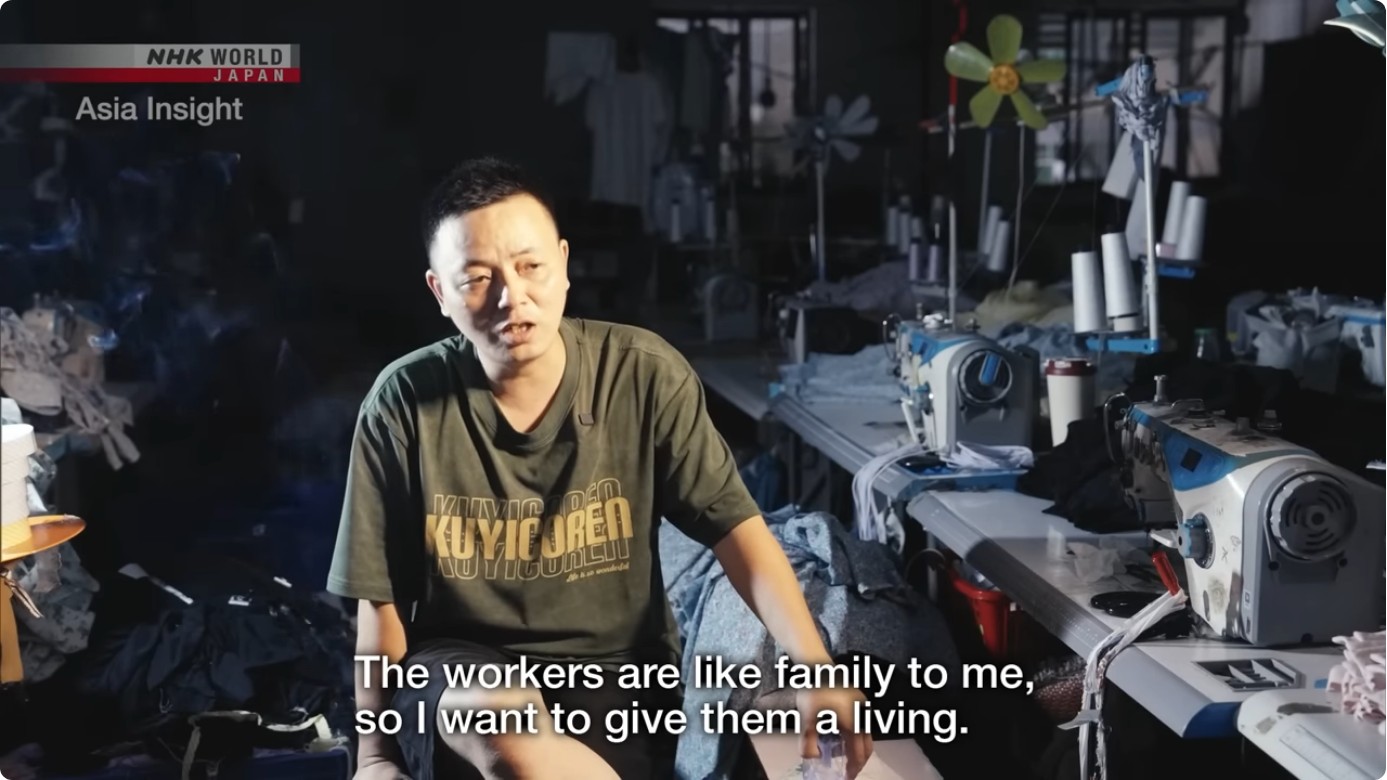
For buyers, specifying the intended fit is non-negotiable. Providing a reference garment or a detailed size chart with measurements for chest, waist, length, and armhole depth is essential. Be aware that moving from a loose to a fitted style often requires more precise pattern making and may increase production cost due to higher fabric yield complexity.
Necklines and Armholes: The Defining Features
The neckline and armhole shape are the primary visual identifiers of a tank top style.
- Crew Neck: A round, close-fitting neckline. It’s the most traditional and versatile, working well for both performance and casual blanks. It provides a clean surface for centered chest prints.
- Scoop Neck: A deeper, wider U-shaped neckline. Often favored in women’s athleisure and fashion-forward streetwear for a more open, modern look.
- Racerback: Characterized by a T-shaped back that leaves the shoulders and upper back exposed. This is the performance standard for maximum range of motion and ventilation in sports like track, swimming, and yoga. The back strap width is a key specification—narrow for a minimalist look, wide for support and print area.
Armhole finish is a critical construction detail. A simple serge finish (overlock stitch) is standard on basic blanks. A banded or taped armhole adds structure, prevents stretching, and feels more premium, but adds cost and sewing steps. For high-end activewear, a lined armhole or specific seam taping might be used to eliminate chafing.
Fabric Foundations: Performance vs. Comfort
The fabric is the soul of the tank top. Your choice here determines its primary function, hand feel, durability, and cost. The two main fiber categories are cotton and synthetic performance fabrics, with countless blends in between.
Natural Fibers: The Cotton Spectrum
100% cotton remains a popular choice for its comfort, breathability, and print-friendly surface. However, not all cotton is equal.
- Jersey Cotton: The standard knit for t-shirts and tanks. Its weight is measured in GSM (grams per square meter). A lightweight jersey (140-160 GSM) is drapey and breathable but can be sheer and less durable. A mid-weight jersey (180-220 GSM) offers a good balance of comfort and opacity, ideal for retail basics. A heavyweight jersey (240+ GSM) feels substantial and premium but is less breathable in extreme heat.
- Slub or Looped Cotton: Textured fabrics like slub jersey or terry loops add visual interest and a unique hand feel, often used in boutique and resort wear.
Key Sourcing Caveat: Standard cotton jersey can shrink significantly. A good manufacturer will pre-shrink (sanforize) the fabric or build shrinkage into the pattern (typically allowing for 3-5% shrinkage). Always request pre-production fabric swatches to test wash stability.
Performance Synthetics & Blends
For activewear, gyms, and sports teams, polyester and its technical variants dominate. Their key advantage is moisture management—pulling sweat away from the skin to the fabric surface for evaporation.
- Polyester Jersey: More durable and shrink-resistant than cotton, but can feel less breathable and may retain odors if not treated.
- Performance Polyester Blends: Common ratios are 60/40 cotton/polyester or 50/50. These blend cotton’s comfort with polyester’s durability and wrinkle resistance. Tri-blends (cotton/polyester/rayon) are prized for an ultra-soft hand and vintage drape but can be less stable in production.
- Technical Fabrics: This includes polyester mesh (highly breathable), cooling fabrics with additives like xylitol or minerals, and recycled polyester (rPET) for eco-conscious branding. These often require specific certifications to back claims.
When sourcing performance tanks, insist on seeing the specific fabric GSM and understanding any special finishes (e.g., UV protection, anti-microbial treatment). A 150 GSM performance knit will feel and perform vastly differently from a 150 GSM cotton jersey.
Customization Levers: From Fabric to Final Detail
This is where your brand’s identity is built. A custom manufacturer offers control over numerous variables.
Related guide: Stretch Terry Fabric: A Practical Guide to Properties, Uses, and Sourcing
Graphics and Embellishment
The method of logo application dictates artwork setup, cost, durability, and feel.
| Method | Best For | Key Considerations |
|---|---|---|
| Screen Printing | High-volume runs, bold colors, simple to medium-complexity artwork. | Setup fees per color. Ink type (plastisol vs. water-based) affects feel and breathability. Not ideal for highly detailed photographic prints on dark fabrics. |
| Direct-to-Garment (DTG) | Full-color, photographic, or gradient prints; short runs; prototyping. | Requires 100% cotton or high-cotton content fabrics for best results. Print longevity can be less than screen printing on performance fabrics. Per-piece cost is higher than screen print. |
| Embroidery | Logos on chest, sleeve, or back neck. Projects premium quality. | Adds stiffness to fabric. Requires digitization of artwork. Cost depends on stitch count. Can be heavy on lightweight tanks; use small, simple designs. |
| Heat Transfer Vinyl (HTV) | Specialty finishes like metallic, glitter, or flocked. Good for small batches. | Can feel less breathable and may crack or peel over time with improper application or low-quality vinyl. Not recommended for high-performance sweat-wicking areas. |
Labels, Tags, and Packaging
Beyond the main graphic, the inside details communicate quality.
- Main Label: Can be a woven or printed size label. A custom woven label with your brand name adds perceived value. You can also request a tear-away label for comfort, which requires a specific construction technique.
- Neck Tape: A strip of fabric sewn over the back neck seam. Prevents stretching and provides a clean finish. A branded neck tape is a mark of premium construction.
- Hangtags & Poly Bags: Custom hangtags tell your brand story. Eco-friendly poly bags or compostable packaging are increasingly standard for brands with sustainability commitments.
Production Realities: MOQs, Lead Times, and Quality Control
The technical specifications are only part of the equation. Sourcing success depends on aligning your project needs with a manufacturer’s capabilities.
Minimum Order Quantities (MOQ) and Style Impact
MOQ is the primary gatekeeper. It varies dramatically by factory, fabric availability, and customization method.
- Basic Blank Styles: Factories with stock fabrics may offer MOQs as low as 50-100 units per style/color.
- Custom Fabric & Color: Dyeing fabric to a specific PMS color or sourcing a unique performance knit typically requires a larger MOQ (often 500-1000+ meters of fabric minimum).
- Multiple Customizations: Combining a custom fabric, custom color, and multiple print locations will push the MOQ significantly higher, as each variable increases complexity and inventory risk for the manufacturer.
Decision Point: If your initial collection is small, start with a factory that uses stock performance fabrics in standard colors. You can still add your custom logo and label. This is a common and scalable path for startups and small brands.
The Sample Process: Your Most Important Step
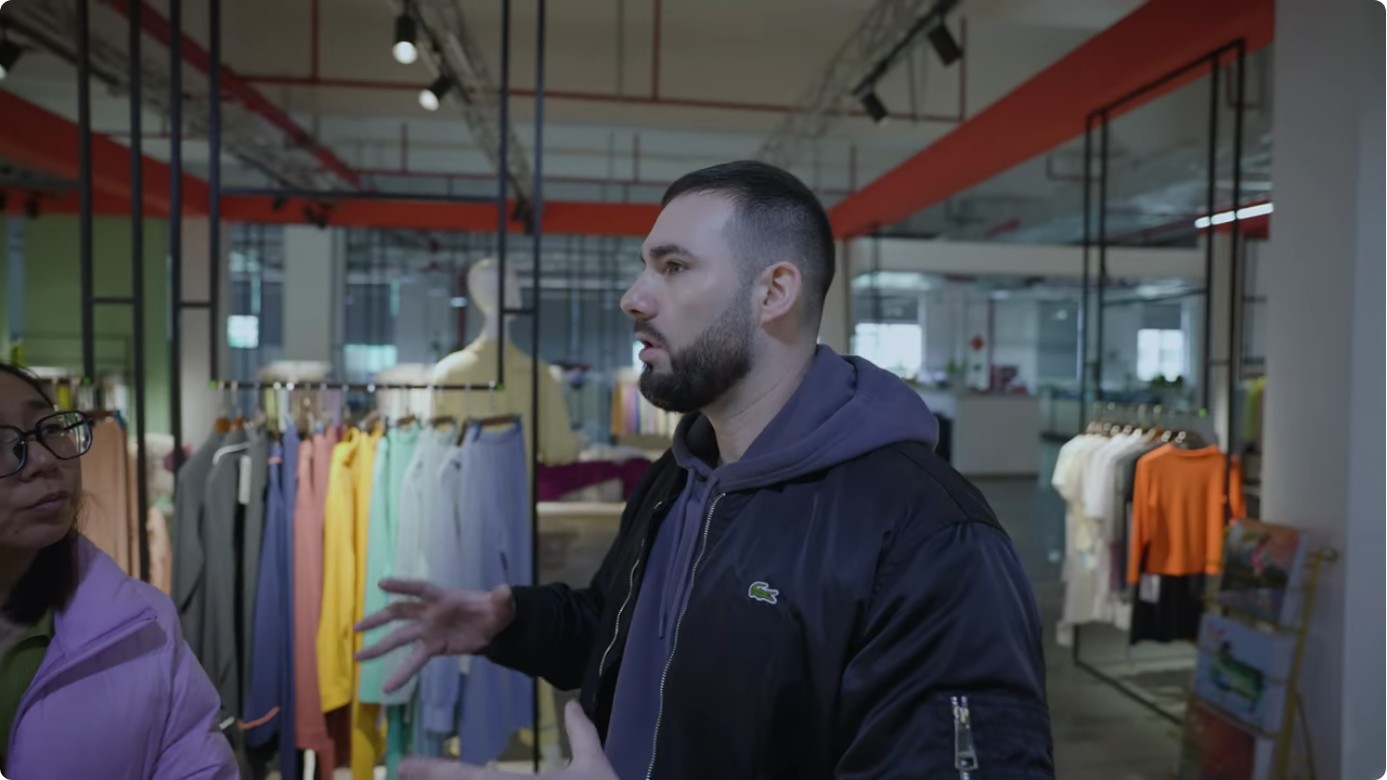
Never proceed to bulk without approving a production sample (often called a “PP sample” or pre-production sample). This is a physical prototype made with your exact fabric, color, and all customizations.
Checklist for Your Sample Approval:
- Fit and measurements against your spec sheet.
- Fabric hand feel, weight, and color accuracy (check in natural light).
- Print/embroidery quality: registration, color vibrancy, feel on fabric.
- Seam and hem construction: straight, secure, no loose threads.
- Labeling and packaging as specified.
Request that the sample is made from the same fabric bolt that will be used for bulk production. A sample from a different fabric batch can be misleading in color and hand feel.
Key Sourcing Questions for Your Manufacturer
A transparent conversation with potential OEM/ODM partners will reveal their expertise and reliability. Ask these questions directly:
About Fabric & Compliance
- “Can you provide fabric certifications for performance claims (e.g., moisture-wicking, UPF)? Do you use Oeko-Tex Standard 100 or similar tested safe fabrics?”
- “What is your standard fabric shrinkage rate, and how do you account for it in pattern making?”
- “Do you stock fabrics, or will my order trigger a new fabric dye lot/mill order?”
About Construction & Quality
- “What stitch type do you use for armholes and necklines? Can you use coverstitch or flatlock seams for a cleaner look?”
- “What is your process for inspecting seams and prints? What is your typical defect rate, and how are replacements handled?”
- “Can you provide a sample of the exact hem finish (e.g., double-needle, blind stitch) I want?”
About Logistics & Scale
- “What is your realistic lead time from sample approval to bulk shipment, including fabric sourcing?”
- “What are your payment terms (deposit, balance) and how do they scale with order size?”
- “Do you handle international shipping and customs clearance, or do I need a freight forwarder?”
Their answers will clarify if they are a true manufacturing partner capable of handling your specifications or simply a broker with limited control over the production process.
Planning to add these styles to your collection? We produce custom versions with your branding, fabric choice, and sizing — from sample to bulk. Contact our team for details.
You may also like: Sourcing Custom Women’s World Cup Rival 2010 Jerseys: A Manufacturer’s Guide to Design, Production, and Quality