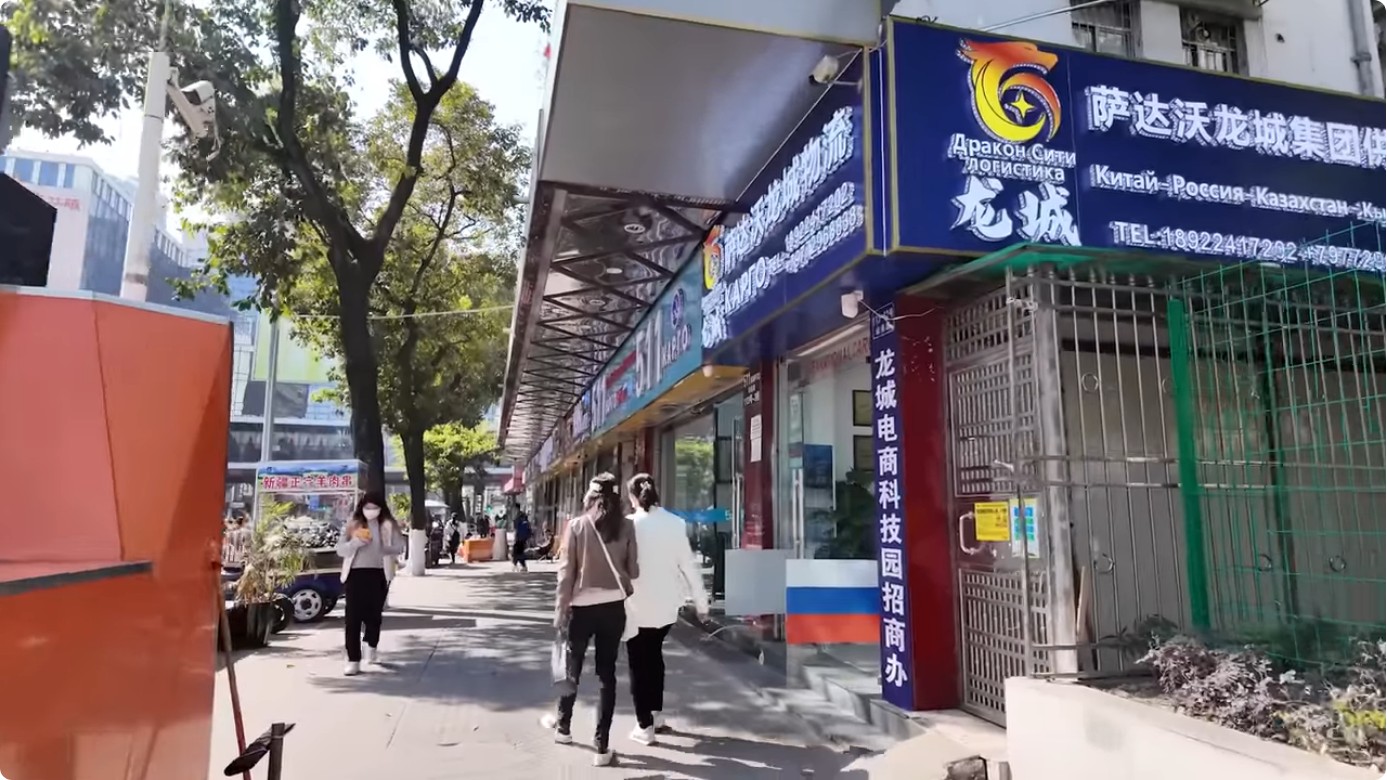
When brands like Adidas are discussed in sourcing circles, the question “where is it produced?” is about more than geography. It’s a window into global supply chain strategy, cost structures, and production capabilities. For buyers and brands exploring custom sportswear manufacturing—whether for a private label activewear line, a gym’s branded apparel, or a fashion initiative—understanding the logic behind a giant’s footprint reveals the key variables you’ll negotiate with your own factory partner. Adidas does not have a single factory; its products are made across a vast, dynamic network spanning Asia, Europe, and the Americas. This network is the result of deliberate trade-offs between cost, speed, quality, and risk.
This article moves beyond a list of countries. We’ll break down the strategic reasons behind major manufacturing hubs, then pivot to what this means for you as a buyer sourcing OEM or ODM services. You’ll learn the critical factors—minimum order quantities (MOQs), quality control systems, lead times, and certifications—that define a factory’s suitability for your project, not just a global brand’s. The goal is to equip you with a framework for evaluating potential manufacturing partners, whether you’re producing 500 hoodies or 50,000 tracksuits.
Key Takeaway for Sourcing Professionals:
Adidas’s production is globally分散 to optimize for cost, speed, and specialized skills. For custom buyers, the lesson is that factory selection is a strategic decision based on your specific needs: order volume, fabric complexity, quality tolerance, and delivery timeline—not just the lowest unit price. A dedicated custom manufacturer offers transparency and flexibility that trading companies or saturated mega-factories often cannot.
Related guide: The Acid Wash Set: A Manufacturer’s Guide to Style, Production, and Sourcing
The Adidas Supply Chain: A Strategic Overview
Adidas publicly reports that over 90% of its products are manufactured by independent suppliers. Its supply chain is a tiered network: the brand contracts with large, multi-national factory groups (often called “Tier 1” suppliers), who may then subcontract specific processes (like knitting, cutting, or embroidery) to smaller facilities (“Tier 2” and below). The primary manufacturing regions are:
- Asia (Dominant): Vietnam, China, Indonesia, and Cambodia account for the vast majority of footwear and apparel. This region offers scale, mature textile ecosystems, and competitive labor costs for high-volume production.
- Europe & The Americas (Strategic/Niche): Countries like Germany, Portugal, Turkey, and the USA host factories for premium lines, quick-response collections, or products requiring specific technical expertise (e.g., high-performance knitting, sustainable material processing). These locations typically command higher costs but offer shorter lead times to key markets and potential marketing narratives like “Made in Portugal.”
The choice of location is fluid. Adidas shifts volumes based on trade policies (like tariffs), geopolitical risk, inflation, and the desire to build resilient, multi-regional supply chains—a lesson learned during recent global disruptions. For a custom buyer, this underscores that the optimal factory location is not static; it must align with your project’s unique risk profile and market destination.
Why These Locations? The Core Drivers
Three primary factors dictate where a major brand places production:
- Cost Optimization: Labor, utility, and material sourcing costs. This is the most obvious driver, pushing volume to established Asian hubs.
- Operational Expertise: Certain regions have deep specialization. For example, Germany and Japan are leaders in technical fabric development and finishing; Portugal and Italy excel in premium cut-and-sew apparel; and Cambodia/Vietnam have massive, experienced workforces for basic to mid-range sportswear.
- Logistics & Speed-to-Market: Proximity to the end consumer market allows for faster replenishment. This is why Adidas has invested in “speed factories” in Germany and the USA, despite higher costs—to serve European and North American trends with agility.
Pivoting to Your Sourcing Strategy: The Custom Manufacturer Difference
As a brand, gym, or retailer, you are not Adidas. You do not have a team of 200+ supply chain managers negotiating with factory conglomerates. Your needs—smaller batches, unique designs, specific fabric compositions—are often a poor fit for the mega-factories that service global brands, which are engineered for enormous, repetitive runs. This is where a dedicated custom sportswear manufacturer (OEM/ODM) becomes a critical partner.
Working with a specialized factory differs fundamentally from engaging a general trading company or a large-scale OEM that treats your order as a small fill-in. A true custom manufacturer:
- Offers Design Integration (ODM): Their pattern makers and sample departments can refine your design for production feasibility, suggest cost-saving construction methods, and recommend appropriate fabrics from their vetted library.
- Provides Transparent QC: They implement quality checkpoints at fabric incoming, cutting, sewing, and final packing stages. You can often request pre-production samples (“PP samples”) and approve them before full production begins.
- Manages Smaller, Flexible MOQs: While a brand like Adidas might order 100,000 units of a single style, a custom manufacturer can often accommodate orders from 300-500 pieces per style, depending on complexity, making them accessible for startups and niche brands.
Comparative Analysis: Global Brand Sourcing vs. Custom Manufacturing
The following table highlights the stark differences in approach and capability between a large brand’s public supply chain and a dedicated custom factory partner.
| Sourcing Factor | Typical Global Brand (e.g., Adidas) Model | Dedicated Custom Manufacturer Model |
|---|---|---|
| Primary Objective | Maximize scale, minimize unit cost, manage portfolio risk across thousands of SKUs. | Deliver specific, custom product to your quality and timeline specs, often with design support. |
| Factory Relationship | Tiered, often through multiple agents; limited direct interaction for small buyers. | Direct, single-point responsibility. You communicate with the production manager who oversees your line. |
| Minimum Order Quantity (MOQ) | Very high (often 50,000+ units per style/color). Infeasible for most non-mega-brands. | Flexible and defined per style. Can range from 300 units for a complex hoodie to 2,000 for a simple t-shirt. |
| Quality Control (QC) | Internal global QC teams and third-party audits (e.g., WRAP). Process is standardized but impersonal. | Dedicated QC staff for your order. Requires your sample approval. More hands-on and tailored. |
| Lead Time | Long (4-6 months+ for production + shipping) due to scale and complex logistics. | Typically 8-12 weeks for production + shipping, with potential for faster “rush” capabilities on certain lines. |
| Customization Depth | Limited to seasonal design cycles and pre-approved fabric palettes. | High. Can source specific fabrics (organic cotton, recycled polyester), trims, and implement unique prints/embroidery per your artwork. |
Key Decision Points for Your Custom Sourcing Project
Before you engage any factory, clarify these variables. Your answers will determine the type of manufacturer you need and the regions they should operate in.
1. Define Your Product & Fabric Needs
Is your product a basic cotton t-shirt, a technical running short, or a heavyweight fleece hoodie? The fabric complexity dramatically impacts factory choice. Technical fabrics (moisture-wicking, waterproof coatings) often require suppliers with specialized machinery and chemical processing knowledge, which are concentrated in specific hubs like Taiwan, South Korea, or advanced facilities in China and Vietnam. For basic cotton jersey, the field is much wider.
2. Establish Realistic Volume and MOQ Expectations
This is the first gate. Be upfront about your target quantity. If you’re a new brand, starting with a pilot collection of 500-1,000 total units across 3-4 styles is common. A factory with a 3,000-piece MOQ per style is not a fit. Ask potential partners: “What is your absolute minimum for a custom dye lot and cut-and-sew?” The answer will immediately filter your options.
Also read: Beverly Hills Polo Club vs. Ralph Lauren: A Manufacturer’s Guide for Brand Buyers
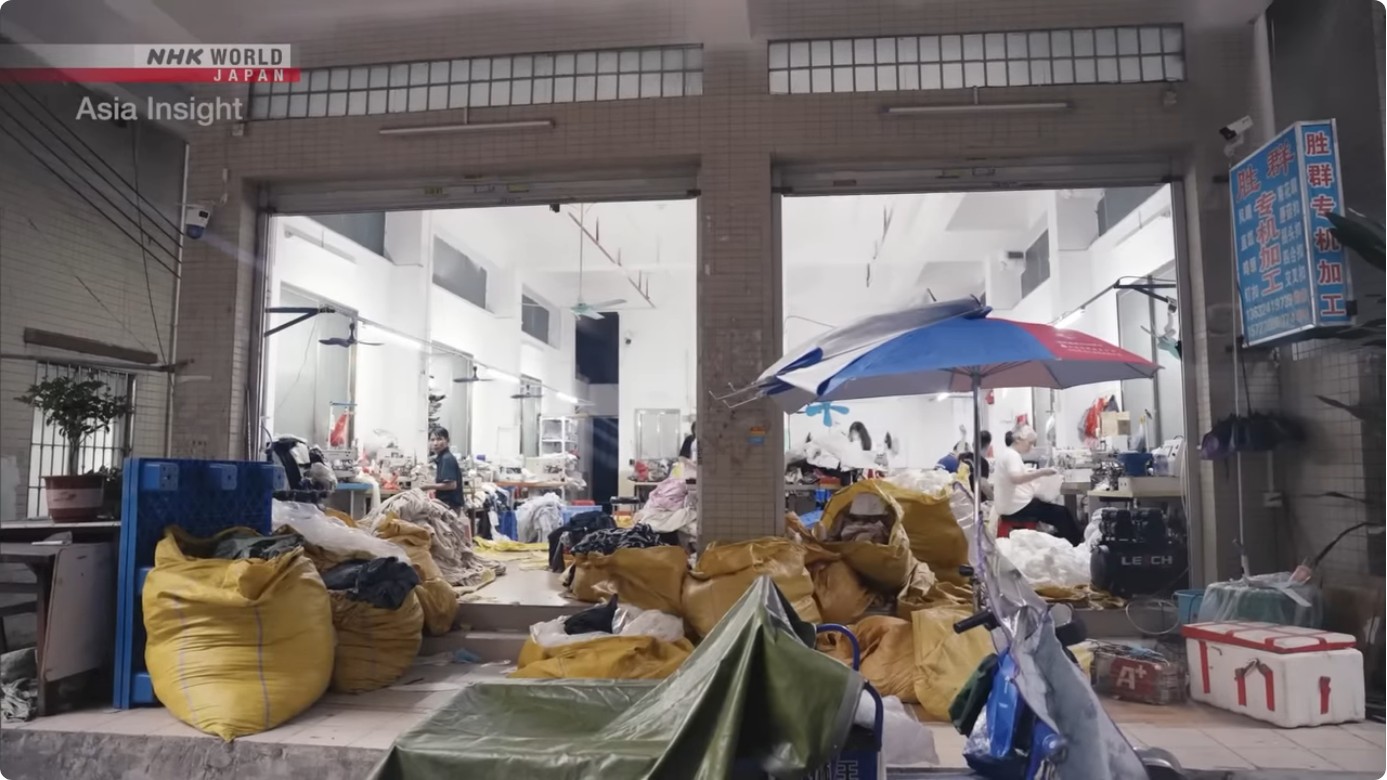
3. Validate Quality Systems and Certifications
Do not assume quality. Request evidence of their systems. Relevant certifications include:
- ISO 9001: General quality management.
- WRAP (Worldwide Responsible Accredited Production): Focuses on ethical manufacturing, workplace conditions, and compliance. Crucial for brands with ESG commitments.
- OEKO-TEX Standard 100: Certifies that textiles are tested for harmful substances. Essential if your marketing emphasizes safety and non-toxicity.
- Specific brand audits: Some factories hold approved supplier status for major brands (e.g., Nike, Lululemon). While confidential, their existence signals a high operational standard.
4. Map the True Total Cost and Lead Time
The “price per unit” quote is not the whole story. Build a cost model that includes:
- Fabric and trim costs (are they included or do you supply?).
- Pattern making and sampling fees (often charged separately).
- Tooling/mold costs for special features (e.g., reflective piping, custom zippers).
- Inspection and quality control fees.
- Shipping, insurance, and customs duties (FOB vs. DDP terms).
A $8 t-shirt from a factory in Cambodia could end up costing $12 landed in the USA after all add-ons, whereas a $10 t-shirt from a vertically integrated factory in Portugal might include more value-added services.
A Practical Sourcing Checklist
Use this list when vetting a potential custom sportswear manufacturer.
Conclusion: From Global Footprint to Your Factory Floor
So, where is Adidas produced? Everywhere its strategy demands: in massive, efficient Asian hubs for scale; in specialized European workshops for premium and speed; and in responsive American facilities for market proximity. This multi-pronged approach is a luxury of a multi-billion-dollar brand managing thousands of products.
For you, the lesson is simpler and more actionable. Your sourcing success depends not on replicating this global map, but on finding a manufacturing partner whose capabilities, scale, and quality systems align precisely with your project’s definition. The right factory is the one that can meet your MOQ, understand your fabric specs, navigate your quality standards, and communicate clearly—all while fitting your budget and timeline. This requires due diligence, clear communication, and a partnership mindset, not just a transactional purchase order.
Ready to Source Your Custom Sportswear?
Understanding the landscape is the first step. The next is finding a factory that treats your order with the focus it deserves.
We manufacture all the styles discussed in this guide — with custom labels, fabric options, and print or embroidery finishing. Tell us what you need.
Tags: where is adidas produced
Helpful tip: Raw Hem Hoodies: A Sourcing Guide for Brands and Buyers