
Embroidery on fur transforms plush, high-margin apparel into statement pieces. For sportswear brands, fashion labels, and team outfitters, it offers a premium way to apply logos, names, or designs to hoodies, jackets, and accessories. Unlike flat-knit fabrics, fur’s fibrous, three-dimensional surface presents unique technical challenges and aesthetic rewards. Sourcing it correctly requires understanding material behavior, stitch engineering, and production tolerances to avoid costly rework or compromised durability.
This guide breaks down everything a wholesale buyer or brand manager needs to know about incorporating embroidered fur into a custom collection. We’ll cover the core techniques, material variables, design limitations, and critical production questions to ask your manufacturer. Whether you’re planning a limited-edition luxury tracksuit or custom warm-up gear for a professional team, this article provides the actionable framework for a successful, scalable order.
What Is Embroidery on Fur, Technically?
At its core, embroidery on fur involves stitching thread through a fur base—either real animal hide or synthetic faux fur—to create a design. The process differs significantly from embroidering on tightly woven fabrics like cotton twill or polyester mesh. Fur is a non-woven, pile-based material with a soft, often unstable backing. The needle must penetrate the leather or knit backing without excessively disturbing the pile, while the thread must lie flat and secure atop the fibers.
You may also like: The Men’s Cap Sleeve T-Shirt: A Sourcing Guide for Brands & Buyers
Two primary methods are used in industrial sportswear production:
- Direct Embroidery: The design is stitched directly onto the fur surface. This is common for low-pile faux fur or shearling. It requires precise digitization to minimize stitch density and prevent the design from sinking into the pile or causing the backing to pucker.
- Embroidery on a Fur Patch: A separate, tightly woven backing (like a non-woven stabilizer or thin felt) is embroidered with the design. This embroidered patch is then adhesively or topstitched onto the fur garment. This method is often preferred for high-pile fur or delicate real fur, as it isolates the embroidery stress from the fur’s main structure, improving durability and allowing for more complex designs.
The choice between these methods impacts cost, MOQ, lead time, and the final hand-feel. A reputable OEM/ODM partner will recommend the appropriate technique based on your fur specification and design file.
Key Applications in Custom Sportswear & Activewear
While fur accents are traditionally associated with luxury outerwear, they have a distinct niche in performance and team apparel, often for premium or cold-weather segments. Common applications include:
- Team Logos on Hoodies & Jackets: College, professional, and club teams frequently use faux fur-lined hoodies or Sherpa jackets with embroidered team crests or mascots. The contrast between the plush fur and crisp embroidery creates a high-value uniform piece.
- Fashion Brand Activewear: Contemporary athleisure lines incorporate fur details—like hood linings or cuff accents—with subtle, brand-specific embroidery for a luxury streetwear aesthetic. Think a minimalist wordmark on a calf-length faux fur coat or a small embroidered icon on a fur-trimmed beanie.
- Corporate & Event Apparel: Custom fleece or track jackets with fur collars for corporate retreats, ski trips, or high-profile events often feature embroidered company logos or event dates.
- Premium Accessories: Embroidered faux fur bags, backpacks, or even the interior lining of high-end gym bags.
In each case, the embroidery serves as the primary branding element. The fur’s texture acts as a premium backdrop, making the stitched design a focal point. This is not for mass-market basics; it’s for products positioned at a higher price point where perceived quality and uniqueness drive sales.
Material Variables: Fur Type, Pile, and Backing
The single most critical factor in sourcing embroidered fur is defining the exact fur material. Your manufacturer’s capability is directly tied to this specification. Here’s what to consider:
| Material Factor | Considerations for Embroidery | Sourcing Implication |
|---|---|---|
| Fur Type | Faux Fur: Highly consistent. Pile length and density can be engineered. Easier to digitize for. Real Fur (Shearling, etc.): Natural variation in hide thickness, stretch, and pile direction. Requires more skilled operators and careful layout planning to avoid patches of thin or thick leather. | Faux fur is far more common and reliable for custom production at scale. Real fur embroidery is a niche craft with higher minimums and cost. Always request physical swatches of the exact fur grade you intend to use. |
| Pile Height & Density | Low-pile (e.g., 5-10mm) faux fur is ideal for direct embroidery; the design remains crisp. High-pile (20mm+) fur almost always requires the patch method, as long stitches will sink into the pile and look lost. Dense, short pile provides a more stable surface. | Specify pile height in millimeters. A good supplier will advise on the maximum stitch length and density for your chosen pile to ensure readability. |
| Backing Material | The backing (the leather/skin on real fur, or the knit base on faux fur) must be strong enough to hold stitches without tearing. Some faux furs have a flimsy, stretchy backing that requires a heavy stabilizer or the patch method. | Request the backing composition (e.g., 100% polyester knit, cotton-poly blend, leather). This dictates hoopability and stabilizer needs. |
Practical Tip: When sourcing, provide your factory with not just a Pantone color for the fur, but a physical swatch of the exact fabric bolt. Pile behavior can vary between batches, and a swatch allows for accurate test embroidery.
Design & Digitization: Limitations and Opportunities
You cannot take a standard vector logo file and send it directly to an embroidery machine for fur. The design must be digitized specifically for the fur substrate. This is a specialized skill. A digitizer must:
- Reduce Stitch Density: Use more underlay stitches to secure the area without over-compacting the pile.
- Adjust Stitch Length: Longer stitches may be used in fill areas to sit atop high pile, but this risks snagging. A balance is key.
- Consider Directional Stitching: Stitching with or against the pile direction affects how the final design lies. The digitizer should account for this.
- Simplify Complexities: Very small text (<10mm height), fine lines, and extreme color gradients often don’t render well on fur. The design may need simplification.
A common pitfall is assuming a logo that works perfectly on a polyester jersey will translate to fur. Expect an iterative process: your factory will run a test swatch, you’ll approve the visual, and then production can begin. Always budget for and require a physical sample approval before committing to bulk.
Production & Sourcing: MOQs, Lead Times, and Quality Control
Sourcing embroidered fur as part of a custom activewear line involves distinct production parameters compared to flat embroidery.
Typical Minimum Order Quantities (MOQs)
MOQs are driven by the embroidery setup and fur fabric procurement.
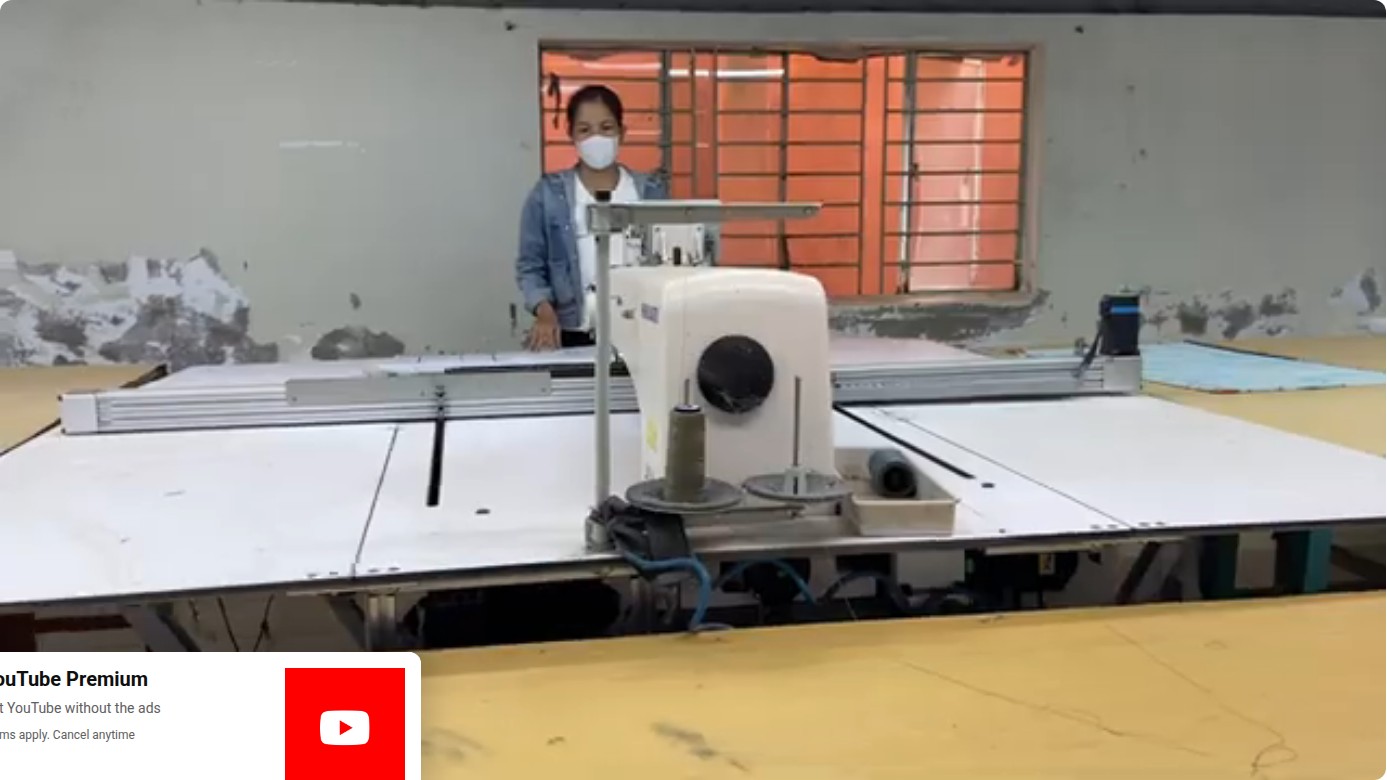
- Embroidery Setup: Digitizing a fur-specific design is a manual, skilled process. Factories typically charge a one-time digitizing fee ($50-$200 depending on complexity) and may have a style MOQ of 50-100 pieces for embroidery work.
- Fur Fabric: Custom-dyed faux fur often has a higher MOQ (e.g., 300-500 yards) from the textile mill. If you’re using a supplier’s stock fur, their cut length minimums apply.
- Combined Garment MOQ: For a fully custom hoodie with fur lining and embroidery, a typical factory MOQ might range from 200 to 500 units per style/color. This ensures efficient cutting, sewing, and embroidery batching.
Lead Times
Expect longer lead times than for a basic embroidered tee. A realistic timeline includes:
- Fur fabric sourcing/confirmation: 1-2 weeks
- Digitization & sample approval: 1-2 weeks (this is the critical path)
- Bulk embroidery & garment assembly: 3-5 weeks
Total: 5-9 weeks from approved spec and sample. Rush jobs are possible but costly and risk quality.
Key Quality Markers to Specify
When negotiating with a factory, clarify these quality control points:
- Stabilizer Use: Will they use a tear-away or cut-away stabilizer? For fur, a lightweight, non-woven stabilizer is standard. Confirm it will be cleanly removed or remain hidden.
- Thread Tension: Loose tension causes loops; tight tension causes fabric puckering and potential backing tears. Ask about their tension settings for fur.
- Backing Integrity: After embroidery, the fur backing should not be torn, distorted, or show needle holes outside the design area.
- Pile Recovery: The fur pile around the embroidered area should spring back normally, not be matted down or burned by needle friction.
- Colorfastness: The embroidery thread should be colorfast to light and washing. Specify brand-name threads like ISACORD or Poly, which are industry standards for vibrancy and durability.
Caveats and Tradeoffs in Custom Fur Embroidery
No process is without limitations. Understanding these tradeoffs upfront prevents disappointment.
- Durability vs. Aesthetics: Heavier, denser embroidery looks bold but can stiffen the fur and make the garment less supple. For a luxury hand-feel, opt for lighter density and simpler designs.
- Real Fur Complications: Real fur hides vary in thickness. Embroidery may look different across a single garment. The leather side (if using shearling) embroiders more consistently than the fur side. Moisture and oils in real leather can affect thread adhesion over time.
- Placement Restrictions: Avoid embroidering over seams, thick seams (like a ribbed cuff), or areas with heavy stretch (like the side of a fitted hoodie). The embroidery will crack. Flat, stable panels are best.
- Wash Care: Embroidered fur items often require special care. Aggressive machine washing can mat the pile and stress stitches. The care label should recommend gentle, cold water wash or professional cleaning. This is a key point to communicate to your end customer.
- Cost Premium: Expect a 30-100% premium over embroidery on a standard cotton hoodie, depending on the fur quality and embroidery method. This is a premium product line.
Bottom Line: Embroidery on fur is a differentiator, not a commodity. Its value lies in exclusivity and tactile appeal, not in high-volume, low-cost production.
What to Communicate to Your Factory: A Checklist
When requesting a quote, provide as much detail as possible. Use this checklist to structure your inquiry:
- Garment Spec: Style number/description, fabric composition (e.g., “100% polyester faux fur, 20mm pile, backing: cotton-poly knit”), and color (with Pantone or physical swatch).
- Embroidery Design: High-resolution vector file (AI, EPS, SVG) AND a raster mock-up showing placement on the garment. Specify approximate size in centimeters/inches.
- Thread Colors: Provide thread color references (e.g., Pantone to thread matching chart). State if you have a preferred thread brand.
- Method Preference: Direct embroidery or patch? If unsure, ask for their recommendation based on your fur spec.
- Quantity Breakdown: Sizes, colors, and any size/color-specific embroidery variations (e.g., player names & numbers).
- Quality Expectations: Request their standard for acceptable vs. defect (e.g., “no more than 1 loose stitch per 1000 stitches,” “no puckering within 5mm of design edge”).
- Sample Approval Process: Define that a pre-production sample (approval sample) must be shipped and signed off before bulk cut.
Vague inquiries like “Can you embroider on fur?” will yield vague answers. Precision in your request leads to precision in pricing and scheduling.
Case in Point: Two Scenarios
Scenario A – A Fitness Brand’s Premium Zip-Up:
A brand wants a limited-edition zip-up hoodie with a faux fur hood and small embroidered logo on the left chest. Pile is 15mm. Recommendation: Use the patch method. Digitize a simple, bold logo. MOQ: 300 units. Lead time: 7 weeks. Communication point: Stress that the patch must be sewn down securely along all edges to prevent peeling after wear.
Scenario B – A University’s Fan Jacket:
A university bookstore wants a varsity-style jacket with a shearling collar and large, detailed mascot embroidered on the back. Shearling is 8mm pile, leather side is smooth. Recommendation: Direct embroidery on the leather-smooth side of the shearling collar (if design fits) or a patch on the fur side. Digitizer must simplify fine details. MOQ: 500 units. Lead time: 8 weeks. Communication point: Specify that embroidery must not cause the leather to stiffen excessively, as the collar needs to drape naturally.
How to Vet a Manufacturer for Fur Embroidery
Not all sportswear factories have experience with fur. During your vetting process, ask specifically:
- “Can you provide samples of previous work embroidering on similar fur pile heights?” (They should have physical samples, not just photos).
- “What is your standard process for stabilizing high-pile fur during embroidery?” (Listen for specifics about stabilizer type and hoop tension).
- “Do you digitize in-house, and does your digitizer have experience with fur substrates?”
- “What is your typical reject rate on fur embroidery runs, and how do you handle defects?”
- “For real fur, do you have protocols for handling natural hide variations and grain direction?”
A factory that answers confidently with process details is a safer bet than one that gives generic assurances.
Final Considerations: Is It Right for Your Line?
Before committing, weigh the strategic fit:
- Target Price Point: Can your retail price absorb the 30-100% cost premium? This process is for $120+ retail items, not $30 basics.
- Brand Alignment: Does the tactile, premium nature of fur embroidery match your brand identity? It’s incongruent with a minimalist, tech-fabric-focused line.
- Collection Cohesion: Is this a one-off special or part of a broader Fur + Embroidery capsule? Consistency across styles simplifies production planning.
- Seasonality: Fur is inherently cold-weather. Plan your production and launch accordingly.
If the answers point to “yes,” then embroidery on fur can be a powerful tool to elevate your custom sportswear, creating pieces that feel exclusive, luxurious, and sharply branded.
Planning to add these styles to your collection? We produce custom versions with your branding, fabric choice, and sizing — from sample to bulk. Contact our team for details.
Helpful tip: What is a Hoodie with a Zipper Called? A Guide for Brands & Buyers