
The oversized drop shoulder tee is more than a fleeting trend; it’s a staple silhouette that has fundamentally reshaped casual and athletic apparel. For brands, gyms, and wholesale buyers, understanding this style’s construction, market appeal, and customization potential is crucial for making informed sourcing decisions. This guide breaks down the technical and commercial aspects of the drop shoulder tee, moving from its defining characteristics to the practicalities of OEM and ODM production.
Unlike a standard crewneck, the drop shoulder’s sleeve seam sits lower on the body, creating a broader, more relaxed shoulder line that flows into an intentionally loose torso. This silhouette transcends simple bagginess; it’s a deliberate design choice that impacts fabric drape, movement, and branding canvas. Whether you’re launching a streetwear line or outfitting a fitness community, mastering this style means balancing aesthetic intent with production realities.
What Defines an Oversized Drop Shoulder Tee?
At its core, the style is defined by two intersecting features: the drop shoulder construction and an oversized fit. Let’s dissect what that means for the garment’s profile and performance.
The Anatomy of the Drop Shoulder
The “drop” refers to the vertical distance between the top of the shoulder (where the sleeve head attaches) and the neckline. In a traditional fitted tee, this point is at the natural shoulder seam. In a drop shoulder, the sleeve is set several inches lower, often aligning with the top of the chest or even the ribcage. This creates a distinctive “slouched” shoulder appearance and removes the typical shoulder seam pressure point. For the wearer, this means greater freedom of movement in the arms and upper back, making it surprisingly functional for low-impact activities or all-day wear.
Understanding “Oversized” in a Sportswear Context
Oversized is not synonymous with “one size fits all.” It is a proportional cut. The body length is often standard or slightly longer to accommodate the broader cut without rising on the hips. The chest and sleeve circumferences are increased significantly from a standard fit. The key for manufacturers and buyers is to define the degree of “oversize.” Is it a modern, tapered oversized look (still roomy but not tent-like), or a true boxy, streetwear-inspired cut? This specification will dictate pattern making and fabric consumption estimates.
Typical Fabric Choices & Their Impact
The drape and hand feel of the fabric are magnified in this silhouette. Common fabrications include:
- Cotton Jersey (100% or Blends): The classic choice. A 180-220 GSM (grams per square meter) brushed cotton provides a soft, structured drape that holds the oversized shape without being too stiff. Textile Exchange standards can guide sustainable cotton sourcing.
- French Terry: Offers a slight texture with looped back yarn, providing a more premium, athletic feel and better moisture management than standard jersey. Its weight (250-300 GSM) gives excellent structure.
- Performance Knits: Moisture-wicking polyester or nylon blends with stretch (e.g., 5-10% elastane) are ideal for gyms and teams. The stretch accommodates the oversized cut while the wicking properties manage sweat. Look for fabrics meeting ASTM moisture management standards.
- Heavyweight Cotton: 300+ GSM canvas or similar fabrics create a durable, substantial garment popular in workwear-inspired streetwear. It has minimal drape and a very rigid shape.
The fabric choice directly influences the garment’s final silhouette, durability, cost, and suitability for different use cases.
Who is Buying This Style? Market Applications
The oversized drop shoulder tee’s versatility is its greatest selling point for B2B buyers. Its appeal spans multiple, sometimes overlapping, markets.
Quick Summary: Buyer Personas
- Streetwear & Fashion Brands: Seek unique branding real estate (large back prints, off-center sleeve logos) and premium fabrics. MOQs can be lower for niche brands.
- Gyms & Fitness Studios: Value comfort, range of motion, and moisture-wicking fabrics. Often order in bulk for member merch or retail. Logo placement is typically left-chest and back neck.
- Sports Teams & Esports Orgs: Use it for casual teamwear, travel kits, or fan merch. Branding is bold and centered. Durability and consistent color across batches are critical.
- Corporate & Event Apparel: For conferences, team building, or promotional giveaways. The style feels modern and comfortable. Cost and quick turnaround are key drivers.
Custom Manufacturing: Key Options & Considerations
Sourcing a custom oversized drop shoulder tee involves navigating a matrix of choices. The right combination depends on your target market, brand identity, and budget.
1. Fabric & Garment Construction
This is the first and most critical decision. You can select from a manufacturer’s standard catalog or request an ODM development of a specific fabric blend.
- Trade-off: A 100% cotton tee is simple and cost-effective but may shrink more and wick moisture poorly. A performance polyester blend costs more but offers functional benefits essential for athletic use. A heavyweight French terry sits at a premium price point with a distinct, luxurious feel.
- Sourcing Tip: Always request a physical fabric swatch and a pre-production sample (“fit sample” or “counter sample”) before committing to a full run. The drape on a hanger versus on a body can differ.
2. Fit Adjustments & Pattern Making
Not all “oversized” patterns are created equal. A good OEM partner will allow adjustments to:
- Body Length: Crucial for the intended aesthetic. A “cropped” oversized tee is a different product than a full-length one.
- Sleeve Depth/Circumference: Affects the shoulder drop and overall volume.
- Hem & Cuff Style: Ribbed hem and cuff vs. a clean finished hem. Ribbing adds structure and recovery; a clean hem offers a cleaner, more minimalist look.
Decision Point: For brands with a specific vision, investing in a custom pattern (often a small fee deducted from the final order) ensures consistency across styles and future collections. For a first order, modifying the factory’s existing “oversized tee” pattern is the most cost-effective path.
3. Branding & Decoration Placement
The ample surface area of an oversized tee is a designer’s dream but requires strategic planning for production efficiency.
| Method | Ideal For | Considerations |
|---|---|---|
| Screen Printing | Bold, single-color logos, large back prints, sleeve logos. | Cost-effective at medium/high volumes. Setup fees per color. Placement on thick fabric can feel plasticky if not done well. |
| Embroidery | Left-chest logos, sleeve patches. Adds perceived value. | Can be stiff on lightweight fabrics. Best on stable knits like French Terry or heavier jersey. Cost per stitch. |
| DTG (Direct-to-Garment) | Full-color, photorealistic prints, small runs, all-over designs. | No setup fees. Best on 100% cotton or high-cotton blends. Ink can feel less breathable on dark fabrics. |
| Heat Transfer Vinyl (HTV) | Simple lettering, numbers, small logos. Good for team names/numbers. | Durability varies. Can crack or peel with poor application or abrasive washing. Not ideal for high-movement areas. |
4. Minimum Order Quantities (MOQs) & Production Timelines
MOQs are the gatekeeper for custom orders. They vary dramatically by factory, decoration method, and fabric sourcing.
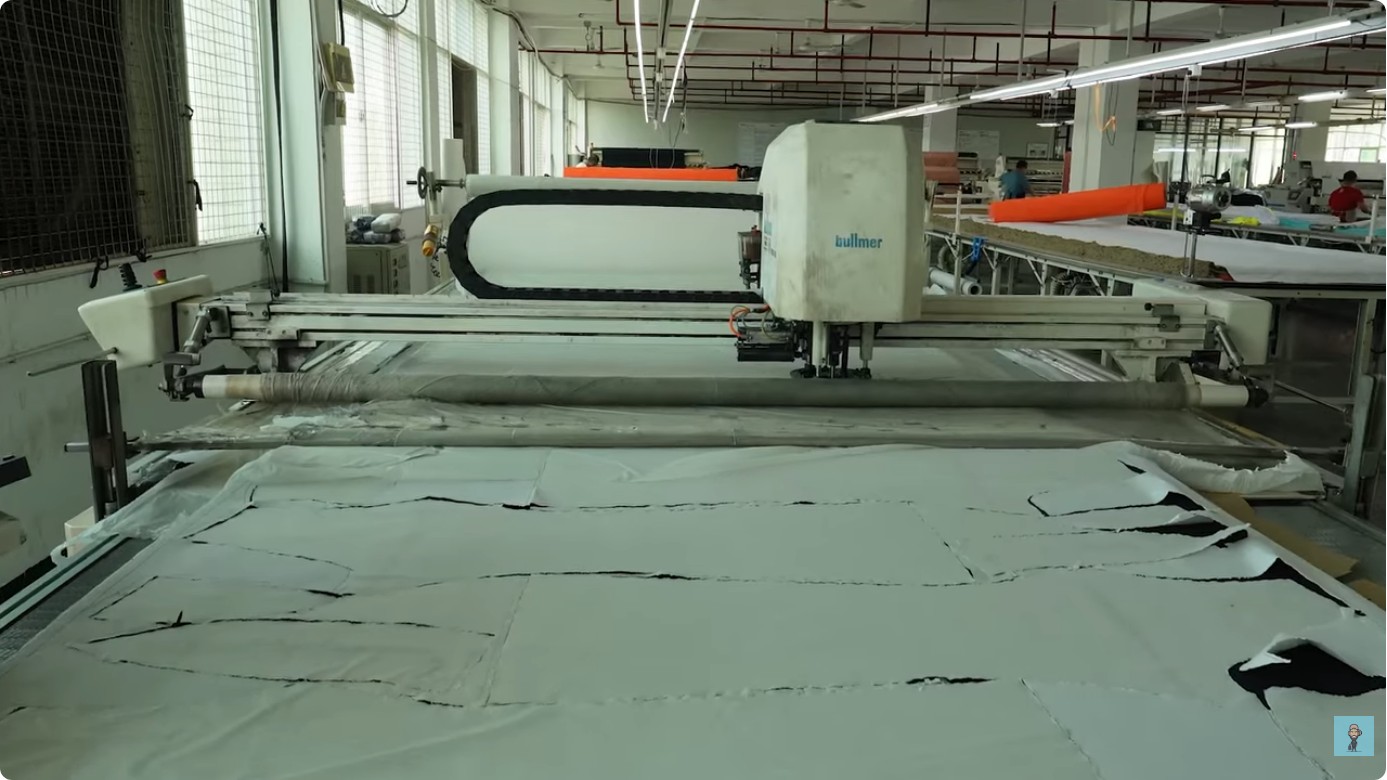
- Standard OEM: Factories often have MOQs of 50-100 pieces per style/color for basic decorated garments using their stock fabrics.
- Custom Fabric/ODM: Developing a proprietary fabric or significantly modifying a pattern typically raises MOQs to 300-500+ units due to yarn sourcing and sample costs.
- Decoration-Only: If you provide the blank garments, decoration-only MOQs can be as low as 10-20 pieces, but you must manage the blank sourcing, quality control, and logistics.
- Lead Time: Standard production is 4-8 weeks after sample approval and fabric sourcing. Custom development can add 4-12 weeks. Factor in shipping and customs clearance.
Pro Sourcing Advice: Be upfront about your target order volume. A reputable factory will work with you to find a solution—perhaps by suggesting a stock fabric that meets your needs to lower the MOQ, or by combining your order with another client’s for a shared fabric lot.
Critical Questions to Ask Your Manufacturer
Before finalizing a quote, vet potential partners with this checklist:
- Can you provide a tech pack template? A detailed tech pack (with measurements, fabric specs, construction details, and branding guidelines) is non-negotiable for clear communication and accurate quoting.
- What is your standard shrinkage rate for this fabric/cut? Oversized fits are less forgiving of shrinkage. A 5% shrink could make the tee uncomfortably tight.
- Do you have in-house pattern makers? This is vital for fit adjustments and creating a consistent pattern for future styles.
- Can you source specific certified fabrics (e.g., GOTS organic cotton, recycled polyester)? If sustainability is a claim, you need traceability. Ask for mill certificates.
- What are your quality control checkpoints? Is there an in-line QC during sewing and a final QC before packing? Who bears the cost of fixing major defects?
- What is your policy on shade variations between fabric batches? For brands, color consistency is paramount. The factory should have a process for lab dipping and approval to prevent receiving goods in slightly different hues.
Navigating Tradeoffs: The Buyer’s Decision Matrix
Sourcing this style often involves balancing competing priorities. Use this simplified framework to clarify your needs:
| If Your Priority Is… | Then Focus On… | Potential Compromise |
|---|---|---|
| Lowest Unit Cost | Factory’s stock fabric, standard pattern, high MOQ (500+), simple screen print. | Limited customization, longer lead times, less flexibility on fit. |
| Unique Brand Identity | Custom fabric development, bespoke pattern, specific decoration (e.g., DTG all-over). | Higher MOQs (often 1000+), significantly higher per-unit cost, much longer development timeline. |
| Quick Turnaround | Using factory’s in-stock blanks and standard decoration. “Quick ship” programs. | Very limited fabric/color choices, often only basic decoration locations. |
| Functional Performance | Verified performance fabrics (wicking, 4-way stretch), flatlock seams, tagless labels. | Often higher cost, may have less classic “tee” hand-feel, color palettes can be limited to performance fabric options. |
Ready to Source Your Signature Drop Shoulder Tee?
Translating a style vision into a consistent, high-quality custom product requires a manufacturing partner who understands both fashion and function. The oversized drop shoulder tee sits at that intersection, demanding attention to pattern, fabric drape, and decoration strategy. Whether you’re a startup brand prototyping your first collection or an established retailer expanding your activewear line, the right OEM/ODM partnership turns this popular silhouette into a profitable, brand-defining product.
Whether you’re a startup brand or an established retailer, we manufacture custom sportswear at competitive MOQs. Reach out to start your project.