
When historic team rivalries collide on the global stage, the demand for meaningful apparel surges. For brands, retailers, and teams, capitalizing on this passion means more than just selling t-shirts—it’s about creating tangible connections to iconic moments. The 2010 World Cup featured legendary rivalries that still resonate, from historic European clashes to intense intercontinental matchups. This guide translates that fan and team energy into a practical framework for sourcing and manufacturing custom sportswear that performs, resonates, and sells.
Whether you’re a fashion brand launching a capsule collection, a sports team needing kits for a rivalry match, or a retailer stocking fan merchandise, understanding the production lifecycle is key. We’ll break down the essential features of rivalry-themed apparel, the manufacturing options available, and the critical questions to ask your factory to ensure quality and authenticity.
Why Team Rivalries Drive Unique Apparel Demands
Rivalry games are high-emotion events. Fans don’t just want to watch; they want to wear the narrative. This creates a distinct product profile compared to everyday activewear. Apparel tied to a specific rivalry often needs to:
- Convey narrative quickly: Design elements must reference the teams, historic matches, or national pride without needing explanation.
- Withstand celebratory (and sometimes contentious) environments: Fabrics and construction need durability for wear in stadiums, pubs, and on the street.
- Offer perceived authenticity: Fans and players alike are savvy. Poor-quality prints, flimsy fabrics, or incorrect team details can lead to negative sentiment and returns.
The 2010 World Cup Rivalry Lens
While this guide applies to any rivalry, the 2010 World Cup provides a rich case study. Matches like Spain vs. Portugal, Germany vs. England, and the Netherlands vs. Spain (in the final) featured deep-seated histories. Apparel for such events often blends:
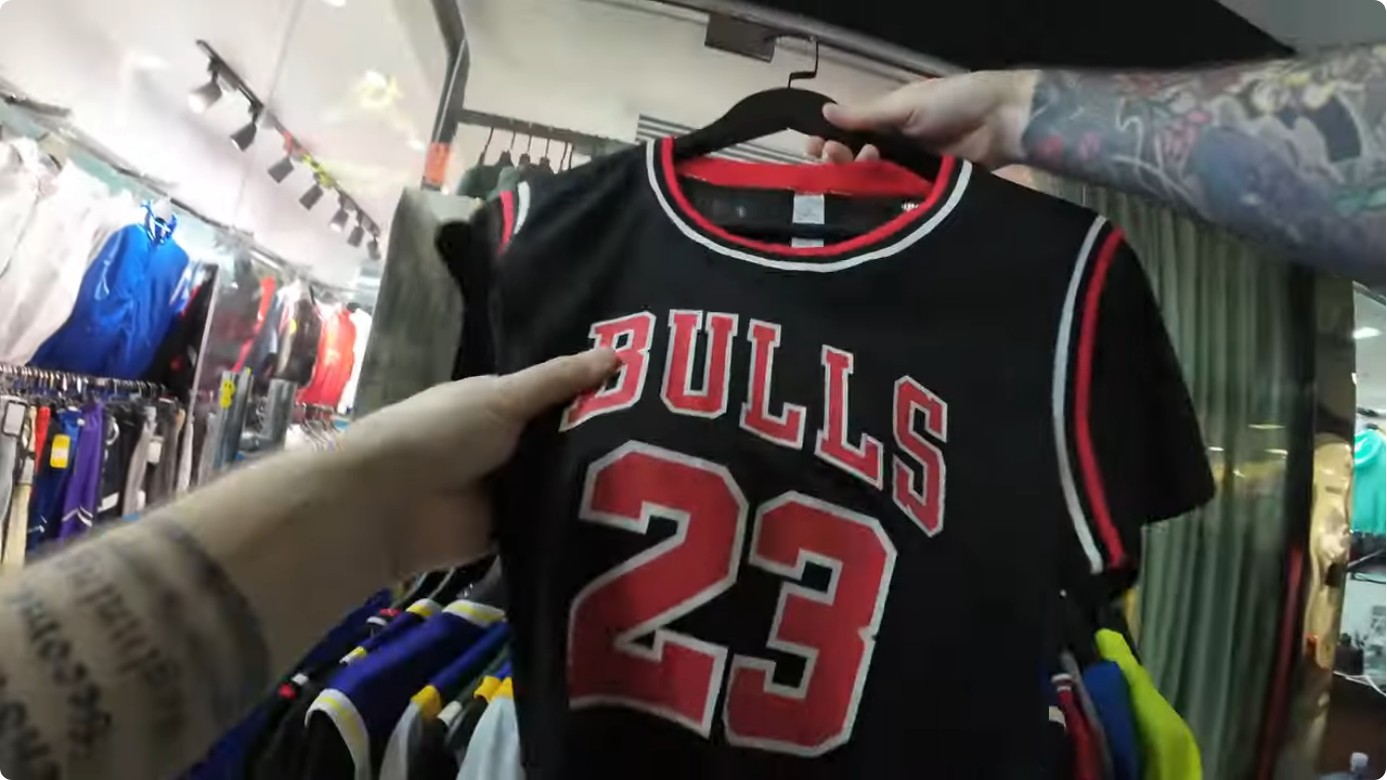
- National iconography: Colors, crests, and symbols with strict usage guidelines.
- Match-specific details: Dates, venues, or tournament branding.
- Retro or heritage nods: Referencing past iconic kits from the teams involved.
For a custom manufacturer, this means navigating potential licensing restrictions while delivering a product that feels official.
Key Features of High-Impact Rivalry Apparel
When specifying a custom order, focus on these core attributes that separate tournament-level gear from generic basics.
1. Fabric Selection: Performance Meets Pride
The choice of fabric dictates both comfort and perceived value. For fan jerseys and t-shirts, a 100% cotton or cotton-polyester blend (e.g., 60/40) offers breathability and a classic feel. For performance player kits, moisture-wicking polyester is non-negotiable. Consider the climate of the primary market— World Cup events span various conditions, so offering options for different weights and finishes (e.g., lightweight for summer, brushed back for cooler weather) is a significant selling point.
2. Graphics Application: Longevity is Key
Rivalry apparel lives or dies by its graphics. The main methods are:
- Sublimation: Ideal for all-over, complex designs on light-colored polyester. The dye becomes part of the fabric, offering exceptional durability and no cracking. The gold standard for authentic-looking jerseys.
- DTG (Direct-to-Garment): Best for detailed, multi-color prints on cotton-rich fabrics. Excellent for small runs and intricate graphic tees referencing a specific match moment.
- Heat Transfer Vinyl (HTV): Good for simple, bold logos and numbers. Can feel rubbery and may crack over time if not applied with high-quality material.
- Embroidery: The premium option for crests and logos. Provides a 3D, tactile feel that signifies quality. Critical note: Ensure your factory uses the correct thread types (polyester for athletic wear) and has proper digitization for complex crests.
3. Fit and Construction
Authenticity in fit is crucial. Player-replica jerseys use an athletic, tailored cut. Fan versions often use a standard or relaxed fit. For cargo pants or hoodies (popular for fanwear), attention to pocket design, seam strength, and ribbing quality (at cuffs and waistband) separates a product that lasts a season from one that lasts years. Reinforced stress points (like shoulder seams on jerseys) are a key quality marker to specify.
Manufacturing Pathways: OEM vs. ODM for Rivalry Collections
Your sourcing strategy depends on your brand’s design capability and speed-to-market needs.
| Aspect | OEM (Original Equipment Manufacturer) | ODM (Original Design Manufacturer) |
|---|---|---|
| Best For | Brands with complete, finalized tech packs and designs. | Brands or retailers wanting to leverage existing, proven factory designs with minor customization (e.g., color, logo placement). |
| Design Control | Full control. You provide every detail. | Limited. You select from the manufacturer’s catalog and apply your branding. |
| Speed | Longer. Pattern making, sampling, and approval cycles add time. | Faster. Can bypass initial development for proven styles. |
| MOQ (Minimum Order Quantity) | Often higher due to setup costs for unique patterns/prints. | Often lower, as styles are already in production. |
| Cost Structure | Higher NRE (Non-Recurring Engineering) costs upfront for patterns/screens. | Lower upfront costs; pricing based on chosen base style. |
| Risk | Higher if your design has unforeseen production issues. | Lower; you’re modifying a proven product. |
For a time-sensitive collection around a major tournament, ODM can be a strategic shortcut. For a brand building a long-term identity around specific rivalry aesthetics, OEM is necessary for full uniqueness.
Sourcing and Production: Critical Considerations
Before committing to a factory, you must navigate several decision points that impact cost, quality, and legality.
Licensing and Legal Compliance
This is the most significant caveat. Using official team crests, tournament logos (like FIFA World Cup), or national federation trademarks without a license is illegal. Factories will often refuse to produce infringing goods. Your options are:
- Obtain an official license: Expensive and complex, typically for large, established brands.
- Create inspired, non-infringing designs: Use generic references (e.g., “The Classic Clash,” color-blocking that hints at team colors without being identical, historic dates that are public fact).
- Focus on player names/number styles: These can be more generic (e.g., “Vintage 2010” style numbering) but must avoid specific player names without separate player image rights.
Action: Consult with legal counsel on your design direction. A reputable factory will advise you on what they can and cannot produce regarding IP.
Understanding True MOQs
Quoted MOQs are not just about units. They are often based on:
- Color Runs: Each unique color in a garment (fabric, thread, print) may have a separate minimum.
- Size Breakdown: Factories need a balanced size ratio (e.g., S:M:L:XL). An order of 500 units might require a minimum of 100 units per size, not 500 total in any sizes.
- Style Complexity: A simple black t-shirt has a lower MOQ than a 5-color sublimated jersey with intricate seams.
The Sampling Imperative
Never skip the paid sample stage. For rivalry apparel, you must evaluate:

- Print/Embroidery Accuracy: Are colors true? Are crest details crisp?
- Fabric Hand Feel: Does it match the spec? Is the weight appropriate?
- Sizing: Get a sample in your key size and have it measured against your size chart.
- Construction: Check seam neatness, hem finishes, and placement of tags/labels.
What to Communicate to Your Factory: A Buyer’s Checklist
Clear communication prevents costly errors. Provide your factory with a comprehensive tech pack. At minimum, it should include:
- Design Files: Vector files (AI, EPS, SVG) for logos/crests. High-resolution raster files for complex artwork. Specify Pantone colors for critical elements.
- Fabric Spec: Exact composition (e.g., 100% Polyester, 180gsm), weave (e.g., mesh, piqué), and any special finishes (e.g., moisture-wick, anti-odor). Reference standards like AATCC for testing if needed.
- Artwork Placement: Precise measurements (in cm) from specified points (e.g., “Crest 10cm below neckline,” “Sleeve logo 15cm from shoulder seam”).
- Trim Details: Type of zipper (if any), brand/model of labels, care label content requirements for your target market.
- Packaging: Individual polybag? Bulk box? Any specific folding instructions?
- Target Retail Price Point (Optional but helpful): This allows the factory to suggest cost-effective alternatives if your initial spec is over budget.
Quality Markers to Look For
When reviewing samples or finished goods, inspect these details that signal true manufacturing quality:
- Stitch Density & Type: For jerseys, a chain-stitch or flatlock seam is standard and durable. For embroidery, check for tight, even stitching without gaps.
- Print Feel: Sublimation should feel like part of the fabric. DTG should be soft. HTV will have a distinct rubbery feel—ensure it’s flexible and not brittle.
- Fabric Weight Consistency: A 180gsm fabric should feel substantial, not thin or vary across the garment.
- Labeling: Are care labels correctly sewn in? Is the country of origin marked? Are your custom neck/size labels securely attached?
- Color Matching: Compare against your approvedPantone reference under natural light. Screen proofs can be misleading.
Making the Decision: Scaling Your Rivalry Line
The path you choose hinges on your business model. A new streetwear brand testing market response might start with a 500-piece ODM run of graphic tees using DTG on premium cotton. A national sports federation needing official match kits for a rivalry game would pursue OEM with sublimation, strict compliance, and a MOQ in the thousands. A retailer buying for a specific World Cup anniversary might order a mix: ODM for hoodies and joggers, and a small OEM batch for a special edition jersey.
The key tradeoff is always between uniqueness/cost and speed/risk. ODM offers speed and lower risk but makes you a modifier, not an originator. OEM offers true differentiation but requires more capital, time, and design expertise.
Ready to Bring Your Rivalry Vision to Life?
Do you have a specific rivalry-themed collection in mind? Understanding the nuances of fabric, print method, and legal parameters is the first step to a successful product line. Our team specializes in navigating these complexities, from initial design consultation through to bulk production of custom sportswear.
Planning to add these styles to your collection? We produce custom versions with your branding, fabric choice, and sizing — from sample to bulk. Contact our team for details.
Provide us with your concept, target market, and budget range, and we’ll outline the optimal manufacturing pathway, including realistic MOQs, lead times, and cost breakdowns for your specific project.
[…] You may also like: Sourcing Custom Sportswear for Team Rivalries: A Buyer’s Guide to High-Stakes Apparel […]