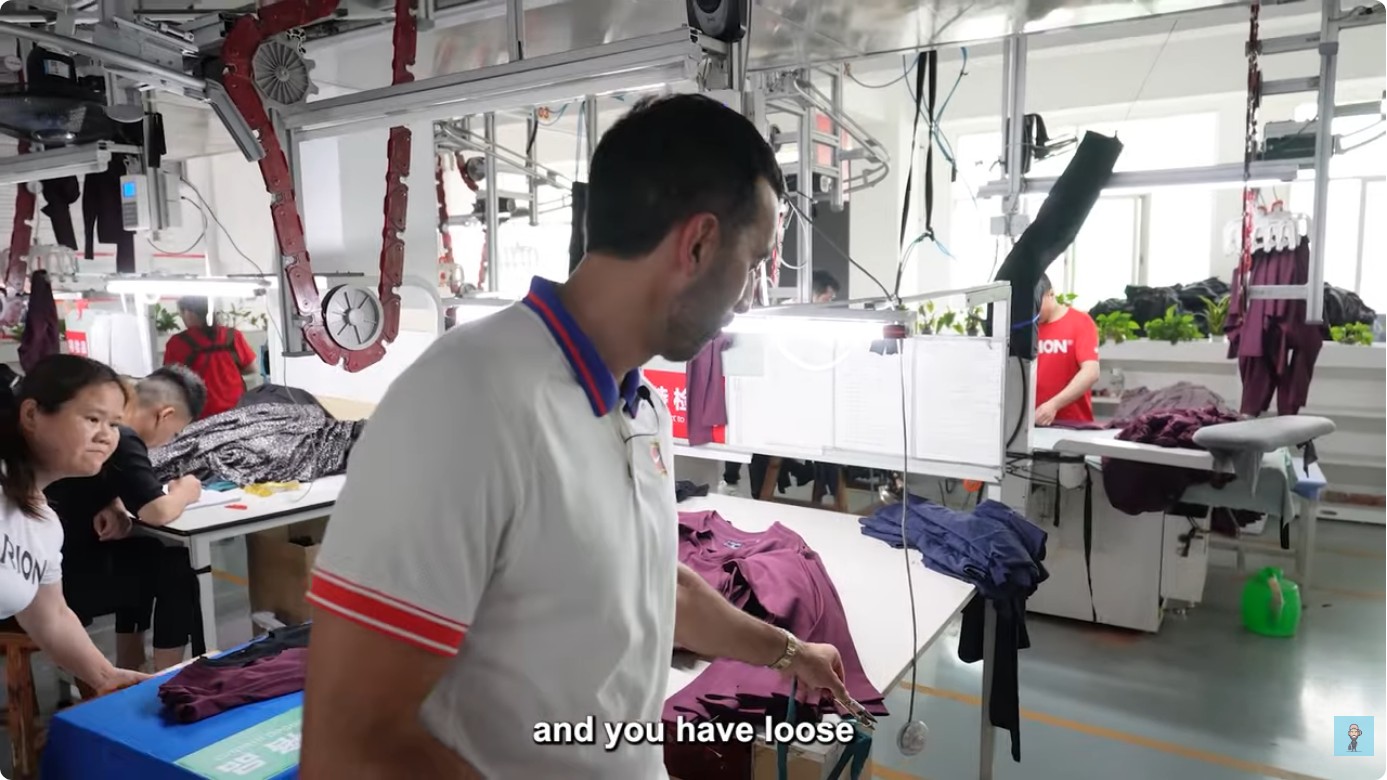
For brands, gyms, and teams sourcing high-quality custom apparel, the question of where to manufacture is pivotal. While offshore production has long dominated the industry, a significant and growing strategic alternative exists: domestic garment manufacturing in Australia. This isn’t merely about ‘Made in Australia’ labels; it’s about a complete production ecosystem tailored for responsiveness, quality control, and ethical compliance. For businesses involved in activewear—from performance t-shirts and hoodies to tracksuits and cargo pants—understanding the Australian manufacturing landscape is key to making informed sourcing decisions that align with brand values, logistical needs, and market positioning.
This guide cuts through the generalities to explore garment manufacturing in Australia from a practical B2B perspective. We’ll examine the core capabilities, dissect the real-world implications of local production for custom orders, and outline the critical factors you must evaluate when selecting a manufacturing partner. Whether you’re a startup brand launching your first line or an established retailer seeking a more agile supply chain, the nuances of Australian production directly impact your cost structure, quality assurance, and time-to-market.
Why Consider Australian Garment Manufacturing? A Practical Breakdown
The decision to manufacture in Australia often stems from a combination of necessity and strategic advantage. It’s crucial to move beyond the simple cost-per-unit comparison and evaluate the total landed cost and intangible benefits.
The Core Value Propositions: Beyond the Price Tag
Australian factories offer several decisive benefits that are increasingly valuable in today’s market:
- Radical Supply Chain Visibility & Control: Proximity allows for frequent, low-cost factory visits, direct communication with pattern makers and seamstresses, and real-time oversight of every production stage. This eliminates the communication latency and quality ambiguity common in offshore relationships. For complex customizations like unique paneling on performance tank tops or specialized pocket constructions on cargo pants, this direct oversight is invaluable.
- Ethical & Sustainable Credentials: Australia operates under stringent workplace health and safety laws (Fair Work Act) and environmental regulations. This provides verifiable assurance of ethical labor practices and responsible waste/chemical management—a key marketing point for brands targeting conscious consumers. Local production also drastically reduces the carbon footprint associated with long-haul freight.
- Agility and Speed to Market: Lead times are measured in weeks, not months. This enables true just-in-time production, rapid prototyping, and the ability to respond to trends or restock fast-selling items with minimal delay. For seasonal collections or event-based apparel (e.g., a gym’s annual competition gear), this speed is a competitive edge.
- Simplified Logistics and Risk Mitigation: No international shipping complexities, customs hold-ups, currency fluctuation risks, or geopolitical supply chain disruptions. Communication occurs in the same time zone, in English, with a shared understanding of commercial and quality standards.
The Reality Check: Understanding the Cost Structure
The primary trade-off is higher direct labor costs. Australian manufacturing wages are significantly higher than in countries like Bangladesh, Vietnam, or China. Therefore, the model is most viable for:
- Brands that prioritize quality and ethics over the lowest possible unit cost.
- Orders where the total cost of ownership (including shipping, duties, and quality failure risk) narrows the gap.
- Products where design intricacy or material handling demands close supervision.
- Brands using Australian manufacturing as a core part of their brand story and marketing.
| Factor | Australian Manufacturing | Typical Offshore Manufacturing (e.g., Asia) |
|---|---|---|
| Unit Cost | Higher (labor-intensive) | Lower |
| MOQ (Minimum Order Quantity) | Generally lower (often 50-200 units per style/color) | Generally high (often 500-1000+ units per style/color) |
| Lead Time | 4-8 weeks for production + sampling | 8-16+ weeks for production + shipping |
| Quality Control | Direct, continuous, and immediate | Remote, often based on AQL standards and pre-shipment inspections |
| Communication | Same time zone, no language barrier | Time zone challenges, potential language/cultural gaps |
| Flexibility for Changes | High; easier to make adjustments mid-production | Low; changes are costly and slow to implement |
| Ethical/Sustainable Proof | Easily auditable, transparent | Requires costly, scheduled third-party audits; risk of “audit fatigue” |
| Freight & Tariffs | None (domestic) | Substantial (sea/air freight, import duties) |
Capabilities: What Can You Actually Get Made in Australia?
Australian factories are not limited to basic blanks. The sector is highly specialized, with many facilities focusing on specific niches like performance activewear, workwear, and fashion-forward basics. For a custom sportswear buyer, the relevant capabilities typically include:
- Fabric Sourcing & Development: Reputable manufacturers have established relationships with Australian and international fabric suppliers. They can source and recommend technical fabrics (moisture-wicking, compression, breathable, water-resistant) and often manage fabric garment dyeing to match precise Pantone color codes.
- Full OEM (Original Equipment Manufacturer): You provide the complete tech pack—designs, specs, fabrics, and trims—and the factory executes the production exactly to your specifications.
- ODM (Original Design Manufacturer): The factory develops the style from your concept. You work with their in-house designers and pattern makers to create a unique product. This is ideal for brands without an in-house design team.
- Decoration Integration: Seamless coordination of garment production with sublimation printing, screen printing, embroidery, or woven labels. Many factories have dedicated spaces or trusted partners for these services, ensuring proper placement and durability on technical fabrics.
- Small-Batch & Sample Production: This is a critical strength. Factories can produce small runs for market testing, pre-order campaigns, or photo shoots, making Australia ideal for emerging brands.
Key Quality Markers and Standards to Look For
Not all Australian garment manufacturers are equal. Your due diligence should focus on these tangible quality indicators:
- Certifications: Look for factories with ISO 9001 (Quality Management) and, for performancewear, certifications from bodies like OEKO-TEX Standard 100 for有害物质测试 or specific fabric performance certifications (e.g., for UV protection).
- Sample Quality: The quality of your first prototype sample is the single best predictor of production quality. Scrutinize stitch density (stitches per inch), seam neatness, fabric tension, and accuracy of color matching.
- Trims and Hardware: Assess the quality of zippers (e.g., YKK vs. generic), buttons, and elastic. Reputable factories use branded, durable components as standard.
- Pattern Making & Grading: Ask about their pattern-making process. Digital pattern making and grading ensure consistency across sizes. Request to see a marker (the fabric cutting plan) to understand their fabric efficiency.
- In-House Capabilities: Factories that handle cutting, sewing, and final inspection under one roof offer better control than those who sub-contract large portions of the process.
Practical Sourcing Considerations: MOQs, Lead Times, and Communication
Navigating the practicalities is where deals are made or lost. Here’s a checklist for your initial discussions with a potential factory:
Essential Questions to Ask Before Committing
- What is your standard MOQ for custom activewear? Be specific: is it per style, per color, or per order total? Can the MOQ be negotiated for a first order?
- What is your typical lead time from approved sample to delivery? Get this in writing, and understand what factors can delay it (fabric lead times, their current production schedule).
- Do you source fabrics, or do I need to provide them? If they source, what is their fabric library like? Can they provide fabric swatches and test reports?
- What is your sample policy? Is there a charge for pattern making and the first sample? How many revisions are included before you commit to production?
- How do you handle quality issues found during production or after delivery? Understand their warranty and remake policy.
- Can you provide references from clients in the activewear or teamwear space?
The Tech Pack: Your Most Important Document
A comprehensive tech pack is the blueprint for your order. It must include:
- Clear, multi-angle technical drawings or CADs.
- Fabric and trim specifications with swatches or links to suppliers.
- Stitch type and stitch count details (e.g., 4-thread overlock for side seams).
- Exact placement details for logos, labels, and prints.
- Size chart with precise measurements (chest, body length, sleeve length, etc.).
- Color references (Pantone codes or physical swatches).
- Packaging instructions (e.g., polybagging, hangtags, folded vs. rolled).
A vague tech pack leads to expensive sample revisions and production errors. Invest time here.
Who is Australian Garment Manufacturing Best Suited For?
This model isn’t for everyone. It aligns best with buyers who:
- Value quality consistency and ethical provenance as a brand pillar.
- Operate with limited capital and need lower MOQs to validate designs.
- Require high product complexity with multiple fabrics, unique constructions, or precise fits that demand hands-on pattern making.
- Serve a local or domestic market where fast turnaround and ‘local’ branding command a price premium.
- Are willing to pay a premium for control, transparency, and reduced risk.
It is less ideal for buyers whose sole competitive driver is the absolute lowest cost per unit for simple, high-volume staple items.
Conclusion: Making the Strategic Choice
Garment manufacturing in Australia represents a strategic partnership model, not just a transactional sourcing option. It offers a compelling mix of quality, control, agility, and ethical assurance that is increasingly demanded by the market. The higher unit cost is an investment in supply chain resilience, brand integrity, and operational flexibility. When evaluating partners, prioritize those with demonstrable expertise in your specific product category (e.g., a factory known for seamless activewear vs. one that makes denim), transparent communication practices, and a willingness to collaborate on design and fit development.
The key is to view the factory as an extension of your design and quality team. The right questions, a detailed tech pack, and a focus on long-term partnership will unlock the full value of Australian manufacturing for your custom sportswear line.
Ready to Explore Local Production?
If you’re evaluating suppliers for your next custom apparel project, understanding the full scope of what a local factory can offer is the first step. Consider the specific needs of your order: Is fit precision critical for your performance t-shirts? Do you need rapid prototyping for a new hoodie design? Does your brand story require verifiable ethical production?
If you’re looking to source or customize any of the styles mentioned above, our factory offers low MOQ OEM/ODM production with full sampling support. Get a free quote today.