
When someone describes a store as “similar to LL Bean,” they’re invoking a specific legacy of American outdoor apparel: practical, durable, and made for real use. It’s not just about flannel shirts and duck boots; it’s an ethos of no-nonsense construction, timeless utility, and materials built to withstand hard work and the elements. For a brand, retailer, or team looking to capture that spirit, understanding the core DNA of this style is the first step toward successful sourcing or custom production.
This guide translates that iconic aesthetic into actionable manufacturing insights. We’ll break down the key product categories, the non-negotiable features that define the look and feel, and the critical production considerations you must communicate to your factory to achieve authentic, high-quality results.
What “Similar to LL Bean” Really Means for Production
The LL Bean archetype isn’t fast fashion. It’s defined by a hierarchy of priorities: durability over trend, function over form, and comfort that lasts. When sourcing, this translates directly into material selection, construction techniques, and fit. A cheaply made imitation will fail immediately, damaging your brand’s reputation. The goal is to specify garments that convey substance and reliability.
The “What Matters Most” Checklist for Buyers
Before discussing styles, lock in these three pillars with your manufacturing partner:
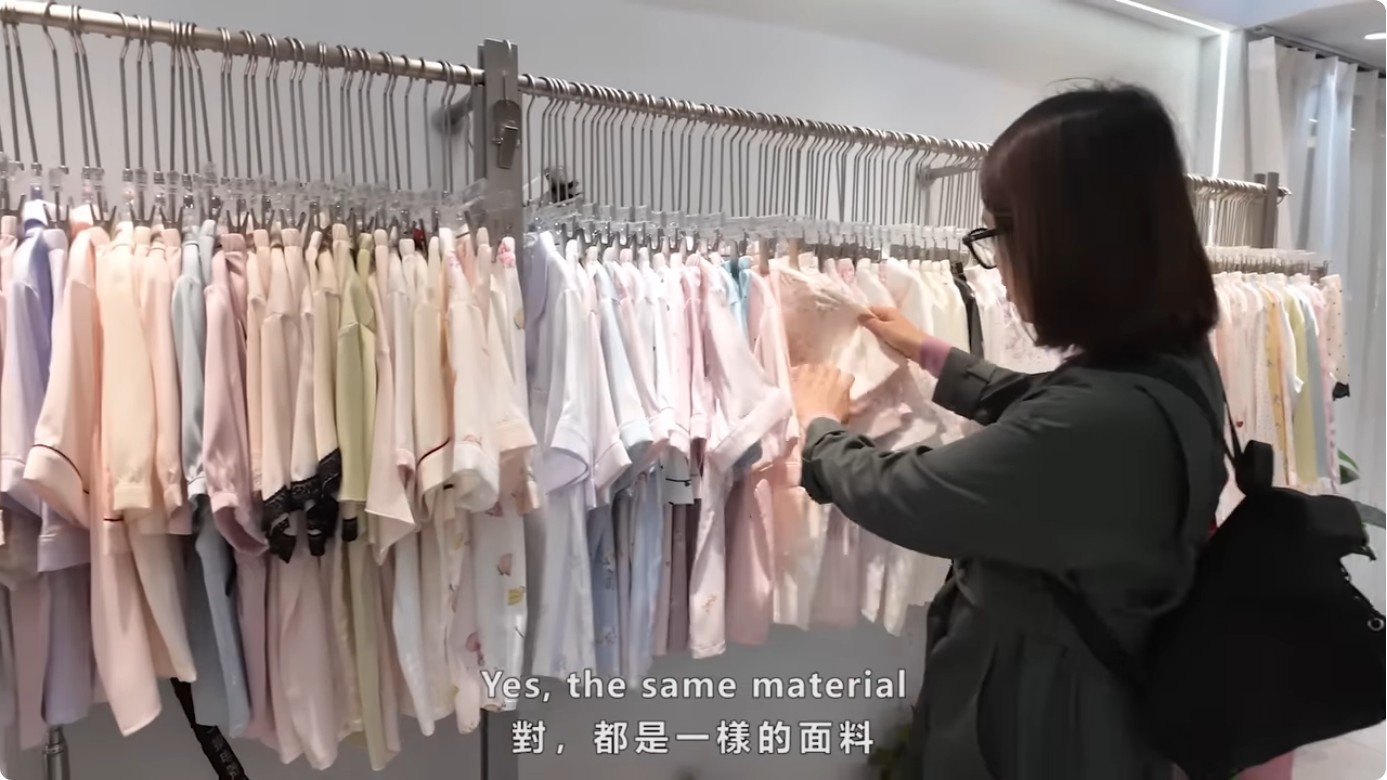
- Fabric Weight & Composition: Heavier is not always better, but it must be appropriate. A 10-oz cotton canvas for a tote bag is different from a 7-oz poplin for a shirt. Know the GSM (grams per square meter) and fiber content (e.g., 100% cotton, cotton/polyester blend) required for the garment’s intended use.
- Construction & Seams: Look for double-stitched, triple-stitched, or bartack-reinforced seams at stress points ( shoulders, crotch, pocket corners). Flat-felled seams in shirts and jeans are a hallmark of quality. Ask for specifications on stitch type (e.g., 401 chainstitch, 301 lockstitch) and thread count.
- Hardware & Finishing: YKK or equivalent zippers, brass or corrosion-resistant snaps, and thick, sturdy buttons (often horn-style or thick plastic) are expected. Pre-washed or garment-dyed finishes to soften fabric and reduce shrinkage are common in this category.
Key Product Categories & Their Manufacturing Signatures
To build a “LL Bean-style” lineup, focus on these foundational pieces. Each has distinct manufacturing cues.
Cargo Pants & Rugged Twill Trousers
These are the cornerstone of the utilitarian wardrobe. The defining feature is, of course, the cargo pocket. But the execution varies.
- Pocket Design: Authentic styles often use a bellows pocket (a gusset that allows expansion) with a secure flap closure, sometimes with a snap or button. Patch pockets with reinforced bar tacks at the corners are also classic. Specify the pocket placement and orientation (side-seam vs. hip).
- Fabric: Staples include 100% cotton canvas, ripstop, brushed twill, or a cotton/polyester blend for wrinkle resistance and added mobility. For a premium feel, consider a brushed cotton twill.
- Fit: Typically a relaxed or classic fit through the seat and thigh, with a straight or slight taper from the knee. Articulation (a gusset or mechanical stretch) in the crotch is a major value-add for comfort and mobility, highly desirable for an active audience.
Heavyweight Hoodies & Sweatshirts
This is about warmth, structure, and longevity. The difference between a seasonal hoodie and a heritage-style one is in the knit and construction.
- Fleece Weight: Aim for 12-14 oz. or higher for a substantial, warm feel. French terry (with a looped interior) is also classic and breathable. The loop or pile should be dense and even.
- Knit Construction: A 2-needle or 3-needle flatlock seam at the shoulder and armhole is far more durable than a simple coverstitch. The hood should be two-ply or three-ply fabric, not a flimsy single layer.
- Details: A thick, rib-knit cuff and hem (1×1 or 2×2 rib) is essential for shape retention. Metal-tipped drawstrings in a casing are standard. Kangaroo pockets or split-stitch hand pockets are both common; the latter often looks more refined.
Button-Down Shirts (Flannel, Poplin, Twill)
The work shirt is a universal symbol of reliable style. Key differentiators are in the collar and placket.
- Collar & Cuff: A structured, pointed collar with a permanent stay (sewn-in or removable) is a sign of quality. For a rugged shirt, a button-down collar (with buttons that fasten to the placket) is classic and practical. Double-layer cuffs (French cuffs) are less common in this category but signal higher-end workwear.
- Placket: A full front placket with a row of 6-8 substantial buttons. The top buttonhole should be reinforced.
- Back Yoke & Box Pleat: A split back yoke (two-piece) with a box pleat or knife pleat allows for greater shoulder mobility, a subtle but important functional detail.
Puffer Vests & Jackets
For functional insulation, the focus is on insulation type and shell fabric.
- Insulation: Down (with a high fill power, e.g., 650+) offers the best warmth-to-weight ratio but requires specific care. Down-alternative synthetic insulation (like PrimaLoft) is easier to care for and performs well when wet, often preferred for all-purpose outerwear.
- Shell Fabric: A tightly woven, DWR (Durable Water Repellent)-finished nylon or polyester. Ripstop versions add tear resistance. Specify the denier (e.g., 20D, 40D) for weight and durability balance.
- Construction: Baffle construction (sewn-through or box-wall) prevents insulation shifting. Look for windproof liners and secure, storm-flap closures.
Production & Sourcing: Navigating OEM/ODM for This Style
This is where the blueprint becomes a garment. Clear communication with your factory is non-negotiable.
Specification Sheets Are Your Bible
You cannot simply say “make a heavy hoodie like LL Bean.” You must provide a detailed tech pack. This includes:
- Fabric Swatches: Physical samples of the exact knit, weight, and color (using Pantone or other standardized color systems). For a rustic feel, you may specify a garment-dyed process, which requires the factory to source a greige (undyed) fabric and handle the dyeing.
- Patterns & Grading: Provide a sample garment or a clear, graded pattern for the sizes you need. Discuss fit model specifications and desired ease (the roominess in the garment).
- Construction Details: Stitch diagrams, stitch counts per inch, placement of bar tacks, exact hardware part numbers or samples.
Many reputable factories will help you develop these specs if you start with a clear reference garment and mood board. This is the ODM (Original Design Manufacturer) model.
You may also like: The Men’s Short Sleeve Sweatshirt No Hood: A Buyer’s Guide to Style, Fabric, and Custom Manufacturing
Understanding MOQs and Lead Times
Durable, heavyweight fabrics and complex construction (like multiple pockets or special zippers) impact minimum order quantities (MOQs).
- Typical MOQs: For custom-dyed fabrics and specialized trims, expect MOQs of 500-1000 units per style/color. Some factories may offer lower MOQs (e.g., 300 units) if they have the fabric in stock or use a cut-make-trim (CMT) model where you source the fabric.
- Lead Times: From approval of lab dip (fabric color sample) and fit sample to final production, plan for 8-12 weeks minimum. Fabric sourcing and dyeing are often the longest lead time components.
Sampling: The Critical Validation Step
Never proceed to bulk production without approving multiple samples:
- Fit Sample: Made with placeholder fabric (often muslin or similar weight). Used to validate pattern, fit, and construction details.
- Pre-Production Sample (PP Sample): Made with the actual approved fabric and trims. This is the final “golden sample” that the production line will replicate. Approve this in writing.
- Production Sample: A random sample pulled from the first few pieces of the bulk run for final quality check before full shipment.
A factory that charges for samples but deducts the cost from the final bulk order is standard practice. Be wary of factories that refuse to make paid samples.
Quality Control: What to Inspect For
Your final quality check should focus on the hallmarks of the style:
| Feature | What to Inspect | Red Flag |
|---|---|---|
| Seams | Stitches are even, tight, and with no loose threads. Stress points (crotch, underarms, pocket tops) have bar tacks or reinforced stitching. Seam allowances are consistent. | Uneven stitching, gaping seams, missing bar tacks at pocket corners. |
| Fabric | Weight matches spec (can feel, or use a GSM cutter). Color is consistent within and between garments. No pulls, holes, or uneven dye lots. Pre-shrunk fabric should have minimal residual shrinkage. | Fabric feels thin or flimsy. Color varies noticeably between pieces. Pilling is immediate upon handling. |
| Hardware | Zippers glide smoothly, teeth interlock fully. Snaps and buttons are securely attached and function without excessive force. No rust or tarnishing. | Zipper snags or separates. Buttons pop off easily. Hardware feels lightweight and cheap. |
| Print/Embroidery | If adding logos, ensure placement is exact and consistent. Stitch density is high (no gaps). No puckering on the fabric behind the embroidery. | Logo is crooked or varies in position. Stitch gaps visible. Vinyl prints are peeling or cracking. |
The Tradeoffs: Balancing Cost, Volume, and Authenticity
Every sourcing decision involves a tradeoff. Understanding these is key to setting realistic budgets and expectations.
- Fabric Origin vs. Cost: U.S.-grown or Japanese denim/twill commands a premium. Turkish or Chinese equivalents can be excellent quality at a lower cost. Decide if “heritage” fabric sourcing is a core part of your brand story.
- Domestic vs. Overseas Production: U.S. or nearshore (Central America) production offers easier communication, faster shipping, and “Made in USA” marketing but at a significantly higher unit cost and often higher MOQs. Asia (Bangladesh, Vietnam, China) offers cost efficiency for larger volumes but requires rigorous QC and longer logistics chains.
- Custom-Dyed vs. Stock Fabric: A custom dye lot ensures a unique color and perfect matching across styles but adds 4-6 weeks to lead time and has high MOQs. Using a factory’s stock fabric palette speeds up production and lowers MOQs but limits color uniqueness.
Common Questions When Sourcing “LL Bean-Type” Apparel
What’s the biggest mistake brands make when trying to replicate this style?
Under-specifying the fabric weight and construction. They see the finished product but don’t understand that the 14-oz fleece and the triple-stitched seams are what create the feeling of substance. Providing vague references leads to a garment that looks right in a photo but feels hollow in hand.
Can I get low MOQs for this type of apparel?
Yes, but it requires strategic planning. Focus on simpler styles (e.g., a heavyweight t-shirt or a beanie) first to build a relationship with a factory. Use stock fabrics and trims. Look for CMT facilities where you source and provide the materials. MOQs of 100-300 per style are possible this way, but you take on more logistics management.
How do I protect my design if I’m working with an ODM factory?
Have clear, written agreements. An NDA (Non-Disclosure Agreement) is standard before sharing your tech pack. For proprietary designs, consider working with a factory in a jurisdiction with strong IP enforcement and be prepared to pay for exclusive tooling (molds for buttons, special zipper pulls). However, the classic “LL Bean” look is based on universal workwear patterns that are not proprietary.
If you’re looking to source or customize any of the styles mentioned above, our factory offers low MOQ OEM/ODM production with full sampling support. Get a free quote today.