
For anyone sourcing custom team uniforms or heritage-inspired activewear, understanding baseball uniform history is more than a lesson in nostalgia—it’s a roadmap to informed design and production decisions. The evolution from heavy wool to high-tech performance blends directly impacts material selection, cost, durability, and the very feasibility of certain vintage aesthetics in today’s manufacturing landscape. This article traces that evolution, not just as a chronicle of the sport, but as a practical guide for brands, teams, and retailers navigating the options for custom baseball apparel.
We will explore key material and design milestones, translating historical trends into actionable insights for your next OEM or ODM project. You’ll learn why certain “retro” looks present unique production challenges, how modern innovations solve old problems, and what specifications to communicate to your factory to achieve the perfect balance of authentic style and functional performance.
Why Baseball Uniform History Matters to Your Bottom Line
Before diving into timelines, it’s crucial to frame this history through a sourcing lens. A uniform’s design is dictated by its era’s technology, cultural norms, and material availability. When a client requests a “1920s-style” flannel uniform or a “1980s pullover,” they are referencing specific historical contexts that carry inherent production implications:
Helpful tip: Understanding ‘Brand Country’: What Buyers Need to Know About Sportswear Manufacturing Origins
- Material Authenticity vs. Modern Performance: Replicating a historical fabric (like heavy wool) often means sacrificing player comfort and durability with today’s standards. Understanding this trade-off is the first step in client education.
- Construction Complexity: Early uniforms featured intricate stitching, pillbox hats, and belts that are labor-intensive today. Knowing this helps set realistic budgets and lead times.
- Typography and Graphics: The shift from hand-stitched lettering to heat-seal vinyl to digital sublimation affects design file preparation, minimum order quantities (MOQs), and per-unit cost.
A knowledgeable buyer uses historical knowledge to ask the right questions: “Can we achieve this vintage look with a modern, moisture-wicking fabric?” or “What’s the MOQ for embroidery versus screen printing on a vintage-style collar?”
The Wool Era (1840s-1900s): Foundations of Team Identity
The earliest documented baseball teams, like the New York Knickerbockers (1849), wore uniforms made of heavy wool flannel. This wasn’t a fashion choice but a practical one—wool was durable, available, and provided some insulation for spring and fall games. Key characteristics included:
- Fabrics: Thick, itchy wool flannel, often in solid colors (blue, gray, red) with white trim.
- Style: Full-length button-down shirts, often with a belt, and matching trousers. Headwear was a straw boater in summer or a wool cap in winter.
- Identification: Team names or initials were embroidered in a single color (typically white or black) on the chest. Block letters were the norm.
Sourcing Implications for Modern Replicas
Requesting a true wool flannel uniform today is a significant custom manufacturing challenge. It is expensive, has a high minimum order quantity (often 500+ units for a custom wool weave), and is unsuitable for athletic performance. For teams or brands seeking a heritage aesthetic with modern functionality, the solution is a polyester-cotton blend or performance mesh that mimics the weight and drape of wool but offers breathability. Factories typically need a clear reference image and a sample approval process to nail the texture.
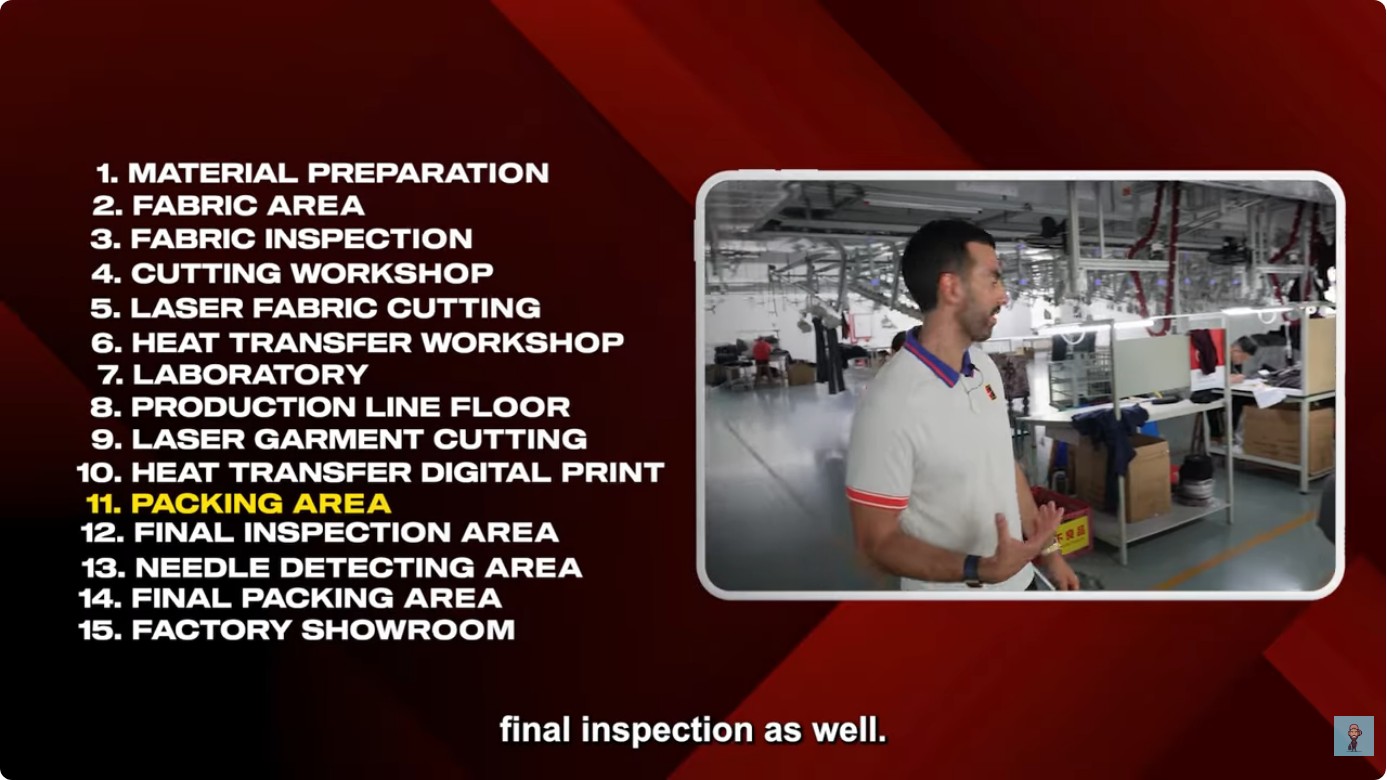
Key question for your factory: “Do you have a lightweight, brushed-back fabric that replicates the look of vintage wool for screen-printed or embroidered designs? What is the sample development cost and lead time?”
The Canvas and Belt Era (1900s-1920s): The Rise of the Pinstripe
As the 20th century began, uniforms diversified. The Chicago White Sox introduced the first pinstripes in 1908 (though famously popularized by the Yankees later). Teams like the Cincinnati Reds wore distinctive “C” logos. The use of canvas for belts and more complex color blocking became common. This era cemented the visual language of baseball: numbers on the back, specific color schemes, and the separation of home (white) and away (gray) uniforms.
Manufacturing Considerations
The pinstripe is a critical detail. Modern production offers three primary methods:
| Method | Historical Accuracy | Modern Production Notes | Best For |
|---|---|---|---|
| Woven Pinstripe Fabric | Exact replica | Custom woven fabric has a very high MOQ (1,000+ yards), high cost, and long lead time. Requires working with a textile mill, not just a garment factory. | Major league replicas, high-end fashion collaborations. |
| Screen-Printed Stripes | Good (on light colors) | Low MOQ, cost-effective. Stripes can crack or fade over time, especially with aggressive washing. Requires precise registration. | Youth leagues, school teams, promotional wear. |
| Digital Sublimation | Poor (typically solid colors) | Allows for complex, all-over patterns but struggles with sharp, continuous fine lines like pinstripes. Best for bold, graphic designs. | Fashion-forward activewear, not authentic replicas. |
For a buyer, this table is a decision-making tool. A small local team needing 30 uniforms should steer clear of custom woven fabric and opt for screen-printed pinstripes on a quality heather gray fabric.
The Synthetic Revolution (1950s-1980s): Comfort, Cost, and Color
Post-WWII, synthetic fibers like nylon and, most importantly, polyester fundamentally changed uniform production. The 1970s and 1980s saw the dominance of the pullover jersey (no buttons) and the introduction of vibrant, team-color pants. The double-knit polyester fabric was lightweight, held color brilliantly, and was cheap to produce at scale. This era made colorful, matching uniform sets accessible to everyone from major leagues to Little League.
Opportunities and Trade-offs for Custom Brands
This period is a goldmine for custom manufacturers because the styles are simple to produce. A pullover jersey with a v-neck or crew collar has fewer pattern pieces and sewing steps than a button-down, reducing cost. However, the classic 1980s “tackle-twill” embroidered patch (like the old Montreal Expos logo) is labor-intensive. Modern alternatives include:
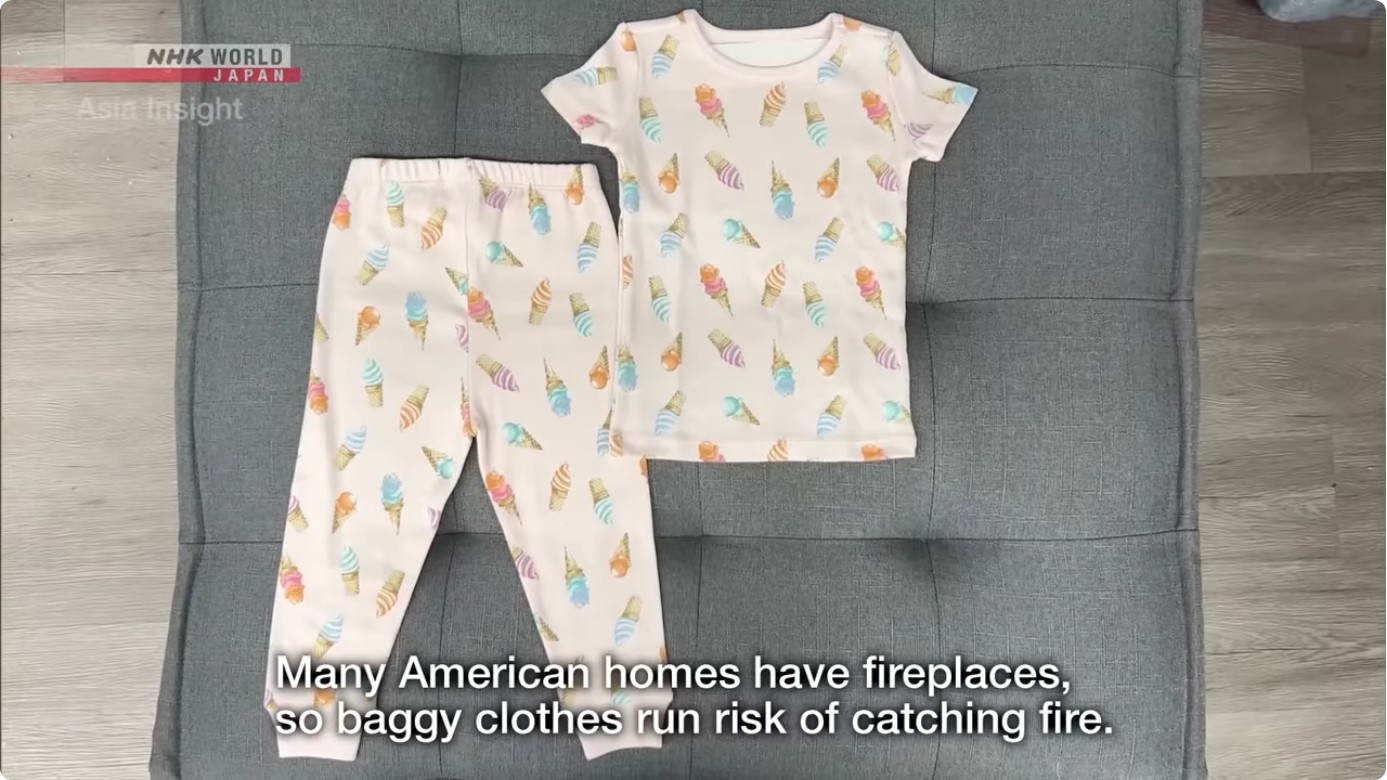
- Tackle Twill: Actual fabric cut and sewn on. Authentic look, durable, but higher cost and MOQ (often 50+ per design).
- Heat Seal Vinyl (HTV): Looks similar from a distance, lower cost, lower MOQ. Can crack or peel over time.
- Embroidery: For smaller logos. 3D puff embroidery evokes the 80s/90s feel but adds cost.
Pro sourcing tip: If a client wants an 1980s “completely matching” set (jersey and pants in the same color), confirm they understand that dyed-to-match pants will have a higher MOQ and cost than standard black or gray pants.
Helpful tip: The Sourcing Guide to Horse Jackets with Embroidery
The Performance Era (1990s-Present): Technology Meets Fashion
Today’s uniform is a high-tech product. Moisture-wicking polyester mesh, breathable laser-cut panels, and UV protection are standard. Design trends cycle rapidly—from the “cut-off” hem of the late 90s to the modern, slightly longer, tailored fit. The rise of “athleisure” means baseball-style apparel is worn off-field, demanding a more fashion-forward cut and fabric hand.
What to Specify for Modern OEM/ODM Production
When ordering today, your spec sheet must go beyond “make it like the Yankees.” A factory needs precise details:
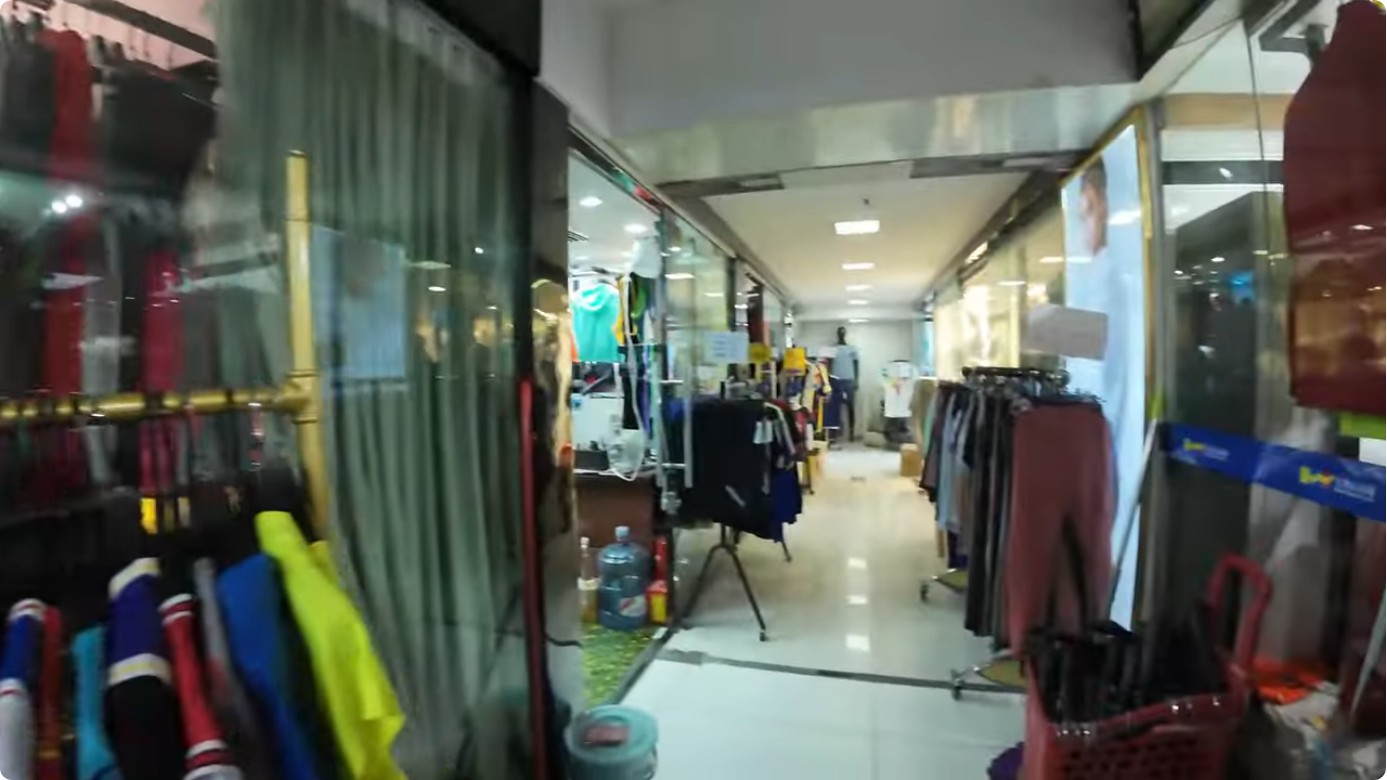
- Fabric Construction: Describe the knit (e.g., 100% polyester double-knit, 160gsm) or mesh type (e.g., 100% polyester micro-mesh, 200gsm). Reference a competitor’s sample if possible.
- Fit: “Athletic,” “relaxed,” or “tailored.” Provide measurement charts (chest, body length, sleeve length) for each size.
- Collar & Cuffs: Rib knit or self-fabric? 1×1 or 2×2 rib? V-neck depth?
- Graphics Method: State clearly: “All lettering and numbers must be sublimated for permanent, breathable application,” or “Tackle-twill patches with a 3-5 inch stitch density.”
- Trim & Accents: Contrasting stitching? Side panels? Specific button type (e.g., nickel-plated)?
Failing to specify these elements leaves them to the factory’s standard offering, which may not align with your client’s vision or quality expectations.
From Past to Present: Decoding Client Requests
Clients often use historical shorthand. Here’s how to translate it into a production brief:
- “Vintage” or “Classic”: Usually implies a button-down collar, possibly a placket, and a slightly looser fit. Fabric should be a mid-weight cotton/poly blend, not performance mesh.
- “80s/90s Throwback”: Means pullover, bold color blocking, possibly matching pants, and tackle-twill or embroidered logos. Expect a higher cost for the sewn-on patches.
- “Modern Fit”: Implies a shorter, tapered cut, often with a drop-tail hem. Requires a specific pattern, not just a scaled-down vintage pattern.
- “Like the pros wear”: This is the most specific. You must identify the current MLB supplier (currently Fanatics) and analyze their uniform details: fabric weight, seam types, logo placement, and number font. Providing your factory with a photo of the specific current uniform is essential.
Critical Questions Before You Source
Use this checklist when kicking off a custom baseball uniform project. Your answers will determine the factory selection, sample process, and final quote.
- What is the primary use? Game wear (requires high durability, moisture management) vs. fashion/streetwear (prioritizes look and fabric hand) vs. promotional giveaways (prioritizes lowest cost).
- What is the target MOQ? Performance sublimated jerseys can have MOQs as low as 10-20 units. Custom woven fabrics or complex embroidery will require 100+.
- What is the budget per unit? This dictates everything from fabric quality (basic polyester vs. branded performance fabric like ITEX) to graphic application.
- Do we have a physical sample or tech pack? A clear tech pack with measurements, fabric swatches, and graphic placement diagrams is worth its weight in gold. It eliminates guesswork and ensures consistency.
- Are there league compliance rules? For organized sports, uniforms may need to meet specific standards for color contrast, number size, and material (e.g., NFHS for high school). Verify these first.
Baseball uniform history provides the vocabulary and context for these questions. It reveals that the “perfect” uniform is always a negotiation between the aesthetic of a bygone era and the practical realities of modern textile manufacturing. By understanding this lineage, you can guide your clients toward designs that are both inspired and producible, managing their expectations on cost, timeline, and performance.
Ready to Bring Your Uniform Vision to Life?
Whether you’re launching a vintage-inspired streetwear line, outfitting a college team, or producing a limited-run tribute jersey, navigating the intersection of historical design and modern production requires a skilled manufacturing partner. Our factory specializes in low-MOQ OEM/ODM production for custom activewear, with full support from tech pack development to final quality control. We help you translate historical inspiration into a feasible, high-quality product.
If you’re looking to source or customize any of the styles mentioned above, our factory offers low MOQ OEM/ODM production with full sampling support. Get a free quote today and let’s discuss your project specifications.
Tags: baseball uniform history
Related guide: The Blue Red Jersey: A Buyer’s Guide to Style, Performance, and Custom Manufacturing