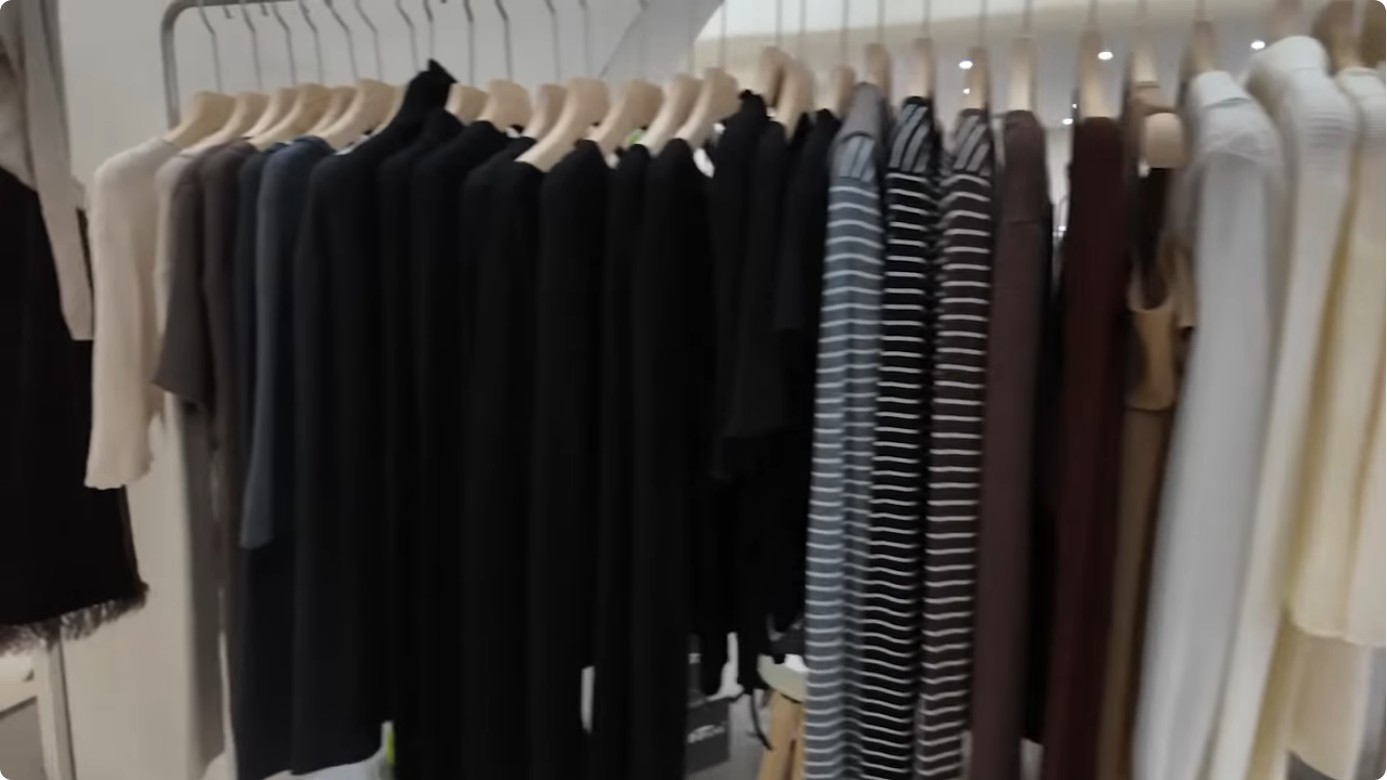
When sourcing custom hoodies, the term “260 GSM” appears frequently, but its real-world implications for your brand are often misunderstood. It’s not just a number; it defines the garment’s weight, drape, durability, and ultimate feel—critical factors that determine whether a hoodie becomes a customer favorite or a discounted warehouse item. For brands, gyms, and teams, the 260 GSM hoodie represents a strategic choice in the middle of the fabric weight spectrum, offering a balance that works for multiple seasons and use cases. This guide moves beyond the specification to explore what this weight truly means for your product, your customization options, and your bottom line when working with a manufacturer.
We’ll break down the characteristics of a 260 GSM hoodie, compare it to other common weights, and dive into the practical manufacturing considerations that affect your design, cost, and minimum order quantity (MOQ). Whether you’re a streetwear label launching a signature piece or a sports team ordering uniforms, understanding these nuances is key to a successful custom apparel project.
Understanding Fabric Weight: What Does 260 GSM Actually Mean?
GSM is the standard metric measurement for fabric weight. A higher number means a denser, heavier fabric. For hoodies, this directly correlates with:
- Warmth & Insulation: Heavier fabrics trap more body heat. 260 GSM provides solid warmth for temperatures down to roughly 40-50°F (4-10°C) when worn with a base layer.
- Durability & Feel: Heavier knits are generally more robust and have a more substantial, premium “hand feel” (the tactile sensation when held). They are less prone to sheerness and show fewer wrinkles.
- Drape & Structure: A 260 GSM hoodie will have a defined, slightly structured silhouette that holds its shape well, as opposed to lighter weights that may cling or drape more fluidly.
- Production Considerations: Fabric weight impacts dyeing (heavier fabrics may require different dye cycles), sewing (thicker material needs stronger needles and machines), and shipping (increased weight affects logistics costs).
For a foundational understanding of textile standards, resources from organizations like OEKO-TEX provide context on fabric testing and safety, which is a separate but crucial consideration from weight.
How 260 GSM Compares to Other Hoodie Weights
Choosing a GSM is a trade-off between climate, intended use, and desired aesthetic. Here’s a practical comparison for a standard crewneck hoodie:
| GSM Range | Typical Use Case | Pros | Cons |
|---|---|---|---|
| Lightweight (180-220 GSM) | Summer nights, layering, athletic performance (where moisture-wicking is key) | Very breathable, soft, packs small, lower cost per unit | Less warm, can be sheer, less durable long-term, “cheaper” feel |
| Medium-Heavyweight (240-280 GSM) | All-season streetwear, gym lounge, team uniforms, corporate apparel | Versatile warmth, premium structure, good durability, excellent print/embroidery canvas | Heavier, less breathable for intense exercise |
| Heavyweight (300+ GSM) | Cold climates, winter workwear, premium heritage brands | Maximum warmth, extremely durable, luxuriously heavy feel | Expensive, bulky, poor for layering, hot for indoor use |
The 240-280 GSM range, with 260 GSM as a central point, is the most popular for custom sportswear and lifestyle brands because it minimizes seasonal risk and maximizes perceived value.
The 260 GSM Hoodie in Context: Who Buys It and Why?
The versatility of this weight makes it a default choice for many buyer profiles. Understanding these use cases helps you articulate your product’s market fit.
For Streetwear & Fashion Brands
This is the sweet spot for contemporary streetwear. The weight provides enough substance to look and feel premium, supporting higher retail price points. It holds screen prints, embroidery, and appliqués beautifully without the fabric sagging. Brands targeting global street culture often default to 260-280 GSM for their core hoodie drops because it photographs well, fits true-to-size, and delivers that “weighty” unboxing experience customers expect.
For Gyms, Fitness Studios, and Sports Teams
For post-workout wear, team warm-ups, or studio merchandise, 260 GSM hits the mark. It’s warm enough for outdoor intervals or sideline use but not so heavy that athletes overheat during a cool-down. The structure means team logos and names remain crisp through multiple washes and wear cycles. A college athletic department, for instance, might choose this weight for their fan-wear hoodies—it’s durable for game days in fall weather and feels substantial enough to justify the purchase.
For Corporate and Promotional Apparel
Companies ordering branded hoodies for employee gifts or event swag often select 260 GSM. It projects quality more effectively than a 200 GSM tee-shirt-style hoodie, making the corporate gift feel more valued. The weight also means it can be worn as a standalone layer in office environments or at outdoor corporate events, increasing its utility and, by extension, the brand’s visibility.
Custom Manufacturing: What You Can Actually Control
Sourcing a custom 260 GSM hoodie isn’t just about picking a weight from a catalog. A true OEM/ODM partner offers control over the variables that define your unique product.
1. Fabric Composition & Construction
“260 GSM” specifies weight, not material. You must decide on the blend:
- 100% Cotton: Classic, breathable, but can shrink more and may pill. Often used for a traditional, “authentic” feel.
- Cotton/Polyester Blend (e.g., 60/40, 80/20): The industry standard for good reason. Polyester adds durability, reduces shrinkage, improves color retention, and can lower cost. An 80/20 ring-spun cotton/poly blend is a common, high-quality starting point.
- Fleece Type: French Terry (loop on inside) is lighter, more breathable, and has a classic sweatshirt feel. Brushed Fleece (nap on inside) is softer, warmer, and more common for hoodies. Your choice here alters the final product experience significantly, even at the same GSM.
Manufacturing Note: A factory’s capability to source specific yarn counts and finishes (e.g., garment-dyed vs. piece-dyed) varies. Ask for fabric swatches that match your target GSM and composition.
2. Fit, Pattern, and Details
GSM does not dictate fit. You can (and should) provide a tech pack specifying:
- Silhouette: Classic loose, modern slim, athletic raglan, oversized.
- Hood Construction: Single-layer, double-layer (hood in hood), lined, with or without a drawstring tunnel.
- Pocket Style: Kangaroo, split, zippered, patch.
- Cuffs & Hem: Rib knit (1×1, 2×2), twisted rib, or self-fabric. Rib weight/elasticity is a separate specification from the main body’s GSM.
An ODM service can suggest pattern adjustments based on your target market (e.g., longer body for taller demographics, modified armhole for athletic mobility).
3. Decoration Method & Placement
The 260 GSM fabric is an excellent canvas, but your choice of decoration interacts with the fabric weight:
- Screen Printing: Ideal for large, bold designs. The fabric’s stability minimizes stretching during the print process. Very thick “plastisol” inks can add a noticeable rubbery texture and weight to the print area.
- Embroidery: The heavyweight fabric supports dense, detailed embroidery without puckering. This is the premium choice for logos on chest, sleeves, or back. Caveat: Very large embroidered areas on a 260 GSM hoodie can make the front stiff and less comfortable.
- DTG (Direct-to-Garment): Works well for full-coverage, photo-like prints. The fabric must be pre-treated and is best on 100% cotton or high-cotton blends for optimal color vibrancy and wash durability.
- Labels & Tags: Consider woven labels (premium) vs. printed tags (softer). The weight of the main fabric doesn’t affect this choice, but it contributes to the overall perceived quality.
Where you place the decoration matters. A large back print on a 260 GSM hoodie will be more noticeable and feel more substantial than on a 200 GSM version.
Production & Sourcing Decision Points
Before finalizing your order, several practical factors tied to the 260 GSM specification will influence your project’s feasibility and cost.
Minimum Order Quantity (MOQ) and Lead Time
Fabric mills often have MOQs for specific yarns and weights. A factory sourcing a standard 260 GSM cotton/poly blend from a common mill will have a lower MOQ (often 100-500 units) than one sourcing a proprietary, custom-spun yarn (which can be 1,000+ units). The weight itself doesn’t dictate MOQ, but the specificity of your fabric request does. Always confirm: Is the 260 GSM fabric in stock, or does it require a custom knit with a longer lead time and higher MOQ?
Cost Drivers Beyond GSM
A 260 GSM hoodie’s cost is determined by:
- Fabric Cost: Yarn price (combed vs. carded cotton), mill origin (e.g., Turkish cotton vs. generic), and blend ratio.
- Trim Cost: Quality of zippers (if any), drawstrings, eyelets, and rib knit.
- Labor Intensity: Complexity of pattern (more seams = higher cost), number of decoration placements, and embroidery stitch count.
- Order Volume: Standard per-unit cost decreases as volume increases, but fabric sourcing MOQs can create step-changes in pricing.
Don’t compare quotes based on GSM alone. A “260 GSM” hoodie from Factory A using 100% carded cotton and basic rib will cost less than Factory B’s offering using 80/20 ring-spun cotton and 2×2 twisted rib, even at the same weight.
Sample Approval Is Non-Negotiable
Never proceed to bulk production without an approved pre-production (PP) sample. This sample must be made from your exact nominated fabric (or a mill-approved alternate) at the target 260 GSM. Inspect it for:
- Actual weight (a lab can verify GSM)
- Hand feel, drape, and shrinkage potential
- Color matching under different lights
- Placement and quality of your decoration
- Fit on a model or mannequin
A sample that feels 10% lighter or tighter than expected will be a costly mistake at scale.
What Should You Ask Your Manufacturer? A Checklist
Use these questions to vet partners and ensure your 260 GSM hoodie project is on solid ground.
- Can you provide physical fabric swatches of your standard 260 GSM fleece options (both loop and brushed)?
- What is the exact composition and yarn count of your stock 260 GSM fabric?
- What are the MOQs for this weight, and do they change if I request a custom fabric?
- Do you have experience with the specific decoration method I need (e.g., dense embroidery, DTG) on this weight?
- Can you share examples of past production where the final product weighed 260 GSM +/- 5%?
- What is your standard shrinkage rate for this fabric, and how do you factor it into pattern making?
- Is the 260 GSM fabric in stock, or will it require a new knit order? What is the lead time for each scenario?
Getting clear answers to these points separates a transactional vendor from a strategic manufacturing partner.
Final Takeaway: The 260 GSM Hoodie as a Strategic Choice
The 260 GSM hoodie occupies a prime position in the activewear and streetwear ecosystem. Its balance of warmth, durability, and structure makes it a safe yet stylish bet for a wide audience. For your brand, this means a lower risk of seasonal misalignment and a product that consistently delivers on the promise of quality. However, “260 GSM” is only the starting gate. The true differentiation lies in the fabric composition, the precision of the fit, the quality of the trim, and the flawless execution of your custom branding. By asking the right questions and insisting on sample validation, you transform a generic specification into a proprietary asset for your brand.
Need custom versions of any style covered here? Our sportswear factory handles everything from tech pack review to bulk delivery. Request a sample or quote.