
When wholesale buyers, emerging fashion brands, or retailers ask about “brands similar to American Eagle,” they’re often tapping into a deeper, more practical need. They’re not just looking for a shopping list; they’re researching a proven product archetype. American Eagle Outfitters (AEO) has mastered a specific segment of casual, youth-oriented apparel—think relaxed t-shirts, sturdy jeans, versatile hoodies, and cargo pants that balance trend with timeless utility. For a business looking to source or create its own custom activewear, analyzing this successful model is a strategic exercise. It’s about reverse-engineering the key attributes—fabric hand, fit, detail, and price point—that resonate with a massive consumer base, and understanding how to translate those into a scalable, custom manufacturing order.
This article moves beyond a simple brand comparison. We will deconstruct the core product characteristics that define the American Eagle aesthetic and use them as a framework for your custom apparel project. Whether you’re a startup brand aiming for that “effortlessly cool” vibe or a gym chain needing durable, branded workout gear, understanding these specs is your first step in communicating effectively with a factory and achieving your desired market fit.
Quick Orientation: What “American Eagle-Style” Means for Manufacturing
In a B2B sourcing context, “brands similar to American Eagle” refers to a product category blueprint, not a competitor list. Key attributes include:
You may also like: The Complete Guide to Soft Stretchy Materials in Apparel
- Fabric Focus: Heavyweight cotton jersey (for tees), durable cotton twill (for cargos/pants), mid-weight fleece (for hoodies) with an emphasis on softness and durability over ultra-light performance.
- Fit Profile: Relaxed to classic fits with modern, slightly tapered legs. Not overly tight or tech-fit.
- Design Language: Minimalist branding (small chest logos, woven labels), utility details (multiple pockets, reinforced seams), and a versatile color palette centered on neutrals and seasonal basics.
- Quality-Cost Anchor: Positioned in the “premium basic” tier—perceived as higher quality than fast fashion, but accessible. This dictates fabric weight, stitch density, and finishing standards.
Deconstructing the Product: The Manufacturing Lens
To source apparel that captures this essence, you must speak the language of specifications. Here’s a breakdown of the critical components and what to discuss with your OEM/ODM partner.
1. Fabric & Material Selection: The Foundation of Feel
The “hand” or tactile feel of an American Eagle t-shirt is often its most praised feature. This is rarely an accident; it’s the result of specific fabric constructions.
- Cotton Jersey Weight: For tees and tanks, look for fabrics in the 180-220 GSM (grams per square meter) range. This is the heavyweight zone that resists sheerness and provides a premium, substantial feel. Lighter fabrics (sub-150 GSM) will feel cheaper and more translucent.
- Yarn Type: Combed cotton is a standard for smoother, stronger fabric. Ringspun cotton creates a softer, more uniform surface. For a classic AEO feel, a combed ringspun cotton jersey is a common target. Air-jet yarns can also create a very soft, vintage-like texture.
- Fabric Blends: While 100% cotton is iconic, small blends with polyester (e.g., 90/10 or 80/20 cotton/poly) are used to improve wrinkle resistance, shape retention, and moisture management without sacrificing the cotton-dominant feel. Decide if your product needs a performance edge.
- For Hoodies & Sweatshirts: Focus on French terry (loops on the inside) or terry cloth (loops on both sides) for classic softness. Fleece (brushed on one or both sides) is also common. Weight typically ranges from 280-360 GSM.
- For Cargo Pants & Tracksuits: Durable twills (like cotton canvas) or ripstop fabrics are key. Look for higher thread counts and tight weaves for abrasion resistance. Consider a DWR (Durable Water Repellent) finish for utility cargos.
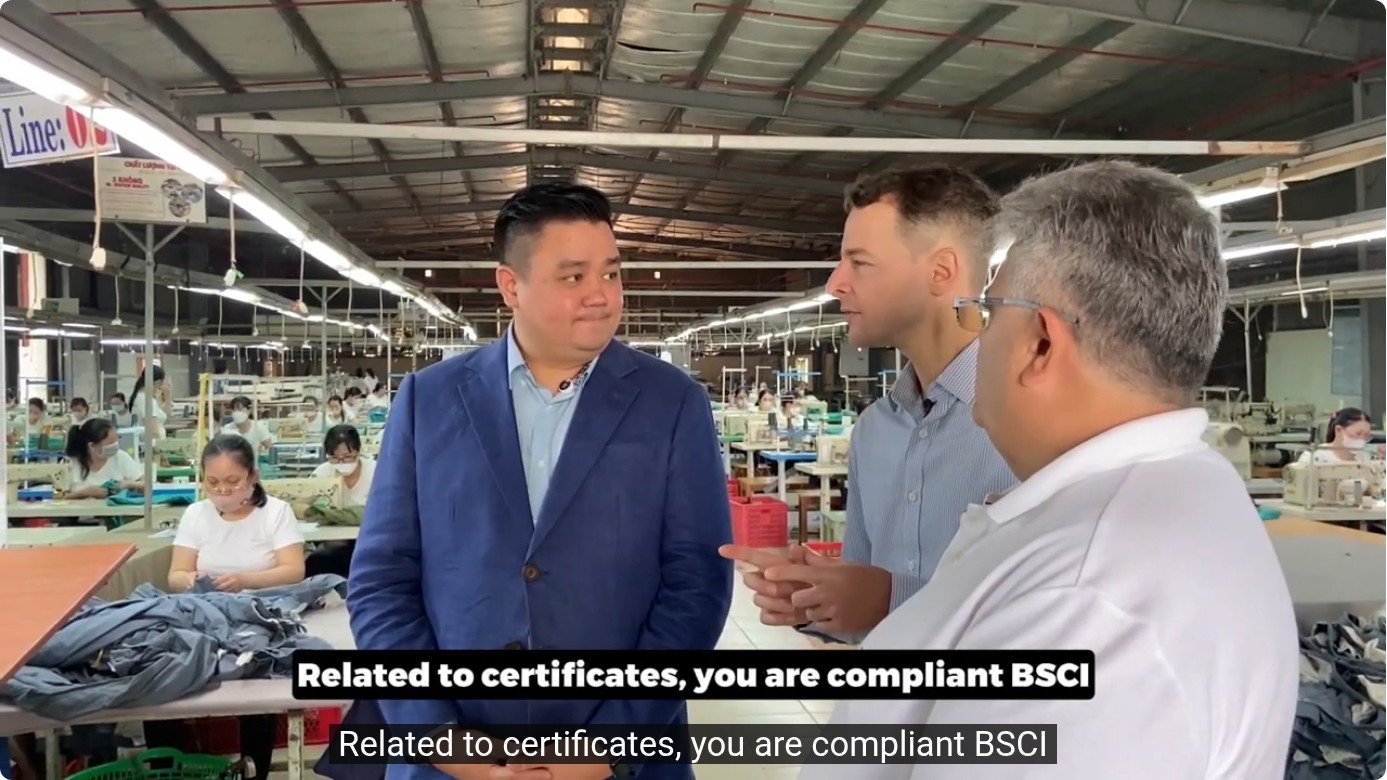
Sourcing Consideration: Request physical fabric swatches from your manufacturer. Testing them for softness, recovery (stretch and return), and weight is non-negotiable. Ask for the fabric’s technical specification sheet, which should list GSM, yarn count, and composition. For sustainable positioning, inquire about GOTS (Global Organic Textile Standard) certified cotton or recycled polyester blends, as these are increasingly expected in this market segment.
2. Fit & Pattern: The Geometry of Style
American Eagle’s success is partly built on inclusive, comfortable fits. This is a pattern-making and grading challenge for your factory.
| Garment | Typical Fit Profile | Key Pattern Details to Specify |
|---|---|---|
| T-Shirt | Relaxed through the body and shoulders. Slight taper from chest to hem. | Body length (drop), shoulder width (drop sleeve vs. set-in sleeve), armhole depth (higher = more relaxed). |
| Hoodie | Oversized or standard relaxed. Long enough to cover hips. | Body length, sleeve length, hood size and seam (vs. 2-piece), kangaroo pocket depth. |
| Cargo Pant | Classic straight or relaxed taper through the thigh and knee. | Rise (mid-rise is standard), thigh circumference, knee width, leg opening, pocket layout and depth. |
Production Note: You must provide or approve a detailed tech pack with graded measurements for each size (S, M, L, XL, etc.). A good factory will use these to create precise patterns. Inquire about their fit model process—who are they fitting on? A standard size model? This affects how the final garment fits your diverse customer base.
3. Construction, Stitching & Details: The Hallmarks of Quality
The difference between a $12 and a $22 wholesale t-shirt is often in the construction details. American Eagle’s perceived durability comes from specific techniques.
Related guide: Beverly Hills Polo Club vs. Ralph Lauren: A Manufacturer’s Guide to Custom Sourcing
- Stitch Density (SPI – Stitches Per Inch): Higher SPI (e.g., 12-14 for coverstitch on hems, 8-10 for main seams) means more stitches per inch, creating stronger, flatter, more professional seams. Ask your factory for their standard SPI on key seams.
- Thread Type: Polyester thread is standard for durability and colorfastness. For a premium look, consider cotton-wrapped polyester thread on topstitching, which has a matte finish that matches cotton fabrics better.
- Reinforcements: Look for bartack stitching at high-stress points like pocket corners, fly regions, and belt loops. This is a small “X” or box stitch that prevents tearing.
- Labels & Branding: AEO uses woven neck tapes, printed care labels, and often a small, embroidered logo. For your custom line, decide: printed neck tape? tear-away label? This impacts cost and feel. Label placement and stitch quality are critical review points.
- Hem & Cuff Finish: A clean, wide double-needle coverstitch hem on tees and hoodies is a sign of quality. It lays flat and doesn’t roll.
4. Color & Dyeing: Consistency and Wash Effects
AEO’s color palette is vast but controlled. For custom production, color matching is a major communication task.
- Pantone Matching: Provide your factory with exact Pantone TPX or TCX codes for your desired colors. Do not rely on color names like “heather grey” or “olive.” Request a lab dip (a small fabric sample dyed to your spec) for approval before bulk production.
- Garment Dyeing vs. Piece Dyeing: Most basics are piece-dyed (fabric dyed before cutting). Garment dyeing (dyeing the assembled garment) creates a more vintage, “lived-in” look with subtle color variations, which is a specific aesthetic choice that commands a premium and has different colorfastness properties.
- Heather Effects: Achieving a consistent heather (mix of colored and undyed yarns) requires specific yarn-spinning processes. Ensure your factory has a proven heather yarn stock or can source it reliably.
The Custom Sourcing Checklist: Questions for Your Factory
Armed with a target specification, your next step is vetting manufacturers. Use this checklist during your inquiries and sample reviews.
- Fabric Sourcing: Can you provide physical swatches of your standard 100% cotton jersey (220GSM) and fleece (320GSM)? Do you have alternative, more sustainable fabric options (GOTS, recycled) in similar weights?
- Pattern & Fit: Do you develop patterns in-house based on our tech pack, or do we need to provide them? What is your standard size set (S-XXL)? Can you provide measurements for a size Large on your standard tee pattern?
- Sample Process: What is the cost and lead time for a pre-production sample (PP sample)? Is this cost credited if we place a bulk order? What is your sample revision policy?
- Stitch Standards: Can you share your standard SPI for coverstitch and main seams? Do you automatically bartack pocket corners on cargo pants, or is that an upgrade?
- Minimum Order Quantity (MOQ): What is your MOQ for custom-dyed styles vs. using your stock fabric colors? Is there a price break at 500, 1000, 2500 units?
- Quality Control: What is your AQL (Acceptable Quality Level) for major and minor defects? Do you offer third-party QC inspection (e.g., SGS, QIMA) for an additional fee?
- Timeline: What is the estimated production lead time from PP sample approval to shipment, for an order of 1,000 units?
Trade-offs and Strategic Decisions
Sourcing “AEO-style” apparel isn’t about finding an exact clone; it’s about making informed trade-offs for your brand and business model.
- Cost vs. Quality: A heavier GSM fabric, higher SPI stitching, and bartacks all add cost. Define your target wholesale price first. If your ceiling is low, you may need to compromise on fabric weight or eliminate some reinforcement stitches.
- Speed vs. Customization: Using a factory’s stock fabrics and patterns will drastically reduce MOQs (sometimes to 50-100 units) and lead time (4-6 weeks). Full custom dye, custom patterns, and unique details will increase MOQs (often 500-1000+) and lead times (8-12+ weeks).
- Trend vs. Classic: American Eagle’s strength is in basics with a contemporary fit. If your brand is hyper-trendy, you may need faster, more flexible (but often less durable) production, possibly looking at smaller local manufacturers or agencies that work with flexible MOQs, albeit at a higher per-unit cost.
- All-in-One vs. Specialized: Some factories excel at tees and hoodies but are less capable with complex cargos. Others specialize in performance wear. Be honest about your product mix. A factory that does “a bit of everything” may not excel at any one thing. Seek specialists for key categories.
Frequently Asked Questions (FAQs)
What is a realistic MOQ for custom sportswear that mimics AEO’s quality?
For a true custom dye, custom pattern, and full branding, expect MOQs of 500-1,000 pieces per style/color from most overseas factories. This allows for fabric dye lot consistency and efficient pattern grading. Using a factory’s existing stock colors and slightly modified patterns can sometimes lower this to 100-300 pieces. For domestic or nearshore production, MOQs can be 50-200 but at a significantly higher per-unit cost.
How do I ensure color consistency across different fabrics (e.g., a tee and matching hoodie)?
This is a common challenge. The solution is to use the same dye lot and mill for both the jersey and fleece. This requires ordering all fabric from a single supplier at the same time. Communicate this need clearly. Be prepared for slight variations between fabric types (cotton vs. cotton/poly) even from the same dye pot. Order a fabric and a garment swatch in every color for your archive.
Should I provide a complete tech pack or can the factory develop patterns from samples?
While sending a sample for the factory to knock off is common, it is legally risky and often yields an inferior, non-consistent product. The best practice is to create or commission a detailed tech pack with your own spec measurements, fabric requirements, and construction notes. This protects your design intent and gives the factory an exact blueprint. Provide reference images for fit and styling, but base the pattern on your measurements.
Whether you’re a startup brand or an established retailer, we manufacture custom sportswear at competitive MOQs. Reach out to start your project.
Related guide: What Defines a Good Clothing Company Manufacturer for Custom Sportswear?