
If you’ve ever wondered where Nike manufactures its iconic apparel, you’re not alone. For wholesale buyers, fashion brands, and sports teams sourcing custom sportswear, understanding global manufacturing footprints isn’t just trivia—it’s essential intelligence for making informed production decisions. While Nike operates at a scale few brands can match, the factors that determine where their clothes are made—labor costs, expertise, tariffs, and logistics—directly impact your own custom apparel projects.
This guide breaks down the global sportswear manufacturing landscape, using Nike’s model as a reference point. You’ll learn why production is distributed across continents, how region choice affects quality, cost, and lead times, and what questions to ask when selecting a factory for your custom t-shirts, hoodies, or tracksuits. Whether you’re launching a private-label activewear line or ordering team uniforms, this knowledge helps you balance budget, quality, and ethical considerations.
Nike’s Global Manufacturing Footprint: A Case Study in Distribution
Nike does not own most of its factories; instead, it contracts with a network of independent manufacturers across the globe. As of their latest sustainability report, Nike works with over 500 factories in more than 40 countries, with the majority in Asia. Key manufacturing hubs include:
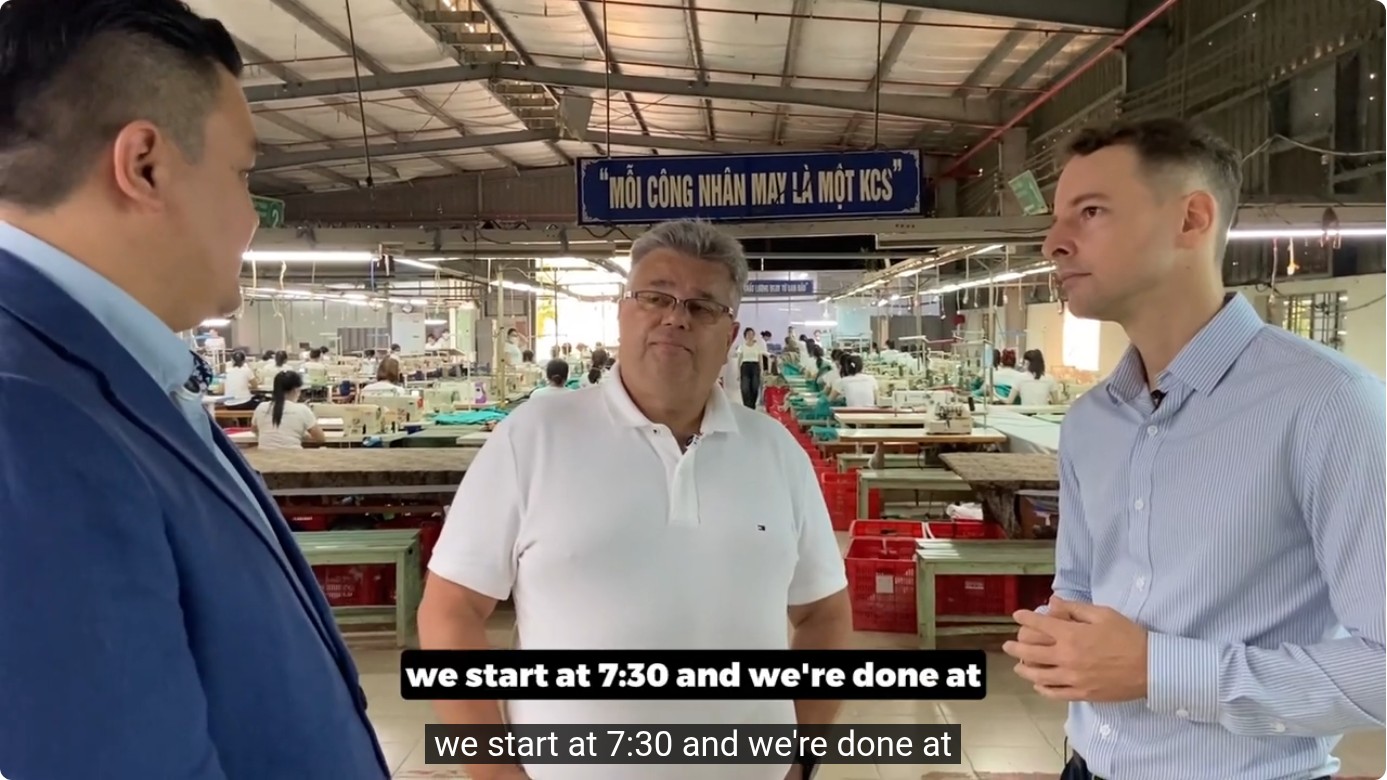
- Vietnam: Now Nike’s single largest production country, known for skilled technical apparel manufacturing.
- China: Historically dominant, still crucial for complex synthetics and fast turnarounds.
- Indonesia: Major for footwear and basic apparel.
- Other Asian nations: Thailand, Cambodia, Bangladesh, and India play significant roles.
- The Americas: Honduras, Mexico, and the United States serve North American markets, reducing shipping times.
- Europe/Middle East: Turkey, Italy, and Portugal produce higher-end items closer to European markets.
This distribution isn’t random. Each region offers a unique combination of cost structure, specialized skills, trade agreements, and proximity to target markets. For custom buyers, the same calculus applies—just at a different scale.
Why Sportswear Manufacturing Is Global: Key Determinants
Several factors drive where clothes are made, regardless of brand size:
- Labor & Operational Costs: Wages, facility costs, and overhead vary dramatically. Asia has long offered cost advantages, though wages are rising.
- Technical Expertise: Regions like Vietnam and Portugal have developed deep specialization in performance fabrics and garment construction.
- Trade Agreements & Tariffs: Agreements like USMCA (for Mexico/US/Canada) can make nearshore production tariff-free, offsetting higher labor costs.
- Logistics & Lead Times: Proximity to your primary market reduces shipping time and risk, critical for seasonal launches.
- Sustainability & Ethics Pressures: Brands increasingly seek factories with certified environmental and labor practices, often found in more regulated regions.
For your custom order, these factors determine the feasibility of a factory. A factory in Italy may offer premium quality but higher costs and longer lead times than one in Honduras for U.S. delivery.
What Manufacturing Location Means for Your Custom Order
Choosing a production region involves tradeoffs. Here’s how location impacts key aspects of custom sportswear sourcing:
| Region | Typical MOQ | Lead Time | Cost Level | Best For… |
|---|---|---|---|---|
| Asia (Vietnam, China, Indonesia) | High (often 1,000+ units/style) | Long (60-90+ days) | Low to medium | Large volume basics, complex technical gear |
| Americas (Mexico, Honduras, USA) | Medium (500-1,000 units/style) | Medium (30-60 days) | Medium to high | North American brands, faster turnaround, ethical sourcing |
| Europe/Near East (Turkey, Portugal) | Low to medium (300-800 units/style) | Medium (30-50 days) | Higher | Premium activewear, sustainable collections, EU market |
Note: Minimum Order Quantities (MOQs) vary widely by factory and product complexity. These are general ranges.
Quality Control Considerations
Distance complicates quality oversight. Offshore factories may require:
- Third-party inspection agencies (e.g., SGS, Intertek) at various stages.
- Detailed tech packs with precise measurements, fabric specs, and construction details.
- Virtual factory tours and sample approvals before full production.
Nearshore or domestic factories often allow easier communication, quicker sample iterations, and in-person visits—critical for intricate designs or sensitive fabrics.
Also read: Do Hoodies Have Zippers? A Buyer’s Guide to Styles, Customization, and Production
Essential Questions to Ask Your Manufacturer
When vetting a factory—whether in Asia, the Americas, or Europe—request clear answers to these points:
- Where exactly is production located? Some factories have multiple sites; confirm the specific facility for your order.
- What are your MOQs per style and color? Can they be negotiated for first orders?
- What quality certifications do you hold? Look for ISO 9001, WRAP, BSCI, or Oeko-Tex Standard 100 for textiles. Oeko-Tex ensures harmless chemicals in fabrics.
- Can you provide detailed samples and a pre-production sample (PP sample) approval process?
- How do you handle logistics, customs documentation, and Incoterms (e.g., FOB, EXW)?
- What is your track record for on-time delivery and quality consistency? Request references from brands of similar size.
- Do you have experience with my specific product type? (e.g., moisture-wicking tanks, heavy fleece hoodies, performance cargo pants)
- What sustainability and ethical practices are in place? Energy use, waste management, fair wages, and safe working conditions.
Leveraging This Knowledge for Your Brand
Understanding global manufacturing dynamics empowers you to:
- Match your order size and timeline to the right region: A small batch of custom gym wear might be better suited for Mexico than China.
- Negotiate effectively: Knowing typical cost structures by region prevents overpaying.
- Mitigate risk: Diversifying production across two regions can protect against delays or tariffs.
- Align with brand values: If sustainability is core, prioritize factories with transparent, certified practices—even if at a premium.
For custom sportswear buyers, the goal isn’t to replicate Nike’s supply chain but to apply its principles: optimize for cost, quality, speed, and responsibility based on your unique needs.
How Do You Choose the Right Manufacturing Location for Your Custom Sportswear?
There’s no universal answer. Your decision should weigh:
- Budget vs. quality: Can you afford European craftsmanship, or does Asian efficiency fit your margins?
- Order volume and frequency: Large, predictable volumes favor offshore; small, urgent orders favor nearshore.
- Market destination: shipping from a nearby region reduces carbon footprint and delivery time.
- Complexity of design Technical garments may need specialized factories regardless of location.
- Brand ethos: If ethical production is non-negotiable, prioritize factories with strong audits and certifications, even if costlier.
Ultimately, the best partner is one that communicates transparently, meets your technical requirements, and aligns with your brand’s timeline and values—whether that’s in Ho Chi Minh City, Honduras, or Istanbul.
We manufacture all the styles discussed in this guide — with custom labels, fabric options, and print or embroidery finishing. Tell us what you need.