
You have the vision for your next activewear line—a fusion of urban streetwear aesthetics and high-performance gym wear. But when you send your initial concept to a factory, the first samples come back looking nothing like what you imagined. The colors are off, the fabric drape is wrong, and the details feel generic. This communication gap is one of the most common—and costly—hurdles in custom apparel manufacturing. The tool that bridges this gap isn’t a more detailed sketch; it’s a meticulously crafted fashion mood board.
For brands, gyms, and teams sourcing custom sportswear, a mood board is more than an inspiration collage. It is your primary technical communication document. It translates abstract feeling into concrete specifications that a factory’s pattern makers, sample tailors, and sourcing team can act upon with precision. This guide moves beyond generic Pinterest collections to show you how to build production-ready mood boards that de-risk your OEM/ODM project, ensure quality consistency, and align your creative team with your manufacturer’s capabilities.
What a Manufacturing-Ready Mood Board Actually Is
In the context of custom sportswear production, a mood board is a curated, multi-sensory reference package. Its purpose is to answer the factory’s fundamental questions: What is the look, feel, and function of the final garment? A weak board shows style imagery. A powerful board defines the product experience. It answers:
- Visual Language: What is the silhouette, proportion, and overall aesthetic (e.g., “techwear minimalist” vs. “90s retro gym”)?
- Material Truth: What does the fabric feel like? Is it a heavyweight, brushed fleece for a structured hoodie, or a lightweight, perforated mesh for a ventilated tank top?
- Color Reality: What are the exact Pantone or physical color standards for each panel, trim, and logo?
- Detail & Construction: How are seams finished? What type of zipper pull is used? Is the logo embroidered, printed, or woven?
- Performance Context: In what environment will this be worn? This dictates fabric blends, weight, and functional details like pocket placement or gussets.
Think of it as the single source of truth that prevents the “I thought you meant…” syndrome, which leads to expensive and time-consuming sample revisions.
Core Components of an Effective Production Mood Board
A functional mood board for a custom t-shirt, tracksuit, or cargo pant order is a layered document. Each layer provides a specific type of data your factory needs.
1. The Anchor Image & Style Silhouette
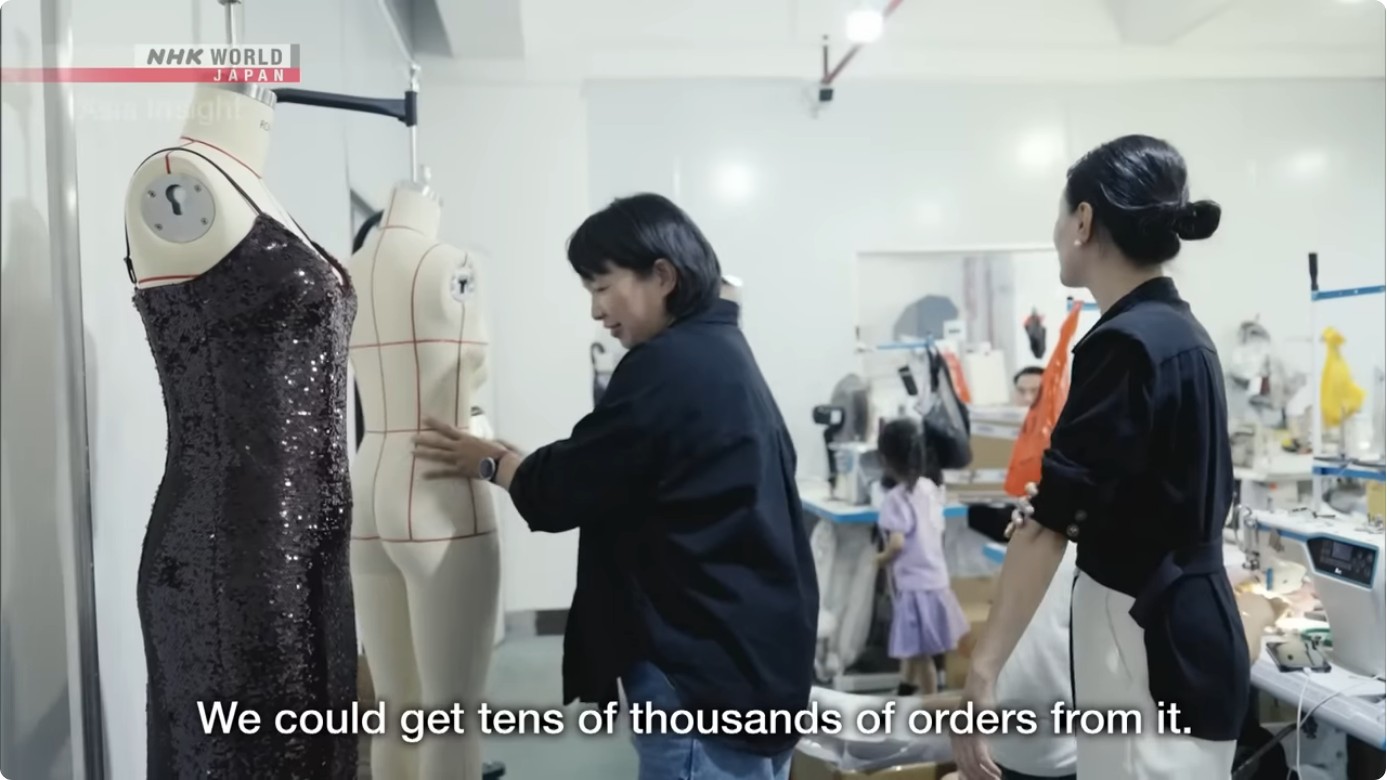
This is the hero shot. It should clearly communicate the intended garment silhouette and attitude. Instead of a vague “athleisure” image, use a specific reference that matches your target fit. For a custom hoodie, anchor with an image showing the desired hood size, body length, and sleeve drop. For cargo pants, show the pocket configuration and taper. Annotate this image directly with callouts: “slim fit,” ” dropped hem,” “raglan sleeve.” This immediately guides the pattern maker’s base template selection and adjustment.
2. The Physical Fabric & Trim Swatch Library
This is non-negotiable for quality control. Digital images cannot convey hand, weight, or stretch. Create a physical swatch board:
- Main Fabric: Include the actual fabric or a certified mill sample with its composition (e.g., 80% polyester, 20%棉) and weight (e.g., 280gsm). Link to the fabric’s technical spec sheet if available from your supplier.
- Secondary/Contrast Fabrics: For ribbed cuffs, mesh panels, or lining.
- Trims: Zippers, snaps, drawcords, labels, hangtags. Order physical samples of each. A #5 YKK zipper feels and functions differently than a generic coil zipper.
- Thread: Specify stitch type (e.g., 504 chainstitch) and thread color/brand if critical for aesthetic durability.
Pro Tip: When sourcing fabrics for OEM, request pre-production “lab dips” or ” strike-offs” from the mill. These are dyed fabric samples that match your color standard and allow you to approve the final color before bulk fabric is produced.
3. The Color Standard Board
Relying on screen colors is a recipe for mismatch. Your color board must include:
- Physical Pantone Fabric Swatches (PMS TCX or TPX): These are the industry standard for textile color communication. You can purchase these from Pantone.
- Lab-Dip Approvals: For each color, attach the approved lab dip from the dye house with its recipe reference number. This is your legal color standard for bulk production.
- Color Placement Map: A simple line drawing of the garment with each color area labeled with its exact PMS number and lab dip reference.
For activewear, consider how color will perform on performance fabrics. Some vibrant dyes have limited wash-fastness on certain synthetics. Your manufacturer should advise on achievable color standards for your chosen fabric base.
4. The Construction & Detail Callout Sheet
This is where you move from “what” to “how.” Create a separate sheet (or annotated layer) detailing:
- Stitching: Stitch type (e.g., 401 chainstitch for side seams), stitch density ( SPI – stitches per inch), and thread color per seam.
- Seam Types: Flatlock, covered, serged? For performance wear, flatlock seams reduce bulk and chafing.
- Logo Application: Specify technique (e.g., “embroidery on left chest, 3/4″ max height, using 40-weight polyester thread on twill backing”). Include a vector file.
- Hardware: “YKK #5 reverse coil zipper with navy pull tab.”
- Labels: Location (neck, side seam), type (woven, printed), size, and content (fiber care, country of origin).
- Finishing: Was the garment stone-washed? Enzyme-treated? Garment-dyed? These processes dramatically affect final hand and color.
Fashion Mood Board Examples: From Vague to Production-Ready
Let’s contrast the common pitfalls with a structured approach for three common custom sportswear categories.
| Garment Type | Typical “Inspiration” Board (Weak) | Production-Ready Board (Strong) |
|---|---|---|
| Custom Oversized T-Shirt | Collage of celebrity photos in baggy tees, texture of vintage fabric, color palette of muted pastels. |
|
| Performance Hoodie | Images of mountain climbers, abstract cold textures, words like “technical” and “warm.” |
|
| Training Cargo Pants | Tactical-style images, focus on pocket utility, fabric looks heavy and rigid. |
|
The difference is specificity. The strong boards provide the actionable data a sample room needs to cut and sew a prototype that is 80% there on the first try, saving you weeks and thousands in sampling costs.
Helpful tip: Where Does Nike Make Their Clothes? A Sourcing Guide for Brands & Buyers
Integrating Your Mood Board into the OEM/ODM Process
Handing your board to a factory is step one. The next steps determine its effectiveness.
The Pre-Production Meeting: Your Board as the Agenda
Schedule a video call with your manufacturer’s technical team. Use your mood board as the sole presentation tool. Walk them through each layer:
- Show the anchor image and silhouette callouts.
- Lay out the physical fabric and trim swatches. Ask: “Can you source this exact fabric? If not, what is the closest alternative in your mill library?” This is a critical feasibility check.
- Review the color standards. Confirm their dye house can hit these PMS numbers on your chosen fabric.
- Go through the construction sheet line-by-line. Ask for their input: “Is this seam type standard for this fabric? Do you recommend a different stitch for better durability on this performance knit?”
This meeting transforms your board from a static document into a collaborative technical specification. A good ODM partner will point out potential production issues (e.g., “That very fine embroidery on this thin mesh may pucker”) and suggest cost-effective alternatives that maintain your design intent.
What Manufacturers Secretly Need From Your Board
Beyond the obvious, top-tier factories look for these signals of a prepared client:
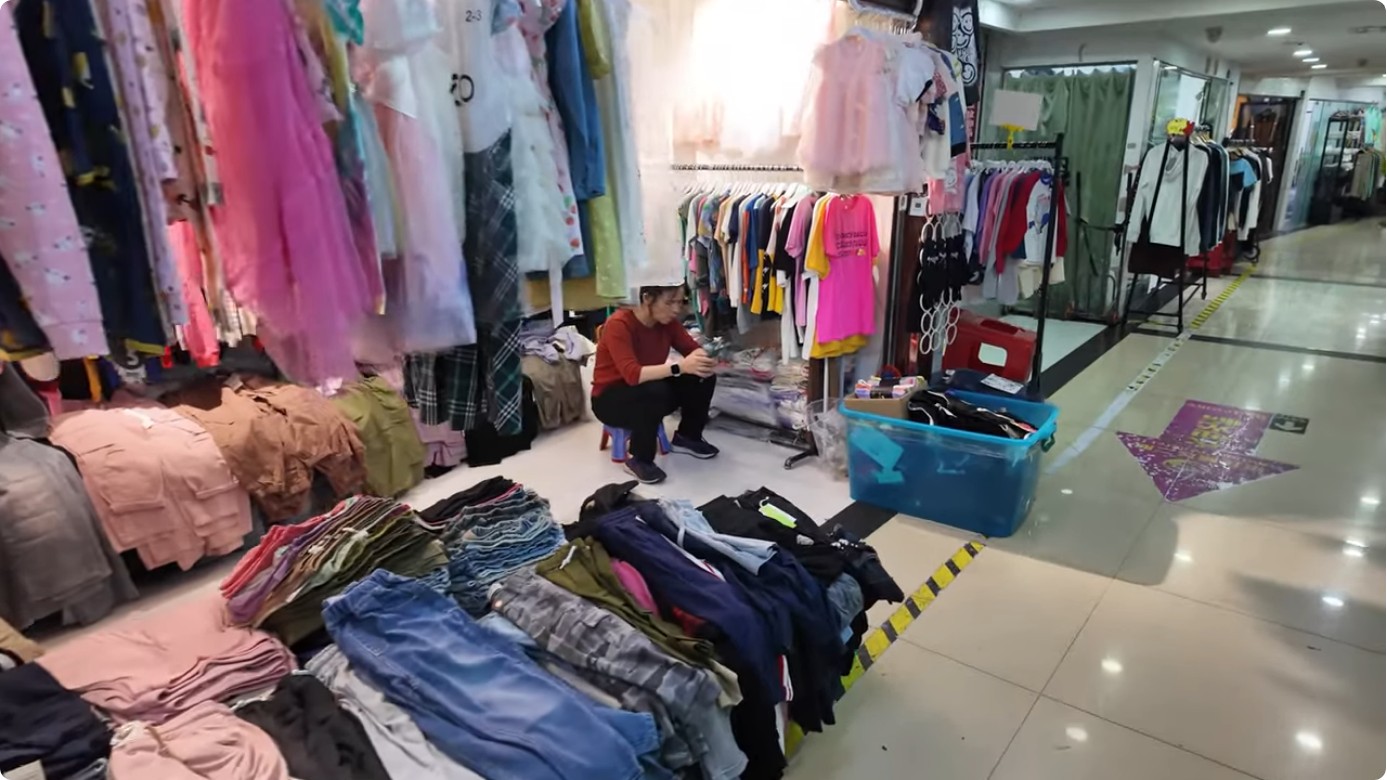
- Intent, Not Just Imitation: You’ve captured the essence of a reference image, not just copied it. This gives them creative leeway to solve construction problems.
- Awareness of Cost Drivers: You understand that 4-way stretch fabric costs more than basic jersey, and intricate embroidery has a minimum stitch count. Your board reflects prioritized spend.
- Clear “Must-Have” vs. “Nice-to-Have”: Is the exact fabric swatch a hard requirement, or is the performance feel the true priority? Highlighting this prevents stalemates over minor substitutions.
- Lifecycle & Care Realism: Your board considers the garment’s end-use. A “stone-washed” look on a performance polyester will likely fail. A manufacturer appreciates when the design acknowledges practical care and durability.
The Pitfalls: What Happens When Your Mood Board Fails
Even with the best intentions, boards can be ineffective. Watch for these red flags:
- The “Everything but the Kitchen Sink” Board: 50 images, 10 color palettes, 5 fabric concepts. This signals indecision and will lead to a scattered, expensive sampling process. Curate ruthlessly. One clear direction per style.
- Missing Physical Swatches: Ordering fabric based on a JPEG is the #1 cause of “the color looks different on screen” disputes. Always, always get a physical swatch in hand before approving.
- Ignoring Fabric Performance: A board filled with images of stiff, structured cotton twill for a yoga pant will create an impossible product. Your fabric must match the function of the style.
- Vague Logo Instructions: “Put the logo on the chest” is meaningless. Specify size, placement from seam, technique, and thread color. Provide a vector file with clear dimensions.
Your Pre-Production Checklist: Is Your Board Factory-Ready?
Before you email your mood board to a potential manufacturing partner, run this checklist:
- Anchor Clarity: Is there one dominant image/sketch that defines the silhouette?
- Physical Swatches: Are ALL fabrics, trims, and labels represented by physical samples attached?
- Color Standards: Are colors specified by PMS number with an approved lab dip reference?
- Construction Specs: Is there a separate, bulleted list of stitch types, seam finishes, and hardware?
- Logo Art: Are logo applications specified with technique, size, and location? Is a vector file provided?
- Performance Context: Does the board briefly state the end-use (e.g., “high-intensity gym,” “lifestyle streetwear”)?
- Priority Hierarchy: Have you internally ranked what is non-negotiable (fabric feel, color) vs. flexible (specific trim brand)?
If you can check every box, you have moved from a “designer” to a “product developer.” This is the language of efficient manufacturing.
What Details Does Your Factory Need From You?
Before you finalize your next custom order request, ask yourself: Have I provided everything a pattern maker and sample tailor needs to build this garment without guessing? The most successful custom apparel projects start with a mood board that is part creative manifesto, part technical spec sheet. It respects the manufacturer’s expertise while unequivocally stating your brand’s standards.
We manufacture all the styles discussed in this guide — with custom labels, fabric options, and print or embroidery finishing. Tell us what you need. Send us your mood board, and let’s discuss how to translate your vision into a production-ready reality.