
If you’ve wondered “where is Adidas made,” the short answer is: across a vast, global network. Like most major athletic brands, Adidas does not manufacture its products in a single country or even a single region. Their supply chain spans Asia, Europe, and the Americas, with a significant portion of footwear and apparel coming from Vietnam, China, and Indonesia. This decentralized model allows them to scale production, manage costs, and be close to raw material sources or key markets.
But for a brand owner, retailer, or sports team looking to create their own custom activewear, the more relevant question isn’t just about Adidas’s geography. It’s about understanding what that complex global network represents: a sophisticated system of sourcing, factory partnerships, quality control, and logistics that is very different from working directly with a dedicated manufacturing partner. This article breaks down the reality of where a major brand manufactures, then pivots to the practical factors you should consider when choosing a factory for your own OEM or ODM project.
The Reality of a Major Brand’s “Made In” Labels
The “Made in [Country]” label on an Adidas shirt or hoodie tells you where the final substantial transformation—typically the sewing assembly—occurred. It does not tell the full story of a product’s journey. A single garment might involve yarn from one country, fabric knitted in another, dyed in a third, and finally sewn in a fourth. For a global company, optimizing this chain is a core part of the business.
This model has clear advantages for a company of Adidas’s size:
- Scale and Cost Optimization: They can leverage massive order volumes to negotiate the best prices across different regions.
- Risk Diversification: Political unrest, natural disasters, or trade disputes in one region won’t halt their entire production.
- Proximity to Market: Making products for the European market in Europe or North America in North America can reduce shipping times and carbon footprint for those specific lines.
However, this system is built for a specific purpose: serving a global, standardized catalog. It is not designed for the needs of a smaller brand or a one-off custom order. The factories in this network often have extremely high minimum order quantities (MOQs), sometimes in the tens of thousands of units, and are generally not accessible to independent buyers.
Key Manufacturing Hubs for Athletic Apparel
While the exact breakdown shifts with trade policies and costs, the following regions are consistently central to global sportswear production:

| Region | Primary Role | Typical Products | Sourcing Considerations |
|---|---|---|---|
| Vietnam | Current primary hub for footwear and apparel assembly. | Footwear, performance t-shirts, hoodies, tracksuits. | Highly skilled workforce for sewing, strong infrastructure, but rising labor costs. |
| China | Still massive for fabric production, knitting, and some assembly. Shifting to higher-value and techwear. | Technical fabrics, accessories, complex garments. | Unmatched vertical integration (yarn to garment), but higher MOQs and increasing costs. |
| Indonesia | Major footwear and apparel assembly, a key alternative to Vietnam. | Footwear, basic to mid-range apparel. | Large workforce, competitive pricing, but logistics can be more complex than Vietnam. |
| Bangladesh | Dominant for basic, high-volume cotton apparel (t-shirts, sweatshirts). | Basic cotton knits, denim. | Very low cost, but requires stringent social compliance auditing (e.g., for fire safety, building standards). |
| Turkey / Portugal | Nearshore manufacturing for EU/US markets, focusing on quality and speed. | Premium basics, technical outerwear, smaller custom runs. | Higher cost than Asia, but shorter lead times, easier communication, and “made in Europe” branding appeal. |
What This Means for Your Brand: Sourcing vs. Buying
Understanding the landscape above is crucial, but your path as a custom brand is fundamentally different. You are not buying from a retailer’s inventory or trying to tap into an existing, closed supply chain. You are commissioning production. This changes the entire decision matrix. Instead of asking “where is [Big Brand] made?” you must ask: “Where should my product be made, and with which factory?”
The choice of manufacturing location for your custom order depends on a balance of:
- Order Quantity (MOQ): The single biggest filter. A factory in Bangladesh producing 100,000 t-shirts a month has no interest in your 500-piece order. You need a factory with an MOQ that matches your business stage.
- Product Complexity: A simple crewneck t-shirt can be made in many regions. A performance zip-up with bonded seams, waterproof zippers, and specific breathable mesh requires a factory with expertise in technical apparel and access to specialized machinery.
- Budget Per Unit: This dictates the feasible region and factory tier. European manufacturing will command a premium over Southeast Asian production for comparable items.
- Lead Time & Flexibility: Do you need 2,000 units in 8 weeks, or can you wait 16 weeks for a lower price? Factories with more flexible schedules (often smaller or near-shore facilities) charge for that convenience.
- Certification Needs: If you require Fair Trade certification, specific textile standards like GOTS (Global Organic Textile Standard), or bluesign® approval, you must vet factories for those credentials before quoting.
The OEM vs. ODM Decision Point
When engaging a factory directly, you’ll encounter these models:
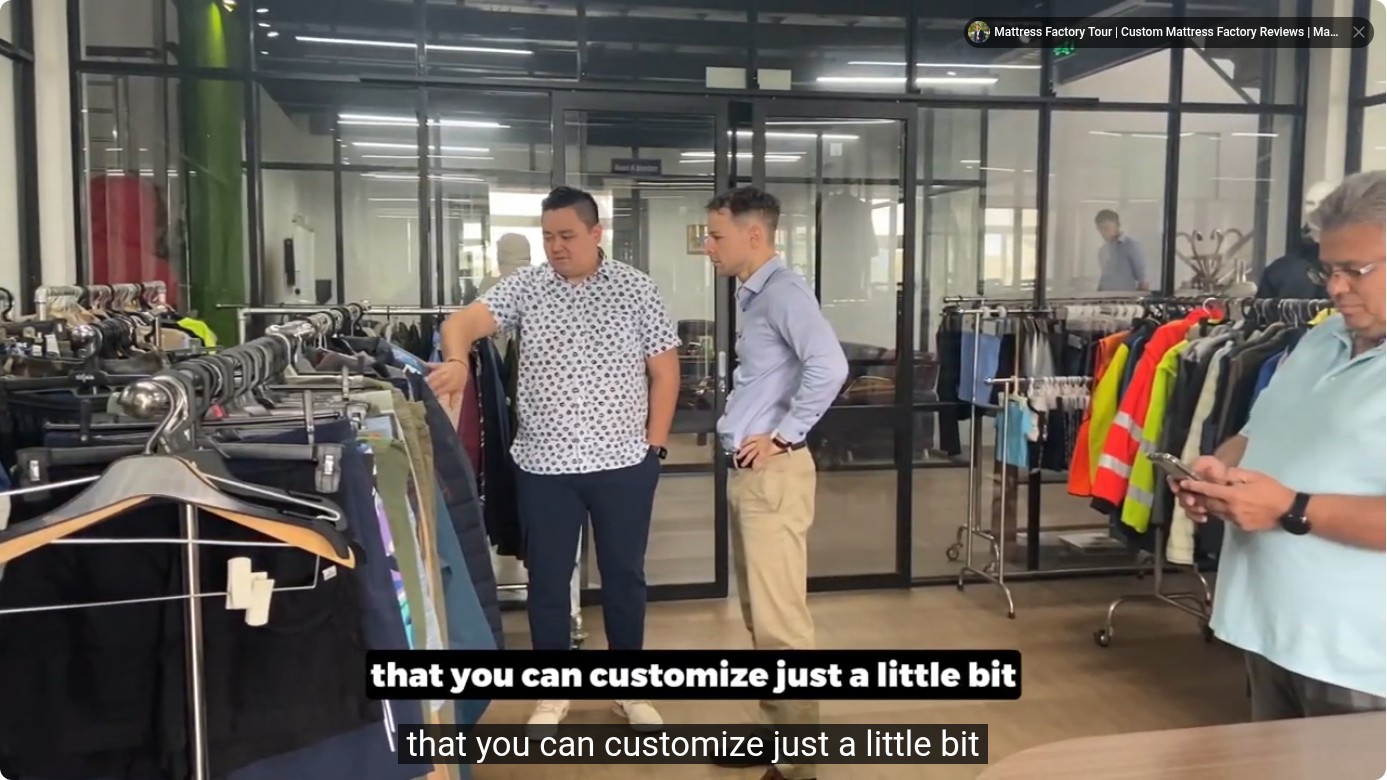
- OEM (Original Equipment Manufacturer): You provide the complete spec: tech pack, patterns, materials, and samples. The factory executes your vision exactly. This is ideal if you have a fully developed design and want control over every material detail. The risk is on you to ensure the design is production-ready.
- ODM (Original Design Manufacturer): The factory provides a library of proven, pre-developed styles. You select a base and request modifications (color, fabric, logo placement, minor fit changes). This is perfect for brands wanting to launch faster with less upfront R&D cost and with designs that have already been tested in production. The trade-off is less uniqueness; other brands may be selling very similar base designs.
Choosing Your Manufacturing Partner: Beyond the “Made In” Label
A large brand’s supply chain is a black box, optimized for its own needs. Your goal is to build a transparent partnership. Here is a practical checklist for vetting a potential custom sportswear factory:
You may also like: The 260 GSM Hoodie: A Brand’s Guide to Style, Customization, and Sourcing
Factory Vetting Checklist
- Request and review factory profiles: Ask for their client list (with permission), years in business, and production capacity breakdown by product type.
- Insist on material sourcing transparency: Where do they source their core fabrics? Do they work with certified mills? Can they provide fabric swatches with batch numbers for traceability?
- Evaluate sample quality rigorously: Pay for pre-production samples. Assess stitching, fabric hand, print/embroidery quality, and fit. A sample is your only true test of capability.
- Discuss quality control protocols: What is their in-line QC process? Who does final inspection? What is their policy on defect rates and re-manufacture?
- Clarify communication channels: Who is your dedicated project manager? What are the language barriers? What is their process for approving fabrics, colors (using Pantone codes), and samples?
- Understand payment terms: Standard is 30% deposit, 70% before shipment. Be wary of factories demanding 100% upfront.
- Verify compliance: Ask for reports on factory audits (e.g., SMETA, BSCI). This is non-negotiable for brand reputation.
Working with a specialized custom sportswear manufacturer—as opposed to a general trading company—means you engage with a team that lives and breathes activewear construction. They understand the difference between a 2-way stretch and a 4-way stretch knit, the importance of flatlock seams for performance, and the best placement for label tags to avoid irritation. This expertise directly impacts the feel, performance, and perceived quality of your final product.
Trade-offs: The Reality of Custom Production
No single manufacturing destination or partnership is perfect. The key is aligning choices with your brand’s position. Consider these common scenarios:
- The Startup Brand (MOQ: 100-500 units): You will likely work with a smaller factory, possibly in Central America, the Caribbean (for US brands), Portugal, or a dedicated segment within a larger Chinese/Vietnamese factory that handles smaller runs. Your focus is on flexibility, communication, and getting a quality prototype. Cost per unit will be higher, but the ability to iterate is critical.
- The Growing Brand (MOQ: 1,000-5,000 units): At this scale, you can engage mid-sized, specialized factories in Vietnam, Indonesia, or Bangladesh that cater to emerging brands. The focus shifts to balancing cost with reliable quality and on-time delivery. Building a long-term relationship with a factory can secure better pricing over time.
- The Established Brand (MOQ: 10,000+ units): Here, the model begins to look more like the big brands. You may have a dedicated account manager at a large factory and can influence production scheduling. The primary levers are cost optimization at scale and sophisticated logistics planning.
The major trade-off is always Scale vs. Control. The gigantic, efficient supply chains of brands like Adidas offer low unit cost but offer zero control or access. A dedicated custom manufacturer offers partnership, flexibility, and direct communication, but at a higher per-unit price that reflects lower volumes and more hands-on management.
The Bottom Line for Your Sourcing Strategy
So, where is Adidas made? Everywhere. But more importantly, how is it made? Through a colossal, complex, and closed system built for its own volume. For your brand, the strategic question is not about accessing that system, but about building your own efficient, transparent, and scalable production partnership.
Your success depends less on the geopolitical label on the tag and more on the relationship with the people who sew the seams, dye the fabrics, and ensure your design vision becomes a tangible, high-quality product. Prioritize finding a manufacturing partner whose capabilities, communication style, and ethical standards align with your brand’s needs—whether that partner is in Istanbul, Ho Chi Minh City, or Los Angeles.
Is Your Current Sourcing Strategy Aligned With Your Brand’s Scale?
Before committing to a factory, have you mapped out your 12-month production needs? Are you clear on the trade-offs between the lowest possible unit cost and the flexibility needed for a growing business? Understanding these fundamentals is what separates a sustainable custom apparel business from one plagued by quality issues and missed deadlines.
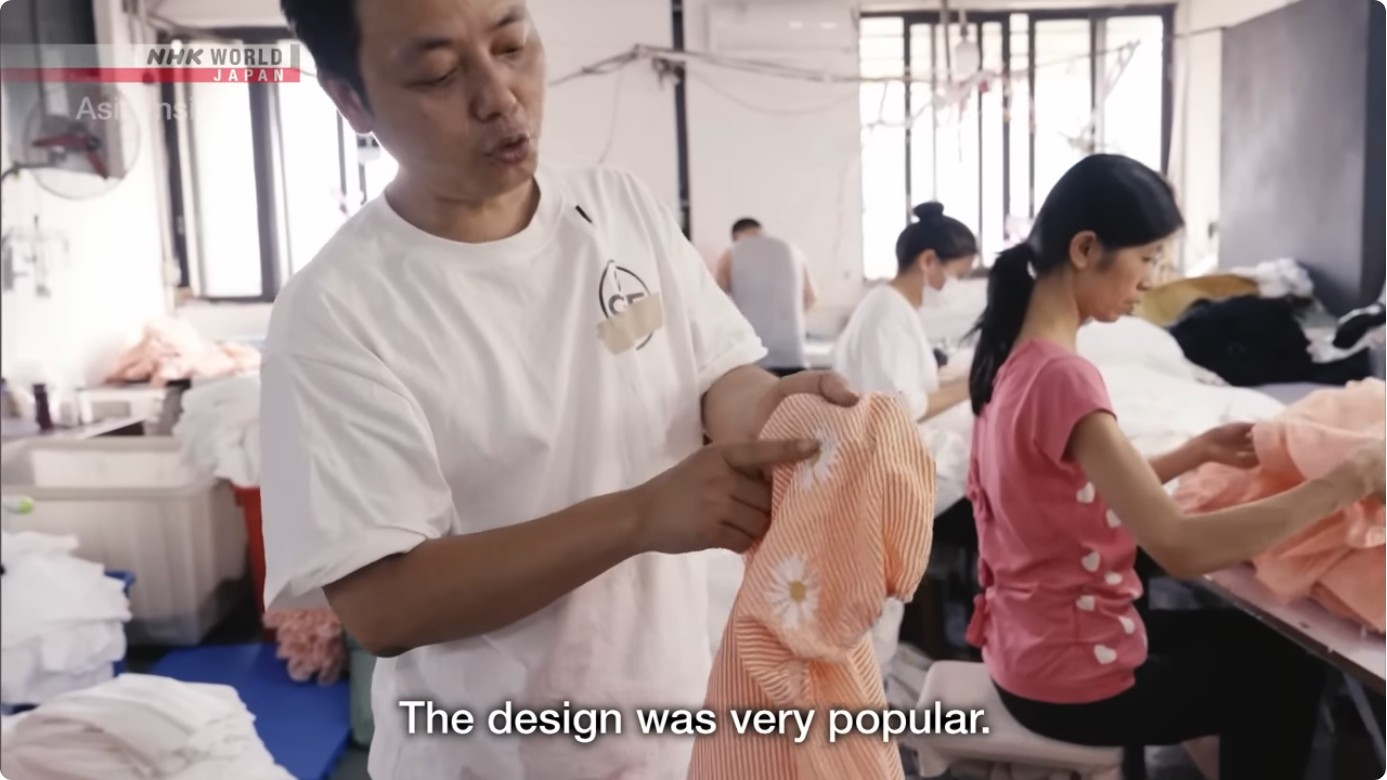
If you’re looking to source or customize any of the styles mentioned above, our factory offers low MOQ OEM/ODM production with full sampling support. Get a free quote today.