
For brands and buyers in the activewear space, the term ‘lightweight’ is more than a marketing descriptor—it’s a critical engineering specification that dictates performance, cost, and consumer appeal. A fabric’s weight fundamentally shapes the garment’s function, from a barely-there running tee to a durable yet breathable hiking shirt. This guide deconstructs what lightweight clothing fabric truly means in a manufacturing context, breaking down its technical properties, material choices, and the key considerations you must communicate to your factory to ensure your custom product meets its intended purpose.
Whether you’re a startup brand launching a performance line or a gym ordering custom team kits, understanding the tradeoffs between different lightweight constructions is essential for sourcing a product that performs, lasts, and satisfies your customers. We will move beyond vague terminology to examine grams per square meter (GSM), weave structures, fiber science, and the practical questions that define a successful OEM/ODM partnership.
Defining ‘Lightweight’ in Textile Manufacturing
In textile manufacturing, fabric weight is measured in grams per square meter (GSM). This single metric is the primary quantifier of ‘lightweight.’ However, the industry lacks a universal cutoff. Generally, for woven and knitted activewear:
Helpful tip: Ribbed Knit Fabric: Structure, Properties, and Sourcing Guide
- Ultra-Lightweight: Under 120 GSM. Often used for base layers, sheer overlays, and hot-weather performance gear.
- Lightweight: 120 – 180 GSM. The most common range for t-shirts, tank tops, and light hoodies where breathability is prioritized.
- Mid-Weight: 180 – 250 GSM. Found in heavier sweatshirts, fleece, and more robust training gear.
It’s crucial to understand that GSM alone is insufficient. A 150 GSM jersey knit (like a t-shirt) feels and performs entirely differently from a 150 GSM woven nylon ripstop (like a windbreaker). The fabric’s construction—its weave or knit pattern—is the other half of the equation.
The Critical Role of Fabric Construction
Construction determines durability, stretch, drape, and wind/water resistance. Two primary categories dominate custom sportswear:
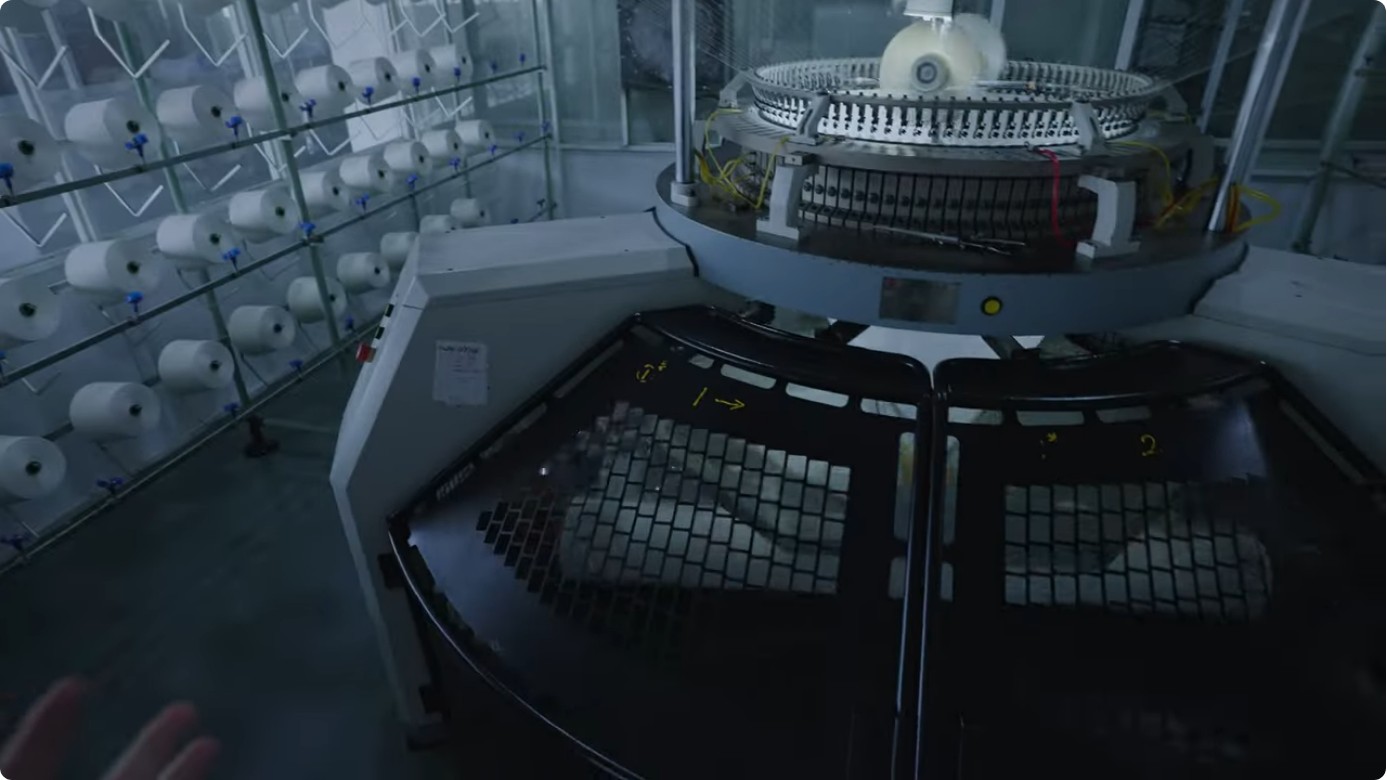
- Knits (Jersey, Interlock, Pique): Loops of yarn intermeshed. Naturally more stretchy and comfortable against the skin. Ideal for t-shirts, leggings, and relaxed-fit tracksuits. Lightweight knits are prized for their soft hand feel and mobility.
- Wovens (Plain, Twill, Ripstop): Yarns interlaced at right angles. Less inherent stretch but greater stability, wind resistance, and abrasion toughness. Used for joggers, cargo pants, jackets, and structured performance shirts. A lightweight woven, like a 140 GSM nylon twill, can feel incredibly soft yet surprisingly tough.
Key Tradeoff: You often trade some stretch for enhanced durability and weather resistance in wovens. For a high-mobility yoga top, a lightweight knit with mechanical stretch is non-negotiable. For a climbing shell, a lightweight woven with a DWR finish is essential.
Common Fiber Blends for Lightweight Activewear
The choice of fiber (or blend) is where performance characteristics are engineered. No single fiber is ‘best’; the optimal blend depends entirely on your product’s target use case and price point.
| Fiber/Blend | Key Properties | Typical Use Cases | Sourcing Notes |
|---|---|---|---|
| 100% Polyester (Microfiber) | Very lightweight, excellent moisture-wicking, quick-dry,wrinkle-resistant, cost-effective. Can feel less soft and have static issues. | Running tees, team jerseys, travel wear, budget-friendly basics. | The workhorse of performance wear. Specify filament vs. spun yarn for different hand feels. Can be engineered for 4-way stretch with elastane. |
| Polyester/Nylon Blend | Combines polyester’s wick with nylon’s superior abrasion resistance and softer hand. Often slightly higher cost. | Hiking shirts, golf apparel, premium gym wear, jackets. | A great upgrade for garments needing a balance of softness and durability. Nylon’s moisture regain is slightly better than polyester. |
| Polyester/Elastane (e.g., 92/8) | Adds significant stretch and recovery. The elastane (spandex/Lycra) content dictates the garment’s compression and mobility. | Yoga pants, fitted t-shirts, compression wear, any tight-fitting performance garment. | Elastane content must be precisely controlled. Higher percentages (15%+) require special knitting/weaving to prevent degradation. Specify brand of elastane (e.g., Invista Lycra) for premium claims. |
| Tri-Blend (Cotton/Polyester/Rayon) | Ultra-soft, vintage drape, good breathability. Reduced moisture-wicking vs. synthetics. Less durable. | Fashion-forward casual athleisure, boutique gym wear, lifestyle tees. | Popular for its premium feel. Understand the rayon content can affect shrinkage and long-term durability. Not ideal for high-sweat intensity sports. |
| 100% Cotton (Lightweight Jersey) | Natural, breathable, comfortable. Holds moisture (can feel heavy/soggy), wrinkles, shrinks. | Low-intensity studio wear, casual branded merchandise, organic/eco-focused lines. | Require pre-shrunk (sanforized) fabric. For performance, a very lightweight, open-knit cotton pique is your best bet, but it still underperforms synthetics for sweat management. |
Sourcing and Production: What Your Factory Needs to Know
Ordering custom lightweight fabric isn’t like ordering a standard commodity. The success of your order hinges on the clarity of your technical package and communication with your OEM/ODM partner. Vague requests like ‘make it light and soft’ will lead to inconsistent results.
The Essential Specification Checklist
Before requesting a sample or quote, prepare the following details. Providing this to your factory manager dramatically improves sample accuracy and reduces costly revisions:
Also read: Ninja Time Clan Tier List: Rankings, Strengths, and How to Pick the Best Clan
- Target GSM: Provide a specific range (e.g., 145-155 GSM). Understand that a +/- 10 GSM variance can change the garment’s character significantly.
- Fabric Construction: Specify knit type (e.g., single jersey, 1×1 rib, pique) or weave (e.g., plain weave, 2×1 twill). Reference a sample or a textile construction term if possible.
- Fiber Composition & Yarn Count: State the exact blend (e.g., 93% Polyester, 7% Elastane) and, if known, the yarn count (e.g., 30/1). Finer yarns generally produce a smoother, lighter fabric.
- Performance Finishes: List any required treatments: moisture-wicking (hydrophilic finish), antimicrobial (e.g., silver-based or chitosan), DWR (Durable Water Repellent), UV protection, anti-odor.
- Hand Feel & Aesthetics: Describe the desired touch: ‘silky,’ ‘peach-skin,’ ‘crisp,’ ‘slubby.’ Reference a competitor garment or a physical sample.
- Color & Dyeing Method: Specify dyeing type (piece-dye vs. yarn-dye) and color standards (Pantone, lab dip approval). Lightweight fabrics can show dye inconsistencies more readily.
- Special Requirements: Certification needs (e.g., GOTS for organic, bluesign), sustainable yarns (recycled PET, Tencel), or specific testing (e.g., AATCC 61 for colorfastness to laundering).
Navigating MOQs and Sampling for Custom Lightweight Fabrics
Minimum Order Quantities (MOQs) for custom-knit or custom-woven lightweight fabrics are a major consideration, especially for smaller brands. Here’s how it typically breaks down:
- Stock Fabric (Off-the-Shelf): Many factories have a library of standard lightweight jersey, pique, or nylon fabrics. MOQs can be as low as 50-100 pieces per style/color if you use their existing stock. This is the fastest and most cost-effective route for startups.
- Custom Fabric Development: If you require a unique GSM, blend, or finish, you will need to develop a new fabric. This involves yarn sourcing, knitting/weaving, and dyeing trials. MOQs for the fabric itself can be 1,000-5,000 meters minimum. Your garment MOQ will then be tied to this fabric consumption. This process takes 8-12 weeks.
- The Sampling Phase: Never skip lab dips and fabric swatches. For lightweight fabrics, request a washed sample to assess hand feel and shrinkage after laundering. A 10×10 cm swatch is insufficient to judge drape and weight.
Decision Point: If your target quantity is under 500 units per design, strongly consider adapting your design to use the factory’s existing stock lightweight fabrics. This can save thousands in development costs and drastically reduce lead time.
Use Cases Matched to Fabric Type: A Practical Guide
Matching the right lightweight fabric to the activity is the core of product development. Here’s a quick-reference guide for common custom sportswear applications:
- High-Intensity Running/Training: Ultra-lightweight (<130 GSM) polyester micro-knit with a hydrophilic wicking finish and mesh panels. Priority: maximum breathability, minimal weight, rapid dry time.
- Yoga/Pilates/Studio: Lightweight (140-160 GSM) polyester/spandex or nylon/spandex brushed knit. Priority: 4-way stretch, soft hand feel, squat-proof opacity, moisture management.
- Outdoor Hiking/Travel: Lightweight (130-150 GSM) nylon or polyester ripstop or plain weave with DWR and UPF 50+. Priority: wind resistance, abrasion toughness, packability, sun protection.
- Team Sports (Soccer, Basketball):strong> Lightweight (150-170 GSM) polyester pique or mesh with anti-odor treatment. Priority: durability, breathability in high-sweat zones, colorfastness for repeated washing, bold color capabilities.
- Casual Athleisure/Lifestyle: Tri-blend jersey or lightweight French terry. Priority: premium soft feel, drape, and casual aesthetic over technical performance.
Key Quality Markers to Request from Your Factory
When evaluating fabric samples or finished garments, ask your factory for these specific test results or physical checks:
- Shrinkage: A pre-washed, laid-flat measurement after a home laundering cycle (follow AATCC or ISO standards). Lightweight knits can shrink 5-8% if not sanforized.
- Pilling Resistance: Inquire about ASTM D3512 or Martindale pilling test results. This is critical for areas like inner thighs and underarms.
- Tear Strength (for wovens): A higher GSM doesn’t guarantee strength. Ask for grab tear test results (ASTM D5034).
- Colorfastness: Specifically, to laundering (AATCC 61) and perspiration (AATCC 15). Light colors on lightweight synthetics can be prone to staining from deodorants.
- Hand Feel Consistency: Ensure the bulk fabric used for production matches the approved sample’s softness and texture. Batch-to-batch variation is a common pitfall.
What to Ask Before You Commit: A Buyer’s Checklist
Use these questions to qualify a potential manufacturing partner for your lightweight activewear line:
- Do you have existing stock lightweight fabrics that match my desired performance (e.g., 4-way stretch, moisture-wicking)? Can you provide a physical swatch book?
- What is your standard MOQ if we use your stock fabric? What is the MOQ and lead time for a custom-developed fabric?
- Can you provide lab dip (color) and fabric swatch approvals before bulk production?
- What quality control checks do you perform on lightweight fabrics specifically (e.g., GSM verification, shrinkage control)?
- Do you have experience with the specific certifications I need (e.g., recycled content, organic, bluesign)? Can you provide the necessary documentation?
- What is your policy if the bulk fabric does not match the approved sample’s hand feel or GSM?
Summary: The Core Considerations for Sourcing Lightweight Fabric
To source effectively, you must balance three pillars: Performance (the GSM, construction, and fiber blend that serves your athlete’s sport), Cost & Logistics (stock vs. custom, MOQ, lead time), and Quality Control (specific tests, sample approval process). The most successful orders begin with a hyper-specific technical package that leaves no room for interpretation. A factory’s ability to meet your lightweight fabric requirements is a direct function of their communication clarity and their own inventory of developed textiles.
If you’re looking to source or customize any of the styles mentioned above, our factory offers low MOQ OEM/ODM production with full sampling support. Get a free quote today.
You may also like: Goose Goose Duck Codes: How to Find, Redeem, and Use Them