
When you picture women’s volleyball shorts, the classic form-fitting brief comes to mind. But for brands, teams, and retailers, these shorts are a precise piece of athletic equipment with specific performance and aesthetic demands. Sourcing them for custom production requires understanding more than just a size chart—it’s about decoding fabric technology, construction details, and the trade-offs that affect cost, comfort, and durability. Whether you’re outfitting a collegiate team, launching an activewear line, or restocking a pro shop, this guide breaks down the essential elements of women’s volleyball short shorts from a manufacturing and sourcing perspective.
We’ll move beyond the basic definition to explore the engineering behind the fit, the critical role of fabric selection, and the practical questions you must answer when approaching a factory for OEM or ODM production. This isn’t just a style overview; it’s a roadmap for making informed decisions that balance athlete needs with your business realities.
Why the Design Is Non-Negotiable: The Performance Core
Volleyball is a sport defined by explosive verticals, rapid lateral movements, and diving plays. The apparel must facilitate this without restriction. The signature short short design—typically with a 3- to 5-inch inseam and a high-rise, compression-style fit—isn’t a fashion trend; it’s a functional solution. The shortened length prevents the shorts from riding up uncomfortably during intense movement and eliminates fabric bunching that could distract an athlete. The compressive, body-hugging fit stabilizes muscles, reduces vibration, and provides a full range of motion without the garment shifting out of place.
Also read: The Complete Guide to White Knit Fabric: Types, Sourcing, and Practical Application
For a custom buyer, this means the fit pattern is the first critical decision. An ODM factory will have a base pattern graded for an “athletic” or “volleyball” fit, which differs significantly from a standard short or swimwear brief. Key measurements include a precise rise (front and back), hip circumference with negative ease (typically 10-15% less than body measurement), and a gusset placement that ensures coverage in all athletic positions. If you’re providing your own design, you must supply detailed technical packets with these specifications; if using a factory’s ODM style, you should request their sample and test it for the intended use case.
Fabric Fundamentals: Moisture-Wicking vs. Durability
The fabric is where performance lives or dies. The overwhelming majority of performance volleyball shorts use knitted fabrics, not woven, for their superior stretch and recovery. The most common is a polyester-spandex blend, typically 80-90% polyester / 10-20% spandex or a similar Lycra®/elastane blend. The polyester provides durability, colorfastness, and moisture-wicking; the spandex grants the 4-way stretch essential for the sport.
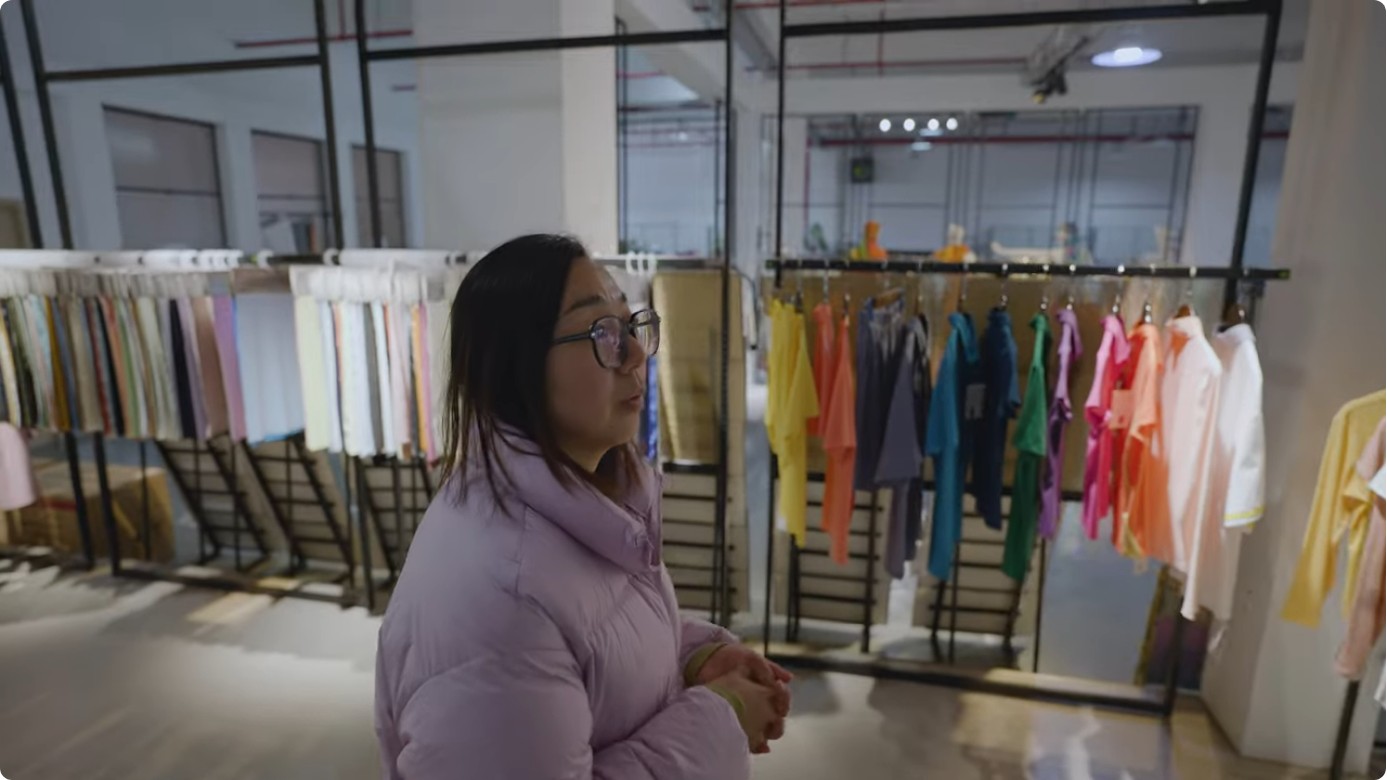
However, not all polyester is created equal. Moisture-wicking technology is applied at the fiber or yarn stage. A high-quality wicking knit will pull sweat to the fabric’s surface rapidly and dry quickly. For custom orders, you should ask the manufacturer about the specific fabric construction: is it a single jersey, a double knit, or a mesh? A lightweight, breathable single jersey might be ideal for summer leagues but could lack opacity for high-intensity play. A tighter, heavier double knit offers more opacity and durability but may retain more heat. The trade-off between breathability, opacity, and longevity must be aligned with your end-user’s environment and budget.
Key Customization Levers for Your Order
When you engage a factory for custom volleyball shorts, you’re customizing within a framework of technical constraints. Here are the primary levers you can pull, and what they mean for production.
1. Waistband Style & Construction
The waistband is a major comfort and aesthetic factor. Options typically include:
- High-Rise Fold-Over Waistband: The classic volleyball look. A wide (1.5-2.5 inch) elastic band folded and stitched inside. Offers secure fit and a clean exterior look. Cost-effective and highly durable.
- Contoured Waistband: A shaped, narrower band (often 1 inch) that follows the natural waistline. Can be more comfortable for some body types but requires precise pattern grading.
- Drawstring Addition: Often added to a fold-over band for an adjustable fit. This adds a small cost per unit and requires extra sewing steps.
Production Note: The quality of the elastic is paramount. A low-grade elastic will lose stretch and roll after a few washes. Specify a “recovery elastic” or a branded elastic like Tencel™ Lyocell-blended elastic for a premium feel, understanding this will increase cost and MOQ.
2. Inseam Length & Rise
While the “volleyball short” category implies a short length, there is a spectrum. Common custom options are:
| Inseam Length | Typical Rise | Primary Audience/Use Case | Sourcing Consideration |
|---|---|---|---|
| 2.5″ – 3.5″ (Ultra-Short) | High (9″+) | Elite/club volleyball, fashion-forward activewear | Higher fabric cost per unit due to less efficient nesting; may have stricter opacity requirements. |
| 4″ – 5″ (Classic) | High (8.5″-9.5″) | High school, collegiate, recreational leagues | Most common, best fabric utilization. Standard for most ODM catalogs. |
| 5″ – 7″ (Mid-Length) | Mid/High (7.5″-9″) | All-around training, brands targeting broader “athletic” market | Often uses less fabric, potentially lower cost. May not meet strict “volleyball” uniform regulations for some leagues. |
3. Hemline & Leg Opening
The leg opening finish is a subtle but important detail. A raw-cut hem (using a laser cutter) provides a clean, modern look and eliminates a stitching line that can sometimes show under tight clothing. A traditional cover-stitched hem is more durable and less prone to fraying but adds a visible stitch line. For custom branding, the leg opening is also a prime spot for a small embroidered logo or a woven label.
The Custom Sourcing Checklist: Questions to Ask Your Factory
Before you request a quote or approve a sample, you need a clear technical brief. Use this checklist to structure your inquiry and ensure you get comparable, accurate proposals.
Fit & Pattern:
Related guide: Ripstop Cargo Pants: A Buyer’s Guide to Style, Fabric, and Custom Manufacturing
- Do you have an existing ODM pattern graded for a “volleyball short” fit? Can you share the size chart and specification sheet?
- If creating a custom pattern, what is your development fee and timeline?
- What is your standard negative ease (percentage of stretch) at the hip and thigh?
Fabric & Trim:
- Can you provide fabric swatches? What is the fabric composition, weight (GSM), and stretch percentage?
- What is the fabric’s moisture-wicking rating (if applicable)? Can you share test data?
- What brand of elastic do you use for the waistband? Can I specify a premium brand?
- Are all threads, labels, and packaging materials customizable?
Production & Quality:
- What is your standard MOQ (Minimum Order Quantity) for this style? (Expect 100-500 pieces per style/color for most factories; some may go lower for a premium price).
- What is your typical lead time from approved sample to shipment?
- What quality control steps are in place? Is there a pre-shipment inspection process?
- What is your defect rate historically on this garment type?
Navigating Trade-Offs: Cost, Speed, and Customization
Sourcing custom activewear is a series of trade-offs. A factory’s standard ODM style is the fastest and most cost-effective path. It uses established patterns, pre-sourced fabrics, and streamlined production. However, you are limited to their color palette and any branding must be applied within their standard zones (e.g., left thigh, center back waist).
Moving to a true OEM project—where you provide a unique design, pattern, and potentially fabric—increases cost, extends lead time (pattern making and fabric sourcing add weeks), and raises the MOQ. The benefit is complete brand differentiation. A middle ground is modifying an ODM base: requesting a different inseam, a unique color matched to your Pantone, or a special waistband detail. This is often the smartest move for emerging brands wanting a signature look without the full OEM burden.
A critical reality: Very low-cost shorts often use lower-grade fabric with poor recovery and opacity. They may feel stiff initially and bag out quickly. Investing in a better fabric, even at a slightly higher unit cost, protects your brand’s reputation for quality. Request a pre-production sample (a “PP sample”) and put it through its paces: have an athlete move, stretch, and wash it. Check for pilling, color bleed, and waistband roll.
Who Is Making These? Understanding Your Supplier
The global supply chain for performance wear is mature. Many B2B manufacturers specialize in activewear and have dedicated lines for items like volleyball shorts. When evaluating potential partners, look for:
- Specialization: A factory that lists “volleyball uniforms” or “compression shorts” as a core product will understand the nuances of gusset construction and flatlock seams better than a general knitwear factory.
- Certifications: Look for certifications like ISO 9001 for quality management. For ethical sourcing, inquire about their social compliance audits (e.g., SEDEX, BSCI).
- Sample Quality: The quality of their standard sample you receive is the single best predictor of your bulk order quality. Inspect stitching consistency, fabric hand, and label neatness.
- Communication: A responsive, technically proficient sales or project manager is invaluable. They should be able to explain fabric options and warn you of potential pitfalls in your design.
Final Considerations Before You Order
Before finalizing your specification, run through these final questions:
- League Compliance: Does your target market (e.g., high school athletics, USA Volleyball) have specific uniform rules regarding length, color, and logo placement? Confirm these first.
- Seasonality: Are these for a single tournament season or year-round use? Heavier fabrics and reinforced seams are worth the cost for high-frequency use.
- Brand Integration: Where will your logo go? A small, tone-on-tone embroidery on the leg is subtle and premium. A large, bold screen print on the hip is high-visibility but may crack if not applied correctly on a high-stretch area. Discuss placement and technique with your factory.
- Sizing Strategy: Volleyball teams often require a wide size range (XXS to XL or beyond). Ensure your factory’s grading is consistent and that they can produce the full range in the same production run without fit deviations.
Ready to Source Your Custom Volleyball Shorts?
Sourcing the perfect custom volleyball short shorts involves balancing technical specs, athlete feedback, and production realities. It starts with a clear understanding of the performance requirements and ends with a detailed, communicative partnership with your manufacturer. By asking the right questions upfront and prioritizing key quality markers like fabric composition and fit pattern, you can secure a product that performs on the court and represents your brand with integrity.
Whether you’re a startup brand needing your first production run or an established retailer scaling your athletic line, we manufacture custom sportswear at competitive MOQs. Reach out to start your project.
Also read: How to Max Your Aura with Working Codes – Guide & Tips