
For a soccer player, their name on the back of a jersey is a badge of identity, a connection to the team, and a point of pride for supporters. But for the businesses behind the kits—brands, teams, retailers, and custom manufacturers—the “soccer jersey name” is a critical production variable. It’s not just text; it’s a specification that impacts material choice, manufacturing technique, cost, durability, and ultimately, customer satisfaction. Whether you’re a fan curious about the details or a buyer sourcing thousands of kits, understanding the intricacies of jersey naming is essential for making informed decisions.
This guide bridges that gap. We’ll break down what constitutes a jersey name, explore the technical methods for applying it, and provide a clear framework for sourcing and specifying custom names on a commercial scale. You’ll learn the key questions to ask a factory, the trade-offs between different applications, and the quality markers that separate a professional-grade kit from a budget replica.
What Exactly Is a “Soccer Jersey Name”?
The term refers to the alphanumeric identifier—typically the player’s surname and squad number—applied to the upper back of a soccer jersey. While seemingly simple, it’s a complex subsystem of the garment. It involves three core components: the substrate (the jersey fabric itself), the applied element (the name/number material), and the application method. The durability and aesthetic of the entire kit can hinge on how well these three elements are integrated.
Key Components and Material Considerations
The jersey’s fabric fundamentally dictates what name application is possible. Modern performance kits use lightweight, highly breathable polyester meshes (e.g., 100% polyester, polyester-spandex blends). These synthetic fabrics are non-absorbent, which rules out traditional cotton-based embroidery without special backing. They also have a smooth, often slipperery surface that challenges certain adhesives used in heat-applied materials.
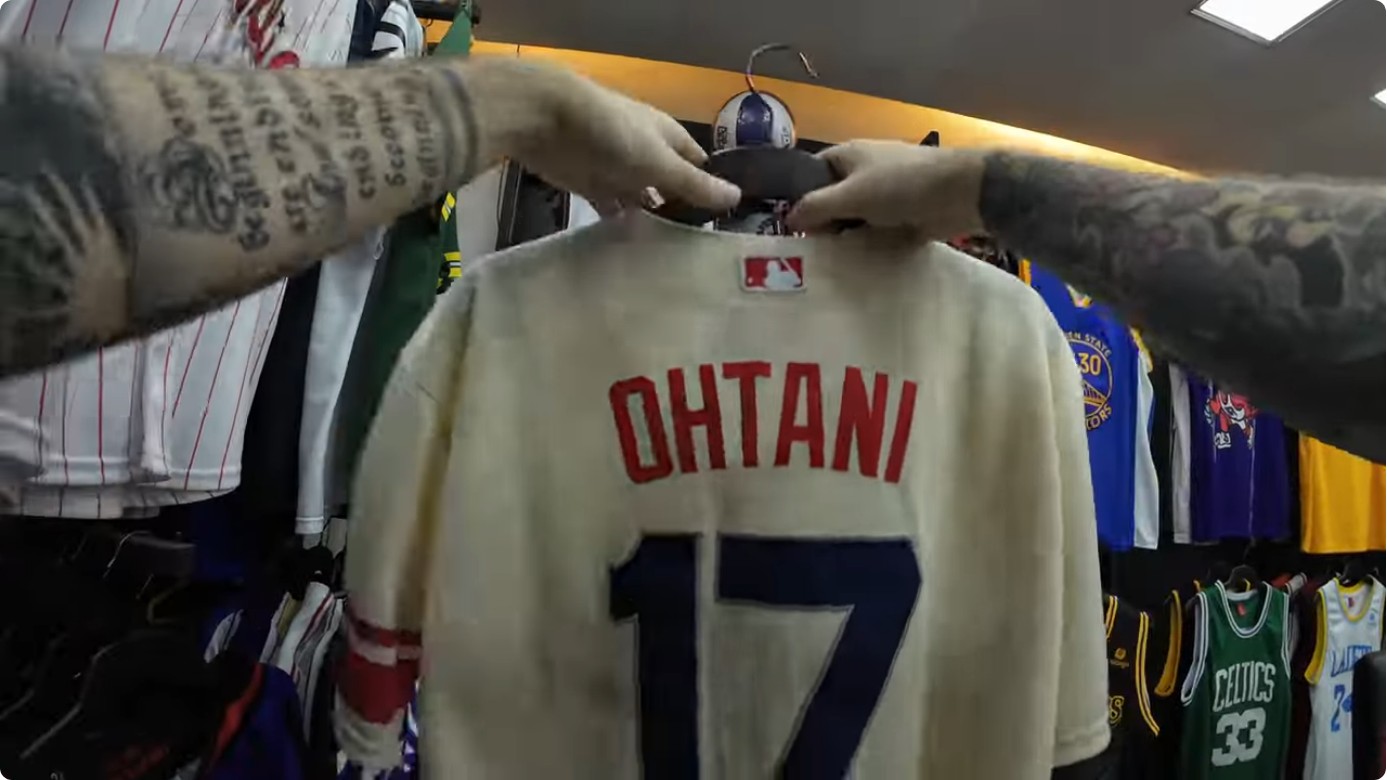
- Substrate: The jersey back panel. Its weave (knit vs. mesh), weight (GSM), and stretch all affect application. A thin, stretchy mesh requires a flexible, low-profile name application to avoid stiffness and cracking.
- Name/Number Material: This can be thread (embroidery), vinyl (heat press), specialized fabric (tackle twill), or ink (sublimation/printing). Each has different thickness, hand (feel), and stretch properties.
- Application Method: The process of attaching the name material to the jersey. This determines labor intensity, equipment needs, and suitability for different materials.
A mismatch—like using a thick, non-stretch embroidered patch on a thin, stretchy mesh—will lead to poor aesthetics (puckering) and premature failure (thread breaking, patch peeling).
Methods of Application: A Technical Comparison
The choice of how to apply the name is the primary decision point for any custom order. Here’s a breakdown of the four dominant commercial methods, their pros, cons, and typical use cases.
| Method | How It Works | Ideal For | Key Advantages | Primary Limitations |
|---|---|---|---|---|
| Embroidery (Direct) | Stitching the name/number directly onto the jersey fabric using an industrial embroidery machine. | Premium team uniforms, heritage/classic styles, garments made from stable knit fabrics (like piqué or heavier polyester). | Extreme durability, premium tactile feel, high perceived value. No extra material layer. | Can be stiff on thin/mesh fabrics. Limited detail in very small fonts. Higher cost per unit, less efficient for short runs. |
| Tackle Twill | Stitching a woven fabric patch (twill) with the name/number onto the jersey. The patch is cut to shape first. | Professional and semi-pro team kits, high-end fan replicas. The industry standard for top-tier soccer. | Excellent durability, clean crisp look, good color matching (thread on twill). Handles complex fonts/logos. | Two-layer construction (patch + stitch) adds some stiffness. Higher MOQ than heat press. Sewing process is slower. |
| Heat Press / Vinyl | Using a heat press to bond a polyurethane (PU) or polyvinyl chloride (PVC) vinyl cut-out to the jersey surface. | Cost-effective team orders, fashion-branded activewear, single or small-batch customizations. Highly versatile. | Low setup cost, virtually no minimums, very fast production. Extremely soft and flexible hand. Great for complex multi-color designs. | Long-term durability can vary (cheaper vinyl cracks). Not “sewn” look. Heat can affect some sensitive fabrics. Requires precise temperature/pressure control. |
| Sublimation / DTG Printing | Printing the name/number directly onto the jersey fabric using dye-sublimation (for polyester) or Direct-to-Garment (DTG) printing. | All-over print jerseys, fashion-forward designs where the name is part of a graphic, prototypes. | Seamless integration (no extra layer), unlimited color gradients, no feel at all. Sublimation is permanent on polyester. | Limited to light-colored fabrics for DTG. Sublimation requires 100% polyester or high-poly blend. Can be less opaque on dark fabrics. Not as “crisp” as sewn-on methods for simple text. |
Table: Comparison of commercial soccer jersey name application methods.
Manufacturing & Sourcing Context: What Buyers Need to Know
Ordering custom jerseys with names is a collaborative process between the buyer and the manufacturer. Clear communication of specifications is non-negotiable to avoid costly errors and delays.
Critical Specifications to Provide Your Factory
Vague requests like “make it look like Barcelona’s jersey” lead to miscommunication. You must provide precise, measurable details. Use this checklist:
- Font & Style: Provide the exact font file (e.g., .ttf, .otf) or a high-resolution vector reference image. Specify if it’s a standard league font (often licensed separately) or a custom typeface.
- Size & Scale: Give exact height dimensions for the name and number in centimeters or inches. Specify the placement measurement from the collar seam and shoulder seam.
- Colors: Use Pantone Color Matching System (PMS) codes for thread, vinyl, or ink. Never rely on “navy blue” or “red.”
- Method: State your preferred application method (e.g., “2” tackle twill with zig-zag stitch” or “0.8mm PU vinyl heat press”). If unsure, consult with your factory based on your fabric choice and budget.
- Fabric & Jersey Specs: Provide the exact fabric composition and GSM (grams per square meter) of the jersey you are using. If the factory is supplying the blank, confirm their standard fabric matches your needs.
- League/Brand Standards:: If replicating a professional kit, reference the specific league’s equipment regulations (e.g., FIFA Quality Programme). These dictate name/number size, placement, and sometimes material.
Understanding MOQs and Lead Times
Minimum Order Quantities (MOQs) are heavily influenced by the name application method.
- Embroidery & Tackle Twill: These are machine and labor-intensive. MOQs typically start at 50-100 units per style/name set. Factories may charge a “digitizing” fee to convert your font into a machine-readable embroidery file (a one-time cost).
- Heat Press Vinyl: This has the lowest barrier to entry. MOQs can be as low as 10-20 units, making it ideal for small clubs, startups, or sample runs. The vinyl itself is stocked, and cutting is automated.
- Sublimation/DTG: MOQs are flexible, often 1 piece for prototyping, but cost-per-unit drops significantly at 25+ units due to setup time.
Lead times vary accordingly. A heat-press order can be turned around in days. A custom-embroidered order with digitizing, sampling, and production can take 3-6 weeks. Always factor in time for approval of a pre-production sample (PP sample). Never proceed to bulk without approving a physical sample of the name on the actual jersey fabric.
You may also like: Men’s Short Sleeve Hoodies: A Buyer’s Guide to Style, Fit, and Custom Manufacturing
Quality Markers & Common Pitfalls
How do you judge a well-executed jersey name? Beyond the obvious—correct spelling—look for these professional details:
- Stitch Density (Embroidery/Twill): Stitches should be uniform, tight, and without gaps. Loose stitching is a sign of poor machine calibration or cheap thread.
- Edge Cleanliness (Vinyl): Weeding (removing excess vinyl) should be meticulous, leaving sharp, clean edges. Jagged edges or leftover “feelers” indicate low-quality cutting or poor operator skill.
- Adhesion (Vinyl): After application, the vinyl should be fully bonded with no air bubbles or lifting edges. A proper heat press uses correct temperature, pressure, and dwell time specific to the vinyl-jersey combination.
- Stretch & Recovery: The named area should stretch with the jersey and return to shape. A stiff patch that restricts movement or cracks when stretched is a major failure point.
- Wash Test Results: A good factory will conduct internal wash tests. Ask for their protocol. Professional names should withstand at least 20-30 cold-water washes without significant fading, cracking, or peeling.
The biggest pitfall for buyers is not providing a physical sample of the exact jersey fabric to the manufacturer for testing. A factory using a different blank to create the PP sample will yield inaccurate results. You must test the name application on your chosen fabric, or the exact fabric the factory will use if they are supplying blanks.
Decision Framework: How to Choose the Right Method
Your choice isn’t just aesthetic; it’s economic and functional. Use this flow to decide:
- Define Your Primary Driver: Is it cost (small batch, budget team), authenticity (professional team replica), design freedom (all-over print fashion piece), or durability (high-wear work/play uniform)?
- Match Driver to Method:
- Cost/Flexibility: Heat Press Vinyl
- Authenticity/Durability: Tackle Twill or Direct Embroidery (on suitable fabric)
- Seamless Graphic Integration: Sublimation/DTG
- Confirm Fabric Compatibility: Consult your factory. Can they apply Method X to your 130GSM polyester mesh? If not, you must change either the fabric or the method.
- Get a PP Sample and Stress-Test It: Stretch it, wash it (by hand and machine), and wear it. Does it meet your quality threshold?
For a fashion brand creating a limited-edition streetwear jersey, heat press might be perfect for intricate, colorful designs on small runs. For a soccer club ordering 200 kits for a season that will see weekly play and washes, investing in tackle twill on a durable 150GSM polyester jersey is the prudent long-term choice, even at a higher per-unit cost.
What to Ask Your Custom Sportswear Manufacturer
Before committing to a quote, have a detailed conversation. A capable factory will welcome these questions and provide clear answers.
- “Can you provide a physical sample of the name application on the exact jersey fabric we’ve selected?” (Non-negotiable)
- “What is your standard MOQ for each name application method, and what are the cost differences between them?”
- “Do you handle font digitizing for embroidery? Is it a one-time fee? What file format do you require?”
- “What is your wash-test protocol for name/number adhesion? Can I see the results on our fabric?”
- “For heat press, what specific vinyl brand/type do you use? Can I get a sample of the raw vinyl material?” (Vinyl quality varies wildly).
- “What are your lead times from PP sample approval to bulk delivery?”
- “How do you handle spelling errors or placement mistakes in bulk production? What is your quality control checkpoint process?”
Asking these questions upfront separates commodity producers from true manufacturing partners who understand the nuances of sportswear.
Planning to add these styles to your collection? We produce custom versions with your branding, fabric choice, and sizing — from sample to bulk. Contact our team for details.