
For a baseball team, the number on a player’s back is more than an identifier—it’s a symbol of individuality, history, and team unity. For brands and buyers, sourcing jerseys with “great baseball numbers” means understanding the intersection of iconic design, durable construction, and scalable custom manufacturing. Whether you’re outfitting a local little league, a professional sports brand, or a fashion line inspired by the diamond, the quality and execution of the numerals define the garment’s authenticity and longevity. This guide cuts through the nostalgia to give you the practical, production-focused knowledge needed to specify, source, and produce baseball numbers that meet professional standards and your business goals.
We’ll break down the anatomy of a great baseball number, from typographic traditions to the technicalities of application on modern performance fabrics. You’ll learn the key decision points that affect cost, durability, and visual impact, and get a clear framework for communicating your needs to a manufacturing partner.
The Anatomy of a Great Baseball Number: Beyond the Digits
At first glance, a baseball number is simple. But the details that make it “great” are the result of decades of evolved convention and practical necessity. A poorly executed number—blurry, misaligned, or peeling—undermines the entire jersey’s credibility. For a sourcing buyer, understanding these details is the first step in creating a spec sheet that yields consistent, high-quality results.
Legibility and Scale: The Non-Negotiables
The primary function of a number is identification. Umpires, fans, and broadcasters must read it instantly from various angles and distances. This dictates two core principles:
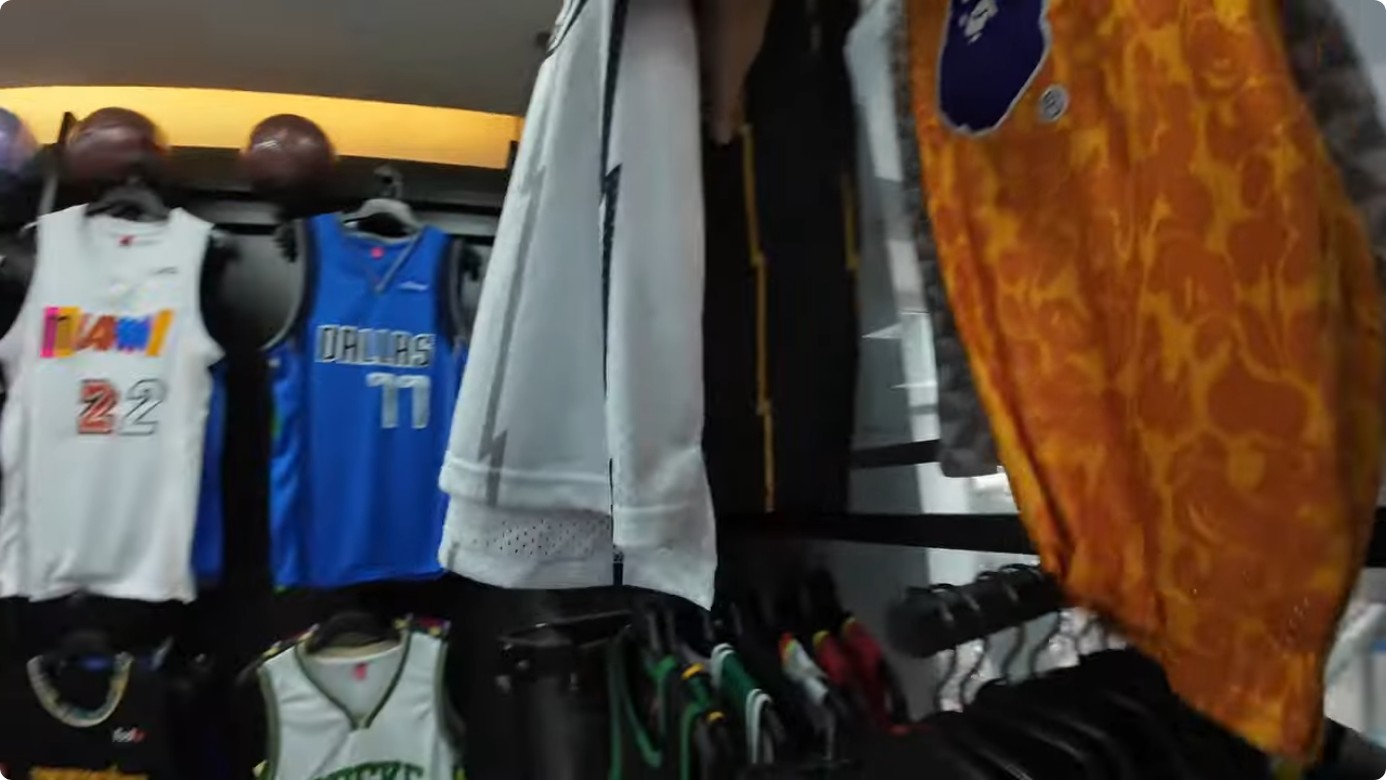
- Size: Major League Baseball (MLB) regulations stipulate numbers must be at least 6 inches tall on the back. While custom orders for amateur teams have more flexibility, adhering to this standard ensures a professional look and readibility. MLB’s official rules provide a clear benchmark.
- Contrast: The number color must provide sufficient contrast against the jersey body color. Classic combinations (white on navy, black on gray) exist for this reason. Low-contrast pairings (e.g., navy on black) sacrifice legibility for aesthetic trendiness—a trade-off you must consciously make and test.
Font and Typographic Tradition
Baseball typography has a rich history. The classic “block” or “tackle” font (think New York Yankees) is iconic for its bold, simple, and sturdy appearance. More recent designs, especially in alternative or fashion-forward jerseys, might use sleek, modern sans-serifs or even custom lettering. When sourcing:
- Specify the exact font. Do not just say “block style.” Provide a vector file (AI, EPS, SVG) or a high-resolution reference image to your manufacturer. Fonts like “Futura” or “ITC Machine” have specific proportions that must be replicated.
- Understand the limitations of the application method. Highly detailed, thin-stroke fonts may not render well in embroidery but can be perfect for dye-sublimation printing on polyester. Your factory’s technical capability should inform your font choice.
Materials and Application Methods: The Production Core
This is where design intent meets manufacturing reality. The “greatness” of a number is ultimately determined by how well it’s applied to the fabric. The choice involves three interconnected variables: the base jersey fabric, the number material/apparel, and the technique used to affix it.
Common Application Techniques Compared
| Method | Best For | Key Characteristics | Sourcing Notes |
|---|---|---|---|
| Embroidery | Cotton, polyester-cotton blends, twill. Traditional, premium look. | Three-dimensional, highly durable, classic aesthetic. Can feel stiff. | Higher cost per piece. Requires digitizing the artwork. Stitch density must be optimized for fabric type to avoid puckering. Not ideal for very fine, intricate fonts on stretchy knits. |
| Twill Appliqué | All jersey types. Authentic replica look. | A separate piece of twill fabric is cut and sewn onto the jersey. Very durable, traditional on-screen look. | Common for high-end team uniforms. Involves more steps (cut, tack, zig-zag). MOQs may be higher. Requires precise alignment. |
| Dye-Sublimation Printing | 100% polyester and polyester blends. Full-coverage, all-over prints. | Ink becomes part of the fabric fiber. Vibrant, no feel, unlimited colors and gradients. | Ideal for complex, multi-color, or gradient number designs. Only works on light-colored or white base fabrics. Requires a polyester-rich blend for best results. |
| Heat Transfer Vinyl (HTV) | Cotton, blends. Cost-effective for small runs. | Vinyl cut from a roll and heat-pressed. Can feel plasticky. Durability varies with wash count. | Good for small batches or prototypes. Not recommended for performance wear or high-sweat applications as vinyl can inhibit moisture wicking and crack. |
Sourcing Custom Baseball Numbers: A Buyer’s Checklist
Ordering custom jerseys with specific number treatments requires clear communication with your factory. Use this checklist to prepare your inquiry and evaluate samples.
- Provide a Visual Spec Sheet: Include Pantone color codes for jersey and number, a vector file of the exact numbered font, and precise placement measurements (e.g., “12” from bottom of neckline, 4″ from sleeve seam”).
- State the Primary Fabric: “100% polyester mesh” or “cotton jersey 180gsm.” The fabric dictates the application method.
- Define the Application Method: Based on your design and budget, specify “6-stitch embroidery” or “sublimated print.” Ask the factory for their recommendation based on your fabric choice.
- Request Pre-Production Samples: Never proceed to full production without a physical sample on your exact fabric. Check for: font accuracy, stitch density/print clarity, color match, and placement.
- Clarify Minimum Order Quantities (MOQs): Embroidery and twill appliqué often have higher MOQs (100-250 units) due to setup costs. Sublimation and HTV can be lower. Confirm this early.
- Ask About Wash Testing: A reputable factory will have data on how their embroidery or printing holds up to 50+ washes. Request this information or conduct your own test on the sample.
- Discuss Labeling and Tagging: Are custom woven labels or printed neck tapes included? This is part of the total OEM package.
Trade-Offs and Decision-Making: What to Prioritize
There is no single “best” way to produce a baseball number. Your choice is a series of trade-offs between budget, durability, aesthetic, and production scale.
- Tradition vs. Innovation: A classic block number in white tackle twill on a wool flannel screams heritage but is heavy and less breathable. A sublimated, gradient number on a lightweight polyester jersey is modern and functional but may not appeal to traditionalists. Your target market defines the priority.
- Cost vs. Perceived Value: Embroidery and twill appliqué signal higher quality and justify a premium retail price. Sublimation offers fantastic design freedom at a lower unit cost but can be perceived as less premium if not executed well on a high-quality base garment.
- Detail vs. Durability on Stretch: Intricate, thin fonts look great printed but can crack if embroidered on a highly stretchy performance fabric. For activewear, simpler, bolder numbers often perform better.
Common Pitfalls in Custom Baseball Number Production
Even with good intentions, several issues commonly arise. Being forewarned helps you avoid them:
- Font Scaling Errors: Digitizing a font for embroidery or creating a print pattern requires careful scaling. A font that looks great at 6″ may lose its character at 4″. Always approve a sample at your final intended size.
- Ignoring Fabric Content: Trying to sublimate a cotton-polyester blend (less than 65% polyester) will result in faded, patchy prints. Using a stiff, low-quality twill for appliqué on a soft, premium jersey creates a jarring feel. Fabric and number material must be harmonized.
- Poor Placement Consistency: In large orders, manual placement can drift. Ask your factory about their placement guides or jigs. For sublimation, the pattern must be perfectly registered to the garment pattern pieces.
- Neglecting the “On-Body” Look: A flat-lay sample looks different on a moving, sized body. Consider how the number will sit on a chest—does it distort with movement? This is especially critical for stretch fabrics.
Final Considerations for the Savvy Buyer
Great baseball numbers are a collaborative achievement between your design vision and your manufacturer’s technical prowess. The process begins with a clear, detailed spec and is validated through rigorous sampling. Don’t assume a factory understands baseball conventions—explicitly state your expectations for legibility, contrast, and placement. Invest in that pre-production sample; it is the cheapest insurance policy against a costly full-run error. For brands, the number is a key branding element. For teams, it’s about identity and function. In both cases, the details on the back are a direct reflection of the care put into the entire sourcing process.
Still Deciding on Your Baseball Number Design?
Every choice—from the curve of a “3” to the thread count on a “7”—impacts your final product’s look, feel, and cost. We manufacture all the styles discussed in this guide — with custom labels, fabric options, and print or embroidery finishing. Tell us what you need. Our OEM/ODM team can help translate your concept into a detailed spec sheet and provide samples on your chosen fabric to ensure your baseball numbers are truly great.