
Cotton cargo trousers for women have cemented their place as a versatile staple, transcending their utilitarian origins to become a core component in athleisure, streetwear, and performance collections. For brands and buyers, this style represents a high-demand product with significant customization potential. Understanding the nuances of this garment—from fabric construction to fit profiles—is crucial for making informed sourcing decisions that align with your target market’s expectations and your brand’s quality standards.
This guide breaks down the essential elements of women’s cotton cargo trousers, moving beyond generic descriptions to provide actionable insights for wholesale buyers, private label developers, and apparel businesses. We’ll analyze the style’s construction, its diverse user base, and the critical manufacturing considerations that determine a successful custom production run.
Style Breakdown: What Defines Modern Cotton Cargo Trousers?
The term “cargo trousers” evokes a specific set of functional features, but modern interpretations, especially in women’s active and lifestyle wear, vary significantly. At their core, they are defined by patch pockets with flap closures, typically placed on the thighs. However, the silhouette, fabric weight, and integration of these pockets can change the garment’s entire identity.
Key Style Variables and Their Implications
When evaluating or specifying a cargo style, consider these four primary variables:
| Variable | Common Interpretations | Brand/Buyer Implication |
|---|---|---|
| Fit & Silhouette | Relaxed/Straight, tapered, wide-leg, cropped (capri length). | Relaxed fits dominate athleisure and streetwear. Tapered or cropped versions appeal to a more fashion-forward, athletic silhouette. Fit dictates the intended use case and model casting. |
| Fabric Construction | 100% Cotton (brushed/unbrushed), Cotton-Polyester blends (e.g., 60/40, 65/35), Cotton-Spandex for stretch. | Pure cotton offers breathability and a classic feel but wrinkles more and may lack shape retention. Blends enhance durability, reduce shrinkage, and add technical properties. Spandex inclusion is critical for performance-oriented or form-fitting interpretations. |
| Pocket Engineering | Number (typically 2-4), placement (side thigh, back), flap style (button, snap, hidden), pocket bag material. | The number and size of pockets directly impact production cost and garment weight. Hidden or streamlined pockets offer a cleaner aesthetic; oversized patch pockets emphasize utility. Pocket bag fabric (same as shell vs. lighter mesh) affects durability and drape. |
| Waistband & Details | Elasticated, drawstring, integrated belt, mock fly, ankle cuff. | Elastic and drawstring waistbands are standard for comfort and adjustability. A mock fly adds a traditional trouser aesthetic. Cuffed ankles prevent tripping and create a tapered look, important for certain athletic activities. |
For a manufacturer, these variables are not just aesthetic choices; they are technical specifications that inform pattern making, fabric sourcing, and assembly sequencing. A brand seeking a “fashion-first” cargo pant might prioritize a high-waisted, tapered silhouette in a lightweight cotton twill, while a gym or team supplier would specify a mid-rise, relaxed fit with a cotton/polyester blend for moisture management and durability.
Primary User Segments and Usage Contexts
The versatility of the cargo trousers is reflected in its wide adopters. Identifying your core user is the first step in tailoring a product.
- Athleisure & Streetwear Consumers: This is the largest market. They value style, comfort, and a casual aesthetic. Fabric softness, a range of colourways (from neutrals to pastels), and fashionable fits (cropped, wide-leg) are priorities. Durability is important but secondary to look and feel.
- Functional Sport & Outdoor Enthusiasts: Users engaged in hiking, fishing, gardening, or tactical sports prioritize fabric technicality. They need abrasion resistance, multiple secure pockets for tools/gear, and weather-resistant finishes. Cotton alone is rarely sufficient; a robust blend is essential.
- Workwear & Uniforms: For teams in landscaping, construction, or field services, cargo trousers are often a uniform requirement. Here, the focus is on extreme durability, easy care (wrinkle-resistant, colourfast), and the ability to accommodate tools. Branding via embroidered logos is common.
- Yoga, Pilates, & Low-Impact Studio: A growing niche. These users seek maximum comfort and freedom of movement. A high cotton content with a high percentage of spandex (e.g., 95% Cotton, 5% Spandex) is ideal for softness and four-way stretch. Pockets are often minimized or designed not to interfere with floor work.
A single garment design cannot optimally serve all these segments. A custom manufacturer must understand which user profile you are targeting to advise on the correct fabric blend, fit block, and feature set.
Custom Manufacturing: Your Key Specification Levers
Moving from an off-the-rack concept to a custom product involves a series of deliberate decisions. Here’s where the real value of OEM/ODM partnerships lies.
1. Fabric Selection: Beyond “100% Cotton”
While “cotton cargo trousers” is the keyword, the fabric composition is your first major customization lever. The choice involves balancing comfort, performance, cost, and production feasibility.
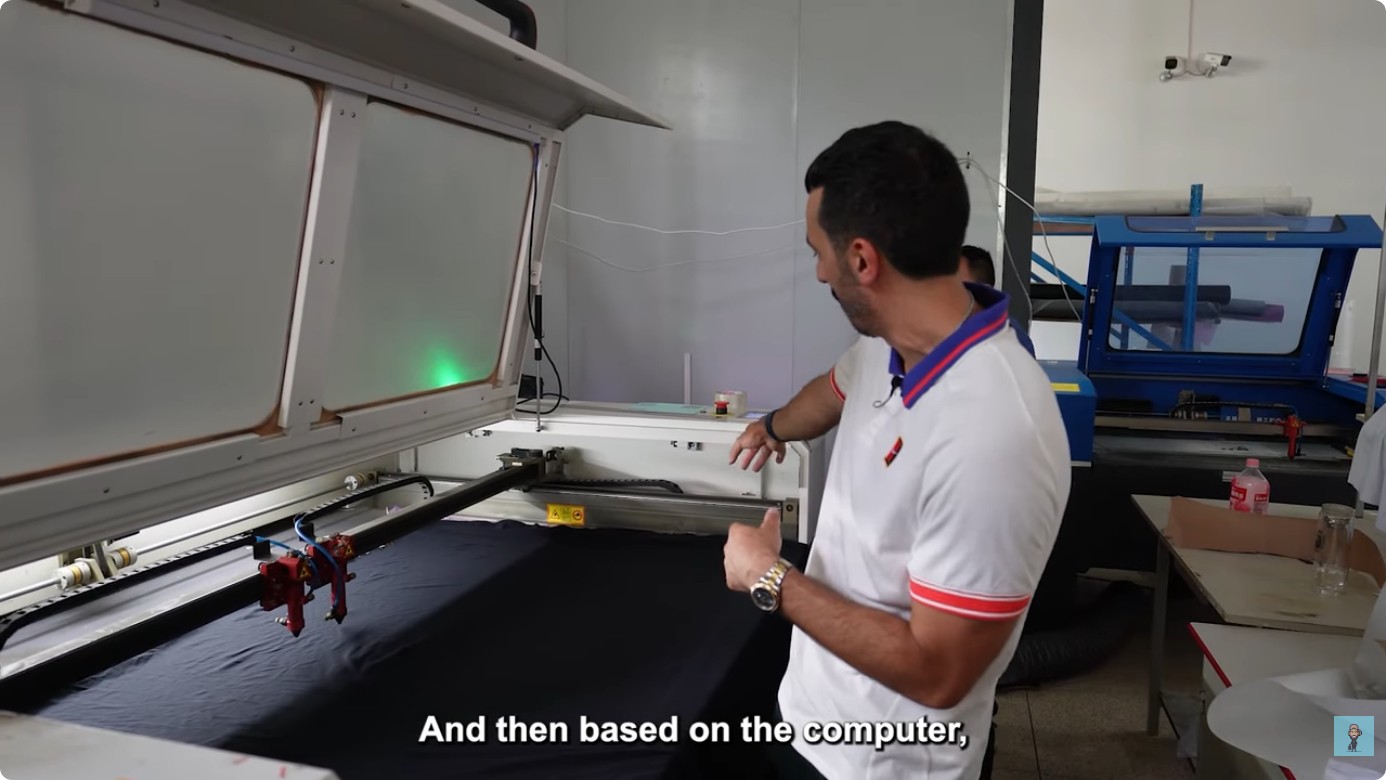
- 100% Cotton Jersey or Twill: Excellent for premium, soft-hand feel in athleisure. It’s breathable but prone to shrinking, wrinkling, and losing shape. Minimum order quantities (MOQs) for specific custom-woven cotton fabrics can be high.
- Cotton-Polyester Blends (e.g., 60/40): The industry workhorse. Polyester adds dimensional stability, reduces wrinkles, speeds up drying, and lowers cost. Ideal for high-volume, everyday wear and workwear. Offers a good balance of natural fibre feel with synthetic performance.
- Cotton-Spandex Blends: Essential for any application requiring stretch (athletic, yoga). The spandex percentage (typically 2%-8%) dictates the stretch level and recovery. Note: Spandex requires special handling in knitting/weaving and sewing (using specific needles and coverstitch machines), which can slightly increase production complexity.
- Technical Finishes: Regardless of base fibre, you can apply finishes like brushing (for a soft, fleece-like interior), garment washing (for a lived-in feel and further softness), or water-repellent (DWR) coatings for outdoor functionality. These are add-on processes with their own MOQs and lead times.
Sourcing Tip: Reputable manufacturers will have a library of pre-qualified, consistent fabric bases. For new brands, starting with a supplier’s proven fabric stock often yields better cost and quality control than sourcing a brand-new, custom-woven fabric for an initial run.
2. Fit Development: From Standard Block to Brand-Specific Pattern
A “women’s cargo” pattern is not one-size-fits-all. The fit block—the foundational template—varies by region (Asian, European, US sizing) and brand aesthetic.
Helpful tip: Spanish Merch for Sports: A Buyer’s Guide to Custom Sportswear with Cultural Flair
- OEM (Using Manufacturer’s Patterns): You select from the factory’s existing range of fits. This is the fastest, most cost-effective route for startups and brands entering a popular style. The trade-off is less differentiation; your product will fit similarly to other brands using the same block.
- ODM (Modifying or Creating New Patterns): You provide a tech pack or sample, and the manufacturer adapts their block or drafts a new one. This allows for precise control over rise, thigh width, leg taper, and pocket placement. It requires more upfront development time and cost but creates a unique fit that can become a brand signature.
Critical Consideration: Always request and approve a fit sample on a model matching your target customer’s build before final approval. A poor fit will undermine even the best fabric and branding. For cargo trousers, pay special attention to pocket placement relative to the hip and thigh—it must be functional and flattering, not bulky or awkward.
3. Branding & Detailing: Where Your Logo Lives
Cargo trousers offer several prime locations for branding, each with different application methods and durability profiles.
| Location | Common Methods | Best For | Key Consideration |
|---|---|---|---|
| Thigh Pocket Flap | Embroidery, woven label, printed tag. | High visibility; a classic spot. | Embroidery on flap can add stiffness; ensure it doesn’t interfere with pocket closure. |
| Back Waistband | Woven label, printed logo, small embroidered design. | Subtle, standard placement. | Must be positioned to avoid skin irritation. Label stitching must be secure. |
| Inner Neck/Facing | Printed care label, woven brand label. | Essential for brand ownership; hidden branding. | A legal requirement in many markets to include care info and fibre content. |
| Custom Hardware | Snaps, buttons with engraved logo. | Premium feel; high perceived value. | Significantly increases unit cost and MOQ. Requires specific tooling. |
4. Production Realities: MOQs, Lead Times, and Quality Control
This is where planning meets practicality. Custom apparel production is governed by economies of scale.
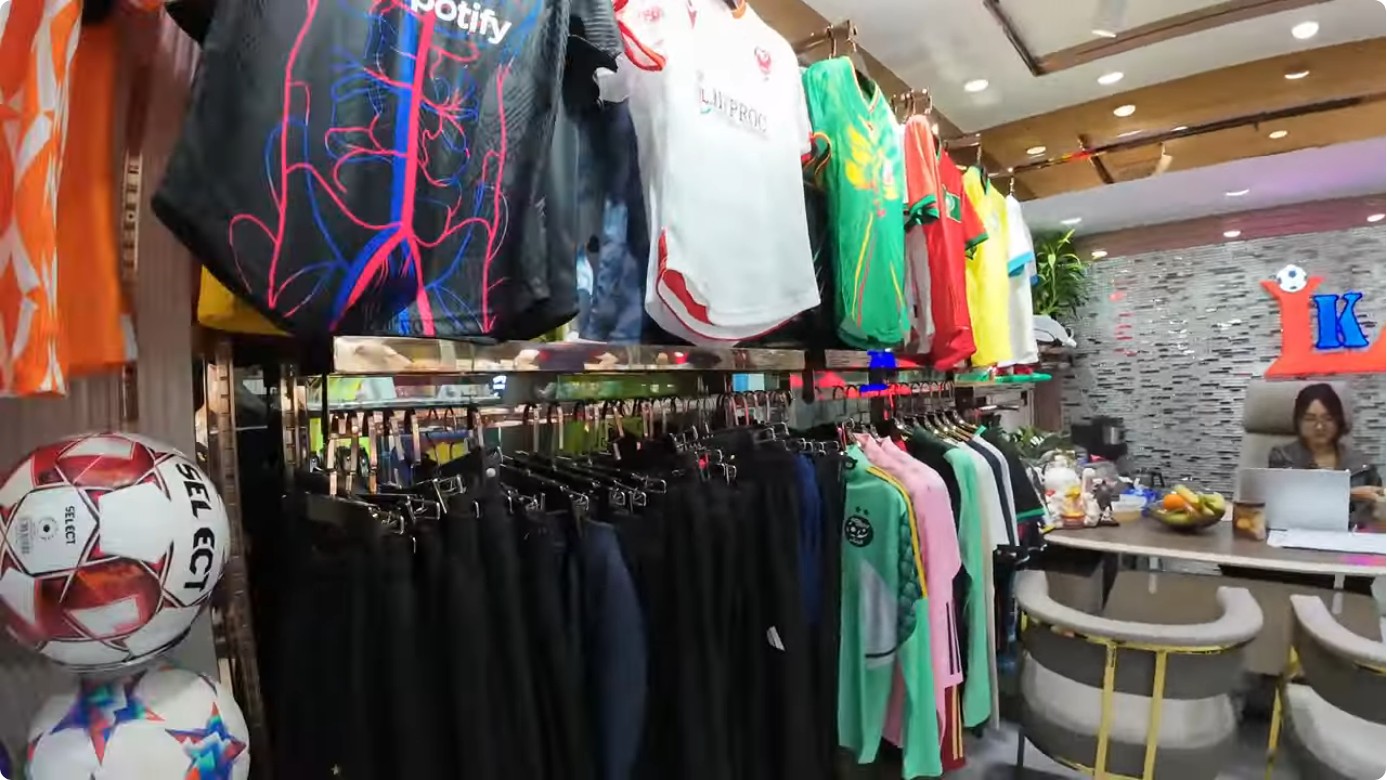
- Minimum Order Quantities (MOQs): These vary wildly by factory and process. For a standard cotton/polyester cargo using stock fabrics and patterns, MOQs can be as low as 50-100 units per style/colour. However, for custom-dyed fabrics, unique hardware, or complex embroidery, MOQs can jump to 500-1000 units. Always clarify MOQs per component (fabric, trim, garment) upfront.
- Lead Time: From fabric sourcing to final QA, a typical custom cargo production run takes 8-14 weeks. This timeline stretches if custom fabric weaving/dyeing is required. Sample approval cycles add 2-4 weeks.
- Quality Control Points: Insist on pre-production (fit/fabric), mid-production (first few sewn pieces), and final (random inspection) QC. Key checks for cargo trousers: pocket flap alignment, seam strength (especially at stress points like pocket corners), zipper/button function, and colour consistency across batches.
Navigating the Sourcing Decision: A Practical Checklist
Before committing to a manufacturer or finalizing a design, run through this checklist. It forces clarity on your requirements and exposes potential mismatches early.
- Define the Primary User & Use Case: Is this for yoga (need stretch), hiking (need durability), or coffee runs (need style)? This single decision drives 80% of your spec sheet.
- Set a Target Price Point: What must the garment cost to manufacture to hit your retail target? This dictates fabric grade, trim quality, and location of branding.
- Finalize Fabric Specs: Don’t just say “cotton.” Specify the blend (e.g., 65% Cotton, 35% Polyester), weight (e.g., 280gsm), and construction (e.g., 2×1 rib knit or 3/1 twill weave). Request fabric swatches and test them for hand feel, shrinkage, and colourfastness.
- Detail the Fit Block Source: Will you use the factory’s standard block, a modified version, or a completely custom pattern? Get this in writing in your agreement.
- Specify Every Branding Element: Create a detailed branding placement map with exact measurements. Include embroidery digitized files, print screens, and label artwork in your tech pack.
- Confirm MOQ Alignment: Does the factory’s MOQ for your desired fabric and colour match your business’s first-order volume? Can you negotiate a lower MOQ for a higher per-unit cost on a first order?
- Audit for Compliance: Ensure the factory can provide documentation for relevant safety standards (e.g., CPSIA for children’s, OEKO-TEX Standard 100 for有害化学物质管理) if required for your market. Verify their labour practices align with your brand’s ethical standards.
Frequently Asked Questions When Sourcing Custom Cargo Trousers
Q: Can I get a truly unique fit, or am I stuck with standard patterns?
A: You can get a unique fit through ODM services, but it requires investment. You’ll need to provide a detailed tech pack, often with a sample garment or precise measurements. The factory will draft a new pattern, which is then fit-tested. This process adds $200-$800+ in development costs and several weeks to the timeline, but it creates intellectual property you own.
Q: How do I ensure colour consistency across large orders or repeat orders?
A: For colour-critical brands, the answer is lab-dip approval. The factory will dye a small fabric swatch to your Pantone or colour reference. You must approve this physical “lab dip” before they dye the bulk fabric. For repeat orders, insist they use the same dye lot or, at minimum, the same dye formula from the same supplier to minimize variation.
Q: What’s the biggest pitfall for first-time buyers of custom cargo trousers?
A: Underestimating the importance of the fit sample and the fabric hand feel. A 2D drawing or photo cannot convey how a heavy twill will drape or how a pocket will sit on a real body. Always, without exception, approve both a fit sample (in your chosen fabric or a similar substitute) and a pre-production sample (PP sample) that is made with the final fabric, trims, and colours, before giving the go-ahead for bulk production.
Planning to add these styles to your collection? We produce custom versions with your branding, fabric choice, and sizing — from sample to bulk. Contact our team for details.