
When you think of brands like Abercrombie & Fitch, a specific aesthetic likely comes to mind: effortless, all-American, and slightly elevated casual wear. It’s the quintessential “casual luxury” or “preppy casual” look—think perfectly worn-in jeans, soft logo-emblazoned hoodies, relaxed chinos, and timeless polo shirts. For wholesale buyers, private label brands, gyms, or retailers, this isn’t just about copying a style; it’s about understanding the blueprint of a massively successful category and translating it into a custom, manufacturable product line that carries the same perceived value.
This article breaks down the core components of that iconic look from a sourcing and manufacturing perspective. We’ll explore the key garment features, fabric selections, and construction details that define the category, and more importantly, what you need to communicate to a factory to achieve it. Whether you’re launching a new athleisure line or adding premium basics to your retail inventory, understanding these specifications is your first step toward a profitable custom order.
Quick Summary: Decoding the A&F Aesthetic for Manufacturers
- Core Vibe: Relaxed but polished, “lived-in” comfort with clean branding.
- Key Items: Heavyweight cotton t-shirts, fleece hoodies & sweatpants, tailored chinos & cargo pants, performance polo shirts.
- Fabric Focus: Heavyweight, brushed, or garment-dyed cotton; technical knits for active pieces.
- Branding: Discreet embroidery, small printed logos, or tastefully large graphic placements.
- Your Ask for a Factory: Fabric weight/GSM, specific dye techniques (e.g., garment-dyed), fit profile (relaxed), and precise logo placement.
The Anatomy of the Style: From Consumer Desire to Factory Spec
The appeal of brands in this category is less about wild innovation and more about perfecting a formula. Replicating it requires a focus on material quality, fit, and subtle branding. As a buyer, your job is to deconstruct the finished garment you see in a store into a technical package your manufacturer can execute.
1. The Fabric Foundation: Weight, Feel, and Finish
This is non-negotiable. The signature “premium casual” feel comes from specific fabric constructions.
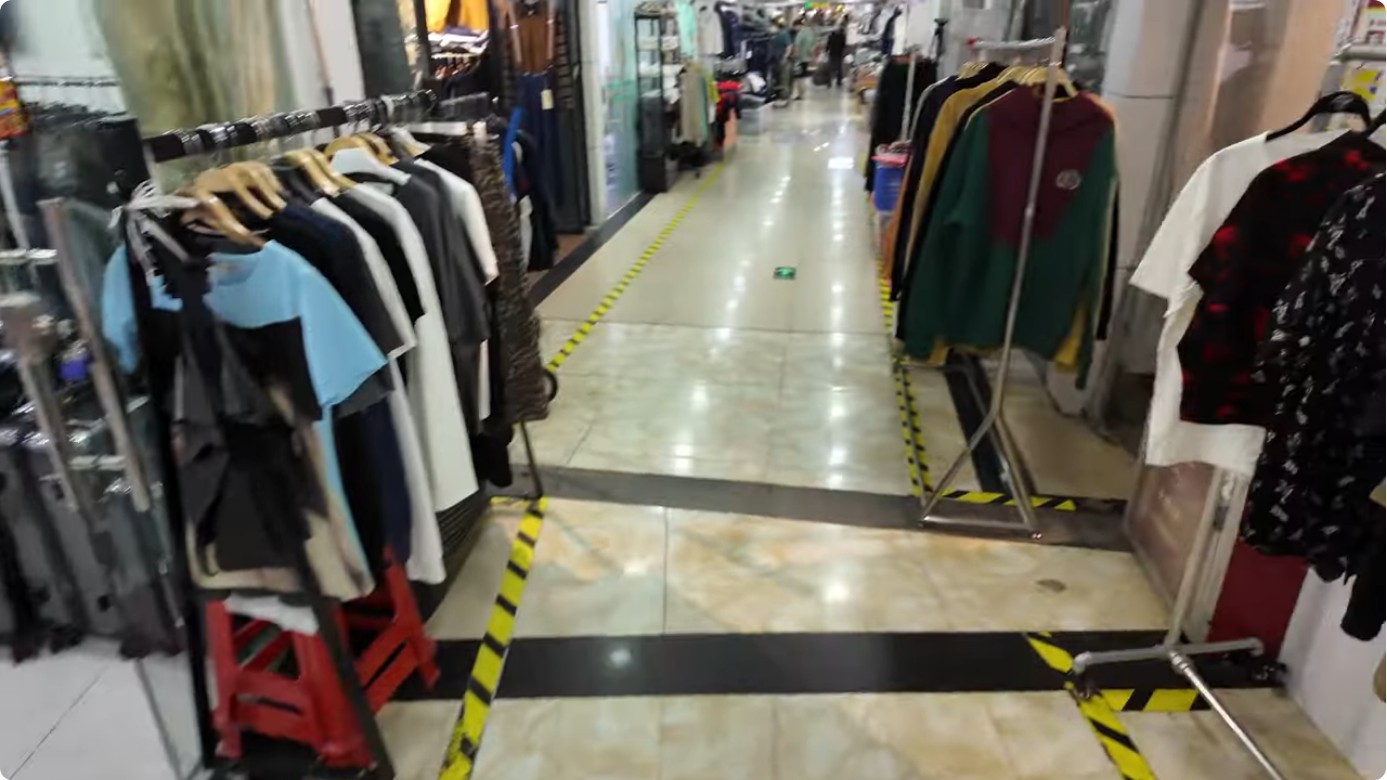
- Heavyweight Cotton (for Tees & Hoodies): Look for 6-7 oz/yd² (approx. 200-240 GSM) for t-shirts and 10-12 oz/yd² (approx. 340-400 GSM) for fleece. This weight provides structure, durability, and that coveted “substantial” hand feel. Brushed fleece (inside brushed) is a standard for hoodies and sweatpants.
- Garment-Dyed vs. Piece-Dyed: Many of these brands use garment-dyeing techniques. The garment is sewn first, then dyed. This creates a softer, more vintage, and uniformly faded look with less stiffness than piece-dyeing (dyeing the fabric before cutting). It’s a key marker of quality and cost.
- Technical Knits: For polos and performance wear, you’ll want moisture-wicking polyester blends with a soft, cotton-like hand (e.g., 60/40 or 50/50 cotton/poly).
- Woven Fabrics (for Pants): 100% cotton twill for chinos, often with a bit of stretch (e.g., 98% cotton, 2% elastane) for modern comfort. For cargos, a sturdy cotton canvas or ripstop is common.
2. Fit & Silhouette: The “Relaxed Tailored” Code
The fit is intentionally loose but not sloppy. It’s “relaxed” with a sense of intention.
| Garment Type | Typical Fit Profile | Sourcing Note |
|---|---|---|
| T-Shirts & Polos | Classic/Relaxed (not tight). Slightly longer body, drop shoulder optional. | Specify chest width, body length, and sleeve length. A “classic fit” pattern block is your starting point. |
| Hoodies & Sweatshirts | Oversized or Regular Relaxed. Heavyweight, holds shape. | Focus on shoulder drop and sleeve width. Kangaroo pockets and ribbed cuffs/hem are standard. |
| Chinos & Cargos | Straight or slim-straight leg. Mid-rise. Cargos have a looser thigh. | Key measurements: waist, thigh, knee, leg opening. Functional pockets with heavy-duty snaps/buttons for cargos. |
Production Consideration: Achieving a consistent “relaxed” fit across size ranges requires a skilled pattern maker. Provide your factory with reference garments (or detailed measurements) to avoid a fit that becomes merely “baggy.”
3. Branding & Detailing: Less is Often More
The branding on these items is typically subtle and quality-focused.
- Logos: Small, clean embroidery on chest or sleeve (3-5 stitch count for detail). Small printed logos (discharge or water-based prints for soft hand). Large, bold graphics are less common in this core aesthetic.
- Labels: Custom woven neck tape, care labels with your brand, and often a small flag label on the side seam.
- Details: Reinforced seams (especially on hoodies), quality zippers (YKK or equivalent), sturdy drawstrings with metal aglets on hoodies, and clean, minimal stitching.
Custom Manufacturing: Your Actionable Checklist
Translating this aesthetic into a custom OEM or ODM order requires precision. Here’s what to verify and communicate.
Pre-Order Due Diligence
- Request Fabric Swatches: Never rely on descriptions alone. Order physical swatches of the exact proposed fabric (check GSM, composition, and pre-shrink treatment).
- Review Fit Samples: Insist on a fit sample (using your fabric or a similar substitute) before approving bulk production. Fit is everything.
- Confirm Dye Processes: If you want a garment-dyed look, specify this and ask about their capacity and minimums. It can affect lead time and cost.
- Check Certifications: For performance claims (moisture-wicking, UPF), request test reports from labs like SGS or Intertek. For ethical production, inquire about audits (e.g., WRAP, Sedex).
Your Factory Communication Package
Prepare a clear spec sheet that includes:
- Tech Pack: Detailed flat sketches with all measurements, construction notes, and callouts for special stitches.
- Fabric Spec: Exact GSM, composition (e.g., 100% cotton, 80% cotton/20% polyester), yarn count, and desired finish (brushed, garment-dyed, etc.).
- Color Standards: Provide a physical color standard (like a Pantone TPX or a passed fabric swatch).
- Branding Artwork: Vector files (.ai, .eps, .svg) for embroidery and print with precise placement dimensions.
- Packaging Requirements: How items are folded, polybagged, and packed per carton.
Key Trade-off to Understand: The most authentic replicas of this style use heavier fabrics and special dye processes, which increase cost and MOQ (Minimum Order Quantity). A factory might suggest a lighter, cheaper fabric to hit a target price. You must decide: is the authentic feel and look worth the premium, or is a close approximation acceptable for your market?
Navigating MOQs and Production Realities
Factories have different MOQs based on their specialization.
- Standard OEM: For basic tees/hoodies in common fabrics, MOQs can be 500-1000 pieces per style/color.
- Specialized Processes (Garment-Dye, Custom Knits): MOQs jump significantly, often to 2000-3000 pieces per color, due to dye lot minimums and setup costs.
- ODM Services: If you use a factory’s existing “design” (their ODM pattern and fabric), MOQs can be lower (sometimes 300-500) as they are producing from their own inventory of fabrics and patterns.
Advice for Startups: Be upfront about your volume. A reputable factory will tell you if your order size is viable for the quality you seek. They may suggest using a stock fabric from their library to reduce MOQ, or starting with a smaller “pilot” run of core bestsellers.
Is the ‘A&F Look’ Right for Your Brand?
Before you commit, ask yourself:
- Does this fit my brand’s identity and target customer’s expectations?
- Can my retail price point support the cost of heavyweight fabrics and quality construction?
- Do I have the design assets (clean logos, specific color palettes) that suit this minimalist aesthetic?
- Am I prepared for potentially longer lead times if using garment-dye or custom fabric development?
If the answer is yes, you’re targeting one of the most enduring and profitable segments in casual apparel. The key to success is in the details communicated to your manufacturing partner.
Whether you’re a startup brand or an established retailer, we manufacture custom sportswear at competitive MOQs. Reach out to start your project.
[…] You may also like: The ‘A&F Look’: How to Source & Customize Branded Casual Wear […]