
If you’re researching “soccer caps,” you’re likely looking at more than just a casual hat. In the world of sportswear, a soccer cap is a specific piece of functional headwear designed for performance on the pitch and style off it. For end consumers, it’s about finding the right fit and look. For wholesale buyers, sports teams, gyms, and fashion brands, it’s about understanding the product’s construction, material science, and customization potential to source a reliable, high-quality item that meets your audience’s needs and your budget.
This guide cuts through the ambiguity. We’ll define what a soccer cap truly is, break down its key features from a manufacturing perspective, explore its varied use cases, and provide a practical framework for selecting, specifying, and sourcing custom soccer caps for your business or organization.
Defining the Soccer Cap: More Than Just a Hat
The term “soccer cap” can be ambiguous. Does it refer to the training cap worn during practice, the match-issue cap part of a formal uniform, or the fan replica sold in stores? From a B2B sourcing standpoint, these distinctions are critical as they dictate materials, construction, and cost.
More advice: Capital Style: Leveraging London EPL Team Aesthetics for Custom Sportswear Collections
At its core, a soccer cap is a close-fitting, brimmed headwear piece engineered for athletic activity. Its primary functions are:
- Sun Protection: The brim shields eyes from glare during daytime training and matches.
- Sweat Management: Designed with moisture-wicking fabrics and often a sweatband to keep sweat out of the eyes.
- Hair Control: Keeps longer hair securely in place during intense movement.
- Team Identity: A key component of a unified training or travel uniform, often featuring team logos, colors, and branding.
It is distinct from a snapback or fitted cap common in streetwear by its athletic cut, performance fabrics, and typically lower profile. The construction prioritizes a secure, non-slip fit during vigorous activity, often using adjustable straps at the back (like a plastic snap or a velcro tab) rather than a one-size-fits-all elastic band.
Key Features & Construction: A Buyer’s Breakdown
When evaluating samples or placing an OEM/ODM order, understanding the components that define quality and performance is non-negotiable. Here’s a technical checklist:
1. Fabric & Performance Technologies
The fabric is the heart of the cap. Generic cotton twill will absorb sweat, become heavy, and lose its shape. Performance soccer caps utilize specialized textiles:

- Polyester Microfiber: The industry standard. Lightweight, durable, and excellent for moisture-wicking. Look for fabrics with a Dri-FIT, Climalite, or similar branded technology, or generic descriptions like “100% polyester, moisture-wicking.”
- Nylon/Spandex Blends: Offer superior stretch and a more compressive, secure fit. Common in premium training caps.
- Mesh Panels: Many caps incorporate mesh (often polyester) on the side or rear panels for enhanced ventilation. The placement and density of mesh are key specs to confirm.
- Brushed Cotton/Cotton-Poly Blends: Used in fan replica or fashion-oriented caps where a softer handfeel and traditional look are prioritized over peak performance. These have higher absorbency and lower wicking capability.
Sourcing Note: Ask your factory for fabric swatches and specific technical data (gsm – grams per square meter, moisture transport rate). For large orders, fabric choice is the single biggest driver of unit cost and performance.
2. The Brim (Peak)
Not all brims are created equal.
- Pre-Curved vs. Flat: Pre-curved brims are standard for performance wear as they naturally sit away from the face and provide consistent sun shading. Flat brims are more common in streetwear styles.
- Stiffness: A slightly stiffened brim (often via a thin internal plastic or fused layer) holds its shape better. Completely soft brims can collapse and lose functionality.
- Length: Typically 2.5 to 3 inches. Longer provides more shade but can be cumbersome; shorter is more low-profile.
3. The Sweatband & Interior
This is a make-or-break comfort feature.
- Material: Terry cloth (cotton loop) is traditional and absorbent. Performance sweatbands use a smooth, moisture-wicking fabric (often polyester) that moves sweat to the outer cap quickly.
- Width & Padding: A wider, lightly padded sweatband provides superior comfort and sweat absorption without being bulky.
- Tagging: Look for a woven or printed size/logo label inside. A removable care label is a nice touch for comfort.
4. Closure System
This defines fit adjustability.
- Plastic Snap Closure: Most common. Durable, easy to adjust, and low-cost. Ensure the plastic is flexible and the snaps are secure.
- Velcro (Hook & Loop) Tab: Offers micro-adjustments. Can snag on hair or lint over time.
- Tri-Adjuster (3-Hole): A more premium plastic clip system offering three position settings. Very secure.
- Fitted (No Adjuster): Specific sizes (S/M/L). Requires precise head size data from your customer. Risky for mass wholesale unless you have a very defined demographic.
For team orders, snap closures are almost universally preferred for their simplicity and reliability across a wide range of head sizes.
More advice: Sourcing Italian-Inspired Sportswear: A Buyer’s Guide to Quality and Customization
Use Cases: Who Buys Soccer Caps and Why?
Your target customer’s use case dictates the exact product specification. Here’s a comparison:
| Use Case / Buyer Type | Primary Needs | Typical Fabric Choice | Key Feature Priority | Typical MOQ (Estimate) |
|---|---|---|---|---|
| Professional/Pro-Am Team | Performance, durability, strict brand uniformity, FIFA/pro league compliance. | High-tech polyester, nylon/spandex blends. | Moisture-wicking, secure fit, precise logo placement (embroidery/embroidery). | 500 – 1,000+ units |
| Youth/School/Club Team | Affordability, durability, team unity, easy care. | Mid-weight polyester, cotton-poly blends. | Cost-effectiveness, sturdy closure, clear logo customization (often heat-press or embroidery). | 50 – 300 units |
| Gym/Fitness Center | Brand promotion, member perk, everyday athletic use. | Breathable polyester with mesh panels. | Comfort, ventilation, prominent logo placement for brand visibility. | 100 – 500 units |
| Fashion Brand / Streetwear Label | Aesthetic, trend alignment, unique design, “limited edition” feel. | Varies widely: brushed cotton, corduroy, performance twill, recycled materials. | Fabric handfeel, unique colorways, special embroidery/patches, packaging. | 200 – 1,000+ units (often higher for unique fabrics) |
| Corporate Promotional / Event | Low cost, logo visibility, giveaway appeal. | Basic polyester or cotton-twill. | Low unit price, simple logo application (woven label, basic embroidery), fast production. | 500 – 5,000+ units |
Note: MOQs (Minimum Order Quantities) vary drastically by factory, fabric complexity, and decoration method. Always request a specific quote based on your design.
Sourcing & Customization: What to Communicate to Your Factory
When engaging a custom sportswear manufacturer for soccer caps, clarity prevents costly errors. Use this pre-order checklist:
- Provide a Tech Pack or Spec Sheet: This is your single source of truth. Include:
- Flat sketches or CADs with all measurements (crown height, brim length, panel construction).
- Fabric composition and weight (e.g., “100% Polyester, 5.5oz, moisture-wicking mesh back”).
- Color references (Pantone codes or physical fabric swatches).
- Placement, size, and type of logo/decoration (e.g., “3” embroidered patch on left front, 2-color”).
- Closure type (e.g., “plastic snap adjuster”).
- Any special finishes (e.g., “contrast stitching,” “brim underlining in black”).
- Order a Pre-Production Sample (PP Sample): Never proceed to bulk without approving a physical sample made with your final fabric and design. Check fit, fabric hand, color matching, and embroidery quality.
- Clarify Decoration Methods:
- Embroidery: Gold standard for logos. Best on stable fabrics. Ask about thread type (rayon vs. polyester) and maximum stitch count for your design.
- Heat Transfer/DTG (Direct-to-Garment): Good for multi-color, photo-like designs. Durability can vary; request a wash test sample.
- Woven Labels/Patches: Often used for small, precise logos. Can be sewn on or heat-applied.
- Sublimation: All-over print on white polyester caps. Allows for infinite design but requires specific fabric and has a “plastic” feel.
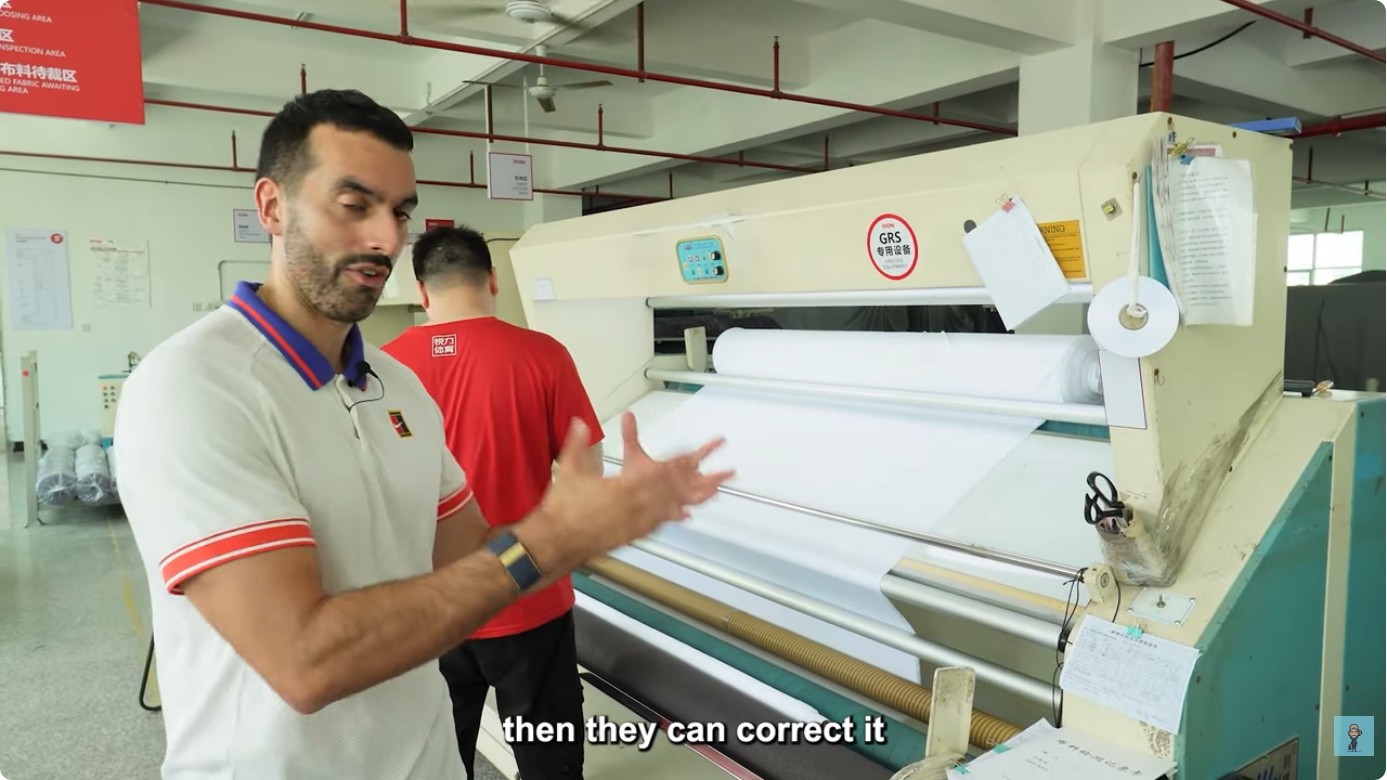
- Discuss Quality Control (QC) Points: Specify at which stages you want to inspect: fabric roll inspection, cutting, sewing, final packed goods. A reputable factory will have a QC process, but your involvement is key.
Quality Markers: How to Identify a Well-Made Soccer Cap
Even without a tech pack, a physical sample reveals craftsmanship. Inspect for:
- Stitching: Should be straight, consistent, and without loose threads. Lockstitch seams are stronger than chainstitch. Topstitching on the brim and panels indicates better construction.
- Panel Alignment: Logos and seams should match perfectly at the seams. Misalignment is a sign of poor cutting or sewing.
- Fabric Performance: Does the fabric feel thin and cheap, or have a good hand? Does wicking happen quickly? (You can test with a drop of water).
- Closure Security: Snap adjusters should snap firmly and not pop open easily. Velcro should be clean-cut and have a strong grip.
- Finishing: The interior should be clean with no raw edges or loose threads. The sweatband should be attached securely and evenly.
OEKO-TEX Standard 100 certification is a valuable trust signal for brands concerned with chemical safety in textiles. Factories that can provide fabrics with this certification add significant value for B2B buyers selling to conscious consumers.
Trade-offs and Decision Points: Balancing Cost, Performance, and Style
Sourcing is always a series of trade-offs. Here’s how to navigate them:
- Performance vs. Price: High-tech, branded performance fabrics (like Nike Dri-FIT) command a premium. Generic “moisture-wicking polyester” from a reputable mill offers 80% of the performance at a lower cost. For youth teams or corporate giveaways, the latter is often sufficient.
- Embroidery vs. Other Decoration: Embroidery looks premium but costs more per piece and has artwork limitations (too many colors or tiny details increase cost and complexity). Heat transfer is cheaper for complex graphics but may crack over time. Define your logo’s complexity and your budget first.
- Fabric Origin vs. Cost: Fabric from known Japanese or Italian mills vs. generic Chinese or Vietnamese fabrics. The difference in feel, colorfastness, and durability is real and reflected in price. For fashion brands, fabric story matters. For sports teams, consistent performance matters more.
- Order Quantity: Larger orders drastically reduce unit cost by amortizing pattern-making and setup fees. However, it ties up capital. For a new brand, starting with a smaller MOQ of 100-300 units from a factory that offers flexible production runs is smarter than committing to 2,000 units of an untested design.
Final Considerations for the Savvy Buyer
Before finalizing your order, ask yourself:
- Is my target wearer a performance athlete, a casual fan, or a fashion enthusiast? This single answer dictates 80% of your spec sheet.
- Have I accounted for all decorating locations? Front, side, back, underside of brim? Each location adds cost.
- Does my design require matching other items (e.g., jerseys, jackets)? Working with a single factory for the full kit ensures color and fabric harmony and simplifies logistics.
- What is my timeline? Custom fabric dyeing or complex embroidery adds 2-4 weeks to production. Have a buffer.
- What are the packaging and shipping requirements? Bulk shipped in poly bags? Individual boxes? This impacts final landed cost.
The “perfect” soccer cap is the one that correctly balances the needs of the end-user with the realities of your budget, order quantity, and production timeline. Clear communication with your manufacturing partner, backed by a detailed tech pack and approved samples, is the only way to achieve that balance consistently.
Ready to Source Custom Soccer Caps?
Need custom versions of any style covered here? Our sportswear factory handles everything from tech pack review to bulk delivery. Request a sample or quote.
Helpful tip: London’s Sports Team Ecosystem: A Guide for Custom Sportswear Buyers & Brands
[…] Helpful tip: Soccer Caps Explained: Style, Function, and Sourcing for Teams & Brands […]