
For fans and athletes alike, the Notre Dame away jersey represents a distinct visual identity separate from the iconic navy blue home uniform. Typically white, it serves as the team’s alternating uniform for games played on opponents’ fields or designated away contests. For wholesale buyers, fashion brands, and sports organizations, understanding this specific jersey’s construction, branding nuances, and production pathways is critical for making informed sourcing decisions—whether you’re procuring licensed replicas or creating a custom-inspired activewear piece.
This guide moves beyond fandom to address the practical realities of acquiring or manufacturing Notre Dame away-style jerseys at scale. We will break down the jersey’s defining characteristics, explore material and customization options available through a factory, and outline the key production considerations—like minimum order quantities (MOQs) and quality control—that directly impact your project’s feasibility and cost.
Quick Guide: Sourcing Notre Dame Away Jerseys
Before diving deep, here’s a rapid overview of the core areas a buyer must evaluate:
Related guide: Anime Rangers X Tier List Guide – Best Characters Ranked for 2025
- Authenticity vs. Inspiration: Officially licensed jerseys require agreements with the University of Notre Dame and its licensing partners. Custom “inspired-by” versions allow for branding flexibility but cannot use protected trademarks.
- Material Choice: Performance polyester is standard for modern athletic jerseys. The specific knit, weight, and moisture-wicking treatment significantly affect feel, durability, and cost.
- Customization Scope: For OEM/ODM production, you can typically customize base color, sleeve accents, collar style, and add your own logos. Institutional branding (like the Notre Dame logo) is restricted unless licensed.
- Production Minimums: Expect MOQs starting around 50-100 pieces for basic customization using existing templates, rising significantly for fully bespoke fits and fabrics.
- Key Quality Markers: Look for flatlock seams, secure logo attachment (tack, embroidered, or heat-seal), consistent color matching (using systems like Pantone), and precise stitching density.
What Defines the Official Notre Dame Away Jersey?
The classic Notre Dame away football jersey is predominantly white. Key design elements that create its authentic look include specific shades of gold (“Notre Dame Gold”) used for numbers, trim, and sometimes sleeve accents, and the placement of official logos—the interlocking “ND” on the chest and the leprechaun on the sleeve or collar. The cut is a standard athletic fit, designed for mobility under pads.
For a custom sportswear manufacturer, replicating this exact look for commercial sale requires an official license from the university. Unlicensed production of identical branded goods is a violation of trademark law. However, the style template—a white athletic jersey with contrasting trim—is a universal design. This is where OEM (Original Equipment Manufacturer) and ODM (Original Design Manufacturer) services become essential. A factory can produce a high-quality white performance jersey that follows the same general athletic cut and construction techniques, onto which you, the buyer, can apply your own brand’s logos, color schemes, and design tweaks.
Key Material & Construction Features for Custom Production
The feel and performance of a jersey are dictated by its fabric and how it’s assembled. When sourcing, specifying these elements is non-negotiable for quality control.
Fabric Selection: Performance vs. Comfort
Modern athletic jerseys are almost exclusively made from synthetic blends, with 100% polyester or polyester-spandex mixes dominating the market. The choice involves trade-offs:
- Lightweight Polyester (e.g., 140gsm – 160gsm): Maximizes breathability and mobility. Ideal for hot climates or high-intensity sports. Can be less durable and more prone to showing sweat.
- Mid-Weight Polyester (e.g., 170gsm – 190gsm): The most common range for team jerseys. Offers a good balance of durability, moisture-wicking, and a substantial feel that holds logos well.
- Polyester-Spandex Blend (e.g., 95% Poly / 5% Spandex): Provides superior stretch and recovery. Excellent for form-fitting fashion-athleisure or sports requiring a full range of motion. Typically commands a higher price point.
- Recycled Polyester: An increasingly requested option for brands with sustainability mandates. Performance is comparable to virgin polyester but carries a premium and may have slightly different dye characteristics that require careful color matching.
For a Notre Dame away style jersey, a mid-weight, moisture-wicking polyester knit with a smooth face is the standard starting point. Always request fabric swatches and, if possible, pre-production washes to test for shrinkage, colorfastness, and hand feel. A reputable factory will conduct or reference tests for standards like AATCC (American Association of Textile Chemists and Colorists) colorfastness ratings.
Trims and Details: The Devil is in the Details
What separates a budget jersey from a premium one is often in the trims. When discussing your quote with a factory, be explicit about:
- Collars & Cuffs: Ribbed knit (1×1 or 2×1) provides stretch and durability. The width and elasticity should be specified.
- Number and Letter Application: Options include tack (twill) (sewn on), heat-seal (vinyl), and sublimation (dye infused into fabric). Tack is traditional and durable; sublimation allows for unlimited color gradients and is common in custom designs.
- Buttons/Zippers: For full-zip styles, specify YKK or equivalent quality. For button fronts, request snap buttons with a secure grip. All metal parts should be nickel-free and corrosion-resistant if possible.
- Labeling: Decide on neck tape (brand label), care labels (fabric content, washing instructions), and size tags. These are opportunities for subtle branding or compliance.
| Method | Durability | Feel | Design Flexibility | Cost Impact |
|---|---|---|---|---|
| Tack (Sewn Twill) | Very High | Slightly raised, textured | Limited (layered colors) | Medium |
| Heat-Seal (Vinyl) | Medium-High | Smooth, flat | High (complex shapes) | Low-Medium |
| Sublimation | High (infused) | Inseparable from fabric | Very High (full color) | Medium (requires polyester) |
Customization Pathways for B2B Buyers
As a buyer, your customization ask dictates the factory engagement model. Here’s how to navigate it:
OEM: Using a Factory’s Existing Template
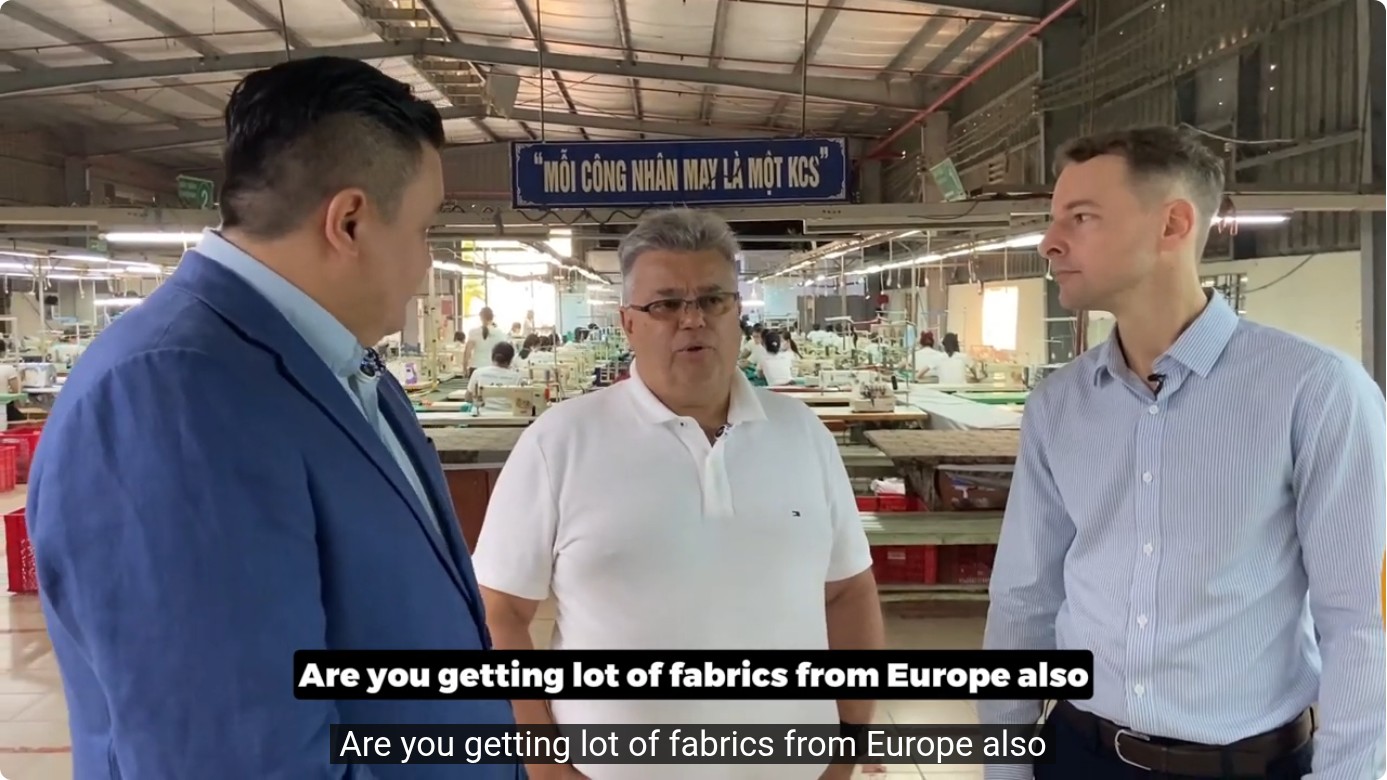
This is the most cost-effective and fastest path. The manufacturer has a pre-approved pattern (the “template”) for a standard athletic jersey. You select this base style and apply your own branding—your logo on the chest, your team name on the back, your color accents on the sleeves and collar. The white base color of an “away” style is universally available. You are essentially customizing the graphics and minor trim colors while the factory handles pattern making, grading for sizes, and construction. This is ideal for sports teams, corporate wellness programs, or brands wanting a classic athletic look without the expense of a full custom fit development.
More advice: The Measure T-Shirt: A Technical Guide for Brands and Buyers
ODM: Developing a New Design from Scratch
If you need a unique fit (e.g., a longer cut, a different neckline, or specific paneling), you engage the factory’s design team in an ODM model. You provide a tech pack or reference images, and the factory develops new patterns, creates samples, and refines the design. This involves higher NRE (Non-Recurring Engineering) costs, longer lead times, and typically much higher MOQs to amortize the development cost. This route is for established brands or startups with a distinct product vision and the capital to invest in tooling.
Critical Licensing Note: In either model, you must provide all artwork (logos, wordmarks) with a clear warranty that you have the right to use them. If a client asks you to produce a jersey that looks identical to the official Notre Dame away jersey, you must advise them of the licensing requirement and either decline the order or guide them toward an “inspired-by” design that uses different logos and distinct design elements to avoid infringement.
Production Realities: MOQs, Timelines, and Quality Control
Understanding the mechanics of production is where sourcing gets real. These factors determine if your project is viable.
- Minimum Order Quantity (MOQ): This is the factory’s threshold for taking an order. For standard OEM jersey production using existing templates and common fabrics, MOQs can be as low as 50-100 pieces per style/color. For ODM or special fabric orders, MOQs jump to 300-500+ pieces. Always get this in writing.
- Lead Time: From approval of pre-production samples (PP samples) to final shipment, expect 6-10 weeks for standard OEM orders. ODM projects add 4-8 weeks for pattern and sample development. This does not include shipping transit time.
- The Sample Approval Process: Never proceed to bulk production without approving a pre-production sample made with the exact materials, trims, and colors that will be used in the bulk run. This sample is your last chance to catch fit, construction, or color issues. Budget for 1-2 sample rounds.
- Quality Control (QC): Insist on an AQL (Acceptable Quality Level) standard, typically 1.5 or 2.0 for major defects. Inspections should happen at the factory during production (mid-line) and on finished goods before shipment. Key checkpoints: seam strength, logo alignment, color consistency across sizes, and packaging integrity.
Sourcing Decision Checklist: What to Communicate to Your Factory
To get an accurate quote and avoid costly mistakes, provide the following information in your initial Request for Quotation (RFQ):
- Target Quantity & Size Breakdown: Total pieces and the ratio of sizes (S, M, L, XL, XXL).
- Base Garment Specification: Provide a reference image or the factory’s style number. Specify desired fabric weight (gsm), composition (e.g., 100% Polyester), and any special finishes (e.g., anti-microbial, UV protection).
- Design & Artwork: Submit vector files (AI, EPS, PDF) for all logos, chest numbers, and back numbers. Specify placement locations and sizes in inches/cm. Indicate color using Pantone codes.
- Trim Specifications: State collar type, number application method (tack/heat-seal/sublimation), button/zipper type, and label requirements.
- Packaging Instructions: Individual polybag? Hang tags? Bulk box count? This affects shipping logistics and cost.
- Timeline & Budget: Your target delivery date and approximate budget per unit help the factory propose realistic solutions.
Frequently Asked Questions from Buyers
Can I order a small batch (e.g., 20) of custom white jerseys for my recreational team?
While some digital printing or heat-seal methods allow for very low quantities, traditional cut-and-sew jersey manufacturing has high fixed costs (pattern cutting, marker making, setup). Most factories have MOQs in the 50-100 range for basic customization. For runs under 50, explore print-on-demand (POD) services, though fabric quality and durability will differ significantly from bulk-manufactured goods.
How do I ensure the white color matches my brand’s specific shade?
White is not a single color. Specify using a standardized system like Pantone (e.g., Pantone 11-0601 TCX for a bright white, or a warmer off-white). The factory will dye the fabric to match this formula using their lab dip process. Always approve a dyed fabric swatch, not just a paper Pantone chip, as the fabric base will affect the final appearance.
What’s the biggest quality pitfall to watch for in jersey production?
Inconsistent logo placement and poor color matching between fabric and trim are the most common and noticeable issues. Require a PP sample and conduct a side-by-side comparison of all components. Also, check for “grin through”—where underlying fabric shows through the number or logo—especially on lighter fabrics with dark graphics. A good factory will use a white or light-colored backing stitch to prevent this.
Is sublimation printing the best option for a fully custom design?
Sublimation is excellent for unlimited-color, all-over prints and is very durable since the dye is within the fiber. However, it requires a 100% polyester fabric (or high-poly blend) and can sometimes feel less breathable if the fabric is not perforated. It also locks you into a cut-and-sew process where the design is printed on white fabric panels before assembly, which can create slight seams misalignment in the pattern. For simpler designs with block colors, tack and heat-seal on pre-colored fabric can be more cost-effective and offer a more traditional athletic jersey feel.
Need custom versions of any style covered here? Our sportswear factory handles everything from tech pack review to bulk delivery. Request a sample or quote.
Also read: Baseball Uniform History: A Sourcing Guide for Modern Custom Apparel