
When brands like Abercrombie & Fitch define a look—casual, clean, and subtly branded—they create a market demand that extends far beyond their own stores. For wholesale buyers, private label fashion entrepreneurs, and gym or team outfitters, the goal is often to capture that same essence: accessible luxury in basics, a specific relaxed fit, and a cohesive brand identity. This guide breaks down the core categories and construction details that make the Abercrombie aesthetic recognizable, and translates them into actionable specifications for custom manufacturing. Whether you’re looking to produce direct equivalents or adapt the style with your own fabric and fit innovations, understanding these benchmarks is the first step to a successful production run.
We’ll move beyond simple brand lists to examine the *how* and *why* behind the products. What fabric weights create that perfect drape? Which stitch types ensure durability on frequent-wear items? How do you communicate “that Abercrombie fit” to a factory? This article provides the technical vocabulary and sourcing considerations needed to partner effectively with an OEM or ODM manufacturer to create high-quality, on-trend activewear and casualwear.
Deconstructing the “Abercrombie” Aesthetic for Custom Production
The Abercrombie style is less about any single garment and more about a complete system: a relaxed, “undone” silhouette; premium-feeling yet practical fabrics; subtle but recognizable branding; and a consistent color palette. For a custom manufacturer, replicating this system requires specifying each component accurately.
Related guide: The Smart Buyer’s Guide to Spandex & Lycra Fabric Wholesale
Core Categories & Their Signature Details
The foundation of this category consists of a few key items. Each has distinct construction details that signal quality and style.
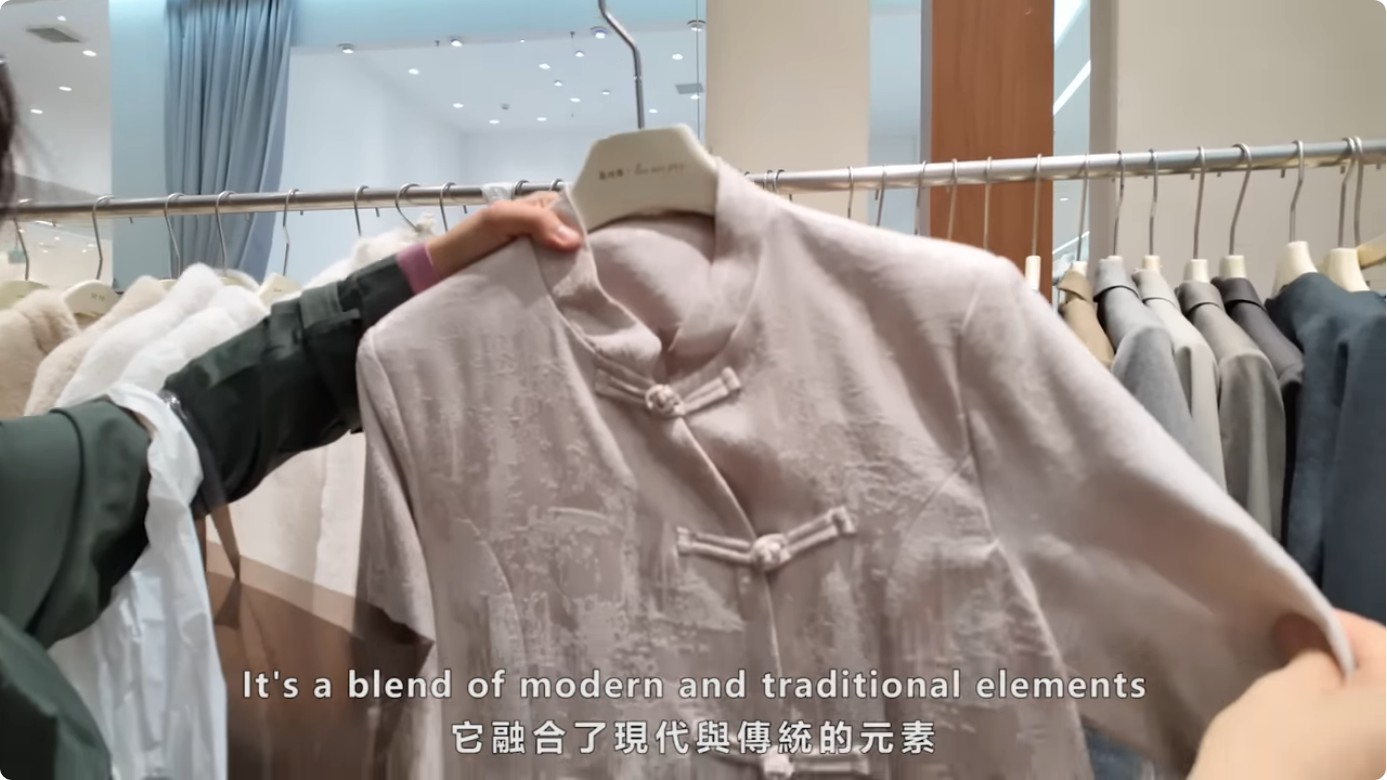
- Essential T-Shirts & Tank Tops: Look for a heavier, 100% cotton jersey (typically 180-220 GSM) for a structured drape that doesn’t cling. Seamless or raglan sleeves are common for a cleaner shoulder line. Branding is often a small, embroidered logo on the chest or a subtle woven label. Fabric certifications like Oeko-Tex can be a value-add for conscious consumers.
- Hoodies & Sweatshirts: The cornerstone. French terry or loopwheeled fleece is the gold standard for that soft, bulky interior. A brushed back adds warmth. Fit is oversized or “relaxed” with dropped shoulders. Details like a single-needle cover-stitched hem, thick 1×1 rib cuffs, and a heavy-duty, metal-tipped drawstring are key quality markers.
- Cargo Pants & Joggers: Utility meets comfort. Sturdy cotton twill or heavy canvas for cargos, with multiple patch pockets. Joggers use softer fleece or technical French terry with ribbed ankle cuffs. A functional drawstring waist and a clean, tapered leg are essential.
- Track Suits & Matching Sets: The rise of the matching set is directly tied to this aesthetic. This requires perfect color consistency between top and bottom, often in matching fabrics (e.g., a lightweight bonded fleece). The jacket will have a half-zipper or full-zip, with subtle branding on the sleeve or chest.
Critical Manufacturing Specs: From “Vibe” to Verified Details
Saying “make it like an Abercrombie hoodie” is insufficient for a factory. You must translate the vibe into quantifiable specifications. Here are the most critical decision points.
Fabric is the Foundation
The hand-feel and weight are non-negotiable. A thin, cheap-feeling jersey will instantly communicate low quality, regardless of the cut.
| Garment | Recommended Fabric | Key Weight (GSM) | Trade-off Consideration |
|---|---|---|---|
| Short Sleeve Tee | Combed Cotton Jersey | 180-200 GSM | Lighter weights (below 180) may feel cheaper and lack structure; heavier weights (>220) can be too stiff for some climates. |
| Pullover Hoodie | French Terry (3-thread fleece) | 280-320 GSM | True loopwheeled fleece is premium but has long lead times and high MOQs. 3-thread is a excellent, more accessible alternative. |
| Jogger Pants | Fleece-backed Jersey or Heavyweight Twill | 260-300 GSM | Fleece offers warmth and softness; twill offers more structure and a smarter casual look. Choice defines the garment’s seasonality. |
Fit and Construction: The Silent Quality Communicators
Two garments in identical fabrics can feel worlds apart based on pattern engineering and stitch quality.
- Pattern & Grading: The “relaxed” fit requires specific pattern adjustments—wider body, lower armhole, longer body length. Provide your factory with a detailed tech pack including point-of-measurement (POM) diagrams. A good ODM partner will have standard relaxed-fit blocks you can adapt.
- Stitch Types: Request a stitch guide. Key examples:
- Cover-Stitch (on hems/cuffs): Should be 1-needle for a clean, flat look on finer knits, or 2-needle for durability on heavier fleece.
- Safety Stitch (on side seams): A 4-thread safety stitch is the industry standard for strength on woven items.
- Bar-Tack: Reinforced stitching at stress points (pocket corners, fly, belt loops). Specify bar-tack count and thread color.
- Trims & Labels: Spec the exact rib knit for cuffs/waistbands (e.g., 1×1 rib, 40/1 cotton). For branding, choose between a printed logo (cost-effective for large runs), embroidered (premium feel), and woven labels (for neckline/branding). Custom hangtags and polybags complete the retail presentation.
Navigating Custom Production: OEM vs. ODM and Practical Decision Points
Your path to a finished product depends on your starting point and resources.
OEM (Original Equipment Manufacturer) vs. ODM (Original Design Manufacturer)
This is a crucial distinction for a buyer.
- OEM Path: You provide the complete, finished tech pack (flat sketches, measurements, fabric swatches, construction details). The factory executes precisely to your specs. This offers maximum control but requires significant design and development expertise. Best for: Established brands with in-house design teams.
- ODM Path: You work with the factory’s existing designs and patterns. You select a “house style” that aligns with your vision (e.g., “we want your Style #A42 hoodie but in our color palette and with our logo”). The factory adapts it. This is faster, less risky, and leverages the manufacturer’s expertise in fit and construction. Best for: New brands, startups, or buyers without deep technical apparel knowledge.
Minimum Order Quantities (MOQs) and Cost Trade-offs
MOQs are dictated by fabric sourcing, cut volume, and factory capacity.
- Fabric MOQs: Premium, mill-specific fabrics (e.g., a special loopwheeled fleece) may have MOQs of 1,000+ yards, locking you into a larger total order.
- Factory MOQs: For basic items using standard fabrics, a reputable factory may have an MOQ of 500-1,000 pieces per style/color. ODM styles often have lower MOQs (e.g., 300 pcs) since patterns and fabric are pre-negotiated.
- The Cost of Small Runs: Orders below 500 pieces per style typically incur higher per-unit costs due to less efficient cutting and setup. Consider consolidating colors or styles to meet target MOQs.
Communication Checklist: What to Tell Your Factory
Avoid vague requests. Use this checklist in your initial inquiry:
- Target Market & End Use: “This is for a premium college-focused brand” or “This is for a high-intensity gym needing durable, moisture-wicking fabrics.”
- Reference Images: Provide 3-5 clear images of the desired aesthetic, fit, and detailing. Highlight what is *not* wanted.
- Fabric Preference: “We want a 280GSM 100% cotton French Terry, pre-shrunk. Source from a mill with Oeko-Tex Standard 100 certification if possible.”
- Fit Specs: Provide a size chart with critical POMs (chest width, body length, sleeve length, shoulder width).
- Branding Application: “Logo will be embroidered, 3″ wide on left chest, using polyester thread in PMS 300C.”
- Quality Expectations: “Inspection to AQL 1.0 for major defects, 2.5 for minor. All bar-tacks must have 8+ stitches.”
- Timeline & Budget: “Target FOB cost is $18-$22 per unit. Need 2,000 units in 90 days.”
Decision Framework: Customize or Replicate?
The central question for any buyer is whether to seek a direct replica of a popular style or use it as inspiration for a custom iteration.
| Approach | Pros | Cons | Ideal For |
|---|---|---|---|
| Direct Replication (OEM) | Exact match to a proven, popular style. Clear market validation. | Higher legal risk (design patents/trade dress). Less differentiation. Requires perfect reverse-engineering. | Brands needing a quick entry into a saturated market with a known winner. Requires legal review. |
| Inspired Customization (ODM) | Faster time-to-market. Lower development cost. Unique branding and fabric blends create differentiation. Lower legal risk. | May not capture the *exact* feel of the original. Relies on factory’s design language. | Most private label brands, startups, and teams wanting a unique identity within the casualwear category. |
Final Questions Before You Source
Before you send an RFQ (Request for Quotation), verify your own strategy:
- Have I defined the three most important quality attributes for my customer (e.g., softness, durability, perfect fit)?
- Is my target FOB cost per unit realistic for the fabric and construction level I’m specifying?
- Do I have a clear size set and tech pack ready, or am I prepared to pay for the factory’s pattern-making services?
- What is my planned selling price, and does my projected cost leave enough margin for marketing, logistics, and profit?
- Am I considering seasonal fabric availability? Heavy fleeces have longer lead times in spring/summer.
Answering these questions will make you a informed buyer, leading to better quotes, stronger partnerships with manufacturers, and ultimately, a product that resonates with your market.
We manufacture all the styles discussed in this guide — with custom labels, fabric options, and print or embroidery finishing. Tell us what you need.
Helpful tip: The Beverly Hills Polo Club Jacket: A Sourcing Guide for Brands and Buyers
[…] Related guide: Sourcing Apparel Like Abercrombie: A Manufacturer’s Guide to Style, Quality, and Custom Produc… […]