
If you’re asking “how much is it to start a clothing brand,” the first and most critical answer is: it depends entirely on your model. For the audience of this B2B sportswear platform—brands, gyms, teams, and retailers—that model is almost always custom manufacturing. You’re not just buying blank t-shirts; you’re investing in a production pipeline that transforms a design concept into a tangible, branded product ready for sale. This article breaks down the real, actionable costs for launching a brand via OEM (Original Equipment Manufacturer) or ODM (Original Design Manufacturer) partnerships, moving far beyond vague estimates to the specific line items that define your budget and timeline.
We’ll frame every cost through the lens of a factory buyer. Whether you’re a first-time entrepreneur with a logo or an established label expanding into activewear, understanding these buckets—and their tradeoffs—is what separates a viable launch from a budget disaster. The figures below are ranges; your specific quotes will be shaped by your quantities, fabric choices, and design complexity.
Core Cost Components of a Custom Sportswear Brand
Starting a brand isn’t a single purchase. It’s a sequence of investments. Here’s the breakdown, from pre-production to your first shipment.
Helpful tip: Soccer vs. Football Cleats: A Manufacturer’s Guide to Key Differences & Custom Sourcing
1. Design & Development ($500 – $5,000+)
This is your blueprint. For custom activewear, you need more than a sketch.

- Tech Pack Creation: The single most important document you provide to a factory. A professional tech pack includes detailed flat sketches, specifications for fabric weight (GSM), stitch types, trim placements (labels, tags, zippers), and precise color codes (PANTONE®). Creating one from scratch with a technical designer can cost $500-$2,000. If you use an ODM service, the factory may provide a base pattern you can modify, reducing this cost significantly.
- Pattern Making & Grading: If you’re creating a unique cut (e.g., a specific performance hoodie or ergonomic cargo pant), a pattern maker must draft the master size (usually a size M or L) and then grade it for your full size range (XS-XXL). This is often a separate fee from the tech pack, ranging from $300-$1,500 per style.
- Sample Making (Prototyping): The factory produces 1-3 physical samples (often called “approval samples” or “counter samples”) based on your tech pack. This is where fit, fabric hand, and construction are validated. Expect to pay for materials and labor per sample, typically $50-$200 per sample depending on complexity. Never skip this step. A fit issue discovered after bulk production is a catastrophic cost.
2. Fabrics & Materials (Variable, ~30-50% of unit cost)
This is the largest variable. Your fabric choice dictates performance, feel, and cost.
- Fabric Sourcing: You can source fabric yourself (more control, more logistics) or have the factory source it (simpler, often better pricing through their mills). Common sportswear fabrics include cotton jersey, French terry, performance polyester (e.g., MOISTURE-WICKING), fleece, and technical nylon. Prices fluctuate with commodity markets. A mid-range 100% cotton jersey (180-200 GSM) might be $2.50-$4.00/yd, while a premium recycled polyester performance knit could be $6.00-$10.00/yd.
- Minimum Order Quantities (MOQs) for Fabric: Mills have MOQs, often 500-1,000 yards per color/print. Your total garment order must meet this. This is a key reason why total garment MOQs at a factory are typically 300-500 units per style/color. Smaller runs exist but at a significant price premium.
- Trims: This includes labels (woven, printed), hangtags, packaging bags, zippers, buttons, and elastic. A factory will source these to match your spec. Budget $0.50-$2.00 extra per unit for a full trim package.
3. Production & Labor (The “Factory Quote”)
This is the per-unit cost for cutting, sewing, and finishing. It’s quoted after your sample is approved. Factors include:
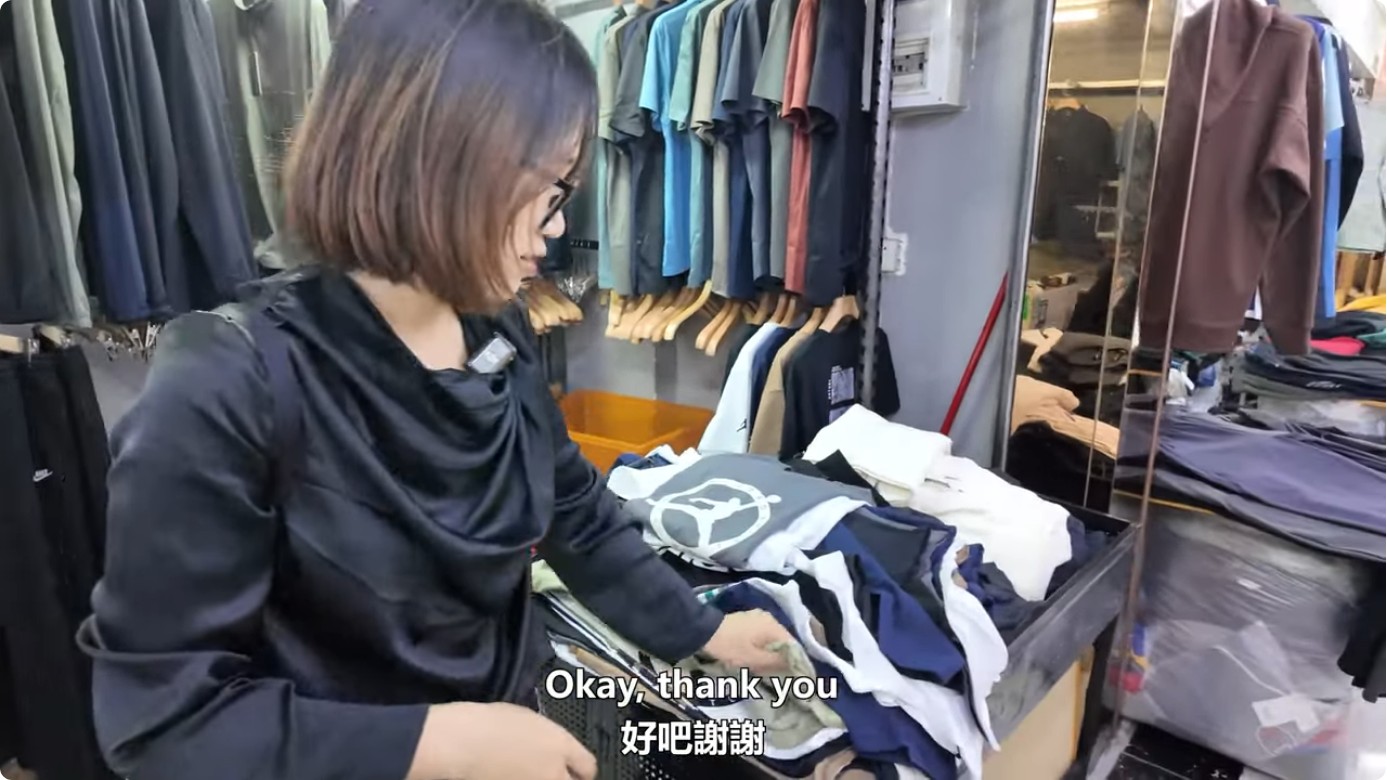
- Style Complexity: A basic crewneck t-shirt has 2-3 pattern pieces and simple sewing. A performance track jacket with multiple panels, zippers, and binding can have 20+ pieces and require specialized machinery, increasing labor cost 3-5x.
- Stitch Density & Quality: Higher stitches per inch (SPI) mean better durability and a cleaner look but slower sewing. Specify this in your tech pack.
- Location & Facility: Factories in different regions (e.g., China, Vietnam, Bangladesh, USA, Portugal) have vastly different wage bases and expertise. A factory in Portugal specializing in high-end activewear will quote higher than a generalist factory in Asia, but often with shorter lead times and easier communication.
4. Logistics, Duties & Shipping (Often 15-25% of total order value)
This is where budgets get blown. From the factory door to your warehouse:
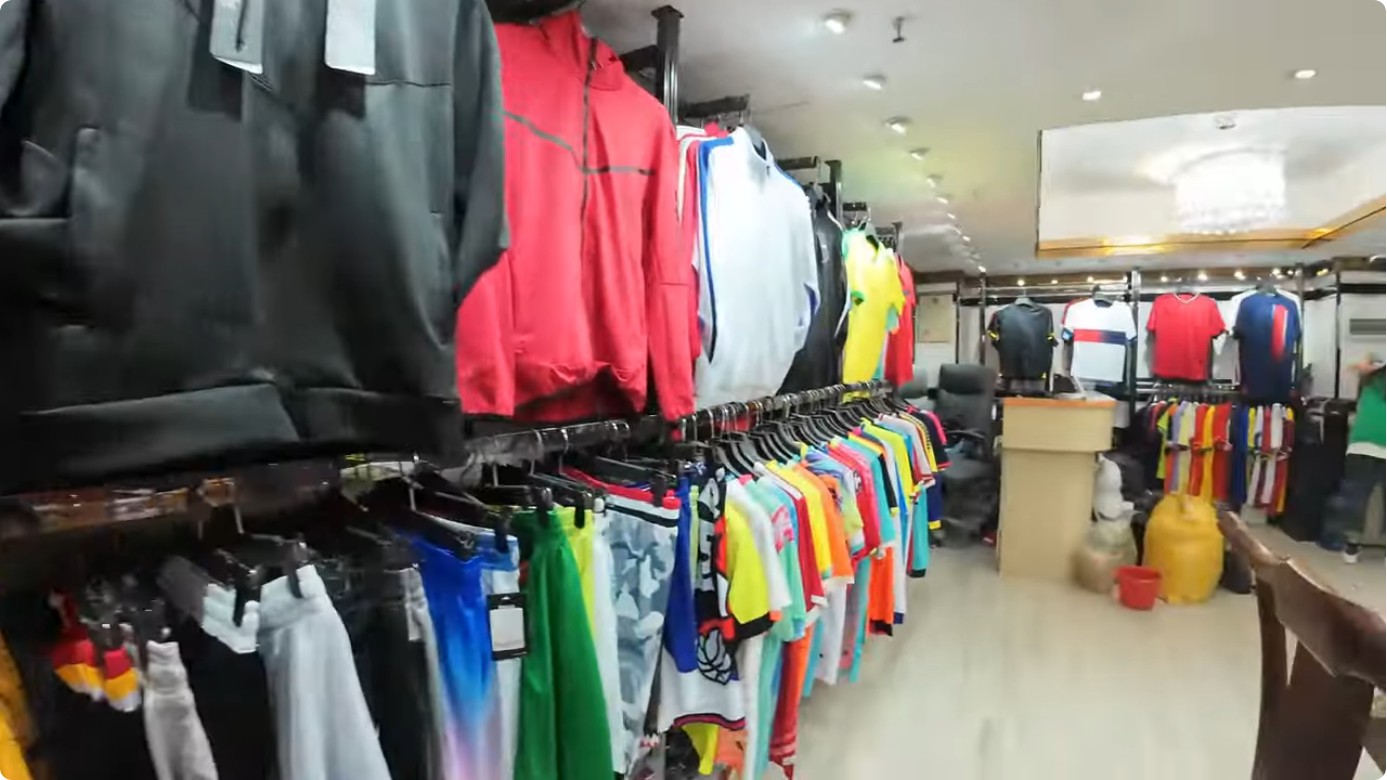
- Freight: Sea freight (slow, 30-45 days, cheap for volumes >1 cbm) vs. air freight (fast, 5-10 days, expensive). Get quotes from freight forwarders early.
- Customs Duties & Import Taxes: Based on the HTS (Harmonized Tariff Schedule) code for your garments (e.g., 6109.10.00 for t-shirts). Rates vary by country of origin and destination. The U.S., for example, has generalized rates; check the USITC database for an estimate.
- Inspection & QA: Budget for a third-party inspection (e.g., SGS, QIMA) at the factory before shipment. A standard inspection costs $300-$600 and can prevent a container of defective goods.
Custom Sportswear vs. Ready-Made: A Strategic Decision Table
One of the first decisions is whether to go fully custom (OEM/ODM) or to start with blank garment decoration (e.g., screen printing blanks). Here’s how they compare for a new brand.
| Factor | Custom Manufacturing (OEM/ODM) | Blank Decoration (Print-on-Demand/DTG) |
|---|---|---|
| Startup Cost | High ($3,000 – $15,000+ for first style) | Very Low ($0 – $500 for samples) |
| Per-Unit Cost (at 500 units) | $8 – $25+ (depends on style) | $12 – $30+ (includes blank + print) |
| MOQ | 300-500 units per style/color (typical) | No minimum, true 1-piece possible |
| Lead Time | 8-16 weeks (including sampling) | Days to 2 weeks |
| Design Flexibility | Unlimited: custom fabrics, cuts, trims | Limited to blank garment styles & print area |
| Brand Differentiation | High. Unique product is a major barrier to entry for competitors. | Low. Anyone can print the same graphic on the same blank. |
| Best For | Brands with a clear product vision, seeking wholesale/retail margins, building IP. | Testing designs, small influencer collections, events, ultra-niche/low-volume launches. |
The Brand Preparation Checklist: What to Have Ready Before You Factory Hunt
Walking into negotiations unprepared will cost you time and money. Before you email a single factory, have this checklist complete.
- Defined Product Line: Not just “t-shirts and hoodies.” Specify: 3 styles of performance tee, 2 fits of joggers, 1 zip-up hoodie. Know your target customer’s use case (gym, street, hybrid).
- Tech Pack for Each Style: Even a basic one. Include front/back/flat sketches, fabric spec (e.g., “180 GSM 100% cotton jersey, 32/1” or “92% polyester, 8% elastane, moisture-wicking, 210 GSM”), colorways (with PANTONE codes), and trim details.
- Target Price Point: What will your garment sell for? Work backward. If your retail target is $45, your landed cost (factory + shipping + duties) should be ~$10-$15 to maintain a healthy wholesale margin. This guides your fabric and factory choices.
- Initial Volume Forecast: A realistic estimate for your first 6-12 months (e.g., 1,000 units total across all styles). This determines which factories will even talk to you.
- Compliance & Certification Needs: Do you need OEKO-TEX Standard 100 certification for harmful substances? Fair Labor Association compliance? SEDEX? These add cost and require factory verification.
Hidden Costs & Common Pitfalls for New Brands
The quotes you get are line items. The real-world budget eats these often-overlooked costs.
- Sample Shipping Costs: Sending samples via courier (DHL/FedEx) from the factory to you is expensive. Budget $100-$300 per round trip.
- Pattern Revisions: Each fit sample cycle (usually 2-3) may incur a small “pattern adjustment” fee from the pattern maker.
- Quality Failures: A batch that fails inspection for minor issues (stitching, color variance) may be rejected. The factory may offer a discount to accept it, but your brand reputation suffers. The cost of a robust pre-production sample approval is always cheaper than a post-production dispute.
- Tooling & Set-Up Fees: For custom prints/knits, screen printing set-up, or jacquard loom programming, factories charge one-time fees ($100-$500) that disappear after the first order.
- Payment Terms: Factories typically require 30-50% deposit to start, with the balance before shipment. This ties up your capital.
Putting It All Together: A Real-World Scenario
Let’s say “Ascend Athletics,” a new performance wear brand, wants to launch with two styles: a fitted performance tee and a pair of 7/8 length leggings.
- Design & Tech Pack: $2,500 (hired a technical designer).
- Samples (2 styles x 2 rounds): $150/sample avg x 4 = $600 + $200 shipping.
- First Production Run: 500 tees @ $12/unit, 500 leggings @ $18/unit = $15,000.
- Fabric & Trim MOQs: Already met by the 1,000-unit order.
- Freight (Sea) & Duties: ~$2,500.
- Inspection: $400.
- Total First Investment: ~$21,200 for 1,000 units. The per-unit landed cost is ~$21.20. For a viable wholesale model, Ascend would sell these to retailers for ~$42-53 (2x-2.5x landed cost), who would then retail for $85-105.
This is a lean, focused launch. Adding more styles, smaller initial runs, or premium fabrics would increase this substantially.
Key Takeaways for the Sourcing Buyer
Starting a clothing brand via custom manufacturing is a capital exercise in precision. Your goal is to minimize the “unknowns.” The most successful brand founders we work with do these three things:
- They start with the unit economics, not the dream. They know their target landed cost before falling in love with a $20/yard fabric.
- They treat the tech pack as a non-negotiable contract. Ambiguity is the factory’s friend and your enemy. Detailed specs prevent cost overruns.
- They budget for the full pipeline, not just the “made in” price. Shipping, duties, and inspection are not optional; they are part of your product cost.
The initial investment to start a custom apparel brand is rarely under $10,000 for a viable first style in decent volume. It can easily reach $30,000-$50,000+ for a multi-style launch with premium elements. The power, however, is in the outcome: a differentiated product with healthy margins that you own from pattern to label.
Ready to Translate Your Vision into a Production Plan?
Do you have a product concept and need to understand the specific costs, MOQs, and timeline for your custom activewear line? Our factory specializes in OEM/ODM for performance apparel. We review tech packs, offer fabric sourcing guidance, and provide transparent quotes for everything from prototype to bulk delivery.
Need custom versions of any style covered here? Our sportswear factory handles everything from tech pack review to bulk delivery. Request a sample or quote.
Helpful tip: The Best OG Xbox Games to Play Today