
For anyone in the apparel industry—whether you’re a brand owner, a wholesale buyer, or a retailer—understanding where established labels like Tommy Hilfiger manufacture their products offers more than just trivia. It reveals the complex, globalized nature of modern apparel production, the strategic decisions behind factory selection, and the stark differences between mass-market brand manufacturing and dedicated custom sportswear production. This article breaks down Tommy Hilfiger’s known supply chain footprint, explains the ‘why’ behind those locations, and then pivots to what this landscape means for you if you’re looking to source or manufacture your own line of custom activewear, t-shirts, or hoodies.
We’ll move beyond a simple list of countries to explore the critical factors—like minimum order quantities (MOQs), quality control systems, and production flexibility—that truly define a manufacturing partnership. By the end, you’ll have a clearer picture of the global apparel ecosystem and whether partnering with a specialized OEM/ODM factory aligns with your business goals compared to the model used by major brands.
The Global Manufacturing Footprint of Tommy Hilfiger
Tommy Hilfiger, as a subsidiary of PVH Corp., operates within a vast, diversified global supply chain. There is no single “factory” or country of origin. Instead, production is strategically distributed across multiple continents to optimize for cost, expertise, speed, and tariff management. The brand’s publicly available sustainability reports and industry analyses point to a network heavily concentrated in:
- Asia: This is the primary hub for volume production. China, Vietnam, Bangladesh, and Cambodia are major manufacturing centers for Tommy Hilfiger, hosting factories that produce everything from denim to woven shirts and knitwear. These regions offer scale and specialized skill sets for high-volume items.
- The Americas: For the North American market, production also occurs in countries like Mexico, Honduras, and the United States itself. This “near-shoring” strategy can reduce lead times for the core market and mitigate some tariff and logistics risks.
- Other Regions: Limited production also takes place in Turkey, India, and various European countries, often for specific product categories or to serve regional markets efficiently.
It’s crucial to understand that a single Tommy Hilfiger product—say, a classic crewneck t-shirt—might have its cotton sourced from one country, yarn spun in another, fabric knitted in a third, and the final garment sewn in a fourth. The “Made in” label legally refers only to the country where the garment underwent its “substantial transformation,” typically the final assembly.
Why Do Brands Use This Distributed Model?
Large brands like Tommy Hilfiger don’t choose manufacturing locations randomly. The strategy is driven by:
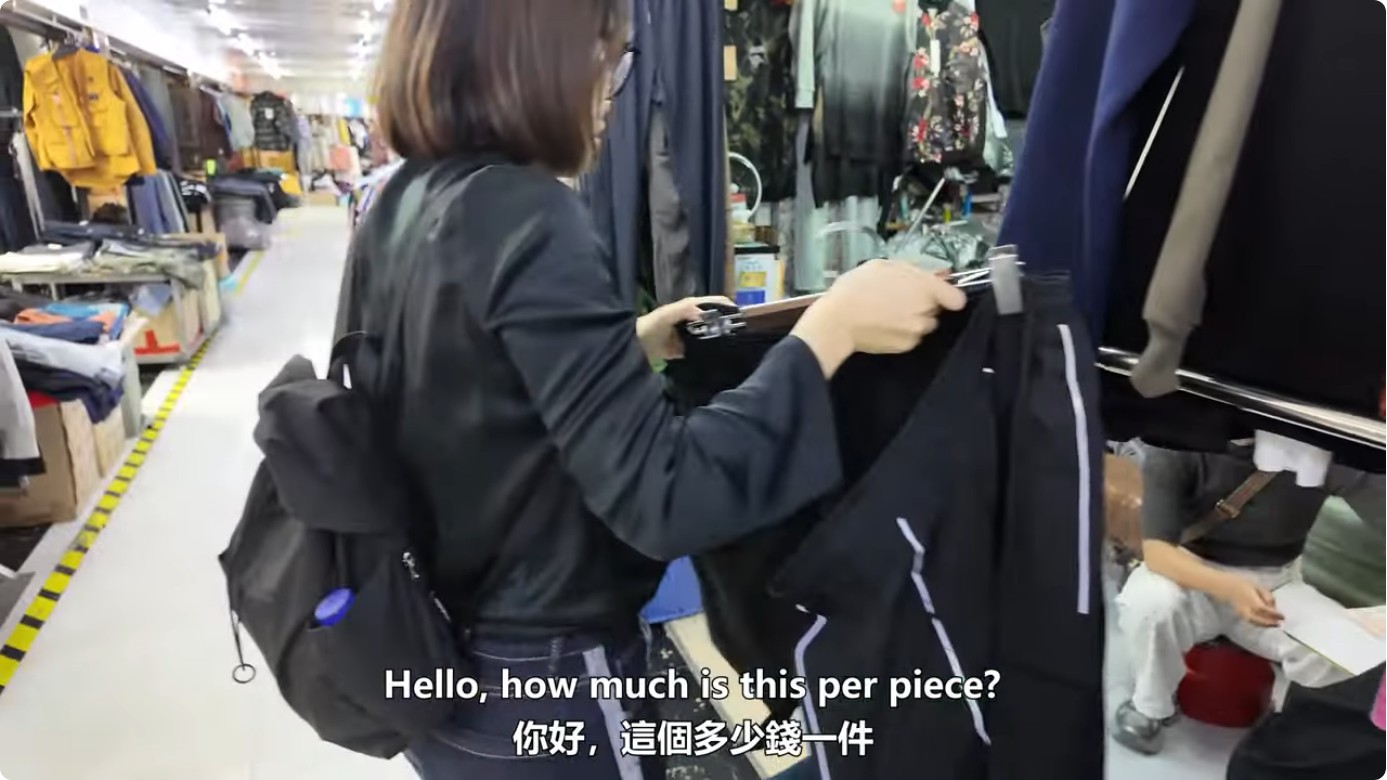
- Cost Optimization: Balancing labor costs, material sourcing proximity, and operational expenses.
- Risk Diversification: Avoiding over-reliance on any single country or factory to mitigate disruptions from political issues, natural disasters, or labor disputes.
- Tariff & Trade Agreements: Leveraging favorable trade pacts (e.g., USMCA for Mexico) to reduce import costs into key markets.
- Expertise & Capacity: Certain regions are renowned for specific products (e.g., denim in China/Japan, knitwear in Turkey). Brands allocate production accordingly.
- Speed to Market: Near-shoring allows for faster replenishment of best-selling items.
This model requires immense supply chain management infrastructure, dedicated teams for vendor compliance, and complex logistics coordination—resources that are typically out of reach for individual brands or small-to-medium businesses.
The Custom Manufacturer’s Lens: What Tommy Hilfiger’s Model Teaches Us
Observing Tommy Hilfiger’s supply chain is instructive, but it highlights a fundamental truth: their model is designed for their scale, their brand, and their forecast-driven production. When you source custom apparel, you are entering a different paradigm. You are not placing a purchase order into a pre-existing, massive production schedule; you are commissioning a factory to build your specific product to your specifications.
This shifts the key questions from “Where is it made?” to “How is it made, and by whom, for me?” Here’s what matters more than geography alone when selecting a custom sportswear manufacturer.
1. Minimum Order Quantities (MOQs) and Production Flexibility
Brands like Tommy Hilfiger place orders in the thousands, often tens of thousands, per style per factory. Their MOQs are dictated by the need to keep massive production lines running efficiently. For a custom buyer—a new fashion label launching a capsule collection, a gym ordering team uniforms, or a corporate buyer needing branded polos—this scale is often impractical and financially risky.
Key Trade-off: A factory that only serves mega-brands will have prohibitively high MOQs for you. A dedicated custom OEM/ODM manufacturer structures its production lines and sourcing to accommodate lower MOQs (e.g., 100-500 pieces per style), accepting lower per-unit efficiency in exchange for serving a broader client base. You sacrifice some economies of scale for crucial flexibility and reduced inventory risk.
2. Quality Control: From Audit to Garment
Tommy Hilfiger has a global team conducting rigorous, pre- and in-production audits (often based on standards like the Amfori BSCI or SMETA/SEDEX). Their QC process is embedded in a vast system. For a custom buyer, your QC is more direct and personal.
- Sample Approval: Your primary quality gate is the pre-production (PP) sample. A good custom factory will iterate with you until the sample meets your exact fabric, fit, stitch, and print criteria.
- In-Factory Inspection: For larger orders, can the factory facilitate your or a third-party inspector’s visit during production?
- Final AQL Inspection: Before shipment, is there a standardized final check against an Acceptable Quality Level (AQL) standard you agree upon?
Decision Point: Ask potential manufacturers for their QC flowchart. A transparent process with defined checkpoints (fabric, cutting, sewing, finishing) is a better indicator than any single “audit certificate” that may have been for a different client.
3. Communication, Responsiveness, and Problem-Solving
A brand like Tommy Hilfiger uses enterprise resource planning (ERP) systems and designated account managers to coordinate with dozens of factories. Your experience as a custom buyer will be different. The most valuable trait in a custom factory is not its size, but its responsiveness and engineering capability.
More advice: The Best Fuzz Remover for Sweaters: A Guide for Consumers and Sourcing Professionals
- Do they answer technical questions about fabric composition, garment construction, or print methods promptly?
- Can they suggest cost-saving alternatives if your initial spec is outside standard practice?
- Do they have in-house pattern makers and sample rooms to adjust fit without lengthy external delays?
This level of partnership is often impossible to secure from a factory whose primary relationship is with a giant buying house placing huge, rigid orders.
4. The “One-Stop” vs. “Specialist” Factory Dilemma
Some custom manufacturers offer everything: fabric sourcing, dyeing, knitting/weaving, sewing, and printing/embroidery under one roof. Others are specialized assemblers who outsource components. Tommy Hilfiger’s model inherently uses a mix of both.
| Factor | Large Brand Model (e.g., Tommy Hilfiger) | Dedicated Custom OEM/ODM Factory |
|---|---|---|
| Typical MOQ | Very High (10k+ units/style) | Low to Medium (100-2k units/style) |
| Primary Client Focus | Own brand, large volume, forecast-based | Multiple external brands, made-to-order |
| Design Control | Client’s internal design team | Client provides spec; factory provides ODM design options |
| Supply Chain Transparency | Nested, multi-tiered, complex | Direct, primary factory visible |
| Lead Time | Long (4-8 months for overseas) | Shorter (6-12 weeks, depending on process) |
Which is better? It depends entirely on your business model. If you are a fast-moving startup needing 500 hoodies in 8 weeks with a unique design, the dedicated custom factory is your only viable partner. If you are a giant retailer placing a year’s forecast for a basic private-label t-shirt, you might engage a large-scale operator directly.
Sourcing Your Custom Sportswear: Key Questions to Ask
Instead of asking “Where is it made?” a more productive approach for a custom buyer is a checklist that probes capability and alignment.
- Factory Profile: Is the factory primarily a “maker” (sewing assembly) or a full “developer” (with patternmaking, sampling, and sourcing)? Can they show examples of work for brands in your category (e.g., performance wear, basic tees)?
- MOQ & Pricing: Get clear quotes for your specific BOM (Bill of Materials). Is fabric cost separate? How do costs scale at different quantities? What is included (cutting, sewing, trimming, QC)?
- Fabric & Trim Sourcing: Can they source specific fabrics (e.g., 100% organic cotton, moisture-wicking polyester) from trusted mills? Do they have relationships with trim suppliers (zippers, labels, buttons) that meet your quality and certification needs?
- Timeline: What is the realistic timeline from approved spec/sample to shipment? What factors most commonly cause delays (fabric sourcing, labor availability)?
- Quality System: Walk me through your in-house QC process at each stage. Do you provide a pre-shipment inspection report? What is your policy on defects/rework?
- Compliance & Certifications: Do you hold current certifications like GOTS (organic), bluesign®, or ISO? Can you provide audit reports (e.g., from SGS, Intertek) upon request?
- Communication: Who will be my main point of contact? What are the preferred communication channels and expected response times?
This approach shifts the focus from an opaque geographic label to a transparent operational partnership. A factory in Vietnam that excels at high-volume denim may be terrible at low-MOQ, technical track suits. A “made in USA” factory might offer shorter lead times but at a significantly higher cost point that doesn’t fit your market.
Conclusion: Building Your Own Supply Chain Strategy
The question “Where is Tommy Hilfiger clothing manufactured?” opens a window into a world of global logistics, cost arbitrage, and scale. For your business, the lesson is not to replicate that model, but to understand its principles. Your goal is not to have the same supply chain as a multinational brand, but to build a supply chain that is fit-for-purpose for your specific scale, product, and market.
That means prioritizing a manufacturing partner who speaks your language—both literally and in terms of business scale. It means valuing transparent communication and agile problem-solving over sheer factory size. And it means defining your own non-negotiables, whether that’s a specific fabric certification, a tight lead time, or a MOQ that aligns with your sales forecast.
The global apparel landscape is vast. Tommy Hilfiger navigates one part of it with a fleet of large, specialized partners. Your path lies with a different kind of partner: one built to empower creators, brands, and businesses like yours with the tools to bring their vision to life, piece by piece, without the burden of billion-dollar logistics.
Ready to Build Your Direct Manufacturing Partnership?
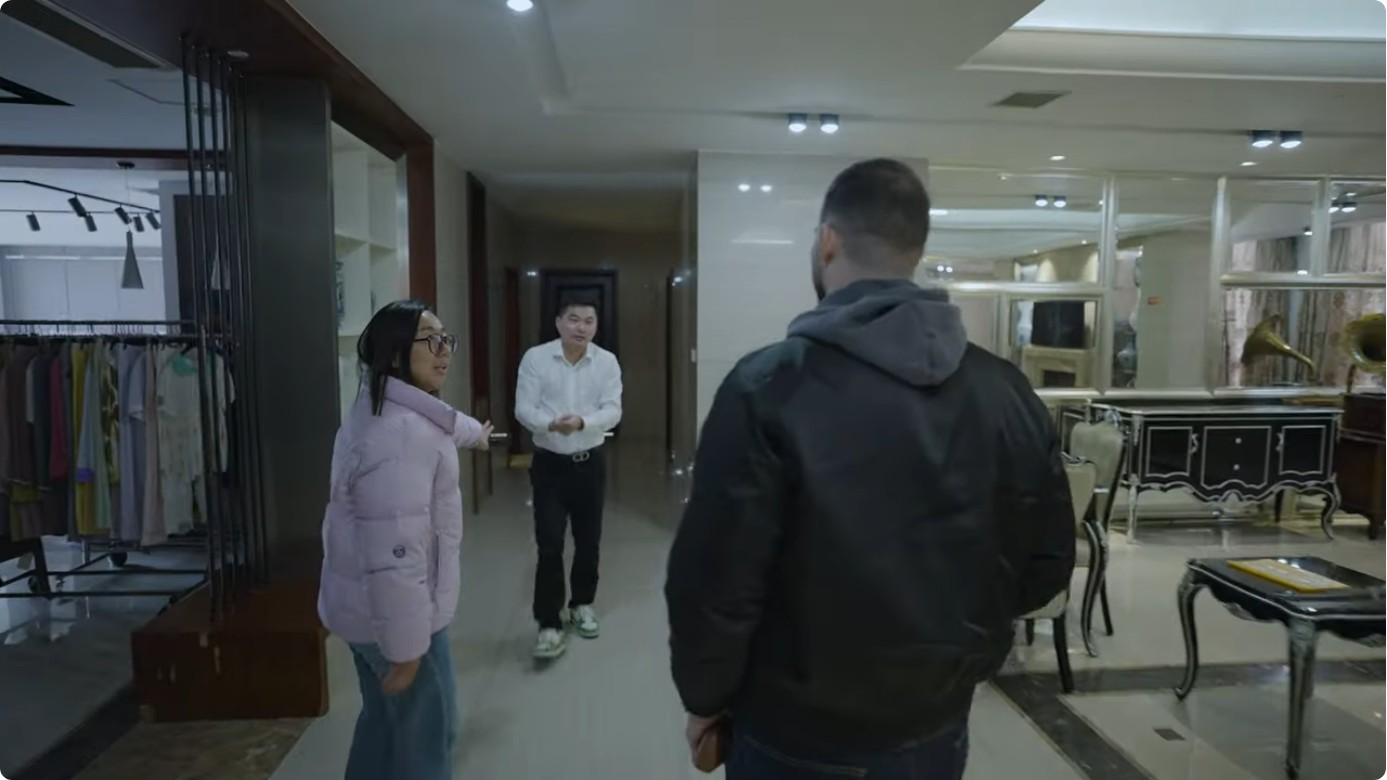
If you’re looking to source or customize any of the styles mentioned above, our factory offers low MOQ OEM/ODM production with full sampling support. Get a free quote today.
Note: Manufacturing locations for major brands like Tommy Hilfiger are based on public sustainability reports, trade data, and industry analysis and are subject to change. This article is for educational context regarding global manufacturing practices and custom sourcing.
[…] Also read: Where is Tommy Hilfiger Clothing Manufactured? A Look at Global Production & What It Means for C… […]