
The drop shoulder t-shirt is more than a fleeting trend; it’s a modern staple that has redefined casual silhouettes across streetwear, athleisure, and basic collections. For brands, gyms, and retailers, understanding this style’s nuances is key to sourcing a product that resonates with your audience and stands out in a competitive market. This guide breaks down the drop shoulder construction, explores who wears it, and dives into the critical manufacturing and customization decisions you’ll face when bringing your own version to market.
Unlike a traditional crewneck where the shoulder seam sits at the edge of the shoulder, the drop shoulder features a sleeve that is set lower, often several inches down the body. This creates a relaxed, oversized, or “boxy” fit that drapes differently and feels intentionally unstructured. It’s a style that prioritizes comfort and a contemporary aesthetic, but its success hinges on precise pattern making and fabric choice—factors that are central to the custom manufacturing process.
What Exactly Defines a Drop Shoulder T-Shirt?
At its core, the drop shoulder is a fit and construction detail. The defining characteristic is the horizontal line of the shoulder seam, which “drops” down from the neckline onto the upper arm or torso, rather than meeting the natural shoulder point. This single design choice triggers a cascade of effects on the garment’s silhouette, comfort, and wearability.
Also read: The Men’s Sleeveless Tank Top: A Sourcing Guide for Brands & Buyers
The Anatomy of the Silhouette
This construction creates a few key visual and tactile traits:
- Relaxed, Oversized Fit: The dropped seam allows for more fabric across the shoulders and chest, eliminating the tight, “sleeve pulls” feeling of a fitted tee. It’s inherently generous through the upper body.
- Boxy or Draped Shape: Depending on the fabric weight and intended aesthetic, it can hang with a structured boxiness or a soft, fluid drape. Heavier fabrics like 300+ GSM cotton jersey hold a boxier shape, while lighter, slubby, or rayon-blend fabrics drape more softly.
- Wider Neckline: To accommodate the dropped sleeve attachment, the neckline (crew or scoop) is often cut slightly wider and may have a different ribbing width or knit structure to maintain stability.
- Altered Sleeve Head: The top of the sleeve (the sleeve cap) is typically less curved and more rectangular to match the dropped armhole, which affects how the sleeve sits on the arm.
Typical Fabric Choices
The fabric is not just a material; it’s a primary driver of the final look and feel. Common choices for custom drop shoulder production include:
- Mid-Weight to Heavyweight Cotton Jersey: (260-320 GSM) The classic choice. Provides a sturdy, premium feel, good opacity, and a structured drape that holds its boxy shape well after washing. Ideal for premium streetwear and basic collections.
- French Terry or Terry Loops: Offers a textured, cozy interior with a smooth face. The looped back adds dimension and a slightly heavier hand, perfect for elevated basics and transitional layers.
- Slub cotton or Slub-blends: Features an intentional, irregular yarn texture that creates visual interest and a softer, more lived-in drape. Popular for fashion-forward brands.
- Performance Moisture-Wicking Knits: Polyester or poly-blend technical fabrics with a brushed or smooth hand. The drop shoulder fit is increasingly popular in athleisure for its unrestricted movement, making this a key option for gyms and sportswear brands. Look for fabrics certified to standards like OEKO-TEX Standard 100 for safety.
A crucial note: fabric shrinkage must be accounted for in the pattern. Heavier cotton jerseys can shrink significantly. A good OEM/ODM partner will pre-shrink or wash-test your chosen fabric and adjust the pattern’s “relaxed” measurements accordingly to ensure the final product hits your target dimensions after the first wash.
Who Buys & Wears Drop Shoulder T-Shirts? (Market Context)
Your target customer for this style is someone seeking a deliberate, fashion-conscious casual look. It’s not typically the choice for a traditional, fitted team jersey or tight performance base layer. The appeal spans several key markets:
- Streetwear & Fashion Brands: This is the primary demographic. The silhouette aligns perfectly with oversized, 90s-inspired, and minimalist aesthetics. Brands use it as a canvas for bold graphics, subtle embroidery, or as a premium, logo-less staple.
- Activewear & Gym Apparel Lines: The unrestricted movement makes it a popular choice for post-workout wear, yoga, or casual gym-to-street pieces. When made from technical, breathable fabrics, it bridges athletic function and everyday comfort.
- Corporate & Team Casualwear: Companies and sports teams looking for a modern, comfortable alternative to the classic crewneck for their branded apparel. It projects a contemporary, relaxed vibe over a stiff, formal one.
- General Retail & Basics Brands: As a staple in men’s, women’s, and unisex basics lines, it offers a different fit option alongside regular and slim fits, capturing customers who prefer a looser, more current style.
Understanding this audience is vital for your customization strategy. A streetwear brand might prioritize unique fabric textures and bold print placements, while a gym might prioritize moisture-wicking performance and a flattering drape for all body types.
Custom Manufacturing: Your Key Decisions & Options
Sourcing a custom drop shoulder tee involves navigating a matrix of choices that impact cost, lead time, and the final product’s success. Here’s what you need to decide and discuss with your manufacturing partner.
1. Fit & Pattern Development: Starting from a “Block”
You don’t have to start from scratch. Most manufacturers have a library of standard “blocks” (base patterns) for different fits. For a drop shoulder, you need a specific block that accounts for the dropped sleeve and wider body. Key decisions include:
- Degree of Drop: How many inches does the shoulder seam sit below the natural shoulder? A 1-2 inch drop is subtle; a 4-5 inch drop creates a dramatic oversized look. This measurement is a critical spec.
- Body Length & Width: Owing to the relaxed fit, will you maintain standard proportions or intentionally lengthen the body for a “tall tee” look? Will the side seams be straight or slightly flared?
- Size Range & Grading: How will the drop shoulder pattern scale across your size range (e.g., XS to 3XL)? Grading this style requires expertise to maintain the intended silhouette without distorting the armhole or neckline on larger sizes. Request to see the graded pattern or a sample on multiple sizes before production.
2. Fabric & Trim Sourcing: The Foundation of Feel
This is where you define the product’s quality tier. Your manufacturer should present swatches of their standard fabric libraries, but you can also source custom fabrics.
| Consideration | Custom Fabric Sourcing | Manufacturer’s Standard Fabric |
|---|---|---|
| Cost | Higher MOQ (often 3,000+ yards), significant upfront cost, but potentially lower per-yard cost long-term. | Lower MOQ (often tied to garment order), no fabric development fee, immediate availability. |
| Lead Time | Long (8-16+ weeks for dyeing/knitting). Adds major time to project. | Shorter. Fabric is on-hand or can be ordered quickly with garment order. |
| Control | Complete control over yarn, GSM, color (using Pantone codes), and finish (e.g., garment-dyed vs. fabric-dyed). | Limited to manufacturer’s available colors, weights, and finishes. May have minimum color order quantities. |
| Best For | Established brands with high volume, unique branding needs, or proprietary fabric stories. | Startups, smaller collections, samples, and brands okay with existing high-quality fabric options. |
3. Customization Techniques: Where Your Brand Lives
The drop shoulder’s large, flat surfaces (front, back, sleeve) are prime real estate for branding. Common methods include:
- Screen Printing: Cost-effective for simple, bold graphics with solid colors. Best for mid-weight fabrics. Artwork must be prepared as separate color layers.
- Digital Printing (DTG): Ideal for full-color, photographic, or gradient designs. Works best on 100% cotton or high-cotton blends. No setup fees per color, but per-piece cost is higher than screen printing for large runs.
- Embroidery: Adds a premium, durable touch. Perfect for small logos on the left chest or sleeve. Note: Heavy embroidery on lightweight drop shoulder fabrics can cause puckering; discuss stabilizer options with your manufacturer.
- Woven Labels & Hangtags: Essential for brand identity. Discuss placement (neck tape, side seam, bottom hem) and material (woven, satin, leather).
- Unique Finishes: Garment dyeing for a soft, vintage, uniformly dyed look; garment washing for a pre-softened feel; special stitch details at the hem or cuff.
4. Production Realities: MOQs, Samples, and Quality Control
Navigating production requires a clear strategy.
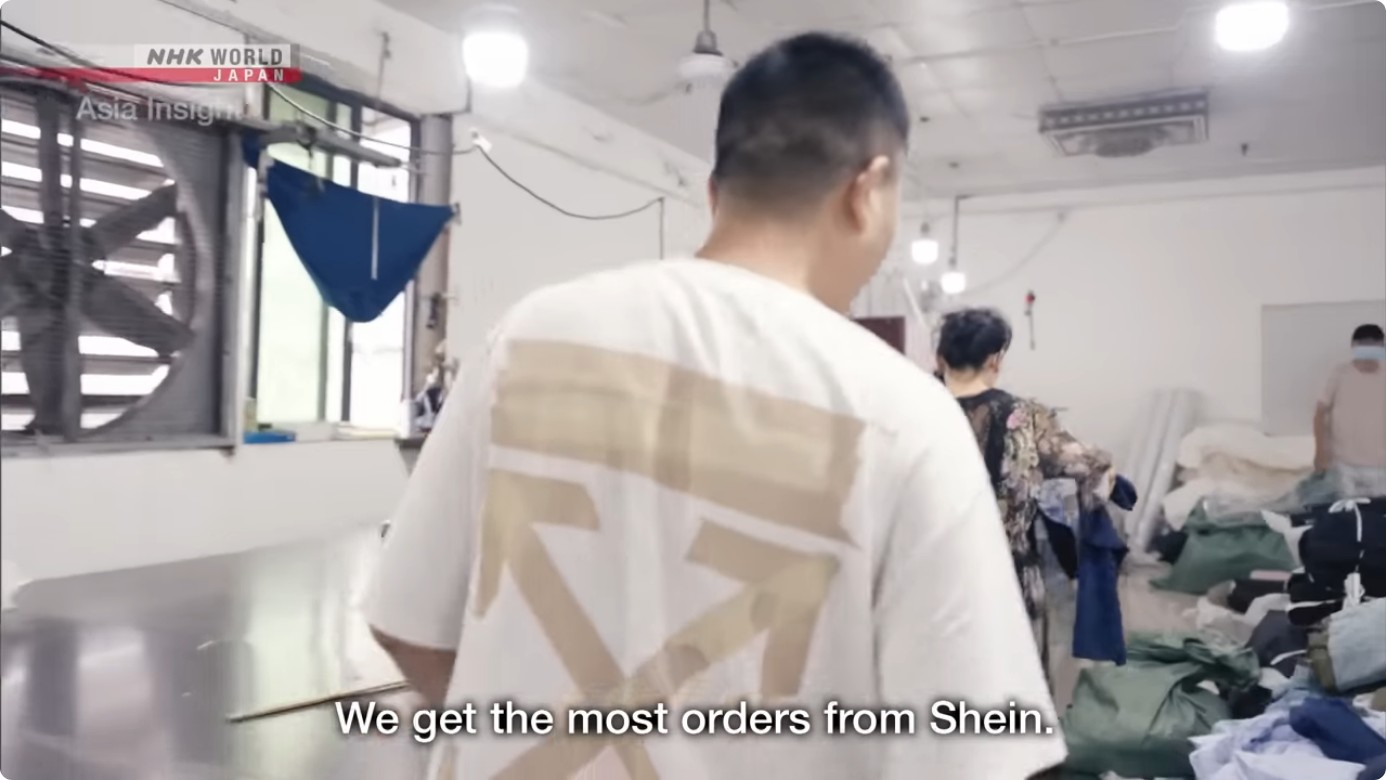
- Minimum Order Quantities (MOQs): These vary wildly. For a basic drop shoulder in a standard fabric, a reliable OEM might have an MOQ of 500-1,000 pieces per style/color. For custom-dyed fabrics or complex construction, it can jump to 2,500-5,000+. Always clarify MOQs per style, color, and size breakdown.
- The Sampling Process is Non-Negotiable: Never proceed to bulk without approving a pre-production (PP) sample. This sample must be made with your exact approved fabric, trims, and in your correct size. Check: fit on a real person, color accuracy, print/embroidery quality, stitching, and measurements against your spec sheet.
- Communication & Quality Control: Establish a single point of contact. Use detailed tech packs (spec sheets) including measurements, construction notes, and approved fabric/trim swatches. For larger orders, consider hiring a third-party QC agent for an inspection at the factory before shipping.
Potential Pitfalls & How to Avoid Them
Sourcing this style has specific trade-offs. Being aware of them helps you set realistic expectations and communicate better with your factory.
- The “Too Big” Problem: An uncalculated drop shoulder can look sloppy, not stylish. Work with your pattern maker to define the “intended oversized look” with precise measurements (chest width, body length, shoulder drop) rather than vague terms like “loose fit.”
- Fabric Drape vs. Structure: A heavy, stiff fabric on a large drop shoulder pattern can feel like a tent. A very lightweight, flimsy fabric can look sloppy and unflattering. Request fabric swatches and hold them up to see how they drape on a hanger or mannequin.
- Sizing Inconsistency: Because the fit relies on overall volume, small pattern errors can create disproportionate looks across sizes. Ensure your manufacturer has a robust grading system and provides size charts for each style.
- Print Area Limitations: The dropped armhole can create a challenging angle for screen printing on the side panels or under the arm. Discuss artwork placement with your printer to avoid print registration issues.
Frequently Asked Questions for Buyers
What’s the typical MOQ for custom drop shoulder t-shirts?
Expect a minimum of 500-1,000 pieces per style/color for standard fabrics in a typical Asian manufacturing hub. European or US factories may have higher MOQs (1,500-3,000). Using a custom-dyed fabric or a very small size range (e.g., only S,M,L) can increase the MOQ.
Can I get a drop shoulder in a performance, moisture-wicking fabric?
Absolutely. This is a very common combination in the athleisure market. Specify you need a technical knit (often polyester or poly-cotton blend) with wicking properties. Ensure the factory has experience with these fabrics, as they handle and sew differently than cotton jersey.
Should I provide a sample garment for my manufacturer to replicate?
While providing a reference sample is very helpful for fit and styling, you should never expect a factory to literally copy it due to copyright and pattern-making laws. Instead, use the sample as a style guide and provide your own detailed tech pack with your brand’s specific measurements and construction notes. A good ODM can reverse-engineer the look while creating an original pattern for you.
Is the drop shoulder style suitable for a unisex collection?
Yes, its relaxed, non-body-conscious fit makes it one of the most naturally unisex t-shirt silhouettes. The key is in the pattern grading to ensure the proportions work across a wide size spectrum (from XS to 3XL or more) without the women’s sizes becoming excessively short or narrow.
Whether you’re a startup brand or an established retailer, we manufacture custom sportswear at competitive MOQs. Reach out to start your project.
Related guide: Rash Guard vs Wetsuit: A Manufacturer’s Guide to Sourcing the Right Aquatic Apparel