
Choosing the right fabric is the foundational decision that determines a shirt’s performance, feel, cost, and ultimately its success in the market. For brands, gyms, and teams sourcing custom sportswear, “shirt cloth types” isn’t just a material query—it’s a strategic production variable. The fabric you select dictates your manufacturing process, impacts your minimum order quantities (MOQs), influences your price point, and shapes the end-user’s experience. This guide breaks down common shirt cloth types from a sourcing and production perspective, translating textile terminology into actionable decisions for your next custom apparel run.
Whether you’re a new brand prototyping your first line or an established retailer expanding your catalog, understanding fabric characteristics is non-negotiable. We’ll explore the core fiber categories, knit vs. weave constructions, performance finishes, and the critical questions you must ask your factory to ensure your vision translates into a high-quality, consistent product.
- Fiber Source (Natural vs. Synthetic) dictates base properties like comfort, moisture management, and durability.
- Fabric Construction (Knit vs. Woven) determines the shirt’s structure, stretch, and drape.
- Fabric Weight (GSM) is a key spec to communicate to your factory for consistent handfeel and seasonality.
- Custom production requires specifying fabric composition, weight, and finish—not just a vague style name.
The Core Decision: Fiber Source and Its Impact on Production
The journey begins with the raw fiber. The choice between natural, synthetic, and blended fibers is the first major fork in the road, affecting everything from cost and sourcing logistics to the garment’s final performance.
Helpful tip: Waffle Knit Material: A Practical Guide to the Fabric’s Structure, Uses, and Sourcing
Natural Fibers: Cotton and Beyond
Cotton remains the world’s most popular shirt fiber for its breathability, softness, and hypoallergenic nature. For custom sportswear, however, its drawbacks are significant: high moisture absorbency (leading to slow drying), potential for shrinking, and lower durability when wet. For active applications, you’ll often see cotton blended with synthetics.
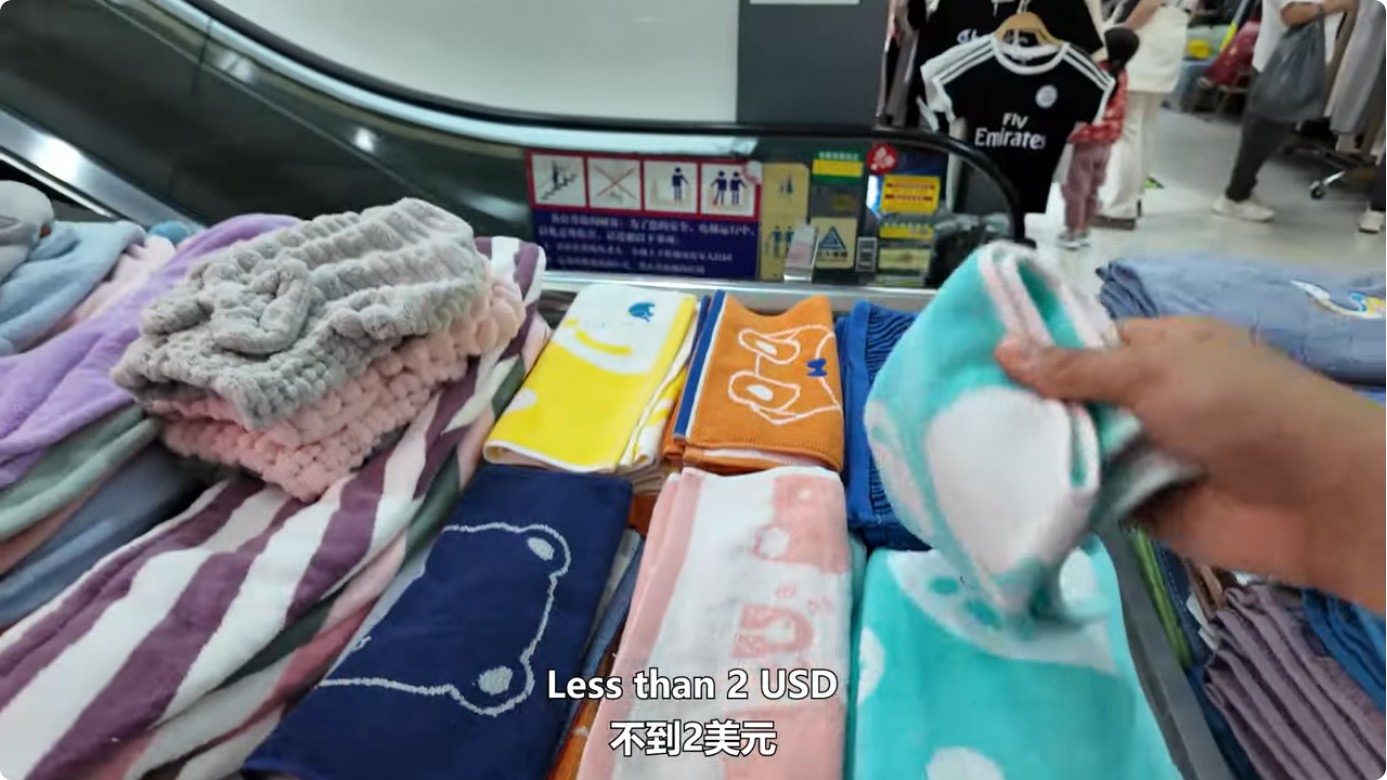
Other natural fibers like linen (exceptionally cool, wrinkly) and rayon/viscose (soft, drapey, but weak when wet) are niche in performance wear but may appear in casual athleisure lines. Their production often involves chemical processing, so if sustainability is a key brand pillar, you must verify the factory’s sourcing and the fiber’s certifications (e.g., GOTS for organic cotton).
Synthetic Fibers: The Engine of Performance
Polyester is the workhorse of synthetic sportswear. It’s strong, abrasion-resistant, dries quickly, and is highly dye-receptive. Its major downside is its tendency to retain odors and its less breathable nature compared to natural fibers. Modern micro-polyester yarns have improved softness significantly.
Nylon (often branded as Ripstop or Cordura when woven for durability) is lighter and stronger than polyester, with excellent abrasion resistance. It’s common in outerwear and high-stress activewear like cargo pants but can be less soft against the skin.
Spandex/Lycra/Elastane is almost never used alone but is a critical addition, typically 3-10%, to provide essential recovery and stretch for fitted athletic shirts, tights, and movement-focused designs.
Blends: Engineering the Optimal Fabric
The vast majority of performance shirt cloth types are blends, most commonly Cotton-Polyester (e.g., 60/40, 50/50, 65/35). This blend aims to capture cotton’s comfortable handfeel and polyester’s durability and moisture-wicking. The exact ratio is a crucial spec to lock down with your manufacturer, as a 50/50 blend will behave differently from a 65/35.
Other advanced blends include cotton with modal (for enhanced softness) or polyester with merino wool (for natural odor resistance and temperature regulation). When specifying a blend, be prepared for your MOQ to potentially increase, as your factory may need to source specific yarn combinations.
Fabric Construction: Knit vs. Woven
This structural choice defines the shirt’s silhouette and essential properties. It’s as important as the fiber itself.
| Feature | Knit (e.g., Jersey, Interlock) | Woven (e.g., Poplin, Twill) |
|---|---|---|
| Structure | Interlocking loops (like a sweater) | Criss-crossing warp and weft threads |
| Stretch & Drape | Inherent stretch, soft drape | Minimal stretch, crisp structure |
| Common Shirt Types | T-shirts, henleys, sweatshirt bodies | Button-ups, cargo pants, performance joggers |
| Breathability | Generally higher (especially single jersey) | Can be high with tight weaves (e.g., poplin) or low with dense fills |
| Production Note | Faster knitting, can handle intricate patterns | Weaving is slower; pattern changes (e.g., twill to herringbone) require loom re-setup |
Key Knit Constructions for Sportswear
- Single Jersey: The classic t-shirt fabric. Lightweight, good drape, prone to curling at hems. Requires stabilizing for collar/cuff applications.
- Double Jersey / Interlock: Two jersey layers knitted together. Heavier, more stable, less curl, better insulation. Common for premium t-shirts and sweatshirt bodies.
- Rib Knit (1×1, 2×2): Vertical ribs offer excellent stretch and recovery. Used for cuffs, collars, and fitted tank tops.
- French Terry: Knit with loops on one side, smooth on the other. Provides texture, breathability, and a casual feel. A popular mid-weight option.
Key Woven Constructions for Sportswear
- Poplin: A tight, plain weave with a crisp finish. Lightweight and breathable, used for lightweight button-up shirts and performance polos.
- Twill: Diagonal rib pattern. Durable, drapes well, hides stains. Used for cargo pants, heavier trousers, and workwear-inspired pieces.
- Ripstop: Reinforced weave with thicker yarns at regular intervals to prevent tearing. The go-to for rugged outerwear and cargo pants.
- Plain Weave (Canvas): Simple over-under pattern. Very durable but stiff. Often used for heavy-duty bags or stiffened workwear.
Critical Specifications to Communicate to Your Factory
Saying “I want a cotton t-shirt” is insufficient for a custom production order. You must provide a technical package or clear spec sheet. Ambiguity leads to sample rejection, wasted time, and cost overruns.
- Fabric Composition: Exact percentage (e.g., 60% Cotton, 40% Polyester).
- Fabric Construction: Knit type (Single Jersey) or weave type (Twill, 2/1).
- Fabric Weight: In GSM (grams per square meter). This is the single most important spec for handfeel and weight. A 180 GSM jersey is a standard lightweight tee; 280+ GSM is a heavyweight.
- Yarn Count & Ply: (e.g., 30/1, 40/1). Higher numbers mean finer, softer yarn. Ply (single or double) affects durability and feel.
- Fabric Finish: Preshrunk? Brushed? Garment-dyed? Each adds cost and affects production sequence.
- Required Certifications: OEKO-TEX Standard 100? GOTS? REACH compliance? Specify if needed for your market.
Performance Finishes and Treatments
A base fabric can be enhanced with chemical or mechanical finishes, often post-knit/weave but pre-garment. These are key differentiators in the performance apparel market.
You may also like: The High-Stretch, Multi-Pocket, Durable Cargo Pant: A Buyer’s Guide to Style and Custom Manufacturing
- Moisture-Wicking: The most common finish. It uses hydrophobic treatments on the fiber/fabric to pull sweat to the surface to evaporate. Note: This treatment can wash out over time. Ask your factory about the finish’s durability rating.
- Antimicrobial/Anti-Odor: Treatments like silver ions or chitosan inhibit bacterial growth. Crucial for high-sweat applications but must be verified for skin sensitivity and wash durability.
- UV Protection: A chemical coating that blocks UV rays. The protection level (UPF rating) must be tested and certified.
- DWR (Durable Water Repellent): A coating that causes water to bead and roll off. Used on outerwear and some mid-layer items. Re-application may be needed over the garment’s life.
- Brushing/Peaching: Mechanical process that raises fibers for a soft, suede-like hand. Common on fleece and French Terry. Increases fabric weight slightly.
Sourcing and Production Considerations
Your fabric choice directly impacts your project’s feasibility and cost structure with a manufacturer.
Minimum Order Quantities (MOQs)
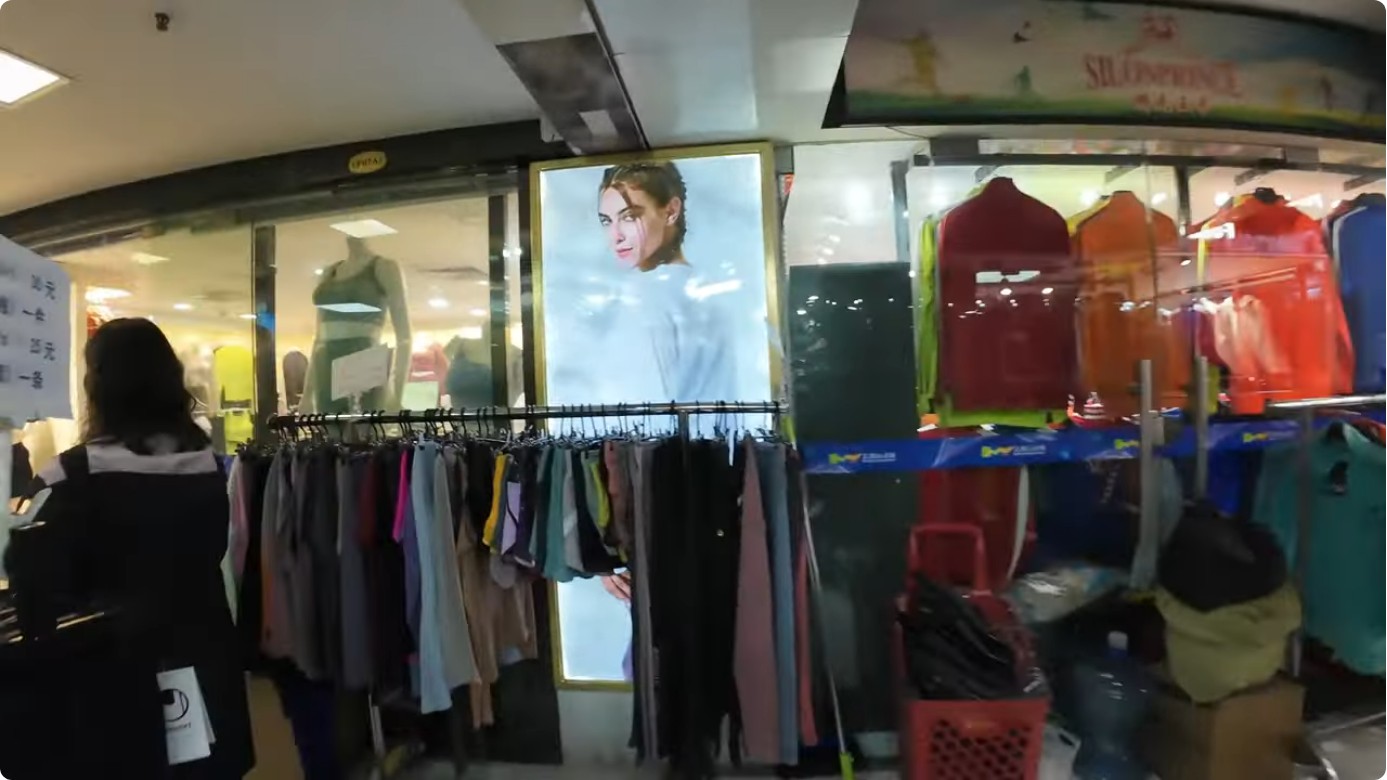
MOQs are primarily driven by the fabric. A factory’s MOQ for a custom-printed 100% cotton t-shirt using a stock jersey they already buy in bulk might be as low as 50-100 units. However, if you request a specific 85/15 cotton-poly blend in a 220 GSM weight that is not a standard stock fabric for that factory, the MOQ could jump to 500-1000+ units because they must order the entire yarn and fabric production run from their mill. Always ask: “Is this fabric a stock item for your mill, or is it a custom knit/weave?”
Lead Times and Supply Chain
Custom fabric development adds 4-8 weeks to your timeline. Stock fabrics can ship faster. For global sourcing, consider that fabric mills in Asia (China, Taiwan, Korea) dominate activewear knits, while Italy and Portugal are known for high-end woven shirting. Your factory’s location and their mill partnerships will determine your options and lead times.
Cost Drivers Beyond the Fabric
The final garment cost is a combination of:
- Fabric Cost/Yard: The biggest variable. A 100% organic cotton jersey is significantly more expensive than a standard polyester.
- Trim Cost: Buttons, zippers, drawcords. A YKK zipper vs. a generic one.
- Labor & Placement: Complexity of design, number of seams, embroidery vs. print.
- Certification & Testing Fees: OEKO-TEX, SGS, or specific retailer compliance tests add cost but are non-negotiable for many brands.
The Sample Process: Your Most Important Quality Control Step
Never proceed to bulk without approving a pre-production (PP) sample made with your exact, finalized fabrics and trims. This sample is your contract. Evaluate:
- Handfeel & Drape: Does it match your vision?
- Color Matching: Is the dye lot consistent? Check against a Pantone or physical color standard.
- Construction: Stitch density, seam neatness, collar roll, hem stability.
- Wash Test: Ask the factory to wash the sample 3-5 times per your care label instructions. Does it shrink, pill, or fade excessively?
Common Pitfalls and How to Avoid Them
Pitfall 1: “Feeling” a Fabric Online. Digital swatches are useless for judging handfeel and weight. Always request a physical fabric swatch from the factory, not just a picture.
Pitfall 2: Ignoring Shrinkage. Natural fibers shrink. Pre-shrunk (sanforized) cotton can still shrink 3-5%. Your pattern must account for this. Specify your post-wash dimensional tolerance to your pattern maker.
Pitfall 3: Over-Engineering for the Use Case. A heavyweight, brushed fleece is wrong for a summer running singlet. A super-lightweight mesh is wrong for a winter hoodie. Let the end-use drive the cloth type.
Pitfall 4: Assuming All Polyester is the Same. Virgin polyester vs. recycled (rPET) has different properties. Recycled can have slightly less strength and different dye uptake. Discuss these nuances with your factory.
Making Your Final Sourcing Decision
Your choice of shirt cloth type is a cascade of decisions. Start here:
- Define the Core Function: Is this for high-intensity training (prioritize wicking, light weight)? For casual lifestyle wear (prioritize comfort, handfeel)? For workwear (prioritize durability, abrasion resistance)?
- Set Your Target Price Point: This immediately filters your fabric options. A $25 retail t-shirt has a very different fabric budget than a $60 one.
- Identify Your Non-Negotiables: Is sustainability (GOTS, organic, recycled) a brand mandate? Is a specific handfeel (ultra-soft, crisp) essential?
- Consult with Your Factory Early: Present your function, price, and non-negotiables. A good OEM/ODM partner will recommend 2-3 viable fabric options from their mill library that meet your specs and MOQ, complete with physical swatches and cost quotes.
Remember, the “best” shirt cloth type is the one that optimally balances performance, cost, and manufacturability for your specific product and market. It’s a technical variable that demands a technical approach to sourcing.
Ready to Specify Your Custom Fabric?
Navigating fabric libraries, mill certifications, and construction details is a specialized part of the custom apparel process. At our factory, we translate your design vision into precise fabric specifications, manage the mill communication, and ensure your chosen cloth type delivers the quality and performance your customers expect.
Planning to add these styles to your collection? We produce custom versions with your branding, fabric choice, and sizing — from sample to bulk. Contact our team for details.
More advice: Sourcing Madewell-Style Apparel: A Custom Manufacturing Guide for Brands and Buyers