
If you’re sourcing apparel for an active audience, the modern cargo pant has evolved far beyond its workwear origins. Today’s iteration—the high-stretch, multi-pocket, durable cargo pant—is a versatile hybrid that bridges functional utility with contemporary style. For brands, gyms, and retailers, understanding this specific style’s construction, audience, and customization potential is key to sourcing a product that performs and sells. This guide breaks down what makes this style distinct, who wears it, and the critical manufacturing considerations you’ll face when ordering it custom.
We’ll move from the fabric and fit on the wearer’s body to the practicalities of the factory floor, covering fabric technology, pocket engineering, and the customization levers you can pull. The goal is to equip you with the knowledge to specify exactly what you need and evaluate potential manufacturing partners effectively.
Quick Overview: Is This Style For You?
This article is relevant if you are:
- A fashion or streetwear brand looking for a utilitarian, trendy bottom.
- A gym, fitness studio, or sports team needing durable, flexible training pants.
- A workwear or tactical retailer serving customers in logistics, construction, or field services.
- A corporate apparel buyer outfitting staff in mobile or hands-on roles.
You will learn the technical attributes of this pant style, its market applications, and a framework for discussing custom production with manufacturers.
Deconstructing the Style: What Defines a ‘High-Stretch, Multi-Pocket, Durable’ Cargo Pant?
The keyword is a compound descriptor. Let’s isolate each component to understand the technical target:
1. High Stretch & The Modern Fit
This is the most critical evolution. Traditional cargo pants used rigid cotton duck or twill, which restricted movement. The modern version incorporates a significant percentage of elastane (commonly known as spandex or Lycra®), typically 5-15%, into the weave. This creates a 4-way or 2-way stretch that allows for deep squats, lunges, and unrestricted climbing. The fit is also more tailored—often a “slim straight” or “athletic taper”—avoiding the baggy silhouette of the past. This combination of stretch and a contemporary cut is what makes the style acceptable for both gym and street.
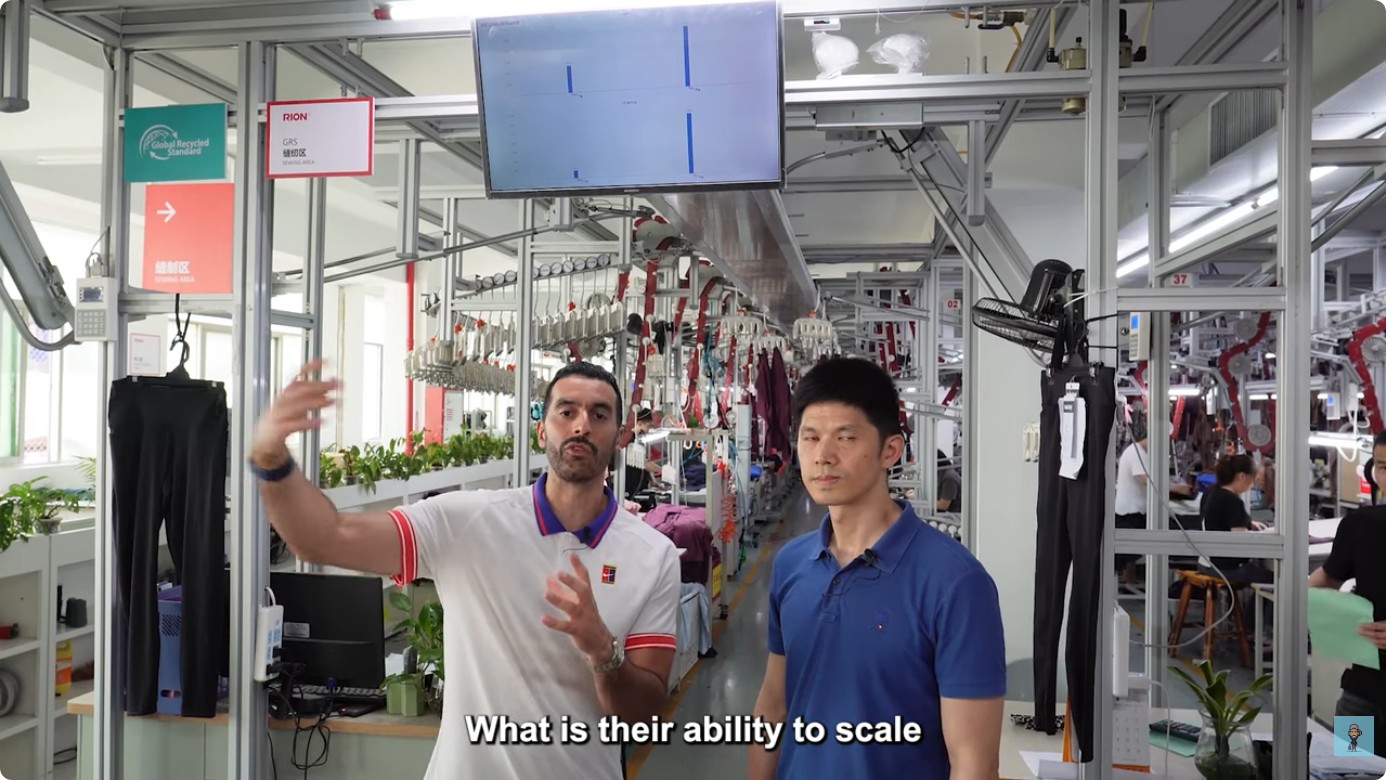
Production Note: Achieving consistent stretch recovery (the fabric’s ability to snap back) is a key quality control point. Poorly blended fabrics will bag out after minimal wear. When sourcing, ask for fabric swatches and request stretch recovery test data, referencing standards like ASTM D4964 for stretch properties.
2. Multi-Pocket Engineering
The “multi-pocket” element is not just about quantity; it’s about purposeful design. A typical configuration includes:
- Two large side slash pockets: Often with reinforced openings, these are the primary hand-warmer/storage pockets.
- Two rear patch pockets: Usually with flaps and secure closures (snap, Velcro, or button).
- Thigh-mounted utility pockets: The signature cargo pocket, often with a flap. Placement and angle vary (vertical, diagonal, gusseted).
- Hidden or interior pockets: For secure storage of phones, wallets, or tools, sometimes lined with mesh or fleece.
For custom manufacturing, pocket placement, size, flap style, and closure type are all customizable variables. A fashion brand may prefer minimal, clean flaps; a tactical buyer needs heavy-duty Velcro® and reinforced stitching.
3. Durability Through Fabric & Construction
Durability is a system, not a fabric label. It involves:
- Fabric Weight & Blend: A common baseline is 280-320 GSM (grams per square meter) in a cotton/polyester/spandex blend (e.g., 60/35/5 or 65/32/3). Polyester adds abrasion resistance and quick-dry properties; cotton provides comfort and odor resistance; spandex provides stretch. Heavier weights (350+ GSM) are for extreme duty.
- Weave & Finish: A ripstop weave (with reinforced cross-yarns) dramatically increases tear resistance. A DWR (Durable Water Repellent) finish adds light weather protection.
- Construction Details: This is where cost versus longevity trade-offs appear. Key durability features include:
- Double-stitched or triple-stitched seams in high-stress areas (crotch, knees, pocket corners).
- Bartack stitching (a tight, reinforced series of stitches) at all pocket openings and belt loops.
- Reinforced knee patches (optional but common for tactical/athletic use).
- YKK® or equivalent heavy-duty zippers and hardware.
Who Buys This Style & In What Contexts?
The versatility of this pant is its greatest selling point, but it means your target customer varies widely. Your customization choices should reflect your specific buyer’s primary use case.
| Primary Buyer Type | Key Use Context | Prioritized Customization Levers |
|---|---|---|
| Streetwear Brands | Fashion statement, urban utility, all-day comfort. | Silhouette (slim, relaxed), colorways (including garment dyes), minimal branding, pocket design aesthetics over extreme function. |
| Gyms / Fitness Brands | Training, weightlifting, functional fitness. Must withstand repeated flexion and abrasion from equipment. | Fabric hand (soft vs. technical feel), 4-way stretch performance, secure inner pockets for phones, gusseted crotch for mobility, moisture-wicking treatment. |
| Tactical / Workwear | Security, construction, warehouse, field services. Tool carrying, kneeling, all-weather durability. | Fabric weight & ripstop, reinforced knee options, heavy-duty hardware, multiple secure pocket closures (hook-and-loop, snaps), optional kneepad insertion pockets. |
| Corporate/Team Apparel | Staff uniforms for mobile roles (techs, sales reps, event staff). Brand representation with function. | Professional yet functional aesthetic, easy-care finishes, prominent logo placement areas (thigh, back pocket, hip), consistent color matching for team identity. |
The Custom Manufacturing Pathway: From Specification to Sample
For a B2B buyer, moving from a concept to a production-ready custom cargo pant involves navigating several decision points. Here’s a practical breakdown.
Step 1: Fabric Selection – The Foundation of Performance
You don’t have to start from scratch. Most OEM/ODM factories will have a library of pre-developed fabric swatches that meet their durability and stretch criteria. Your job is to select the base that aligns with your price point and performance needs.
- Standard Performance Blend (Most Common): 65% Polyester / 32% Cotton / 3% Spandex. A balanced, cost-effective all-rounder. Good for streetwear and general fitness.
- Heavy-Duty Blend: 60% Polyester / 35% Cotton / 5% Spandex, often in a ripstop weave. Higher GSM, more abrasion-resistant. For tactical and heavy-use workwear.
- Technical/Quick-Dry Focus: 90% Polyester / 10% Spandex. Lighter hand, excellent moisture management, faster drying. Ideal for high-intensity gym wear.
- Eco-Conscious Options: Blends incorporating recycled polyester (rPET) or organic cotton. These carry a premium but are increasingly important for brand positioning. Verify certification claims (e.g., GRS, GOTS) with your manufacturer.
Trade-off Alert: Increasing spandex percentage boosts stretch but can reduce durability and increase cost. A 3% blend is standard; 5% is very stretchy but may not recover as well or last as long under heavy abrasion. Request fabric sample kits and subject them to your own tests (stretch, wash, abrasion).
Helpful tip: The Short Sleeve Jacket Hoodie: A Sourcing Guide for Brands & Buyers
Step 2: Fit & Pattern Engineering
You can choose from the factory’s standard “block” (their base pattern) or provide your own tech pack and pattern for a unique fit. This is a major customization lever.
- Using the Factory’s Block: Faster, lower MOQ (Minimum Order Quantity), less expensive. You select from their available size runs (e.g., XS-4XL) and may request minor modifications (e.g., +1″ thigh circumference).
- Providing Your Own Pattern: For a proprietary, brand-specific fit. Requires a detailed tech pack with measurements, construction notes, and callouts. Higher cost, longer lead time for pattern making and fitting sessions, and often a higher MOQ.
Practical Tip: For a first order, starting with a factory’s well-established block is lower risk. Once you establish a relationship and volume, migrating to your own pattern is more feasible.
Step 3: Pocket & Functional Design Details
This is where you translate “multi-pocket” into specific instructions. Be precise.
- Pocket type: slash, patch, welt, bellows.
- Closure: no closure, Velcro® (specify hook/loop or hook-and-loop), snap (plastic/metal), zipper.
- Placement: exact distance from side seam, waistband, or knee.
- Reinforcements: bar-tack locations, pocketing fabric (same as shell or lighter weight?).
- Interior features: hidden zip pockets, mesh dividers, phone sleeves.
For ODM services, the factory may have their own functional pocket systems you can adopt and brand as your own, saving you design time.
Step 4: Branding & Finishing
This is the final layer of customization.
- Labeling: Custom woven/printed neck tape, care labels, brand hangtags. You can often choose between a discreet inner label or a prominent outer label.
- Decoration:
- Screen Printing: Best for large, bold logos. Cost-effective for high volumes.
- Embroidery: Premium look for logos on chest, thigh, or back pocket. Can be stiff; consider placement on stretch fabrics.
- Heat Transfer / Vinyl: Good for multi-color, detailed designs. Durability varies.
- Label Patches: Woven or leather patches sewn onto pocket or waistband.
- Finishing: Garment wash (softens fabric, gives worn-in look), enzyme wash, garment dye. These processes add cost but significantly impact hand feel and aesthetic.
Sourcing Decision Framework: What to Look For in a Manufacturer
Not all factories are equal in producing this complex style. Use this checklist when vetting partners.
Supplier Vetting Checklist
- Specialization: Do they showcase similar cargo pants/track pants in their portfolio? Ask for physical samples of their best comparable product.
- Fabric Sourcing: Can they provide detailed fabric specs (composition, GSM, weave, stretch %) and test reports? Do they have relationships with reputable textile mills?
- Construction Capability: Can they demonstrate the specific bar-tack, pocket, and seam finishes you require? Inspect sample stitching carefully.
- MOQ Alignment: Does their minimum order quantity (MOQ) for this style match your business needs? (Standard MOQs can range from 300-1000 units per style/color).
- Quality Control Process: What are their in-line and final inspection protocols? Who bears the cost of quality failures?
- Communication & Sampling: Is their English (or your language) proficient for technical discussions? What is the cost and timeline for a pre-production sample?
Common Buyer Questions & Final Considerations
Can I get a small MOQ for a custom style?
Yes, but expect a higher per-unit cost. Factories incur setup costs (pattern making, fabric cutting bed setup, sample approval). Look for manufacturers who specialize in “small batch” or “flexible MOQ” production, often found in regions with more agile, smaller-scale facilities. Be prepared to pay a premium for this flexibility.
What’s the biggest cost driver in this style?
It’s a combination: Fabric choice (recycled, performance finishes, heavier weights cost more), number and complexity of pockets (each pocket is cut, sewn, and finished), and decoration method and placement (embroidery is more expensive per sq. inch than screen printing). Simplifying pocket design or opting for standard fabric can significantly control costs.
How important is garment washing?
For consumer-facing brands, extremely. A garment wash (even a simple silicon wash) dramatically improves the initial hand feel, reduces shrinkage, and can create a desirable aesthetic. For corporate/workwear, a durable press finish might be preferred for a crisp, low-iron look. Specify this clearly.

Finally, remember that the “perfect” cargo pant is a series of balanced trade-offs between cost, durability, stretch, and style. Be clear on your primary use case and non-negotiable features before entering negotiations.
We manufacture all the styles discussed in this guide — with custom labels, fabric options, and print or embroidery finishing. Tell us what you need.