
When a buyer or brand owner searches for “companies like L.L.Bean,” they’re often not just looking for a retail competitor. They’re searching for a blueprint. L.L.Bean represents a specific, enduring archetype in American apparel: rugged, timeless, functional, and built to last. Their signature items—the Bean Boot, the Norwegian Sweater, the hardy cotton canvas tote—are cultural touchstones. For businesses in the activewear and custom apparel space, this presents a clear opportunity and a set of technical challenges. How do you capture that essence of durable, classic utility in your own product line? More importantly, how do you translate that DNA into a scalable, customizable manufacturing process for your brand?
This article moves beyond a simple brand comparison. We will dissect the core product characteristics that define the L.L.Bean aesthetic and functionality. Then, we’ll provide a practical framework for sourcing and manufacturing similar-quality custom apparel, covering fabric selection, construction techniques, and the critical specifications you must communicate to your factory to achieve that legendary durability.
Defining the ‘L.L.Bean Product DNA’: More Than Just a Name
L.L.Bean’s reputation is built on a specific set of product attributes that have remained consistent for over a century. To source similar products, you must first understand these tangible, manufacturable features. It’s not about copying a logo; it’s about specifying materials and methods that deliver a specific performance and feel.
The Pillars of Their Iconic Apparel
Three core principles consistently appear across their most famous products:
- Uncompromising Material Quality: Heavyweight, often naturally-sourced fabrics like thick cotton canvas, rugged wool, and brushed cotton fleece. The weight (measured in GSM – grams per square meter) is a key differentiator. A L.L.Bean tote isn’t a lightweight nylon; it’s a dense, tightly woven cotton canvas, typically in the 18-24 oz range.
- Functional, Minimalist Design: Design is driven by utility. Think reinforced stress points, practical pocket placements, simple hardware (like brass zippers or snaps), and a lack of fleeting fashion embellishments. The aesthetic is clean, honest, and devoid of unnecessary branding on the product itself.
- Overbuilt Construction: Techniques like double-stitched seams, bar-tacking at high-stress areas (where seams converge), and robust seam finishes (like a flat-felled seam) are standard. The product is engineered to withstand hard use, which directly translates to higher production costs but legendary customer loyalty.
Quick Orientation: Translating DNA to Production
To source “L.L.Bean-style” apparel, you’ll need to specify:
- Fabric Specifications: Weight (GSM), composition (e.g., 100% cotton), weave (e.g., canvas, herringbone), and finishes (e.g., pre-washed for softness, durable water repellent – DWR).
- Construction Details: Stitch type (e.g., 5-thread overlock for activewear, 401 chainstitch for heavy seams), seam type, and specific reinforcement methods.
- Hardware & Trim: Zipper brand/quality (e.g., YKK), button type (e.g., metal horn button), and any specialty labels or patches.
- Fit & Feel Target: Reference samples or detailed tech packs describing the intended silhouette and hand-feel (e.g., “structured but not stiff,” “pre-shrunk to fit after wash”).
Manufacturing Translation: From Iconic Product to Custom Spec Sheet
For a factory, “make it like L.L.Bean” is not an instruction. It’s a series of precise, quantifiable specifications. Your role as the buyer is to provide these in a clear tech pack. Here’s how their classic items break down into manufacturable components.
Case Study: The Heavyweight Cotton Hoodie
L.L.Bean’s famous “Boat Shoes” might be their icon, but their heavyweight hoodies are a staple of their utility line. To replicate that feel:
- Fabric: You’d specify a brushed fleece, likely 280-320 GSM, 100% cotton or a cotton/polyester blend (e.g., 80/20) for added shape retention. The brushing on the inside (nap) is critical for warmth and softness. You would reference a fabric mill’s sample, not just a generic description.
- Knitting/Weave: A tight, consistent loop formation on the knitting machine to prevent snagging and ensure even weight.
- Construction: A cover-seamed or flat-felled neckline and shoulder seams for lay-flat comfort and durability. Double-layered hood with a separate, integrated lining. Reinforced cuffs and waistband with a 2×2 rib knit.
- Finishing: Pre-shrunk (sanforized) fabric to minimize post-wash shrinkage. A specific wash treatment (e.g., garment-dyed or enzyme-washed) to achieve a particular softness and color depth without compromising fiber strength.
Example for a Gym Brand: A fitness brand wanting a premium hoodie for their members might start with the above specs but ask for a more athletic, tapered fit (requiring a different pattern), moisture-wicking yarns blended in (e.g., 65/35 cotton/poly), and subtle reflective taping on the seams for visibility during outdoor runs. The base is the same durability principle, but the execution is tailored to a specific use case.
Case Study: The Rugged Canvas Tote
The L.L.Bean “Boat Tote” is a masterclass in simple, functional design. Key specs for a custom version:
- Fabric: 22 oz. 100% cotton canvas, tightly woven. You must specify the yarn count (e.g., 10s/2) which determines the fabric’s density and feel.
- Construction: Double-stitched seams with a 401 chainstitch or a heavy-duty lockstitch. Bar-tacks at all stress points: handle attachments, pocket corners, and the bottom seam.
- Hardware: Solid brass or heavy-duty metal snaps (not plastic). Leather or heavy canvas for handle straps, riveted where they attach to the bag body.
- Finishing: Stone-washing or enzyme-washing to soften the initial stiffness of the canvas without breaking down the fibers. A specific colorfastness standard, like AATCC 61 for color fastness to laundering, should be required in your quality checklist.
Customization Pathways: OEM vs. ODM for Classic Styles
This is the core decision for any buyer. Do you want a factory to make your exact design (OEM), or do you want to adapt an existing factory design (ODM)? Both can lead to a “L.L.Bean-style” product.
| Pathway | What It Means | Best For… | Considerations |
|---|---|---|---|
| OEM (Original Equipment Manufacturer) | You provide a complete, detailed tech pack (design, specs, materials). Factory produces exactly to your specs. | Established brands with clear design vision, proprietary fabric needs, or specific fit models. | Higher MOQs (often 500-1000 units/style). Requires more upfront development cost and expertise in spec writing. You bear full responsibility for design feasibility. |
| ODM (Original Design Manufacturer) | You select from the factory’s existing catalog of proven designs (e.g., a “heavyweight crewneck hoodie” pattern). You can request minor modifications: color, fabric weight, label, logo placement. | Startups, brands entering a new category, or buyers needing faster time-to-market with lower risk. | Design uniqueness is limited. You are sharing the pattern with other brands. MOQs can be lower (sometimes 100-300 units/style). Development cost is minimal. |
Practical Tip: For a classic style like a chore jacket or a utility vest, starting with an ODM model is a low-risk way to gauge market response. If your version sells well, you can later invest in an OEM version with exclusive patterns and fabric partnerships.
The Sourcing Checklist: What to Verify Before You Commit
Whether you’re evaluating a factory’s ODM catalog or commissioning an OEM run, use this practical checklist during your due diligence.
- Request Physical Fabric Swatches & Finished Samples: Never rely on photos or generic descriptions. Feel the fabric weight. Check the stitch density (stitches per inch). Scratch test for pilling resistance.
- Ask for Their Standard Testing Protocols: A reputable factory should conduct in-house or third-party testing for key metrics: shrinkage (ASTM D3774), colorfastness (AATCC 61), seam strength (ASTM D1683), and fabric weight consistency. Ask for their test reports.
- Visit or Audit (Virtually or In-Person):strong> See their production line. Are they using appropriate heavy-duty sewing machines for canvas? Is there a dedicated bar-tacking station? Look at the organization and cleanliness—it correlates with consistency.
- Clarify the Entire Cost Structure: Get a detailed BOM (Bill of Materials). Ensure it lists exact fabric GSM, yarn count, and Origins. Confirm if hardware (zippers, buttons) is standard or a premium upgrade. Understand all tooling costs (pattern making, screen printing plates for logos).
- Define Your Quality Standard: Use the AQL (Acceptable Quality Level) standard. For premium, durable goods, you might specify AQL 1.0 for major defects and 2.5 for minor defects. This is non-negotiable for a L.L.Bean-level product.
- Pilot Run Strategy: Always, without exception, order a pilot run (often called a “sample order” or “first article”). This is your only chance to catch fit issues, construction flaws, or fabric inconsistencies before a full production run. Budget for this as a mandatory R&D cost.
Navigating Trade-offs: Cost, Lead Time, and Flexibility
Pursuing this level of quality and durability has direct implications for your business model.
- Higher Cost, Higher Perceived Value: A 24 oz. canvas tote will cost significantly more to produce than a 12 oz. nylon ripstop. This is a conscious trade-off. Your retail price must reflect this, but your product’s lifespan and brand reputation will justify it to the right customer.
- Longer Lead Times for Special Finishes: A specific garment wash or a custom fabric weave from a particular mill will extend your lead time by 4-8 weeks. Plan your inventory accordingly.
- MOQs vs. Flexibility: The pursuit of heavyweight, specialized fabrics often comes with minimum order quantities from the textile mill. This pushes your factory’s MOQ higher. An ODM path on a standard heavyweight fabric can offer a lower MOQ compromise.
- The Sustainability Angle: Durability is the ultimate form of sustainability. A product that lasts 10 years has a far lower environmental impact than a “eco-friendly” product that lasts one season. This is a powerful marketing narrative that aligns perfectly with the “buy once, cry once” ethos of brands like L.L.Bean. Factories can often provide information on fabric mill certifications (like OEKO-TEX Standard 100 for harmful substances) to support this claim.
Common Questions From Buyers & Brands
What’s the minimum order quantity (MOQ) for heavyweight custom apparel?
MOQs vary drastically by factory and product. For OEM with custom fabric, expect 500-1000 units per style. For ODM using a factory’s standard heavyweight fabric, MOQs can drop to 100-300 units. The key driver is the fabric mill’s own minimums. Be prepared to discuss your budget and timeline openly; a good factory will help you find the most cost-effective path.
How do I communicate fit if I don’t have an existing pattern?
Provide detailed measurements for a key sample (P2M – Point to Measure) from a garment you own that has the fit you desire (chest, body length, sleeve length, etc.). Specify the intended wearer’s build (e.g., “for a relaxed fit for men 5’10”, 190 lbs”). For critical items, consider hiring a freelance pattern maker to develop a basic fit block you can provide to the factory. This upfront cost saves massive headaches later.
Can I get a L.L.Bean-style warranty or guarantee?
You can build a strong warranty into your product’s design and messaging (e.g., “Satisfaction Guarantee” or “Lifetime Repair Program”), but you cannot outsource the liability to your manufacturer. The guarantee is your brand’s promise to the end customer. The way you fulfill it is by manufacturing to the highest possible standard from the start. This is where your rigorous quality checklist and sample approval process pay off, minimizing defects and returns.
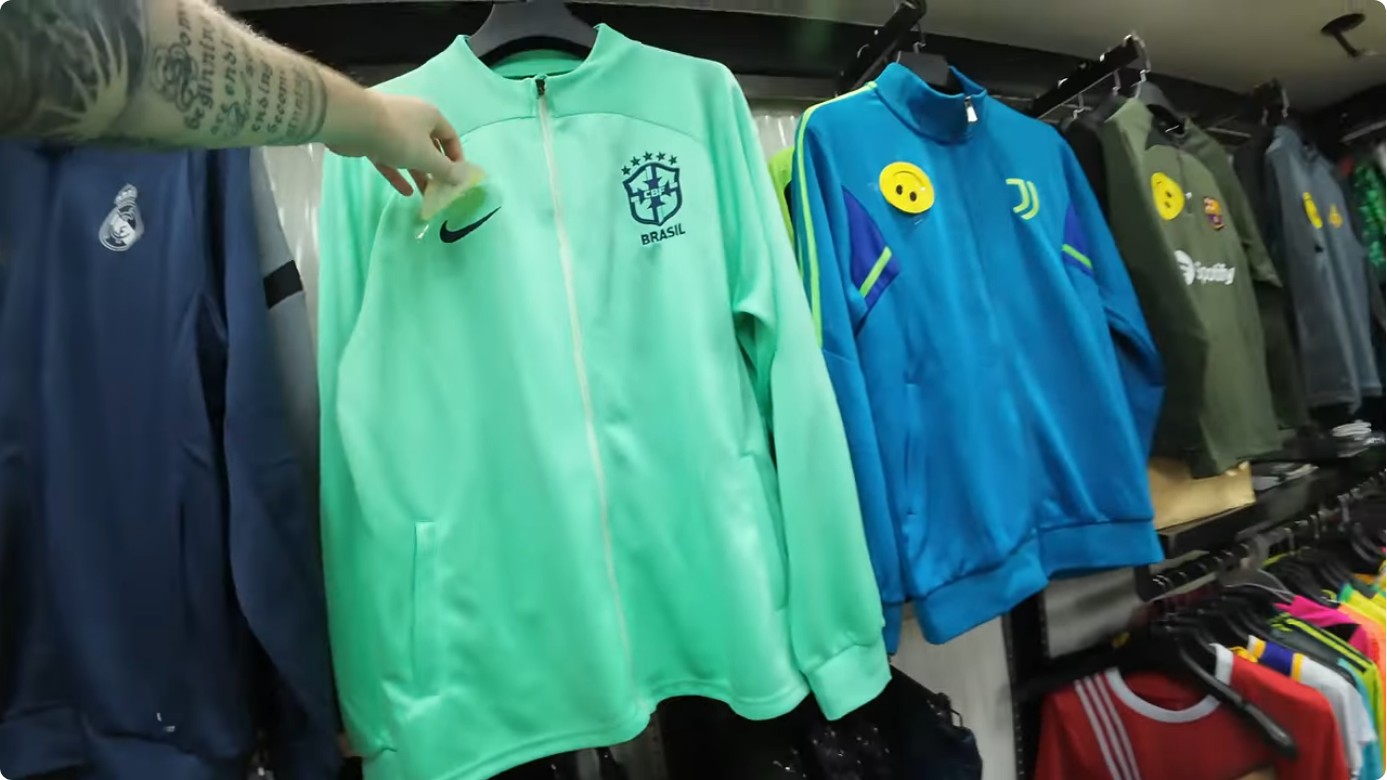
Whether you’re a startup brand or an established retailer, we manufacture custom sportswear at competitive MOQs. Reach out to start your project.