
For brands, teams, and retailers, the humble t-shirt is rarely a one-size-fits-all proposition. The style you choose isn’t just an aesthetic decision; it’s a foundational element that dictates production complexity, cost, fit satisfaction, and ultimately, how your custom apparel performs in the market. Whether you’re sourcing for a high-intensity gym, a streetwear label, or a corporate event, understanding the nuanced differences between t-shirt styles is critical to communicating your vision to a manufacturer and achieving the right final product.
This guide breaks down the key style variables—from silhouette and fabric to construction details—from the perspective of a custom sportswear buyer. We’ll move beyond basic descriptions to explore the production implications, sourcing trade-offs, and customization potential for each style category.
What Matters Most When Sourcing Custom T-Shirts
Before diving into specific styles, step back. Three core decisions will frame your entire project and guide your style selection:
- Intended Use & User: Is this for athletic performance, casual streetwear, workwear, or a uniform? The primary activity dictates fabric technology, fit, and durability needs.
- Target Market Fit: Who is the end consumer? Their regional preferences (e.g., looser fits in North America vs. slimmer in Asia), age demographic, and price sensitivity will inform your style choices.
- Brand Identity: Does the style align with your brand’s ethos? A sustainable yoga brand will prioritize organic fabrics and relaxed fits, while a hardcore fitness brand will focus on technical performance and athletic cuts.
These factors are interconnected. A misalignment here can lead to high minimum order quantities (MOQs) for the wrong fabric or a fit that your customers reject. Always validate your style choices with a fit sample before committing to full production, especially when working with a new OEM partner.
The Anatomy of Style: Key Variables
“T-shirt style” is an umbrella term. To specify what you need, you must define several independent variables. Think of it as a matrix: you select a Fit, a Neckline, a Fabric, and Construction details. The combination creates the final style.
1. Fit & Silhouette
Fit is the most impactful variable for wearability and perceived value. It’s also where cultural and regional trends vary significantly.
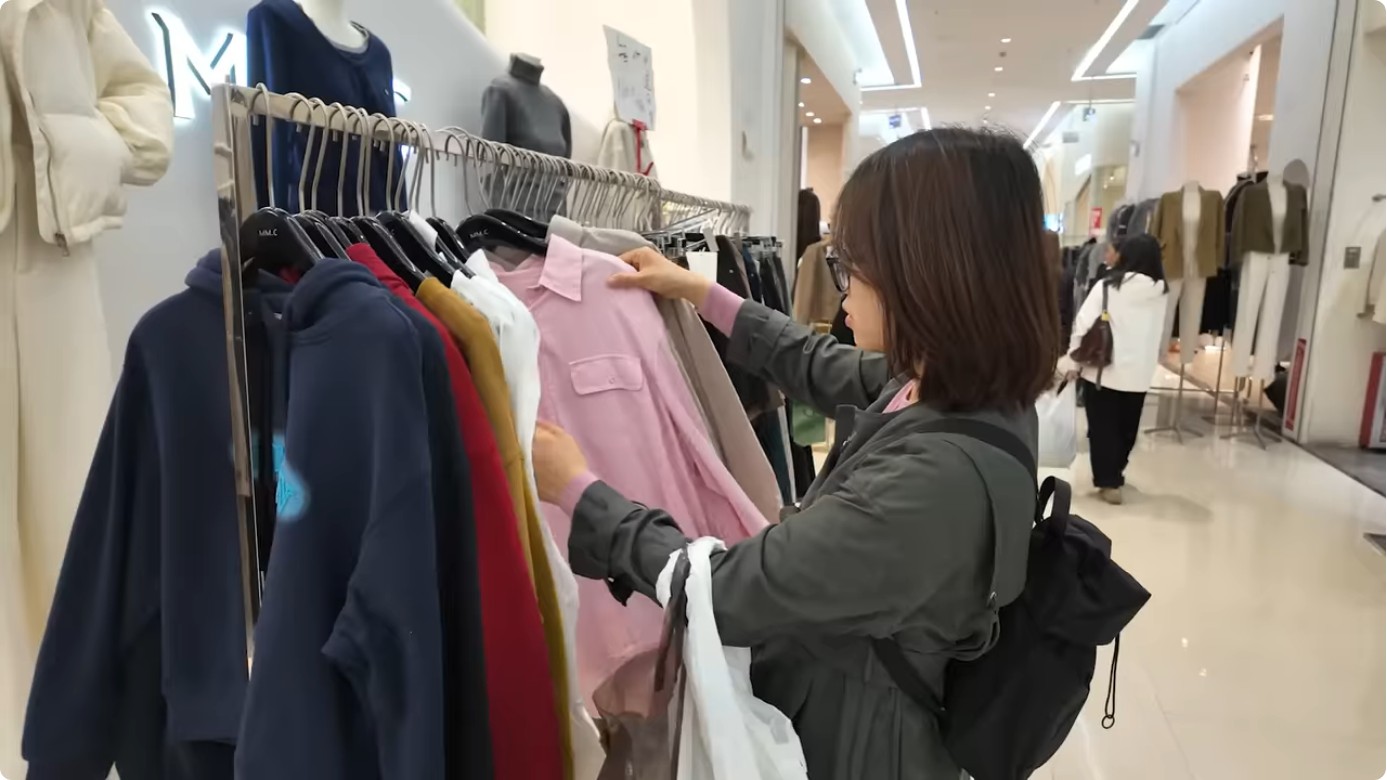
- Regular/Classic Fit: The standard, forgiving cut with moderate room through the chest, waist, and sleeves. It’s the safest, most versatile option for broad audiences, team uniforms, and basic promotional wear. Production Note: Generally has the lowest MOQs and simplest construction, making it cost-effective for first-time buyers.
- Slim Fit: Tapered through the torso and arms with a narrower shoulder. This is the dominant style in contemporary men’s and women’s fashion. Key Consideration: Requires precise pattern making. A poor slim fit feels constricting, not stylish. Always request a graded size run sample to check consistency from S to XL.
- Relaxed/Oversized Fit: Intentionally loose, with dropped shoulders and longer hemlines. A staple in streetwear and youth-oriented brands. Sourcing Implication: Uses more fabric per garment, increasing cost per unit. However, the style’s popularity can support a higher retail price point.
- Athletic/Tailored Fit: Designed for movement. It’s body-hugging but uses stretch fabrics and strategic seam placement (like raglan sleeves) to allow range of motion. This is non-negotiable for performance brands. Fabric Requirement: Almost always requires a knit with stretch (e.g., Lycra® or elastane content).
| Fit Style | Primary Use Case | Fabric Preference | Cost & MOQ Note |
|---|---|---|---|
| Regular/Classic | Corporate, teams, basic retail | 100% Cotton, blends | Lowest MOQ, lowest fabric cost |
| Slim | Fashion, contemporary brands | Cotton, lightweight combed cotton | Standard MOQ; precision cutting can add cost |
| Relaxed/Oversized | Streetwear, youth market | Mid-weight cotton, fleece | Higher fabric cost per unit; MOQ similar to regular |
| Athletic/Tailored | Gym, running, sports | Performance knits (polyester/spandex) | Higher fabric cost; may have higher MOQ for technical fabrics |
2. Neckline (Collar)
The neckline defines the t-shirt’s character and is a prime location for customization.
- Crewneck: The round, classic neckline. Universally popular. Customization is often done with a printed or embroidered logo on the chest or sleeve. Construction Note: The ribbed neckband is a wear point. Specify the rib content (cotton vs. polyester) and weight (e.g., 1×1 vs. 2×1 rib) for durability. A heavier rib lasts longer but is stiffer.
- V-Neck: A “V” shaped opening. Considered more flattering and modern. Design Tip: The depth of the “V” varies. Specify the drop length (e.g., 4-inch, 6-inch) from the base of the neck. A deep V is a fashion statement; a shallow V is subtle.
- Henley: A collarless shirt with a buttoned placket (usually 2-5 buttons). This style adds a manual, workwear-inspired detail. Manufacturing Complexity: The placket is an additional piece of fabric and sewing operation, increasing unit cost slightly.
- Polo (Tennis) Collar: A buttoned, folded collar. While not always classified as a “t-shirt,” it’s a common custom item. It bridges casual and smart-casual. Fabric Note: Typically made from piqué knit, which has a textured, breathable structure.
3. Fabric & Fabric Weight
This is where performance meets feel. The choice here is irreversible once production starts.
- 100% Cotton: The benchmark for comfort and breathability. It’s soft, dye-friendly, and familiar to consumers. Trade-off: Absorbs sweat, can shrink, and wrinkles. Weight (GSM): A 180 GSM jersey is lightweight and great for summer; a 220-240 GSM jersey is mid-weight and feels more premium and durable.
- Cotton-Polyester Blends (e.g., 60/40, 50/50): The workhorse blend. Offers better wrinkle resistance, reduced shrinkage, and faster drying than 100% cotton at a lower cost than full performance fabrics. Ideal for team uniforms and everyday wear.
- Performance Knits (100% Polyester or with Spandex): Engineered for moisture-wicking, quick-drying, and UV protection. Common in athletic wear. Sourcing Caution: The feel can be less soft than cotton initially. Look for brushed-back or ring-spun polyester versions to improve hand-feel. Always reference standards like ASTM for specific performance claims (e.g., moisture management).
- Sustainable & Specialty Fibers: Organic cotton, recycled polyester (rPET), Tencel™ lyocell, and bamboo blends. These cater to eco-conscious brands. Key Question for Your Manufacturer: Ask for certification documentation (e.g., GOTS for organic cotton, Textile Exchange standards for rPET). Supply chain transparency adds cost but is a valuable marketing point.
4. Construction & Detail
The devil is in the details that affect durability, comfort, and custom appearance.
- Sleeve Type:
- Set-in Sleeve: The standard, where the sleeve is sewn into a horizontal armhole seam. Creates a classic look.
- Raglan Sleeve: The sleeve extends in one piece from the collar to the underarm, creating a “Y” shaped seam. This allows greater arm mobility and is a signature of athletic and baseball-style tees.
- Hem:
- Double-Needle Hem: Two rows of stitching. More durable and less likely to ripple than a single-needle hem. The industry standard for quality.
- Split Hem / Curved Hem: A longer back hem or side slits. A fashion detail that affects pattern cutting and fabric usage.
- Seam Type: Overlock (serged) seams are standard. For high-stress areas or a cleaner inside finish, a “flatlock” seam lies flat and is softer against the skin but requires specialized machinery and increases cost.
- Labeling: Will you use a woven neck tape, a printed label, or a tagless heat transfer? This is a key customization touchpoint and affects comfort. Woven labels feel premium; printed labels are cost-effective and scratch-free.
From Specification to Sourcing: The Buyer’s Checklist
Armed with a style matrix, your next step is translating it into a manufacturer-ready specification. Use this checklist to avoid costly revisions.
- Provide Physical References: Send your manufacturer a sample of an existing t-shirt (from a competitor or a vintage piece) that embodies the fit, weight, and feel you want. This is more effective than adjectives.
- Specify Every Variable: Don’t just say “a slim-fit crewneck.” Specify:
- Fit type (e.g., “Slim fit, modeled after [Brand X] pattern code 123”)
- Fabric (e.g., “180 GSM, 100% organic cotton jersey, combed, ring-spun”)
- Neckband (e.g., “1×1 rib, 95% cotton / 5% elastane, 24 gauge”)
- Construction (e.g., “Double-needle hem, set-in sleeve, coverstitched collar”)
- Labeling (e.g., “Tear-away tag, custom woven neck tape starting at size S”)
- Ask About Their Capabilities: Does their factory specialize in lightweight fashion knits or heavy-duty activewear? A factory great for cotton basics may not be ideal for technical polyester.
- Clarify Customization Methods: Your style dictates the best decoration technique. A dense, all-over print works on a 100% cotton tee but may feel plasticky on a thin performance knit. Embroidery is best on medium to heavy fabrics. Discuss your logo design with them early to ensure compatibility.
- Discuss MOQs Realistically: Technical fabrics and complex styles (like all-over prints or special constructions) have higher MOQs. A factory’s standard 500-piece MOQ for a basic tee might jump to 1,500 for a performance style with a custom print. Be upfront about your volume expectations.
- Request a Pre-Production Sample (PP Sample): This is your final quality check. It must be made from your approved fabric, in your approved color (use a Pantone TCX or TPX code), and with your actual artwork. Fit model it on a person if possible.
Common Follow-Up Questions from Buyers
When narrowing down styles, buyers often have these key questions:
- “How much does changing from a regular to a slim fit add to the cost?”
Minimal direct cost—it’s a pattern change. The cost is in the potential increase in fit sample iterations and the risk of a poor grade if the factory’s pattern maker isn’t skilled. A bad fit leads to returns and brand damage, which is the real cost.
- “Can I mix different styles (e.g., crewnecks and v-necks) in one order to meet a total MOQ?”
Often yes, but it depends on the factory. Mixing styles can increase production complexity (different patterns, different neckbands). You may pay a “mix” surcharge or face a higher aggregate MOQ. Always negotiate this upfront.
- “What’s the biggest mistake brands make when choosing a style?”
Prioritizing a trendy silhouette over the comfort of their core customer. A trendy, stiff, heavy fabric on a “relaxed” cut will feel bulky and hot, not relaxed. The style must serve the user’s functional needs first.
Whether you’re a startup brand or an established retailer, we manufacture custom sportswear at competitive MOQs. Reach out to start your project.