
The Penn State Adidas jersey is more than just athletic apparel; it’s a cultural icon representing collegiate tradition, performance innovation, and brand partnership. For wholesale buyers, fashion entrepreneurs, sports teams, and retailers, this specific style serves as a powerful reference point—a proven design language that resonates with a dedicated fanbase and performance-driven audience. Whether you’re looking to replicate the authentic fan experience, create a licensed product (which requires separate agreements with both Penn State and Adidas), or develop an original design inspired by its aesthetic, understanding this jersey’s construction and your custom manufacturing options is the first step to a successful product line.
This guide breaks down the key elements of the Penn State Adidas jersey from a production standpoint. We’ll explore its defining features, the critical decisions you’ll face when adapting it for custom production, and the practical realities of bringing a jersey—or a style inspired by it—to market through OEM (Original Equipment Manufacturer) or ODM (Original Design Manufacturer) partnerships.
What Matters Most When Sourcing a Penn State Adidas Style
Before diving into fabrics and stitches, clarify your core objective. Your approach to a factory will change dramatically based on the answer to these questions:
- Authenticity vs. Inspiration: Do you need an exact replica (requiring official licensing from Penn State and Adidas) or are you creating an “inspired-by” piece that captures the vintage varsity look, color-blocking, or collar style without infringing on trademarks? This is the single most important decision, as it dictates your entire supply chain path.
- Primary Use Case: Is this for a competitive sports team (where moisture management and durability are non-negotiable), fan retail (where cost and feel are key), or a fashion collection (where unique cuts, fabric textures, and branding placement take priority)?
- Budget & Quantity: Your target price point and order volume will determine feasible fabric selections, trim quality, and decoration methods. High-performance technical fabrics have higher minimum order quantities (MOQs) than basic cotton.
Sit down with your team and define these parameters first. They form the creative and commercial brief you will give to your manufacturing partner.
Understanding the Original: Penn State Adidas Jersey Features
The collaboration between Penn State and Adidas, which began in the 2010s, produced jerseys known for blending traditional varsity aesthetics with modern athletic technology. To source a custom version, you must understand what makes the original distinctive.
Key Design & Construction Elements:
- Silhouette & Fit: Typically a classic athletic fit—slightly roomer than a compression shirt but more tailored than a loose streetwear top. It allows for layering over pads or wearing alone.
- Collar Style: Often a V-neck or crew neck with a contrasting rib-knit trim. The collar construction is a key visual identifier.
- Sleeve & Body Paneling: Uses color-blocking with contrasting sleeves or side panels. The seams and panel placements are engineered for movement.
- Fabric Technology: Adidas employed its AeroReady or Climalite moisture-wicking fabrics in the authentic versions—polyester or polyester/spandex blends designed to pull sweat away from the body. The fabric hand (feel) is smooth, lightweight, and slightly glossy.
- Trims & Logos: Official jerseys feature embroidered or high-density woven Penn State and Adidas logos. The stitching, label quality, and hangtags are part of the premium feel.
For a custom manufacturer, replicating these attributes is an exercise in specification. You’ll need to define the exact fabric weight (e.g., 150gsm vs. 180gsm), knit type (pique, mesh, plain weave), and collar rib width. The original’s magic is in the details, so reference images and physical samples are invaluable.
Customization Pathways: OEM vs. ODM for Jersey Production
This is the central manufacturing decision. Your factory will work in one of two primary models, and your choice depends on your development capacity and design clarity.
| Feature | OEM (Original Equipment Manufacturer) | ODM (Original Design Manufacturer) |
|---|---|---|
| What You Provide | Complete, finalized tech pack (specs, drawings, samples). You own the IP. | Concept, inspiration images, or basic requirements. Factory provides design proposals. |
| Factory’s Role | Precision production only. They execute your design exactly. | Full design & engineering. They create patterns, choose fabrics, and propose construction based on your brief. |
| Best For | Brands with in-house design teams, exact replicas of an existing style, or when you have a detailed vision. | Startups, buyers without design resources, or those wanting to leverage a factory’s expertise to create a unique take on a familiar style. |
| Cost & Timeline | Lower per-unit cost at high volumes, but higher upfront development cost (you made the samples). Faster if you have perfect specs. | Higher per-unit cost (you’re paying for design service), but lower risk and faster time-to-market if starting from scratch. ODM sample fees are often credited against bulk orders. |
| Control | Full creative control, but full responsibility for design flaws. | Shared control; you must approve factory designs. Relies on factory’s aesthetic and technical capability. |
Note: Many factories operate on a hybrid model, offering design support for an OEM project. Be explicit about what you need.
Key Specifications to Define for Your Custom Run
Whether using OEM or ODM, you must communicate these technical and aesthetic details clearly. Think of this as your shopping list for the factory.
Fabric & Performance
This is the foundation. Specify:
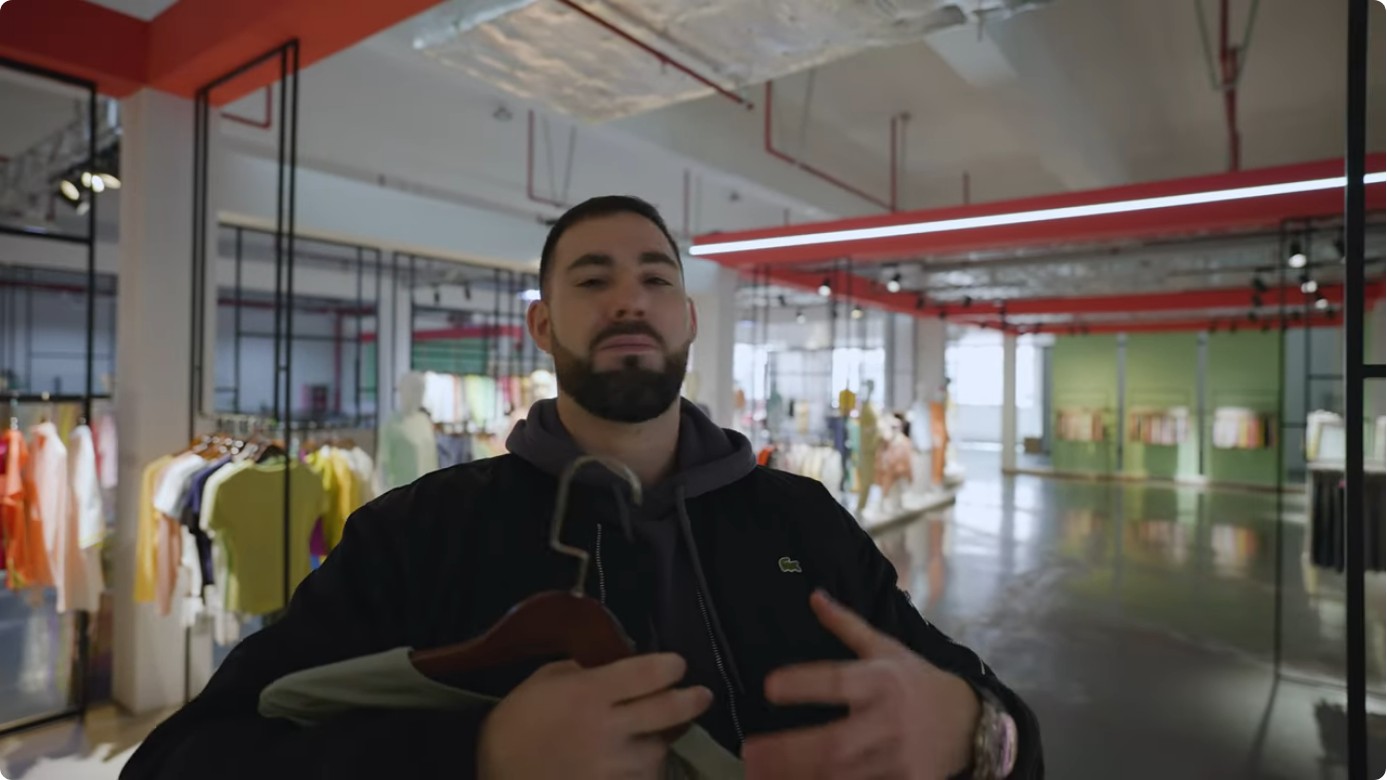
- Fabric Composition: 100% Polyester? Polyester/Spandex (e.g., 92/8)? Cotton/Poly blend? Each affects hand feel, drape, and performance.
- Weight (GSM): Grams per square meter. A fan replica might be 160gsm for a classic feel; a high-performance training jersey might be 130gsm for lightness.
- Knit/Weave: Pique (textured, classic polo look), mesh (max breathability), or plain weave (smooth).
- Finish: Brushed interior for softness? Anti-pilling treatment? UV protection? Standards from textile associations like AATCC can guide your requests.
Trims & Details
The devil is in the details. Specify:
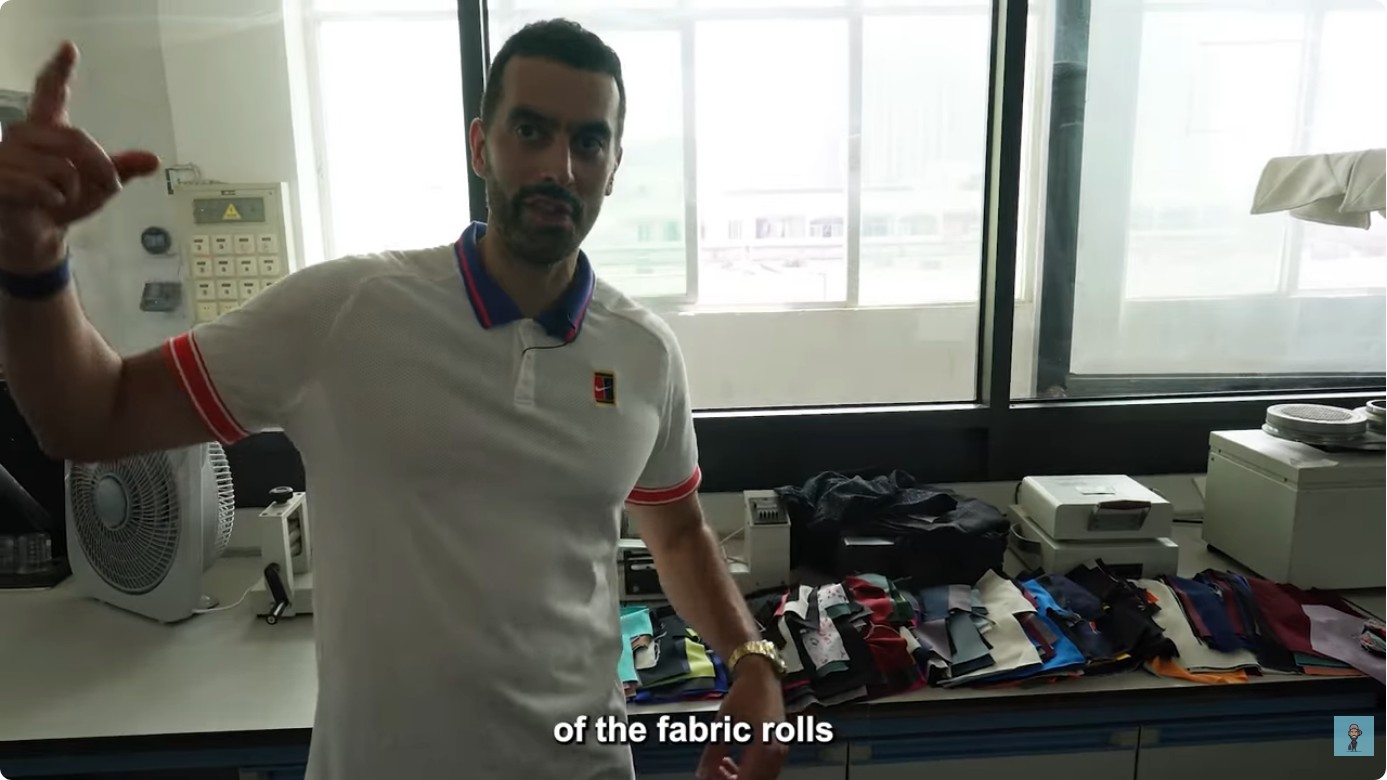
- Collar & Cuffs: Rib knit width, color contrast, and stitch type (flatlock, coverstitch).
- Labels: Woven, printed, or tearaway? Location (neck, side seam). Material (twill, satin).
- Zippers/Closures: If applicable, specify brand (YKK is a common high-quality standard) and length.
- Hem: Double-needle stitch for durability? With or without a V-slit?
Decoration (Logos, Numbers, Names)
This is where branding lives. Options include:
- Embroidery: Premium, durable, 3D effect. Best for wooly logos or small, detailed crests. Higher cost, can be stiff on lightweight fabrics.
- Heat Transfer Vinyl (HTV): Good for single-color designs. Can crack or peel over time if low-quality vinyl is used.
- Screen Printing: Ideal for large, bold designs and high volumes. Plastisol is standard; water-based feels softer.
- Sublimation: Dye sublimates into fabric for unlimited colors and a soft hand. Only works on 100% polyester light-colored fabrics. Perfect for all-over, complex designs.
Ask your factory for fabric samples decorated with your chosen method to test durability and feel before committing.
Also read: Does Recycled Cotton Shrink? A Guide for Sportswear Buyers & Brands
Production Realities: MOQs, Timelines, and Quality Control
This is where dreams meet logistics. A realistic plan prevents costly mistakes.
Minimum Order Quantities (MOQs): These vary wildly by fabric and trim. A basic jersey using stock fabrics might have an MOQ of 50-100 units. Custom-dyed, performance technical fabrics often have MOQs of 300-500 pieces or more. Always get the MOQ breakdown: “What is the MOQ if we use your in-stock navy poly vs. if we custom-dye to our specific Penn State blue?”
Production Timeline: From approved sample to bulk shipment, expect 4-8 weeks for a standard jersey. Complex all-over sublimation or heavy embroidery can extend this. Factor in 1-2 weeks for shipping from Asia (most major activewear factories are in China, Vietnam, Bangladesh, or Pakistan).
Quality Control Checklist: You or your agent must inspect. Use this list:
- Fabric: Color consistency (check against Pantone code), weight, hand feel (no stiffness or roughness), no holes or defects.
- Stitching: Stitch density (stitches per inch—higher is generally better), no loose threads, straight seams.
- Decoration: Logo placement accuracy, thread tension (no puckering), color match to brand guide.
- Fit & Measurements: Measure sample and a few bulk pieces against your spec sheet. Check chest, length, sleeve.
- Finishing: All tags and labels present and correct, no stray threads, clean ironing/packaging.
Consider hiring a third-party inspection company (like SGS or Intertek) for large orders. The cost of an inspection is minimal compared to a rejected shipment.
Who Typically Sources These Styles and Why
The appeal of the Penn State Adidas jersey template crosses market segments. Here’s how different buyers use it:
- Sports Teams & Clubs: Need durable, team-colored jerseys with player numbers. They prioritize performance fabrics, exact color matching to team identity, and clear number/name application. Often order 20-50 sets per season.
- Collegiate & Alumni Groups: Want a “game-day” feel for fan events or club sports. They look for traditional styling (like the V-neck) and official-looking logos, often at a more accessible price point than licensed goods.
- Fashion Brands & Streetwear Labels: Use the varsity jersey silhouette as a canvas. They might play with fabric (e.g., terry cloth, corduroy), oversized fits, abstract color blocking, or abstracted logo treatments. Their focus is on unique aesthetic and brand story, not necessarily athletic performance.
- Corporate & Event Apparel: For company sports days, team-building events, or themed conferences. They need a cohesive, sporty look with company logos, often in moderate quantities (50-200).
Your use case will dictate every prior specification. A fashion brand can use a heavier, slubby cotton blend; a competitive soccer team cannot.
Questions to Ask Your Manufacturer
Vetting a factory is crucial. Here’s a practical checklist:
- Experience: “Can you show me examples of athletic jerseys you’ve produced, especially with color-blocking or embroidery?” Ask for client references if possible.
- Fabric Sourcing: “Do you work with technical fabric suppliers like Hyosung, Nilit, or similar? Can you provide fabric swatches with performance certifications?”
- Sample Process: “What is the cost and lead time for a pre-production sample (PP sample)? How many revision rounds are included?” Always approve a PP sample before bulk production.
- Quality Standards: “What in-house QC checks do you perform? Do you have ISO 9001 or similar certification?”
- Licensing Awareness: “If I provide a design inspired by a college team, can you advise on avoiding trademarked elements like specific logo fonts or color combinations?” (A reputable factory will caution you on IP risks).
- Logistics: “What are your standard Incoterms? Do you handle freight forwarding, or should I work with my own forwarder?”
Ready to Create Your Custom Version?
Whether you’re a team manager needing 50 performance jerseys or a brand founder developing a 500-piece capsule collection, the path starts with a clear specification. The Penn State Adidas jersey offers a timeless blueprint—its success is a testament to the power of considered design and functional fabric. Your job is to decode that blueprint and translate it into a product that meets your budget, performance needs, and brand identity.
Planning to add these styles to your collection? We produce custom versions with your branding, fabric choice, and sizing — from sample to bulk. Contact our team for details.
Have a specific question about fabric weights, decoration methods, or navigating OEM vs. ODM for your next jersey project? Our specialists can walk you through the options based on your unique goals.