
When we discuss corsets in a modern manufacturing context, we’re not just talking about historical undergarments. Today, the term encompasses a diverse range of structured garments used in fashion, performance, athletic support, and specialized workwear. For brands and buyers, understanding the distinct styles of corsets is the first step toward sourcing a product that aligns with your market’s needs—whether that’s for a high-fashion streetwear line, a dancewear collection, a post-surgical support brand, or a premium activewear capsule. This guide breaks down the key styles, their construction, and the critical specifications you must communicate to a factory to achieve the desired fit, function, and quality at scale.
From a production standpoint, each corset style presents different challenges in patterning, material selection, boning placement, and closure systems. A factory’s expertise with these variables directly impacts the final product’s durability, comfort, and aesthetic. Your role as a buyer is to define the end-use clearly, which allows your manufacturing partner to recommend the appropriate style and construction method.
Core Corset Styles and Their Applications
Corset styles are primarily defined by their length (which dictates torso coverage) and their structural intent (fashion vs. function). The choice of style fundamentally shapes the garment’s purpose, the wearer’s experience, and the manufacturing process. Below is a breakdown of the most common styles you will source.
Underbust Corsets
The underbust corset is the most versatile and widely produced style for contemporary apparel. It begins just below the bustline and extends down to the hips or waist, providing compression and shaping to the midsection while leaving the bust free. This style is a staple in fashion (often layered over shirts or dresses), costume design, and increasingly in performance wear like dance or cardio fitness where upper body mobility is key. Its modular nature makes it a popular choice for custom branding, as it can be paired with different tops.
Overbust Corsets
As the name implies, the overbust corset provides full torso coverage, incorporating a built-in bust panel or cups. This style offers more dramatic shaping and support for the bust and upper torso. It is common in formal wear, couture, gothic fashion, and some forms of theatrical costume. From a manufacturing perspective, overbust corsets require more complex patterning to accommodate bust curvature and often involve additional lining and closure considerations at the front or back.
Waist Cinchers & Belts
These are shorter, narrower garments focused exclusively on the waist. They provide less overall torso coverage but offer strong compression in a limited area. Waist cinchers are hugely popular in athleisure and shapewear, worn as a top layer over workout clothes or as a standalone piece. Their shorter length simplifies patterning but places greater emphasis on precise fit at the waistline and secure, comfortable closures. They are often produced with performance stretch fabrics and flexible boning.
Longline Corsets
Longline styles extend further down the hips, often to the upper thigh, providing shaping and support over a larger surface area. This distributes pressure more evenly, which can be more comfortable for all-day wear. They are favored in bridal wear, historical costuming, and high-end fashion where a smooth, uninterrupted silhouette is desired. Manufacturing longline corsets requires careful grading of patterns to ensure the hip and thigh areas do not restrict movement excessively.
Corselettes & Girdles
These are full-body shaping garments that extend from the bust or shoulders down to the hips or thighs, sometimes with leg openings. While distinct from a traditional corset, the construction principles overlap. In activewear and shapewear, modern versions are made with powernet and elastic, prioritizing stretch and recovery over rigid boning. They represent a significant category for brands in the post-partum and fitness support markets.
Material & Construction: The Heart of Sourcing Specifications
Two corsets labeled as “underbust” can perform and feel completely different based on their materials and internal structure. As a buyer, you must specify these elements to control cost, quality, and performance.
Outer & Lining Fabrics
The choice of fabric dictates the garment’s look, feel, and care requirements. Common options include:
- Fashion Fabrics: Satin, silk, brocade, lace, leather, or printed cotton. These prioritize aesthetics and are common in dressy or alternative fashion corsets. MOQs may be higher for special fabrics.
- Performance Fabrics: Stretch cotton/spandex blends, powernet, moisture-wicking polyester, or compression-specific knits. These are essential for activewear, shapewear, and dancewear. You should reference standards like ASTM D6798 for stretch properties when specifying to a factory.
- Structural Fabrics: Heavyweight cotton drill, coutil (a tightly woven cotton), or canvas. These non-stretch fabrics form the core of a traditional corset, providing a stable base for boning.
Key decision: For custom sportswear integration, performance fabrics with 4-way stretch are often required. Confirm the fabric’s recovery percentage and abrasion resistance with your manufacturer.
Boning: The Framework of Support
Boning creates the rigid structure. The type, material, and placement are the most critical quality determinants.
- Steel Boning: The gold standard for serious shaping. Available in “flat” (for gentle curves) and “spiral” (for more flexible, curved shaping). Spiral steel is common in fashion corsets for comfort. Double-stitched channels are non-negotiable for durability.
- Plastic Boning: Rigid plastic (like Rigilene) or flexible plastic (like nylon spiral). Used in costume, children’s, or very low-cost fashion corsets. Prone to breaking and uncomfortable for extended wear. Not recommended for performance or quality activewear lines.
- Alternative Materials: Some modern shapewear uses thin, flexible plastic or composite materials integrated directly into a knit fabric. This is a different construction category suited for stretch garments.
Production note: Factories will have minimums for different boning types. Spiral steel, being the most common for quality fashion, is typically the easiest to source in various lengths.
Closure Systems
The closure is both a functional and design element. Specify this early.
Also read: A Buyer’s Guide to Shirt Sleeve Types for Custom Sportswear
- Grommets & Lacing: The classic method. Requires reinforced grommets (brass or nickel-plated steel) and strong, low-stretch lacing cords (often polyester or cotton). The lacing pattern (criss-cross, straight-back) affects tightening ease and fit.
- Busk: A front closure consisting of two steel pieces with loops and pins. Allows for quick on/off and provides a very flat front silhouette. Requires precise sewing to align.
- Hook-and-Eye, Zippers, or Magnet Closures: Often used as supplemental closures or on simpler styles like cinchers. Less common as the primary closure on a full corset due to strength limitations under tension.
Customization & Production Considerations
When moving from design concept to production, these are the variables your factory needs to know. A vague request for “corsets” will yield inconsistent results.
Sizing Strategy: Standard vs. Custom
Will you produce standard sizes (S/M/L or numeric), or offer a made-to-measure/custom sizing service?
- Standard Sizes: Lower MOQs, simpler production, easier inventory management. Requires a well-developed size chart based on accurate fit models. Risk of poor fit across a diverse customer base.
- Custom/Couture Sizing: Higher perceived value, perfect fit. Requires a detailed measurement guide for customers and a more complex production workflow. Typically involves higher costs and longer lead times. Many OEM partners can handle the grading and cutting for custom sizes if you provide the base pattern.
Minimum Order Quantities (MOQs)
MOQs vary dramatically by factory, material sourcing, and complexity.
- Basic Styles (Cinchers, Simple Underbust): Can start as low as 50-100 units per style, especially if using stock fabrics and standard boning.
- Complex Styles (Overbust, Longline, Special Fabrics): MOQs may rise to 200-500 units due to pattern making, specialized material sourcing, and longer sewing times.
- True Custom Work (Unique Patterns, Hand-Finished): MOQs can be 50 or less, but unit cost will be significantly higher.
Always confirm: The MOQ for your specific fabric and boning combination, not just a general factory MOQ.
Key Quality Markers to Specify & Inspect
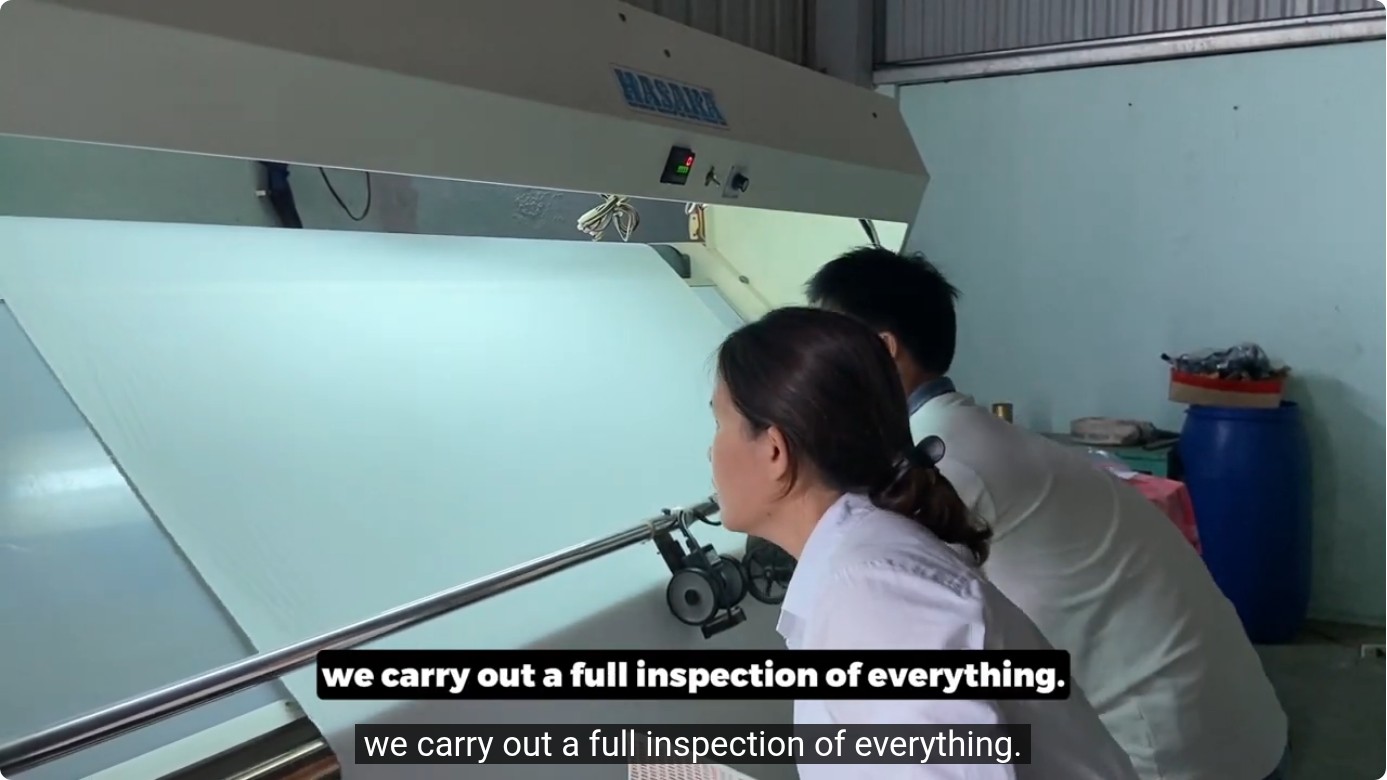
Set clear quality standards with your manufacturer. Use a checklist during sample approval and bulk production.
| Feature | What to Specify / Inspect | Why It Matters |
|---|---|---|
| Seams | Flat-felled or French seams on interior for strength and smoothness. No raw edges. | Prevents fraying, increases durability, improves comfort against skin. |
| Boning Channels | Double-stitched, securely anchored at top and bottom. No gaps or twisting. | Prevents boning from poking through, ensures even pressure distribution. |
| Grommets | Set flush with fabric, no sharp edges. Washers on back for reinforcement. | Prevents tearing, allows for even lacing tension, safety. |
| Lining | Fully lined? Partial lining? Fabric type must match outer fabric care (e.g., no shrinkage mismatch). | Affects comfort, opacity, and garment lifespan. Prevents boning from showing. |
| Closure Alignment | Busk pins should engage smoothly. Grommets must be perfectly aligned vertically. | Functionality and professional finish. Misalignment causes weak points. |
| Edge Finishing | Top and bottom edges should be bound, faced, or cleanly stitched. No raw edges. | Clean aesthetic and prevents fraying, especially important for stretch fabrics. |
Communication is Key: Your Sourcing Checklist
Before you request a quote or sample, compile this information. A clear brief prevents costly sampling iterations and production delays.
- Primary Use Case: “Fashion streetwear,” “dance performance,” “medical/post-surgical support,” “costume.” This dictates every downstream choice.
- Target Style: Specify underbust/overbust, length, and any unique features (e.g., detachable straps, back cut-out). Provide a sketch or reference image.
- Fabric Requirements: Stretch percentage, weight (GSM), hand feel (soft vs. firm), and any special finishes (moisture-wicking, anti-bacterial). Name a comparable fabric if possible.
- Support Level: “Light shaping,” “moderate support,” “firm control.” This correlates directly to boning density and fabric stiffness.
- Hardware: Type of grommets (size, metal), busk width, or other closures.
- Branding Application: Will branding be woven labels, printed, embroidered, or heat-transfer? Specify placement. Note that boning channels and grommets limit accessible areas.
- Sizing & Fit Model: Provide your size chart and, if possible, a fit model’s measurements. Specify desired ease (tightness of fit).
- Packaging: Individual poly bags, hangtags, or bulk packaging?
Navigating Trade-offs: Cost, Comfort, and Control
No single corset style or construction is perfect for all applications. Your decisions involve inherent trade-offs. A fashion brand may prioritize a delicate lace and flexible spiral steel for a romantic look, accepting a shorter garment lifespan. An athletic brand must prioritize four-way stretch fabric and flexible boning that moves with the body, potentially sacrificing the highest level of compression. A medical support supplier must prioritize consistent, firm pressure and biocompatible linings, often at a higher cost. Map your product’s value proposition directly to these construction choices. Discuss these trade-offs explicitly with your factory; their experience with similar products can reveal potential pitfalls in your chosen style for your intended market.
Questions to Ask Your Potential Manufacturer
Vetting a factory’s capability with corsets requires targeted questions. Don’t assume expertise because they produce activewear.
- “Can you provide samples of your previous work in underbust corsets using spiral steel and stretch satin?”
- “What is your standard process for ensuring bone channel alignment on curved seams?”
- “How do you handle shrinkage and stretch consistency when sourcing custom performance fabrics? Can you share your testing protocol?”
- “What is your typical defect rate on boning-related issues (poking, breaking, channel separation)?”
- “Do you have a preferred supplier for grommets and busks that meets durability standards for high-tension use?”
The answers will reveal their operational sophistication and quality control mindset.
Planning to add these styles to your collection? We produce custom versions with your branding, fabric choice, and sizing — from sample to bulk. Contact our team for details.