
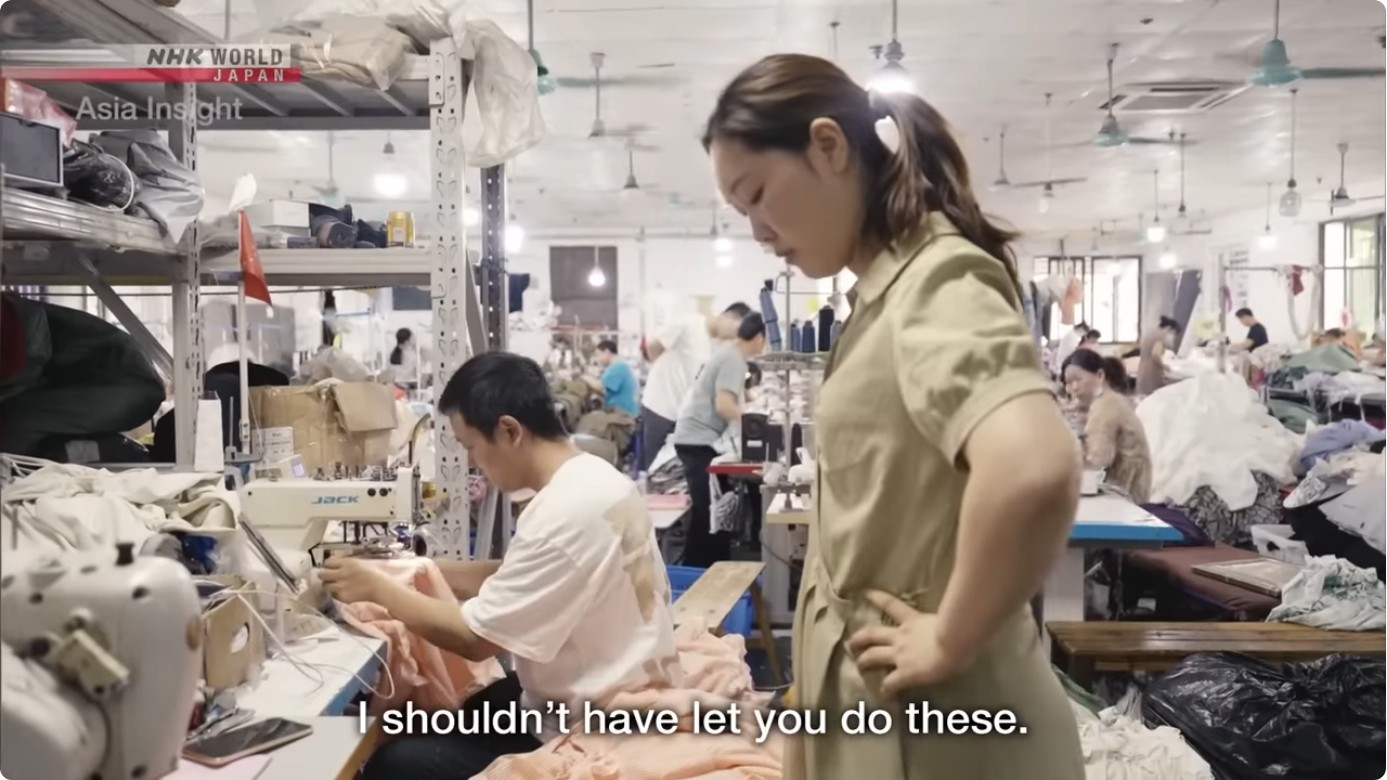
For decades, the narrative around sportswear manufacturing was dominated by overseas production. Today, the landscape of the United States sportswear manufacturer is vibrant, specialized, and critically relevant for brands, teams, and retailers who prioritize speed, quality control, and ethical production. This isn’t about large-scale, anonymous factories churning out generic basics. It’s about agile, tech-integrated partners capable of delivering custom activewear—from performance tank tops to heavyweight hoodies—with a level of responsiveness and transparency that global supply chains often struggle to match.
Whether you’re a startup brand launching your first line, a gym needing branded apparel for members, or an established retailer diversifying your inventory, understanding the contemporary U.S. manufacturing model is essential. This guide cuts through the noise to explain what defines modern domestic sportswear production, the customization pathways available (OEM vs. ODM), the critical specifications you must define, and the practical trade-offs involved in sourcing stateside.
In a Nutshell: Is a U.S. Manufacturer Right For You?
This article answers: What does a U.S.-based custom sportswear factory actually offer? How do OEM and ODM services differ for activewear? What are the real-world MOQs, lead times, and quality control points? What specs (fabric, fit, trim) must you decide before requesting a quote? Use this guide to evaluate partners and prepare your project for production.
The Strategic Shift: Why Source Sportswear from the United States?
The resurgence of U.S. manufacturing isn’t just patriotic sentiment; it’s a strategic business decision driven by tangible advantages. For custom sportswear buyers, these factors directly impact profitability, brand reputation, and operational efficiency.
- Supply Chain Velocity & Agility: Eliminating trans-Pacific shipping drastically reduces lead times. A typical overseas production cycle can take 90-120+ days; domestic U.S. manufacturers can often deliver in 4-8 weeks for standard orders. This allows for faster response to trends, smaller initial production runs, and easier inventory management.
- Enhanced Quality Control & Communication: Proximity enables frequent factory visits, easier sample approval processes, and real-time problem-solving. Language barriers and time zone differences, which can lead to costly miscommunications on fabric hand-feel or stitching details, are minimized. You can build a direct, collaborative relationship with your production partner.
- “Made in USA” as a Marketing Asset: For many brands, domestic production is a core brand value. It signals commitment to ethical labor practices, reduced carbon footprint from shipping, and support for local economies. This resonates strongly with a growing segment of conscious consumers and can justify premium pricing.
- Reduced Minimum Order Quantities (MOQs): While not universally true, many U.S. factories have lower MOQs than their overseas counterparts, especially for basic styles. This is because they are less dependent on massive scale to offset high labor costs and are more willing to run smaller, more frequent batches.
Caveat: Labor costs in the U.S. are higher, which means the per-unit cost for a simple cotton t-shirt may be 20-50% higher than a comparable overseas product. The value is found in the total cost of ownership—considering landed costs, inventory carrying costs, and the premium you can capture with a “Made in USA” story.
Customization Pathways: OEM vs. ODM for Activewear
When engaging a United States sportswear manufacturer, you’ll primarily encounter two service models. Understanding the distinction is the first step in a successful partnership.
| Aspect | OEM (Original Equipment Manufacturer) | ODM (Original Design Manufacturer) |
|---|---|---|
| What You Provide | Complete technical package: precise specifications, tech packs, patterns, and fabric selections. | A design concept, mood board, or performance requirements. The factory provides the design execution. |
| Factory’s Role | Production-only. They build exactly to your specs with no creative input. | Design and production. They adapt or create styles from their internal catalog or develop new ones based on your brief. |
| Best For |
|
|
| Key Consideration | Requires significant upfront technical investment (tech packs, pattern making). | Design ownership and exclusivity must be clearly contractually defined. You may be modifying a style the factory also sells to others. |
Blurring the Lines: The Hybrid Approach
Many forward-thinking U.S. manufacturers operate a flexible hybrid model. They may offer a library of ODM “platform” styles (e.g., a classic raglan tee, a performance jogger) that serve as a starting point. You, the buyer, can then request OEM-level modifications: swapping a 100% cotton jersey for a cotton/polyester blend, changing the cuff style, or adding a specific pocket design. This model reduces development cost and time while allowing for meaningful brand differentiation.
The Blueprint: Key Specifications You Must Define
Before you even request a quote from a United States sportswear manufacturer, you need to have answers to these core questions. The clarity of your specifications directly determines the accuracy of the quote and the quality of the final product.
1. Fabric & Performance
This is the foundation of any activewear garment. You need to decide on:
- Fabric Composition & Weight: Is it 100% cotton (combed, ring-spun, organic), a cotton/poly blend (e.g., 60/40, 50/50), or a technical polyester (moisture-wicking, anti-odor)? Weight is measured in GSM (grams per square meter) or oz/yd². A lightweight 4.5 oz cotton tee is for casual wear; a 6.5-7 oz garment is considered premium and durable for both casual and light athletic use.
- Fabric Construction: Jersey (knit), fleece (brushed), interlock, mesh, or technical woven (for cargo pants, track shells). Construction determines drape, breathability, and durability.
- Special Finishes: Do you need garment-dyed vs. piece-dyed for a vintage look? Is a brushed fleece interior necessary for warmth? Is a moisture-wicking treatment or UPF certification required?
Pro Tip: Always request and test fabric swatches. The hand-feel (“hand”) is subjective but critical. A factory’s sample fabric may feel different in a 5,000-piece run if the mill source changes. Specify the mill or at least the fabric’s origin (e.g., “USA-milled ringspun cotton jersey”) if it’s a key selling point.
2. Fit & Sizing
You must provide a clear size chart and fit model measurements. Are you producing a athletic fit (tapered, body-conscious), a classic/relaxed fit, or an oversized cut? The fashion industry has no universal standard. Providing your own graded patterns (from a pattern maker) is the gold standard for OEM. For ODM, you must review the factory’s sample on a fit model matching your target customer’s body type.
3. Trims & Details
The devil is in the details. Specify every component:
- Labels: Woven neck tape, care labels (content/wash instructions), size tags. Material (twill, satin), print method, and placement (e.g., tear-away tag for comfort).
- Thread: Color (match to fabric or contrast?), type (polyester for strength, cotton for vintage look).
- Hems & Cuffs: Double-needle stitching? Ribbed or self-fabric? Width of rib?
- Pockets: Type (kangaroo, welt, cargo), placement, pocketing fabric.
- Hardware: Zippers (YKK, SBS, or generic), snaps, drawcord tips, aglets. Specify metal or plastic, color, and brand if critical.
4. Decoration Method & Placement
Will you be adding logos via screen printing, embroidery, heat transfer, or DTG (direct-to-garment)? The manufacturer may handle this, or you may use a separate decorator. In either case, you must provide:
- Artwork in correct vector format (usually .ai or .eps).
- Exact placement measurements from seams and hems.
- Color matches (PMS colors are standard for screen printing).
- Stitch count for embroidery (affects cost and time).
Important: Different fabrics and constructions react differently to decoration. A heavy fleece hoodie handles embroidery differently than a lightweight polyester tank top. A good U.S. factory will advise on the best method for your chosen fabric to avoid puckering or show-through.
Production Realities: MOQs, Lead Times, and Sampling
Navigating production logistics is where the rubber meets the road. U.S. manufacturers offer flexibility, but their processes have constraints.
Minimum Order Quantities (MOQs)
Don’t assume U.S. means “no minimum.” MOQs vary widely by style complexity and factory model.
- Basic Styles (e.g., blank t-shirts, simple hoodies): Can be as low as 50-100 pieces per style/color.
- Technical/Performance Styles (e.g., engineered mesh jerseys, performance leggings with multiple panels): Often require 200-500 pieces due to fabric and cutting costs.
- ODM Styles: May have lower MOQs since the pattern and tooling already exist, but per-unit cost is often higher than OEM at scale.
Decision Point: A lower MOQ usually means a higher per-unit cost. You pay a premium for the factory’s flexibility. Calculate your true cost including decoration, not just the blank garment.
The Critical Sampling Phase
Never skip this. The sample is your only tangible proof before committing to full production.
- Fit Sample (First Sample): Made in your chosen fabric (or a similar substitute) to approve the pattern, fit, and construction. Approve this before fabric is sourced for production.
- Pre-Production Sample (PP Sample): Made with the exact approved fabric, trims, and decoration. This is the final “golden sample” against which all 1,000+ units will be compared. Any changes after this point can be costly.
Cost Note: Sample costs are typically 3-5x the unit price and are non-refundable but often credited toward the final order if it proceeds. Factor this into your budget.
Lead Times
A realistic timeline for a custom activewear order in the U.S.:
- Spec clarification & quote: 3-5 days
- Sample production & approval: 1-3 weeks (depends on revisions)
- Fabric/trim sourcing: 1-2 weeks
- Cutting & sewing: 1-3 weeks
- Decoration (if done in-house): 1-2 weeks
- Finishing & QC: 3-5 days
Total: 6-10 weeks from approved PP sample to shipment. Complex orders with multiple styles or overseas trims can take longer. Always build in a buffer for unforeseen delays.
Quality Assurance: What to Look For in a U.S. Factory
“Made in USA” is not a guarantee of quality. You must vet the manufacturer. Key quality markers include:
- In-House vs. Outsourced Production: The best factories control the entire process—cutting, sewing, and often decoration—under one roof. This allows for tighter QC. Be wary of “brokers” who simply manage subcontractors.
- Certifications & Standards: Look for WRAP (Worldwide Responsible Accredited Production) certification for ethical labor, ISO 9001 for quality management, and specific certifications like AATCC for fabric testing. ASTM International also sets many performance standards for sportswear.
- QC Process: Ask about their process. Is there an inline inspector during sewing? Is there a final 100% inspection or a-sampling (e.g., AQL 2.5)? Can they provide photos/videos of your production line?
- Transparency: A reputable factory will be open about their capabilities, limitations, and the origin of their fabrics. If they are vague, it’s a red flag.
Your Action Plan: Questions to Ask a Potential Manufacturer
Use this checklist when evaluating a United States sportswear manufacturer. Your goal is to find a partner, not just a vendor.
- What is your core expertise? (e.g., “We specialize in performance outerwear” vs. “We do all types of cut-and-sew”). Their specialty should align with your product.
- Can you work from my tech pack, or do you only offer ODM? Ask to see examples of both.
- What are your standard MOQs, and what are the price breaks at higher volumes? Get a tiered price list.
- What is your standard fabric sourcing process? Can you source organic/sustainable-certified fabrics? Can I provide my own fabric?
- What is your sample process, cost, and turnaround time?
- What are your typical lead times for an order of [your estimated quantity]?
- Do you handle decoration in-house, or do you partner with decorators? Can you recommend one?
- What are your payment terms? (Typically: 50% deposit, 50% on shipment).
- Can you provide references from clients with similar projects?
The Bottom Line: Partnering for Success
Sourcing from a United States sportswear manufacturer is an investment in control, quality, and narrative. It moves you from a transactional buyer to a collaborative partner in the production process. The path requires more upfront specification work than ordering blanks, but the payoff is a unique product, a resilient supply chain, and a powerful story for your customers.
The most successful partnerships are built on clear communication from day one. Your ability to articulate your vision through precise specs, realistic expectations, and a willingness to engage in the sampling process will determine the outcome more than any single factory’s reputation.
Ready to Start Your U.S.-Made Activewear Project?
Whether you’re a startup brand with a sketch on a napkin or an established retailer looking to diversify with domestic sourcing, navigating the technical requirements of custom sportswear can be complex. What specific challenges are you facing in defining your fabric, fit, or production timeline?
Whether you’re a startup brand or an established retailer, we manufacture custom sportswear at competitive MOQs. Reach out to start your project.