
For anyone involved in sourcing team apparel—whether you’re a sports club manager, a fashion brand launching an athleisure line, or a retailer stocking activewear—the term “football kit” is fundamental. It’s more than just a jersey; it’s the complete, coordinated uniform worn by players and often support staff. Understanding the components, variations, and manufacturing implications of a football kit is crucial for making informed sourcing decisions, ensuring your custom order meets the functional, aesthetic, and budgetary needs of your end users.
This guide breaks down exactly what constitutes a football kit, explores the standard variations you’ll encounter in the market, and translates that knowledge into practical considerations for custom production. We’ll move from the basic definition to the nuanced choices that impact your OEM or ODM project, from fabric technology to print durability.
Quick Summary: A football kit is the full uniform for a football (soccer) team, typically comprising a jersey (shirt), shorts, and socks. It often includes additional items like warm-up layers, training tops, and goalkeeper-specific gear. Key variations are home, away, and third kits, designed for visual distinction. For custom manufacturing, the choice of fabrics, decoration methods (screen printing, embroidery, heat transfer), and compliance with league standards are primary decision points that affect cost, durability, and lead time.
The Core Components of a Modern Football Kit
At its most essential, a traditional football kit consists of three pieces: the jersey (or shirt), the shorts, and the socks. However, a complete team issue often extends far beyond this. When sourcing custom kits, you need to consider the entire ecosystem of apparel a team requires for match days, training, and travel.
Primary Match Kit Elements
- Jersey/Shirt: The centerpiece. It features the team crest, player numbers, and often sponsor logos. Construction varies from simple, breathable mesh to engineered performance fabrics with moisture-wicking and four-way stretch. The collar style (crew neck, V-neck, polo) and sleeve length (short, long) are key stylistic variables.
- Shorts: Designed for mobility with an elasticated waistband, often with an internal drawcord. Modern shorts use lightweight, quick-drying fabrics with some stretch. In-seam pockets are rare in pro-level match shorts but can be specified for amateur or casual use.
- Socks: Must meet specific length regulations (typically above the calf). They are knitted from a blend of cotton, polyester, nylon, and spandex for fit, durability, and moisture management. Cuffs need to be snug to prevent slippage during play.
Common Supplementary Items (The “Extended Kit”)
For a truly cohesive team identity and operational readiness, brands and clubs often source a full range. These items present excellent opportunities for custom ranges and upsell in your product line.
- Goalkeeper Kit: Distinct in color (per Laws of the Game) and often padded. Includes jersey, shorts, and sometimes padded trousers or tops. Sourcing often requires specific padding inserts.
- Training & Warm-Up Tops: Hoodies, zipped sweatshirts, track jackets, and lightweight shells. These are prime candidates for technical fabrics with enhanced thermal properties and branding space.
- Base Layers: Compression shirts and shorts worn under the jersey. Sourcing these requires attention to flatlock seams to prevent chafing and high-performance, breathable fabrics.
- Travel/Leisure Wear: Tracksuits, t-shirts, and polos. This is where your factory’s capability in tracksuits and casual wear becomes directly relevant to a football client. These items build team culture off the pitch.
Kit Variations: Home, Away, and Third Kits Explained
The concept of multiple kits is driven by necessity: to avoid color clashes with the opposing team. Understanding these variations is critical for buyers, as each represents a separate product line with its own design, color palette, and production run.
| Kit Type | Primary Purpose | Typical Design Approach | Sourcing & Production Note |
|---|---|---|---|
| Home Kit | Worn for most home matches. Represents the team’s traditional, iconic colors and identity. | Conservative, heritage-focused. Often features the team’s primary color as the dominant jersey color with secondary colors on trims and shorts. | The highest volume and most consistent seller. Priority for quality control as it’s the most visible representation of the club. MOQs are often negotiated based on projected home kit demand. |
| Away Kit | Worn when the home kit of the opposing team clashes with your home kit’s colors. | Uses a contrasting color scheme to the home kit. Can be more experimental but must remain distinct. Often a reverse of the home kit’s color hierarchy (e.g., if home is red/white, away might be white/red). | Production volume is typically 30-50% of the home kit. Requires careful coordination to ensure sufficient contrast with common home kit palettes in the league. |
| Third Kit | A contingency kit for rare color clashes involving both home and away kits. Also used for special tournaments or one-off matches. | The most creative and often boldest design. Can introduce entirely new color combinations, patterns, or even non-traditional colors (e.g., black, gold, neon accents). | Lowest volume, sometimes a single-season special. Can be a testing ground for new design trends or fabric technologies. Lower MOQs are possible here. |
Key Sourcing Insight: When a client requests a “full kit range,” they are almost always referring to these three match kits. Proactively presenting colorway options and explaining the contrast logic demonstrates expertise. For youth and amateur teams, the “away” and “third” concepts are often simplified or omitted due to budget, making the home kit the sole focus.
Customization & Manufacturing: What You Can Actually Control
This is the heart of the B2B conversation. Your ability to offer flexible customization directly defines your value to a brand or team. The main levers are fabric/construction, decoration, and compliance.
1. Fabric & Construction Technology
The choice of fabric dictates performance, cost, and feel.
- Performance Mesh (Polyester): The industry standard. Lightweight, highly breathable, and excellent for dye-sublimation printing. Ideal for most custom prosumer and amateur kits. Trade-off: less stretch than knit fabrics.
- Knit Fabrics (Polyester/Spandex blends): Used for tighter-fitting, premium jerseys. Offers superior stretch and a “second-skin” feel. More expensive and can complicate print methods (sublimation works but requires specific knit types).
- Eco-Fabrics (Recycled Polyester, Organic Cotton): A major selling point for brands with sustainability mandates. Verify certifications like Global Recycled Standard (GRS). Note: performance properties can vary; rigorous testing is needed.
- Construction Details: Panel design (how many pieces are sewn together), seam type (flatlock vs. standard), and collar/interlining quality. These subtleties affect comfort, durability, and the garment’s professional appearance.
2. Decoration Methods & Their Limits
How logos, numbers, and names are applied is a critical path in production.
- Dye-Sublimation Printing: The dominant method for football kits. Ink is infused into the fabric fibers, creating a permanent, lightweight design that doesn’t crack or fade easily. Best for all-over patterns and large, colorful crests. Limitation: Requires polyester fabrics and light-colored base garments for best results. White on dark is challenging and may require a white underlay process.
- Screen Printing: Cost-effective for simple, bold logos and numbers on pre-dyed garments. Excellent opacity. Limitation: Not ideal for fine detail or photographic images. Plastic-based inks can feel stiff and may crack over time with heavy abrasion.
- Embroidery: The premium option for crests and small logos. Adds significant tactile value and perceived quality. Limitation: Adds stiffness and weight. Not suitable for large areas. Cost per stitch increases dramatically with design complexity.
- Heat Transfer Vinyl (HTV) & Heat Press: Used for number/name sets, especially on nylon or mesh where sublimation isn’t used. Allows for metallic, glitter, and specialty finishes. Limitation: Can peel or crack if not applied correctly. Not as durable as sublimation for high-friction areas like shoulders.
3. Compliance & Standards
For teams in regulated leagues (from FIFA down to local associations), kits must meet specific criteria. These are non-negotiable for official use.
- FIFA Equipment Regulations: Cover sock length, jersey design (no dangerous protrusions), and goalkeeper color distinction. A custom kit for an affiliated team must comply.
- Number & Name Specifications: Font, size, color, and placement are often strictly defined. Supplying a compliant template is part of the service.
- Safety Standards: For professional or high-level amateur use, kits may need to meet certain sports textile performance standards for tear strength, colorfastness to rubbing (to prevent staining), and absence of harmful substances (OEKO-TEX Standard 100 is a common reference).
Production & Sourcing Decision Points for Buyers
As a buyer, your choices early in the process lock in cost, timeline, and final quality. Use this checklist when discussing a project with your manufacturer.
🧾 Custom Football Kit Sourcing Checklist
- Define the User Level: Is this for a professional/semi-pro team (max performance, strict compliance), a serious amateur club (balance of cost and quality), or a casual/group buy (budget-focused)? This drives fabric and construction specs.
- Confirm Kit Scope: Home, away, third? Just match jerseys, or full training range? Get a detailed BOM (Bill of Materials) from your manufacturer for each.
- Specify Decoration Method: Sublimation is standard for performance kits. For mixed fabrics (e.g., a cotton-blend t-shirt for fan wear), screen printing or embroidery is better. Ask for samples showing your design on the chosen fabric.
- Request Physical Reference Samples: Never rely on digital mockups alone. Request a sample of the exact base fabric and a sample of your design applied via the chosen method. Assess feel, stretch, print texture, and color match.
- Clarify Lead Times & MOQs: Sublimation typically has a longer lead time (4-8 weeks) but lower effective MOQs per style. Pre-dyed garments with screen print can be faster but require larger minimums per color. Discuss off-season production windows for better pricing.
- Understand Artwork Requirements: Provide vector files (AI, EPS, SVG) for crests and logos. For sublimation, a full-placement mockup is needed. Confirm who is responsible for meeting league number font requirements.
- Audit for Compliance: If league approval is needed, involve your manufacturer early. They should provide documentation on fabric composition and construction to support the application.
Frequently Asked Questions (Buyer Perspective)
What’s the real difference between a $35 kit and a $70 kit?
The difference is in the fabric engineering, construction details, and durability. A premium kit uses a more advanced, lighter-weight knit with better moisture management, four-way stretch, and antimicrobial treatment. Seams are flatter and stronger. The cut is more anatomical. For a team playing 20+ competitive matches a season, the investment in durability and player comfort is justified. The budget kit uses a heavier, less stretchy mesh that may feel stiff, hold sweat, and show wear (fading, seam fraying) after a single season of heavy use. Request fabric swatches and conduct a wear-test with your team.
Can I use a single design for all three kits (home/away/third)?
Technically yes, but it defeats the purpose. The template (crest position, sponsor placements, number style) should be consistent. However, the colorway must change to achieve visual distinction. Using the exact same graphic layout on a red, white, and blue base is standard practice and cost-effective for design. The manufacturing process is identical; only the fabric dye color changes.
How many kits should I order for a 25-player squad?
This is a critical calculation. A common starting point is 2-3 kits per player for match play (accounting for washing cycles, damage, and loss). That’s 50-75 jerseys, 50-75 shorts, and 50-75 pairs of socks. You must also order at least 5-10 extra sets for new players, staff, and emergencies. For a full squad supply, budgeting for 60-80 full sets is typical for a 25-player team. Your manufacturer can help model this based on your league’s match frequency and laundering capabilities.
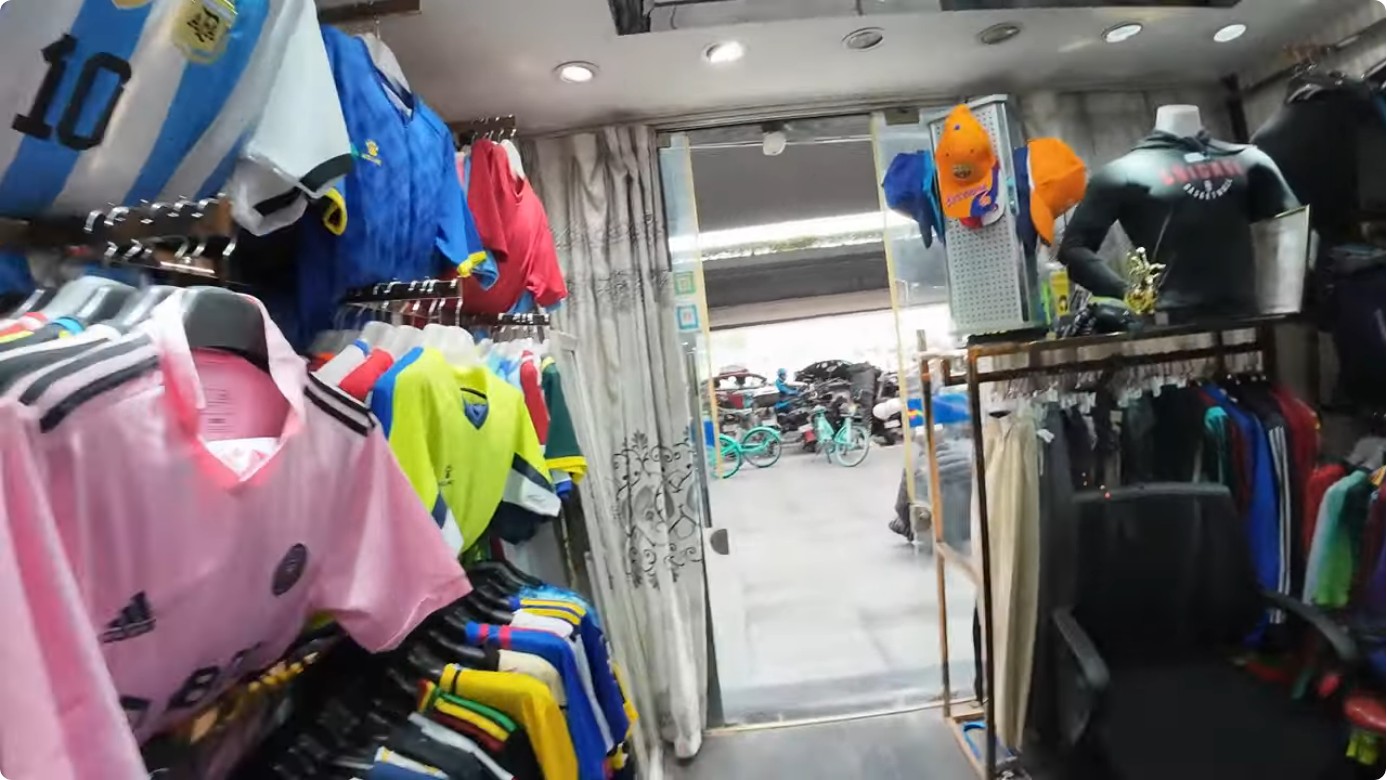
If you’re looking to source or customize any of the styles mentioned above, our factory offers low MOQ OEM/ODM production with full sampling support. Get a free quote today.