
When evaluating materials for custom activewear or athleisure lines, fabric selection is the foundational decision that dictates performance, cost, and consumer perception. Acetate, often perceived as a formalwear textile, has carved a significant niche in performance-inspired fashion and soft sportswear. For brands, gyms, and wholesale buyers, understanding acetate’s unique characteristics—its luxurious drape, moisture affinity, and manufacturing nuances—is critical for making informed sourcing decisions. This guide demystifies acetate from a production and customization perspective, moving beyond basic definitions to explore practical applications, quality benchmarks, and the key questions you must ask your factory.
Unlike synthetics engineered purely for sweat-wicking, acetate is a regenerated cellulose fiber, typically derived from wood pulp. Its molecular structure gives it properties that sit intriguingly between natural fibers like cotton and synthetic polymers like polyester. For the sportswear buyer, this translates to a fabric that feels cool and silky against the skin, dyes brilliantly for vibrant colors, and blends seamlessly with other fibers to achieve specific performance targets. However, these advantages come with specific care and production considerations that directly impact your product’s durability, cost, and feasibility for custom manufacturing.
The Core Properties of Acetate: What Makes It Unique?
To source acetate effectively, you must understand its fundamental behavior. Acetate’s identity is defined by its origin and how that origin influences its performance in a garment. It is not a plastic-based fiber like polyester; it is plant-based but chemically processed, placing it in the category of man-made cellulosics (MMCs).
Key Characteristics for Activewear and Sportswear
- Lustrous Drape & Smooth Handfeel: Acetate fibers have a triangular cross-section that reflects light, creating a subtle sheen often described as “silky” or “satiny.” This makes it ideal for luxury activewear, yoga tops, and lounge sets where aesthetic drape is a selling point.
- Excellent Moisture Absorption: Acetate absorbs 6-7% of its weight in moisture, significantly higher than polyester (less than 1%) and comparable to cotton. This gives it a cool, less “clammy” feel against the skin during light to moderate activity, making it comfortable for yoga, Pilates, or post-workout wear.
- Dyeability & Color Depth: It accepts dyes readily and produces deep, rich, and vibrant colors with excellent clarity. For brands, this means brighter color options and less dye-related variance in production runs compared to some synthetic blends.
- Low Static Buildup: Due to its moisture regain, acetate is less prone to static electricity than pure polyester or nylon, a comfort benefit in dry climates or when layering.
- Biodegradability: As a plant-derived fiber, pure acetate is biodegradable under appropriate conditions. This is a key marketing point for eco-conscious brands, though the end-use application and finishing chemicals can affect this. For credible standards, refer to resources from Textile Exchange on material certifications.
The Critical Trade-off: Strength and Wet-Care. Acetate’s greatest weakness is its loss of strength when wet. Wet strength can be as low as 40-50% of dry strength. This means it is not suitable for high-intensity, sweat-heavy sportswear (e.g., running, HIIT) where garments undergo repeated wringing and stress during laundering. It also requires gentle machine washing or hand washing and low-temperature ironing. This care requirement must be clearly communicated on your product’s hangtags and is a major factor in your target market selection.
Common Blends and Use Cases in Custom Sportswear
Pure acetate is rare in activewear due to its wet weakness. Its true power is unlocked through strategic blending. When discussing fabric options with your OEM/ODM partner, specifying the blend ratio is one of the most important technical decisions you’ll make.
Popular Acetate Blends and Their Applications
| Blend | Typical Ratio | Resulting Properties | Best For |
|---|---|---|---|
| Acetate/Polyester | Common: 60/40 to 40/60 | Improves wrinkle resistance, dimensional stability, and wet strength. Retains acetate’s drape and softness better than a cotton blend. | Athleisure sets, yoga pants, lounge hoodies, performance fashion tops. |
| Acetate/Nylon (or Spandex) | Varies, often with a small % of elastane | Adds exceptional stretch and recovery. Nylon boosts durability and abrasion resistance. | Fitted yoga leggings, supportive tank tops, compression-style garments where stretch is key. |
| Acetate/Cotton | Common: 50/50 to 65/35 | Enhances absorbency, softness, and breathability. Improves handwash durability slightly but can wrinkle more. | Lightweight sweatshirts, casual track pants, premium basics for a “luxury cotton” feel. |
| Triacetate (a modified acetate) | Often used alone or in blends | Higher wet strength, better wrinkle recovery, and more stable shrinkage than standard acetate. Feels crisper. | Tailored athleisure pieces, blazers, or structured joggers where shape retention is critical. |
For a custom tracksuit or hoodie, an acetate/polyester or acetate/cotton blend is the most common and reliable starting point. The exact ratio will be dictated by your desired handfeel, price point, and performance claims.
Sourcing and Production Considerations for Buyers
Ordering custom acetate-blend apparel requires clear communication with your factory to avoid sampling delays and quality mismatches. Here is a practical checklist of what to discuss and verify.
Essential Questions for Your Factory
- Fiber Source & Composition: What is the exact fiber content (e.g., 55% acetate, 40% polyester, 5% elastane)? Can they provide the source of the acetate (e.g., branded fiber like Lenzing™ or generic)? This impacts cost, sustainability claims, and quality consistency.
- Fabric Construction & Weight: What is the yarn count, fabric weave (e.g., jersey, fleece, twill), and GSM (grams per square meter)? A 280GSM acetate/cotton fleece will feel and perform entirely differently from a 180GSM acetate/polyester jersey.
- Finish & Treatment: Has the fabric been pre-shrunk? Are there any special finishes (e.g., moisture-wicking treatment, anti-pilling, brushed back)? Acetate is prone to pilling if not properly finished or if the yarn is low-quality.
- Color Matching & Dyeing: What is their process for color matching? Acetate can be sensitive to dye temperature and type. Request a lab dip on the actual fabric blend you intend to use. Ask about their colorfastness testing standards (e.g., AATCC methods for wash and light fastness).
- Minimum Order Quantity (MOQ): MOQs for custom acetate blends can be higher than for standard cotton/polyester jersey, especially if the mill requires specific yarn sourcing. Expect MOQs to start at 500-1000 pieces per style/color for knitting/fabrication, potentially higher for complex knits or proprietary blends.
- Care Labeling & Testing: Ensure the factory understands the need for specific care instructions (e.g., “Hand wash cold,” “Do not bleach,” “Low iron”). Who conducts garment testing (e.g., shrinkage, pilling, colorfastness), and can they provide reports?
Production Caveat: Acetate can be more susceptible to heat damage during screen printing or heat pressing compared to polyester. Confirm with your factory that their print shop has experience with acetate blends and uses appropriate inks and cure temperatures to avoid fabric scorching or stiffness.
Decision Guide: Is Acetate Right for Your Product Line?
Choosing acetate is a strategic decision that balances brand positioning, price, and performance. Use this quick framework to evaluate fit.
You may also like: A Buyer’s Guide to Types of Long Sleeve Shirts for Custom Sportswear
- Consider Acetate Blends When:
- Your target customer values a luxurious, soft handfeel and elegant drape over high-tech sweat-wicking.
- You are creating athleisure, yoga, lounge, or resort wear where aesthetics and comfort are primary.
- Vibrant, deep color retention is a key design requirement.
- Your marketing includes “eco-conscious” or “plant-based” messaging (verify certifications).
- Avoid or Use Sparingly When:
- Designing for high-intensity sports (running, training) where garments are saturated with sweat and require robust, repeated laundering.
- Your price point is very low—quality acetate blends are typically mid-to-premium in cost.
- Your customer base is unlikely to follow delicate care instructions.
- Maximum wrinkle-resistance and zero-iron convenience are non-negotiable (triacetate is a better choice here than standard acetate).
Frequently Asked Questions (FAQ) for Buyers
Is 100% acetate suitable for any sportswear?
Almost never. Pure acetate is too weak when wet and prone to severe shrinking and distortion. It is used in very specific, low-stress applications like lightweight robes or cover-ups, but for any true activewear, a blend with at least 30-40% of a strengthening fiber (polyester, nylon) is essential.
How does the cost of acetate blends compare to cotton/polyester?
Acetate fiber is generally more expensive than standard polyester or commodity cotton. Therefore, an acetate/cotton or acetate/polyester blend will typically cost 15-30% more than a standard 100% cotton or 65/35 poly-cotton jersey of similar weight. The premium is for the enhanced handfeel, drape, and dye quality.
What is the typical MOQ for a custom acetate-blend hoodie?
There is no single answer, as it depends on the factory’s existing fabric sourcing. If they have the acetate-blend fleece in stock, MOQs can be as low as 300 units. If they need to knit a custom fabric to your GSM and blend specification, MOQs of 800-1500 pieces are common to make the fabric production run viable.
Can acetate be certified as sustainable?
Yes, but you must look for specific certifications. Acetate made from wood pulp can be certified by the Forest Stewardship Council (FSC) or PEFC for responsible forestry. Additionally, brands like Lenzing produce TENCEL™ branded lyocell and modal fibers with a closed-loop production process. Acetate can also be part of a Textile Exchange preferred fiber list. Always ask your supplier for proof of certification for the specific fiber batch used.
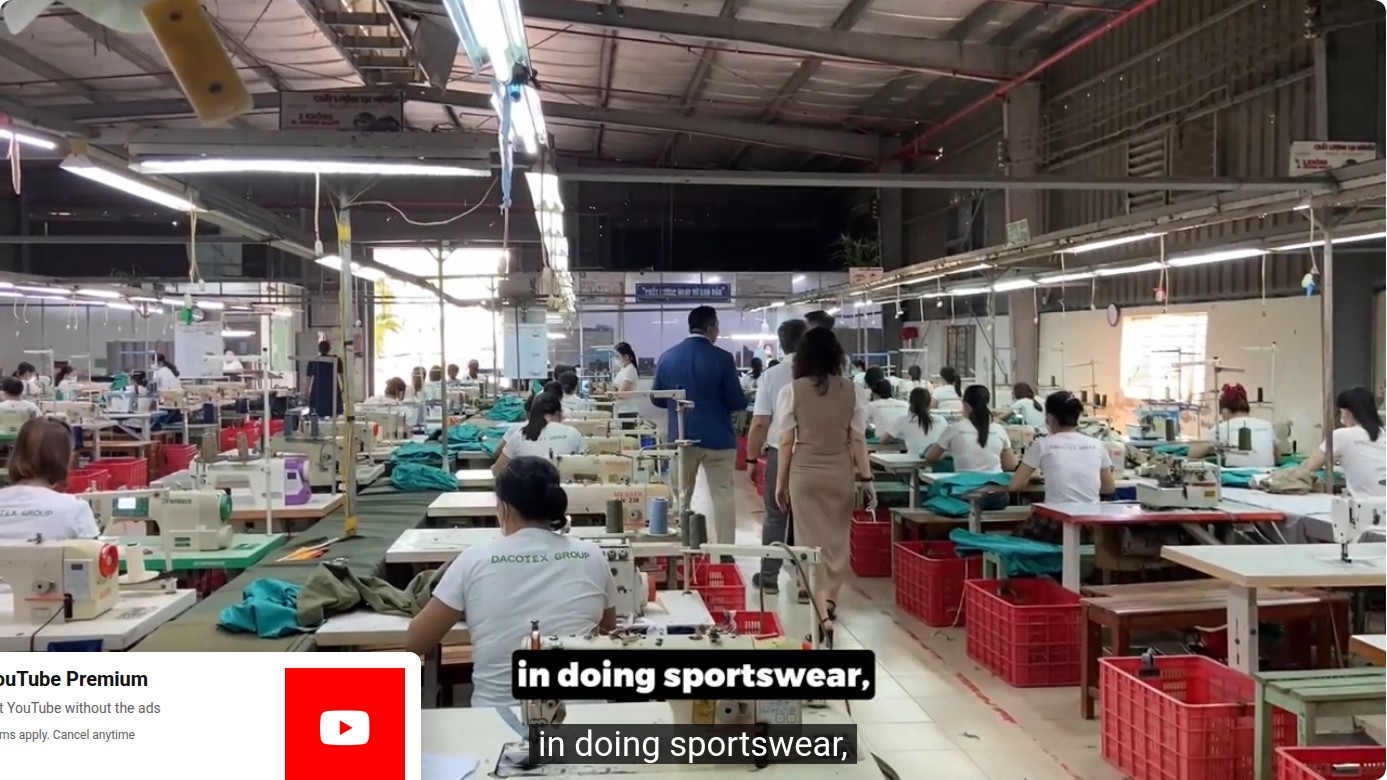
If you’re looking to source or customize any of the styles mentioned above, our factory offers low MOQ OEM/ODM production with full sampling support. Get a free quote today.