
When you picture a classic soccer jersey, the image that likely comes to mind is a crew-neck, athletic-fit top emblazoned with a team crest. Yet, the collared soccer jersey—often called a polo-style or button-down soccer shirt—represents a distinct and increasingly popular category. It bridges the gap between traditional sportswear and contemporary casual wear, offering a more refined, versatile aesthetic. For brands, retailers, and teams sourcing custom apparel, understanding this style’s nuances is key to making informed production decisions that align with your market’s needs and your budget.
This guide moves beyond basic description. We’ll break down the defining features of the collared soccer jersey, explore its diverse applications in today’s market, and provide a actionable framework for specifying, sourcing, and quality-checking this garment. Whether you’re a fashion brand tapping into the soccer-core trend or a sports team seeking a unique look, this article equips you with the manufacturing context needed to communicate effectively with your factory partner.
Defining Features: What Makes a Collared Soccer Jersey Unique?
The core differentiator is, of course, the collar. Typically a two- or three-button placket with a folded, rib-knit collar, this design immediately sets it apart from the standard performance tee. However, the collar is just one element of a garment built for both movement and style. Key characteristics include:
- Collar & Placket: The engineered collar should lie flat and retain its shape after washing and wear. Button quality and placement are critical for both function and a premium feel.
- Sleeve Construction: Unlike set-in sleeves, most soccer jerseys (collared or not) use raglan sleeves. This seam runs from the collar to the underarm, allowing for greater freedom of motion—a non-negotiable for athletic performance.
- Fabric Weight & Hand: Weights typically range from 140gsm to 180gsm for a balance of breathability and durability. The fabric’s ‘hand’ (feel) can be engineered for a soft, cotton-like touch or a slick, performance-oriented finish.
- Hem & Cuffs: Usually featuring a rib-knit hem and cuffs for a secure fit that doesn’t ride up during play. The rib content (often Lycra® or Spandex) determines recovery.
- Ventilation: While less extensive than in a pure performance mesh top, subtle mesh side panels or back inserts are common in higher-end custom versions.
The Collar: Style, Function, and Manufacturing Implications
The collar is the style anchor and a frequent point of failure in low-quality production. There are two primary constructions:
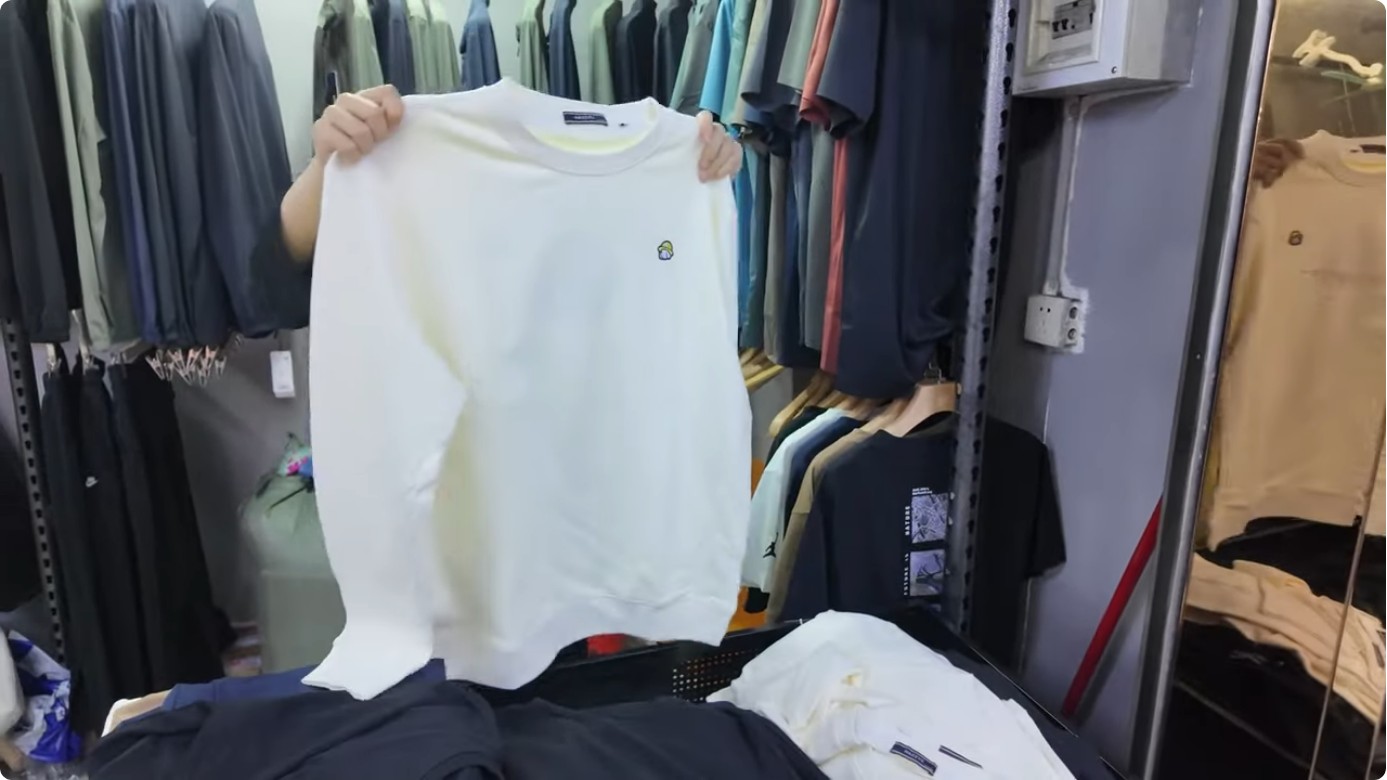
- Folded Collar: Made from a separate piece of fabric, folded and stitched. This allows for a crisp, structured look and is compatible with most embroidery and print applications. It’s the standard for authentic soccer polo styles.
- Rib Knit Collar: Integrated directly into the neckline knitting process. It’s more cost-effective but can be less stable, potentially stretching or losing shape. It works best with simple prints that don’t add stiffness.
Production Note: When specifying a folded collar, clarify the fabric composition (e.g., 100% polyester, poly-cotton blend). The collar fabric must be compatible with the body fabric’s shrinkage rates to prevent puckering after laundering. Always request a pre-production sample (a ‘counter sample’) to validate collar drape and recovery.
Beyond the Pitch: Primary Use Cases & Market Drivers
The collared soccer jersey’s appeal has exploded due to its crossover potential. Its primary applications include:
- Traditional Sports Teams: Clubs, schools, and corporate leagues use them for a slightly more formal or classic on-field look that still performs.
- Fashion & Streetwear Brands: The style is a staple in ‘soccer casual’ or ‘athleisure’ collections. Here, aesthetic details—unique collar contrasts, tonal embroidery, dropped shoulders—often take precedence over extreme performance features.
- Corporate & Event Apparel: Companies use branded collared jerseys for team-building days or charity runs. Events like music festivals or brand activations favor the style for its put-together yet comfortable vibe.
- Lifestyle Retail: Sold as casual wear, these jerseys compete with polo shirts but offer a more athletic cut and heritage association.
This versatility means your target customer might be buying for style first, team identity second, and performance third—or some combination thereof. Your sourcing priorities must reflect this.
Customization Options: Tailoring the Garment to Your Vision
As a buyer, you have significant control over the final product. Here’s a breakdown of common customization touchpoints and their production implications:
| Customization Point | Options & Considerations | Typical Impact on MOQ/Cost |
|---|---|---|
| Fabric | 100% Polyester (moisture-wicking), Poly-Cotton blends (softer hand), Recycled Polyester (sustainability story), Brushed Back fabrics (warmth). Must consider AATCC or ISO standards for colorfastness and shrinkage. | Specialty or organic fabrics often have higher minimums (e.g., 5,000+ yards) and a price premium. |
| Collar Style | Two-button vs. three-button; contrast collar/placket; oversized “grandfather” collar. Folded collar is standard for quality. | Contrast collars require additional fabric cutting and sewing steps (+5-10% cost). |
| Branding Method |
|
Sublimation often has the highest MOQ (e.g., 500 pcs/design). Embroidery per piece cost is higher but has lower minimums (e.g., 50 pcs). |
| Labels & Tags | Custom woven label, printed care label, removable price tag. Can be OEM (factory’s label) or private label. | Private label woven labels add ~$0.30-$0.80/unit and have a 1,000-2,000 pcs typical minimum. |
| Fit & Grading | Proprietary fit (you provide specs), stock fit (factory’s pattern), custom grading for sizes (XS-5XL). | Custom fit/grading requires an initial pattern-making fee ($300-$1,500) but pays off at scale. |
Manufacturing & Sourcing: Key Decision Points for Buyers
Navigating production requires clear communication and understanding of trade-offs. Before requesting a quote, have these elements defined:
1. Quantity & Budget: The MOQ Reality
Typical Minimum Order Quantities (MOQs) for custom collared soccer jerseys vary by factory and customization level.
- Basic Screen Print on Stock Garment: 50-100 units.
- Full Custom (fabric, collar, print): 300-500 units is a common baseline for many OEM/ODM partners.
- Small-Batch/Niche Factories: Some specialized workshops can go as low as 50-100 units for all-over sublimation or simple embroidery, but expect a higher per-unit cost.
- Large-Scale Production: 2,000+ units allows for fabric sourcing from specific mills and significant cost negotiation.
Trade-off: Lower MOQs mean higher per-unit costs and less flexibility on fabric/trim sourcing. Be prepared to compromise on details or absorb a higher cost for small runs.
2. The Sampling Imperative
Never skip the sample stage. Order at least one full garment sample (a ‘first sample’) and one fit sample on the correct fabric. Inspect for:
- Collar shape, roll, and recovery after being buttoned/unbuttoned.
- Seam durability, especially at the raglan underarm where stress is highest.
- Print/embroidery placement and feel (does it crack or feel stiff?).
- Color matching between fabric, collar, and branding under different lighting.
3. Quality Markers to Specify
Communicate these standards to your manufacturer to avoid disappointment:
- Colorfastness: Specify minimum ratings for washing (e.g., AATCC 61, 4.0) and light (e.g., AATCC 16, 4.0).
- Shrinkage: Target post-wash shrinkage (e.g., width & length < 3%). Request the fabric’s pre-shrunk certification.
- Stitch Density: For seams like the collar attachment, specify stitches per inch (e.g., 12-14 SPI) for a clean, durable finish.
- Trim Quality: Buttons should be securely shanked (with a thread stem) to prevent popping. Specify metal vs. plastic, and any plating (e.g., antique silver).
What Should You Communicate to Your Factory?
A clear brief prevents costly revisions. Use this checklist in your initial inquiry:
- Intended Use: “Performance team wear” vs. “fashion streetwear” dictates fabric and construction priorities.
- Target Market: Age group, region (climate matters), and price point.
- Design Files: Provide vector artwork (AI/EPS) for logos and a tech pack with flat sketches, measurements, and callouts for every detail (collar type, button style, hem finish).
- Fabric Requirements: Desired weight (gsm), composition (e.g., 100% Polyester, 92% Poly/8% Spandex), and any special finishes (e.g., UV protection, anti-odor).
- Branding Details: Exact locations, sizes, and colors for all logos/text. Specify embroidery thread type (rayon vs. polyester) if color matching is critical.
- Packaging: Individual poly bags? Hang tags? Bulk packing?
- Timeline: Sample approval lead time and final production delivery deadline.
Final Considerations: Making the Right Choice
The collared soccer jersey is a powerful canvas. The right choice hinges on balancing three pillars: Aesthetic Vision (the collar style, branding placement), Performance Need (fabric tech, fit), and Production Practicality (MOQ, cost, lead time). A fashion brand might sacrifice some moisture-wicking for a unique, heavyweight cotton-blend collar. A competitive sports team will prioritize fabric technology and a locked-in athletic fit, potentially opting for a simpler rib-knit collar to maximize print space on the chest.
Understanding these trade-offs from the start streamlines the sourcing process. It transforms you from a buyer asking for a “collared soccer jersey” into a partner communicating a clear, executable product vision.
What Should You Ask Your Manufacturer?
Before finalizing an order, get clarity on these points:
- Can you provide evidence of previous work with similar collar constructions (photos of washed samples)?
- What is your standard process for color matching between fabric runs and embroidery thread?
- How do you handle sizing consistency across a large order? Is there a sample size approval step?
- What are the typical failure points in this garment type, and what quality controls do you have at each stage (cutting, sewing, finishing)?
- Can you recommend the most cost-effective branding method for my design given my quantity?
Whether you’re a startup brand or an established retailer, we manufacture custom sportswear at competitive MOQs. Reach out to start your project.