
When you source or wear a cotton t-shirt, its longevity and appearance depend heavily on one simple, repeated action: washing. For the end consumer, proper care means a favorite garment lasts longer and looks better. For wholesale buyers, brand owners, and sports team managers, understanding the washing process is a critical component of product development, quality assurance, and customer satisfaction. A shirt that pills, shrinks, or fades after a few wears reflects poorly on your brand, regardless of the initial design.
This guide bridges that gap. We’ll break down the science of washing cotton from a material perspective, translate that into actionable care instructions for your customers, and explore the key manufacturing decisions you can make at the sourcing stage to mitigate common laundry-related problems. Whether you’re a buyer evaluating fabric samples or a brand writing garment care labels, this is your operational manual for cotton shirt maintenance.
The Fabric First: Why Cotton’s Nature Dictates the Wash
Not all cotton is created equal, and its inherent properties directly dictate its washing behavior. The primary factor is the staple length—the length of the individual cotton fibers. Long-staple cotton (like Pima or Supima®) produces smoother, stronger yarns that are more resistant to pilling and abrasion. Short-staple cotton is more economical but can feel rougher and pill more quickly as surface fibers break away and tangle.
Equally important is the yarn and knit construction. A tightly knitted, high-gauge fabric (more stitches per inch) will be more stable and less prone to distortion than a loosely knit, low-gauge jersey. For activewear, the fabric’s grams per square meter (GSM) is a key specification you’ll negotiate with your factory. A 180 GSM jersey is lighter and may be more prone to stretching, while a 220-240 GSM jersey offers more body and durability but can take longer to dry. You must communicate your desired GSM and hand feel to your OEM/ODM partner clearly.
Finally, the finishing treatments applied by the mill—such as enzyme washes, silicone softeners, or mercerization—precondition the fabric. These treatments can affect shrinkage, hand feel, and how the fabric reacts to home laundering. Always request fabric swatches with their specific mill treatments documented.
Colorfastness: The Non-Negotiable Quality Marker
For any branded apparel, colorfastness is paramount. A vibrant team jersey or a crisp white corporate polo that bleeds dye is a failed product. The industry standard for testing is set by organizations like ASTM International (e.g., ASTM D4870 for colorfastness to drycleaning) and AATCC (e.g., AATCC 61 for colorfastness to laundering). When sourcing, you should require your factory to provide test reports for the specific fabric dye lots. Ask: “What is the AATCC # and rating for colorfastness to laundering (home wash)?” A rating of 4 or 5 on the 5-point scale is excellent for most applications. For performance wear with bright colors, insist on 5.
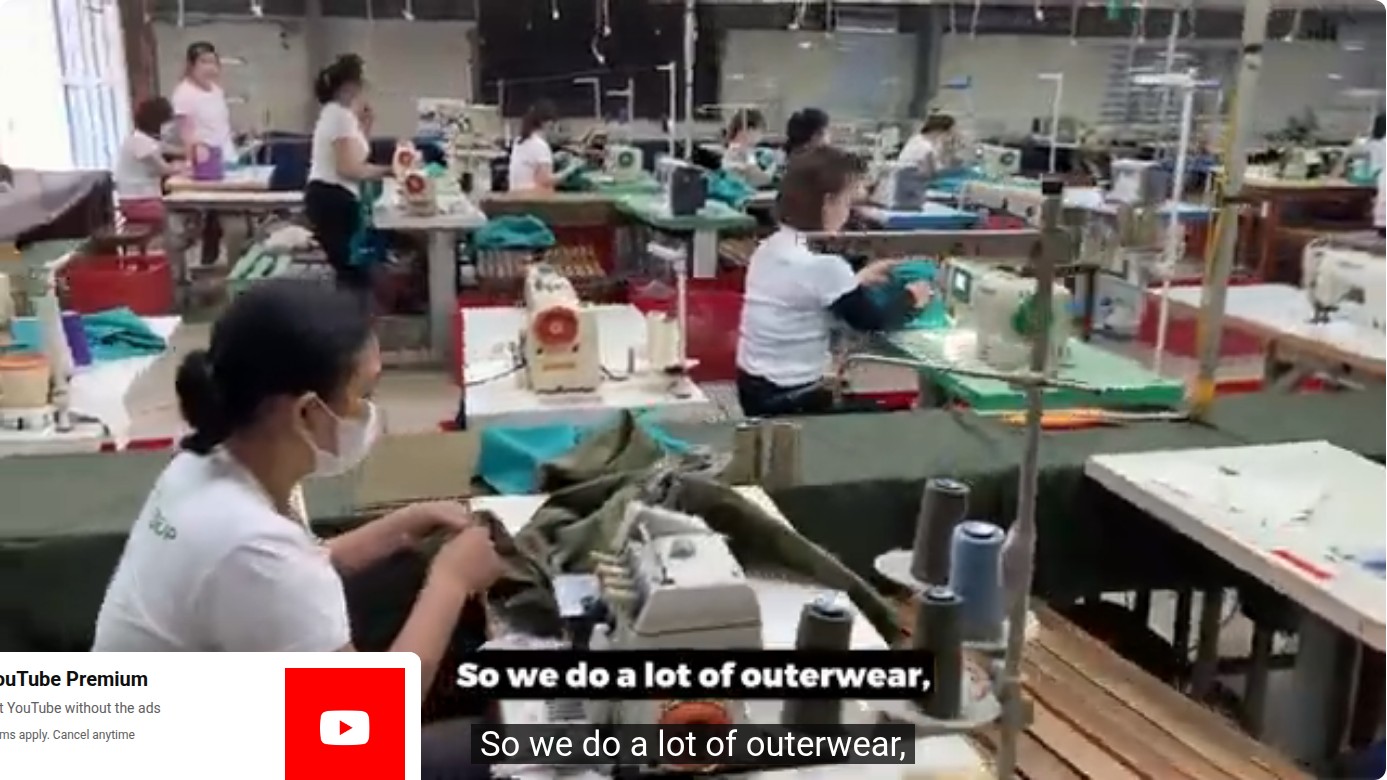
The Washing Process Decoded: Temperature, Agitation, and Chemistry
From a manufacturing and care perspective, the wash cycle can be broken into three controllable variables that determine the outcome.
1. Temperature: Hot vs. Cold
Hot Water (60°C/140°F+): Provides superior soil and detergent removal, sanitizes, and can significantly relax internal tensions in the cotton knit, leading to greater shrinkage. It is generally advised against for preshrunk cotton apparel unless specifically needed for heavy soil. For your production line, if your target market uses hot water (e.g., for workwear or healthcare linens), you must source fabric that has been sanforized or otherwise pre-shrunk to a strict standard (often 3-5% max shrinkage). This must be contractually specified.
Cold Water (30°C/86°F or below): The industry recommendation for most consumer cotton apparel. It minimizes fiber stress, reduces fading, prevents significant additional shrinkage, and saves energy. Modern detergents are engineered for cold-water efficacy. For your brand’s care label, “Machine wash cold” is the default, safest instruction for a quality cotton garment.
2. Mechanical Action: The Spin Cycle and Its Impact
Aggressive agitation and high spin speeds (1200+ RPM) forcefully wring water from the garment. This can:
- Cause excessive creasing that is hard to iron out.
- Exacerbate pilling by rubbing fibers against each other.
- Stretch the garment out of shape, especially if it’s lightweight or wet and heavy.
For high-quality custom production, you can advise your factory to use a gentle wash cycle or a low spin speed (600-800 RPM) in their final production rinse to reduce initial fiber disturbance. For the consumer care label, a recommendation like “Machine wash gentle cycle” is a premium touch that protects the garment.
3. Detergents and Additives: A Chemistry Lesson
Chlorine bleach is cotton’s enemy. It degrades cellulose fibers (the main component of cotton), leading to yellowing, weakening, and holes. Oxygen-based bleach (color-safe bleach) is a safer alternative for whites and colors. Fabric softeners coat fibers with a waxy residue, reducing absorbency (a critical flaw for performance wear like gym shirts) and can inhibit the fabric’s natural breathability over time. For activewear, the best practice is to avoid fabric softener entirely.
Helpful tip: Decoding Luxury Casualwear: What Brands Like Brunello Cucinelli Teach Us About Premium Activewear Sourcing
Drying: The Point of No Return for Shrinkage
Heat is the single greatest cause of irreversible shrinkage in cotton. The tumbling action of a dryer, combined with heat, causes the cotton fibers to relax and contract. This is why “Tumble dry low” or “Line dry” is almost always the correct instruction on a care label. For your sourcing and production:
- Pre-Shrinkage is Key: Insist on fabric that has undergone proper pre-shrinking (sanforization for woven, specific knit finishing for jersey). Get a written guarantee on max shrinkage percentages (e.g., wash/dry max 5% in length and width).
- Pattern Making Adjustment: Your pattern maker must account for expected shrinkage. If the fabric shrinks 4% in length, the pattern piece must be cut 4% longer to achieve the final desired length. This is a non-negotiable technical detail in custom manufacturing.
- Garment Labeling: The care label is your legal and practical instruction. “Tumble dry low” or “Drip dry” protects the garment and manages customer expectations. Never recommend “Tumble dry medium or high.”
Common Laundry-Induced Failures and Their Sourcing Solutions
Here is a quick-reference table for the most frequent complaints, their root cause, and the action a buyer can take at the sourcing stage.
| Issue | Primary Cause | Sourcing/Manufacturing Fix |
|---|---|---|
| Excessive Shrinkage | Unsanforized fabric; pattern not adjusted for shrinkage. | Source only sanforized woven cotton or pre-shrunk knits; require mill certification; instruct pattern maker on specific shrinkage rates. |
| Pilling (Fuzzing) | Short-staple, low-twist yarns; loose knit construction; rough detergents/agitation. | Specify long-staple cotton (e.g., 30+ staple length); higher yarn count/twist; tighter knit GSM; advise gentle wash cycle on label. |
| Fading/Dye Bleeding | Poor dye quality/poor fixation; low colorfastness rating. | Require AATCC test reports (rating 4+); use reactive dyes for best washfastness; avoid cheap direct dyes. |
| Stretching & Distortion | Heavy, wet fabric pulled by high-spin cycle; poor recovery knit. | Specify fabrics with good recovery (often with a small percentage of elastane if stretch is desired); advise low-spin drying; use stabilizing seams. |
| Stiffness/Crustiness | Excess starch/residual finishing chemicals; hard water interaction. | Request fabric with a soft, Enzyme wash finish; include a pre-wash step in production; label recommends using standard detergent, no bleach. |
The Buyer’s Checklist: Questions to Ask Your Factory
Before you approve a sample or place a bulk order, have a clear dialogue with your OEM/ODM partner. Use this checklist:
- Fabric Source & specs: “Can you provide the mill name, fabric composition (e.g., 100% Combed Cotton), yarn count (e.g., 30/1), GSM, and any finishing treatments?”
- Shrinkage Guarantee: “What is the maximum expected shrinkage (length/width) after a home wash/dry cycle? Can you provide a lab test report?”
- Colorfastness: “What is the AATCC or ASTM rating for colorfastness to laundering? Can you provide the test report for this dye lot?”
- Sample Protocol: “Have the pre-production samples (PP samples) been washed according to the intended care label? Can I see the washed sample?” (This is critical. A sample that hasn’t been washed tells you nothing about shrinkage or hand feel post-laundering.)
- Care Label Compliance: “Will the final care label instructions (symbols and text) be compliant with regulations in our target market (e.g., FTC Care Labeling Rule in the US, ISO 3758 internationally)?”
From Factory to Consumer: Closing the Loop
The journey of a cotton shirt doesn’t end when it’s packed. Its real-world performance begins in the customer’s laundry room. Your role as a buyer or brand owner is to engineer resilience from the start. By specifying the right fabric, demanding rigorous pre-shrinking and dye testing, adjusting patterns for shrinkage, and writing clear, conservative care instructions, you transfer control from the unpredictable home laundry to your deliberate manufacturing process.
This is where OEM/ODM service adds true value. A thoughtful factory won’t just sew your design; they will consult on fabric choices that match your garment’s intended use and care expectations, preventing a majority of post-purchase complaints before they happen.
What’s Your Priority?
When sourcing your next custom cotton apparel run, what matters most? Is it absolute color vibrancy through multiple washes, minimal shrinkage for consistent fit, or a super-soft hand feel that lasts? Define your top requirement first, as it will dictate your fabric and finishing choices. Communicating that priority clearly to your manufacturing partner is the first step toward a product that performs as beautifully as it looks.
Planning to add these styles to your collection? We produce custom versions with your branding, fabric choice, and sizing — from sample to bulk. Contact our team for details.