
When sourcing custom sweaters for your brand, gym, or retail line, the term “sweater” covers a surprisingly diverse landscape of knitted and woven garments. Your choice isn’t just about aesthetics—it dictates fabric costs, minimum order quantities (MOQs), decoration methods, and production timelines. This guide breaks down the essential sweater types from a manufacturer’s perspective, highlighting which styles are most practical for custom OEM/ODM production and what trade-offs to expect.
We’ll move beyond simple names to examine construction, fabric suitability, and real-world customization potential. Whether you’re a startup brand launching a luxury loungewear line or a sports team needing durable warm-ups, understanding these nuances is critical for accurate costing and successful product development.
Sweater Style Overview: At a Glance
Before diving into details, here’s a high-level comparison of common sweater categories for custom production. This table helps you quickly assess which styles align with your project’s technical and budgetary needs.
| Sweater Type | Key Construction Feature | Best For Custom… | Primary Fabric Families | Production Note |
|---|---|---|---|---|
| Crewneck Sweatshirt | Ribbed crew neck, no hood | Print/embroidery, high-volume basics | Cotton fleece, French terry, performance blends | Extremely high MOQ flexibility; simplest decoration |
| Hoodie (Pullover/Zip) | Attached hood, optionally with front zipper | All decoration types, streetwear, teamwear | Heavyweight cotton fleece, brushed back fleece | Zippers add cost; hood lining is a key spec detail |
| Turtleneck/Smock Neck | High, folded collar that covers the neck | Fashion brands, premium athleisure | Merino wool, fine gauge cotton, modal blends | Fabric drape is critical; fine knits require careful handling |
| Cardigan | Front opening with button/zipper closure | Layering pieces, corporate apparel | Knits (wool, acrylic), cotton jersey, fleece-back | Button/zipper quality impacts MOQ; placket alignment is a quality checkpoint |
| V-Neck Sweater | V-shaped neckline, typically with ribbed trim | Classic fashion, uniform layering | Wool blends, cotton, synthetic knits | V-neck depth must be precisely specified; can distort with heavy prints |
| Raglan/Sleeve Variation | Seam runs from collar to underarm (raglan) or set-in sleeve | Athletic fit, visual design separation | Common in sweatshirts & performance knits | Raglan seams offer a natural “design zone” for prints/logos |
Deep Dive: Core Sweater Types & Manufacturing Implications
1. The Crewneck Sweatshirt: The Custom Workhorse
The crewneck is the undisputed baseline for custom knitwear. Its simple, closed neckline and straight shoulder lines make it the most straightforward garment to pattern, cut, and sew at scale. For custom buyers, this translates to the lowest possible MOQs—often as low as 50-100 pieces per style/color—and the widest range of compatible decoration techniques.
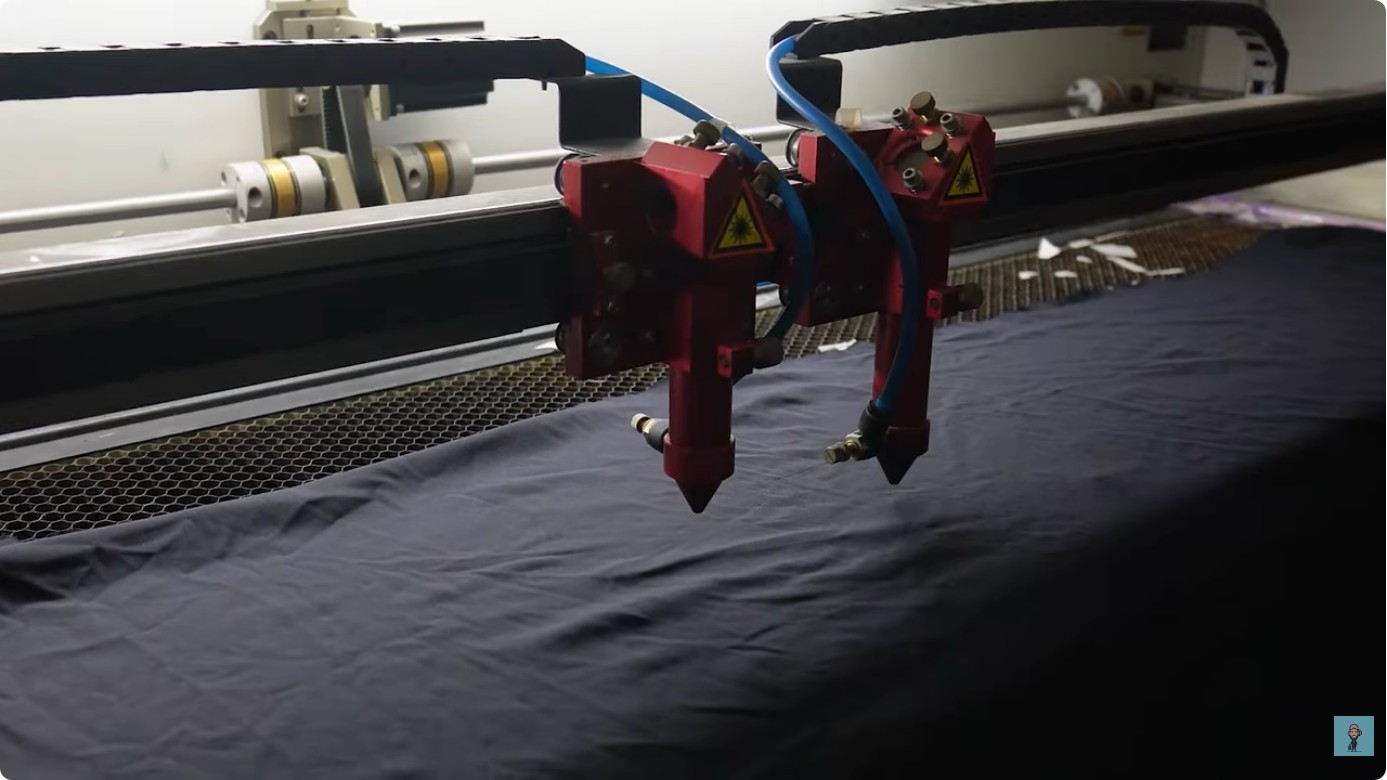
Fabric & Fit: You’ll primarily choose between cotton fleece (brushed interior for warmth, classic feel) and French terry (loop-knit interior, lighter, more breathable). Performance-branded fabrics with moisture-wicking and anti-odor treatments are also common. Weight is specified in GSM (grams per square meter); a standard crewneck is 280-320 GSM, while a lightweight version might be 220 GSM.
Customization Sweet Spot: The large, flat chest and back panels are ideal for screen printing, DTG (Direct-to-Garment) printing, and large-format embroidery. The lack of a hood or complex neckline means fewer seams to interfere with design placement. This is your safest bet for first-time custom buyers.
2. The Hoodie: Versatility with Added Complexity
The hoodie builds on the crewneck by adding a hood, which dramatically increases its perceived value and utility for team sports, streetwear, and cold-weather promotions. The two main variants are the pullover and the full-zip hoodie.
- Pullover Hoodie: Features a single opening for the head. The hood itself is a separate, often lined, piece attached to the back neck. This style has slightly fewer pattern pieces than a zip hoodie but requires precise hood attachment to avoid pulling.
- Zip-Up Hoodie: Features a full front zipper. This adds cost (the zipper tape and sliders) and a potential point of failure but offers superior ventilation and ease of wear. The zipper placket (the fabric on either side of the zipper) must be perfectly aligned; misalignment is a common quality issue.
Key Manufacturing Specs to Define:
- Hood Lining: Is it single-layer (cheaper) or double-layer with a contrasting color lining (more premium)?
- Kangaroo Pocket vs. Separated Pockets: The large front kangaroo pocket is iconic but less structured. Separated hand pockets with zippers are more functional but increase sewing steps.
- Drawstring: Material (cotton, polyester, flat drawstring), tips (metal, plastic), and whether it’s removable or sewn-in at the bottom.
Hoodies are compatible with all major decoration methods, but note that heavy embroidery on the hood can cause stiffness and affect drape.
3. The Cardigan: The Layering Specialist
Cardigans are open-front sweaters, typically with a button or zipper placket. In the activewear context, they are often made from mid-weight fleece or performance knits as an outer layer. For custom production, they present a different set of considerations than pullovers.
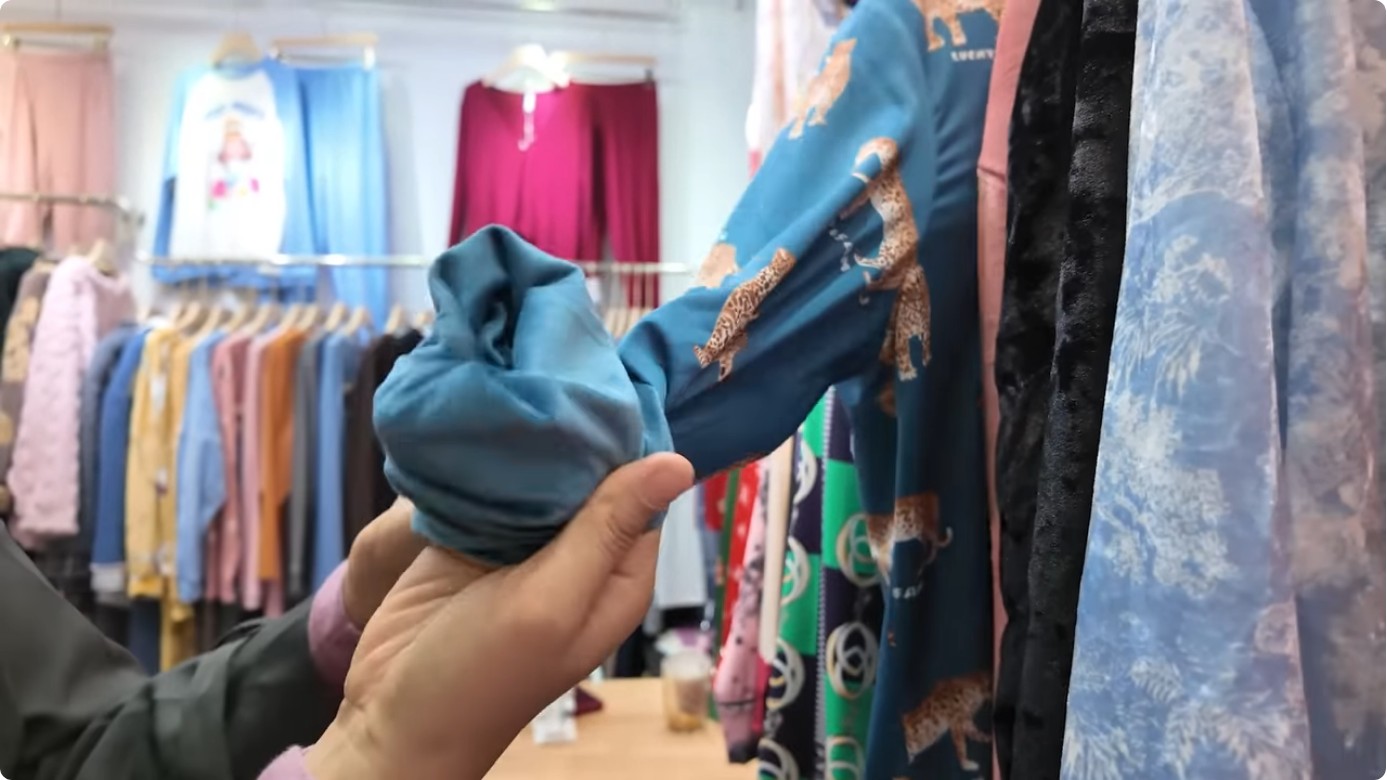
Closure Systems: Buttons are more common and cost-effective. You must specify button type (plastic, horn, metal), size, and color. Zippers, especially heavy-duty ones, increase cost and require careful alignment. The placket—the fabric strip that houses the buttons or zipper—must be cut on the straight grain to prevent twisting; a factory’s patternmaker should verify this.
Design & Decoration: The front panels are divided by the placket, limiting continuous large-format graphics. Decoration is typically confined to the left chest, sleeves, or back yoke. However, the placket itself can be a design feature (e.g., contrasting color). Cardigans are less popular for high-volume custom runs than pullovers due to the added closure hardware, so expect slightly higher MOQs.
4. Turtlenecks & Mock Necks: The Technical Neckline
These styles feature a high collar that folds over or stands up. They are staples in performance wear for temperature regulation and in fashion for a sleek silhouette. The construction is more technical than a crewneck.
True Turtleneck vs. Mock Neck: A true turtleneck has a generous fold-over collar, requiring extra fabric and precise sewing to lay flat. A mock neck (or smock neck) is a shorter, tighter collar that doesn’t fold. Mock necks are more common in athletic wear as they are less restrictive and faster to produce.
Fabric is Everything: The success of a turtleneck hinges on fabric drape and recovery. Stiff, bulky knits will look awkward and uncomfortable. Fine-gauge merino wool, silk-blends, or high-quality modal/cotton blends are preferred. From a manufacturing view, these finer knits can be more prone to “running” (unraveling) if a seam is picked, requiring careful handling during sewing and stricter quality control.
5. V-Necks & Fashion Knits: The Style Play
V-necks introduce a geometric cut into the neckline, which must be stabilized with rib knit trim to prevent stretching. The depth of the “V” is a critical spec—is it shallow (classic) or deep (modern/fashion)? This must be measured precisely from the shoulder point.
These are common in lighter-weight fashion sweaters, often from wool blends or cotton jersey. For custom activewear, a performance V-neck might be a lightweight French terry or a distinctive mesh-knit. Be aware that heavy prints or embroidery directly on the V-point can cause the knit to distort over time due to tension.
6. Specialty & Hybrid Styles
The lines often blur, creating opportunities for unique custom products:
- Raglan Sweatshirts: Distinctive seams running from collar to underarm. This creates two contrasting fabric panels on the body (often a different color on the sleeves), a classic look for baseball teams and vintage streetwear. The raglan seam itself is a natural design element.
- Quarter-Zip / Half-Zip Pullovers: A hybrid between a crewneck and a full-zip. The short zipper at the neckline offers ventilation. It adds a small closure cost but is very popular in performance and golf wear. Zipper garage (the fabric flap at the top) is a key comfort detail.
- Cable-Knit & Textured Knits: These feature intricate patterns (cables, ribs, honeycombs) knitted into the fabric itself. They are almost always produced on specialized knitting machines (like Shima Seiki) and have very high MOQs (often 1000+ units) due to the machine setup time. They are less suitable for basic print/embroidery as the texture can interfere with design clarity.
Sourcing & Production Decision Framework
Choosing the right sweater type is just step one. Here’s a practical checklist to guide your specifications and conversations with a manufacturing partner. Use this to prepare a comprehensive tech pack.
Pre-Production Checklist: What to Verify
- Fabric Composition & Weight (GSM): Don’t just say “cotton.” Specify “100% cotton, 280GSM fleece” or “80% cotton/20% polyester, 320GSM French terry.” Request fabric swatches and certification documents (e.g., Oeko-Tex Standard 100 for有害化学物质零容忍).
- Trim & Hardware: List every component: zipper brand/type (e.g., YKK #5), button material, drawstring material and tips, eyelet grommets. Specify colors (Pantone codes if critical).
- Decoration Compatibility: Match your logo design to the garment. Intricate, multi-color designs may require DTG, which has limits on fabric color. Large, bold graphics are perfect for screen printing. Note that embroidery on thin knits can cause puckering; a digitizer must adjust stitch density.
- Fit Model & Sizing: Provide a garment you like as a fit sample, or work with the factory’s standard block. For activewear, specify if the fit should be “athletic,” “relaxed,” or “oversized.” Grade the size chart accurately across all sizes.
- Quantity & Timeline: Be realistic. Standard production for a custom knit style from approval to shipment is 8-12 weeks for orders under 500 pcs. Smaller, simpler styles (like a basic crewneck) may have faster turnaround. Factor in sampling time (1-3 weeks for first sample).
Trade-offs & Common Pitfalls
Every choice involves a compromise. A common mistake for new buyers is selecting a complex fashion style (like a heavily textured cable-knit) for a small order without realizing the prohibitive MOQ. Another is specifying a delicate fabric like merino wool for a sports team uniform, not considering durability and care requirements.
Fabric vs. Cost: Natural fibers (cotton, wool) often feel premium but can shrink or wrinkle more than synthetics. High-performance treated fabrics (moisture-wicking, anti-pill) carry a premium. For a basic custom hoodie, a 80/20 cotton/polyester blend is often the sweet spot for durability, color retention, and cost.
Decoration Area Limits: The sewing construction creates “no-go” zones. Avoid placing critical design elements over seams (shoulder, side, underarm), as they will crack and peel. Hats, pockets, and hoods are challenging decoration surfaces.
Color Matching: Pantone codes are for print and plastics, not always for fabric. Fabric dyeing is a separate process. Always request a pre-production fabric dip (a small dyed fabric swatch) to approve color before cutting, as monitor displays are unreliable.
What to Ask When Sourcing Custom Sweaters
Use these questions to evaluate potential manufacturing partners and ensure your project stays on track:
- What is your standard MOQ for [specific sweater type, e.g., crewneck fleece] in 3-5 colors? Does it change for performance fabrics or fine knits?
- Can you provide a sample of the exact fabric and trim proposed? What is the lead time for a pre-production sample?
- Which decoration method do you recommend for my logo’s complexity and the fabric I’ve chosen? Can you show examples of your work on similar fabrics?
- What are your standard quality control checkpoints? (e.g., fabric inspection, in-line sewing checks, final garment inspection with AQL standards).
- What is your policy on rework or defects? How are issues resolved during and after production?
- Do you handle customs clearance and freight, or do I need a freight forwarder? Can you provide a landed cost quote?
Answering these questions early uncovers potential cost drivers, timeline risks, and quality control gaps.
If you’re looking to source or customize any of the styles mentioned above, our factory offers low MOQ OEM/ODM production with full sampling support. Get a free quote today.