
For anyone sourcing custom apparel—whether you’re a startup activewear brand, a gym ordering team uniforms, or a retailer developing a private label—the fabric is the foundation of your product. It dictates not only the feel, fit, and performance but also the cost, production complexity, and ultimate customer satisfaction. A “list of fabrics” is more than a catalog of textures; it’s a decision matrix for your business. This guide cuts through the noise to explain the most common fabric families used in custom sportswear manufacturing, translating their properties into tangible sourcing and production considerations.
We’ll move beyond simple definitions to explore how fabric choice impacts your OEM/ODM project: from minimum order quantities (MOQs) and dyeing processes to durability testing and customization limits. Our goal is to equip you with the context needed to communicate effectively with your factory and make strategic material decisions that align with your brand’s price point, performance claims, and production timeline.
- Fabric structure (knit vs. woven) is the first major decision, dictating garment type and stretch potential.
- Natural fibers (cotton) offer comfort but can have higher MOQs and different shrinkage profiles than synthetics (polyester).
- Performance fabrics (moisture-wicking, compression) involve specialized finishes and often require larger MOQs.
- Your factory needs clear specs: fabric composition, weight (gsm), and intended use to source or produce correctly.
The Critical First Split: Knit vs. Woven Structures
Before discussing fiber content, understand the fundamental construction method. This is non-negotiable in manufacturing as it defines the garment category.
More advice: Infinite Script Fighting Codes Guide: How to Find, Redeem, and Use Them
Knit Fabrics
Made by interlocking loops of yarn, knits are inherently stretchy and comfortable. They are the backbone of most activewear tops.
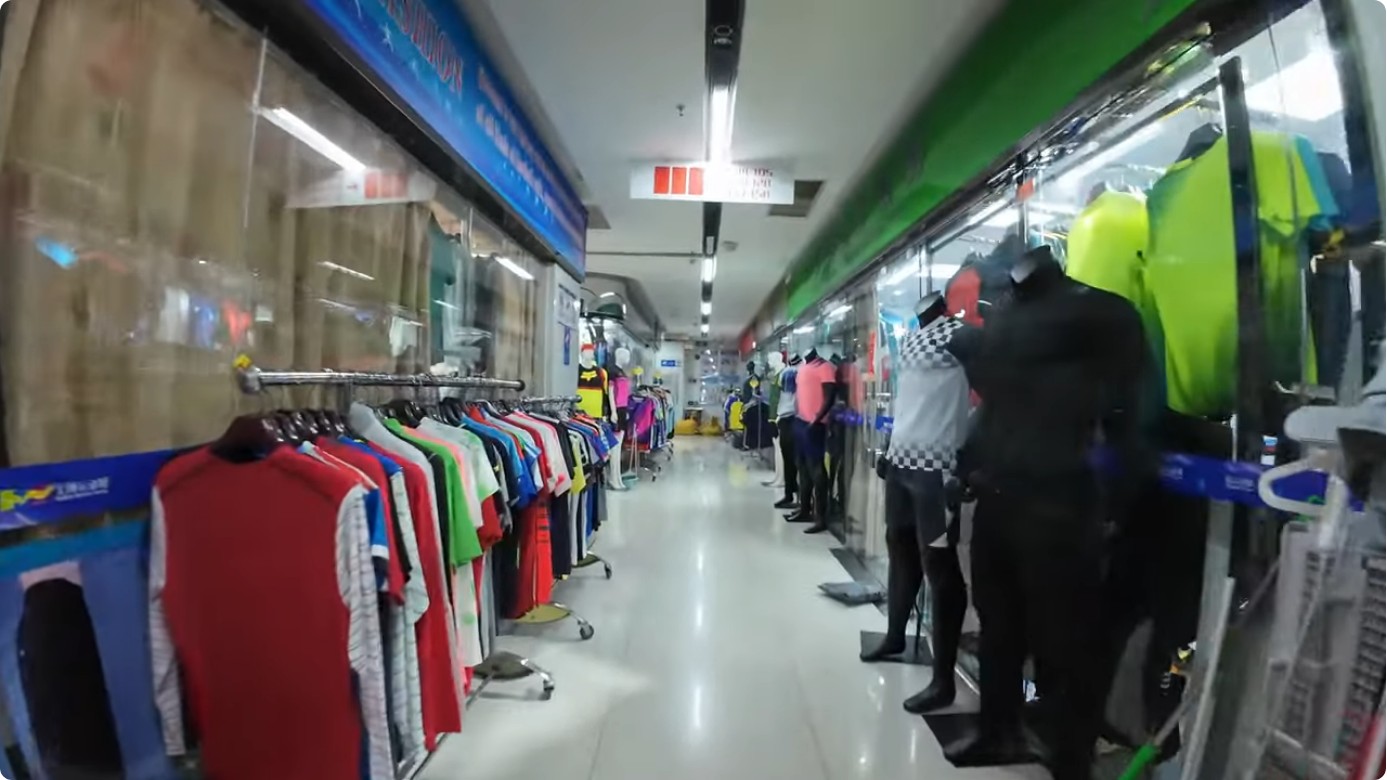
- Jersey: The workhorse for t-shirts, tank tops, and lightweight hoodies. Single jersey is standard; double jersey (French terry) has a looped back for texture and insulation. Sourcing Note: Jersey typically has lower MOQs (often 500-1,000 units) due to common machinery.
- Rib: Features vertical ridges, offering excellent recovery and elasticity. Used for cuffs, collars, and form-fitting tanks. Higher yarn costs can increase price per meter.
- Interlock: A double-knit, smooth on both sides, very stable and less prone to curling. Common for high-quality basics and performance wear.
Woven Fabrics
Created by interlacing warp and weft yarns at right angles. Wovens are stable, durable, and less stretchy (unless blended with elastane). They are essential for bottoms and structured pieces.
- Plain Weave (Poplin, Twill): Poplin is crisp and lightweight (common in polo shirting). Twill has a diagonal rib (like in cargo pants) and drapes well. Production Note: Woven garments often require more pattern pieces and sewing steps, affecting labor cost.
- Canvas: A heavy, durable plain weave, used for heavy-duty bags, aprons, or rugged outerwear.
- Ripstop: Woven with reinforced threads to prevent tearing. A go-to for performance jackets and tactical gear.
Fiber Content: The Performance & Comfort Spectrum
Within these structures, the fiber blend determines the garment’s final character. Here is a practical list of fabric compositions common in custom sportswear, analyzed for the buyer.
Cotton & Cotton Blends
The classic choice for comfort and natural feel. However, not all cotton is equal for production.
- 100% Cotton (Combed/Carded): Carded is economical, slightly fuzzy. Combed is softer, stronger, and more expensive. Key Consideration: High shrinkage potential (up to 10% if not pre-shrunk). Must specify “pre-shrunk” or “sanforized” for consistent sizing. MOQs can be higher for specific cotton types.
- Cotton-Polyester Blends (e.g., 60/40, 50/50): The industry standard for many custom t-shirts. Balances cotton’s hand with polyester’s wrinkle resistance, durability, and lower cost. Offers easier dyeing and more stable dimensions than 100% cotton.
- Slub or Fleece Cotton: Textured or brushed for a premium, heavyweight feel. Often used in premium hoodies. Brushing adds a production step, increasing cost.
Polyester & Synthetic Performance Blends
The engine of modern performance wear. Dominates due to cost, durability, and functional versatility.
- 100% Polyester (e.g., 150gsm, 180gsm): Extremely durable, quick-drying, and colorfast. The base for most sublimation printing. Can feel less breathable and generate static. ODM Note: Ideal for all-over sublimation, a key customization method for jerseys and full-print leggings.
- Polyester-Spandex/Elastane Blends (e.g., 92% Poly/8% Spandex): The core of compression wear, yoga leggings, and fitted athletic tees. The spandex percentage dictates stretch and recovery. Critical Spec: You must specify the exact spandex %; a 2% difference significantly changes feel and fit.
- Recycled Polyester (rPET): Made from plastic bottles. Functionally identical to virgin polyester but commands a price premium and supports sustainability claims. Requires certification (e.g., GRS) for verification, which adds documentation.
- Nylon (Polyamide): Lighter and softer than polyester, excellent for swimwear, cycling apparel, and windbreakers. Often paired with spandex. More expensive than polyester.
Specialty & Technical Fabrics
These involve specialized yarns, weaves, or finishes for specific performance attributes.
Also read: What Defines a Top Sportswear Brand? A Manufacturer’s Guide to Quality & Sourcing
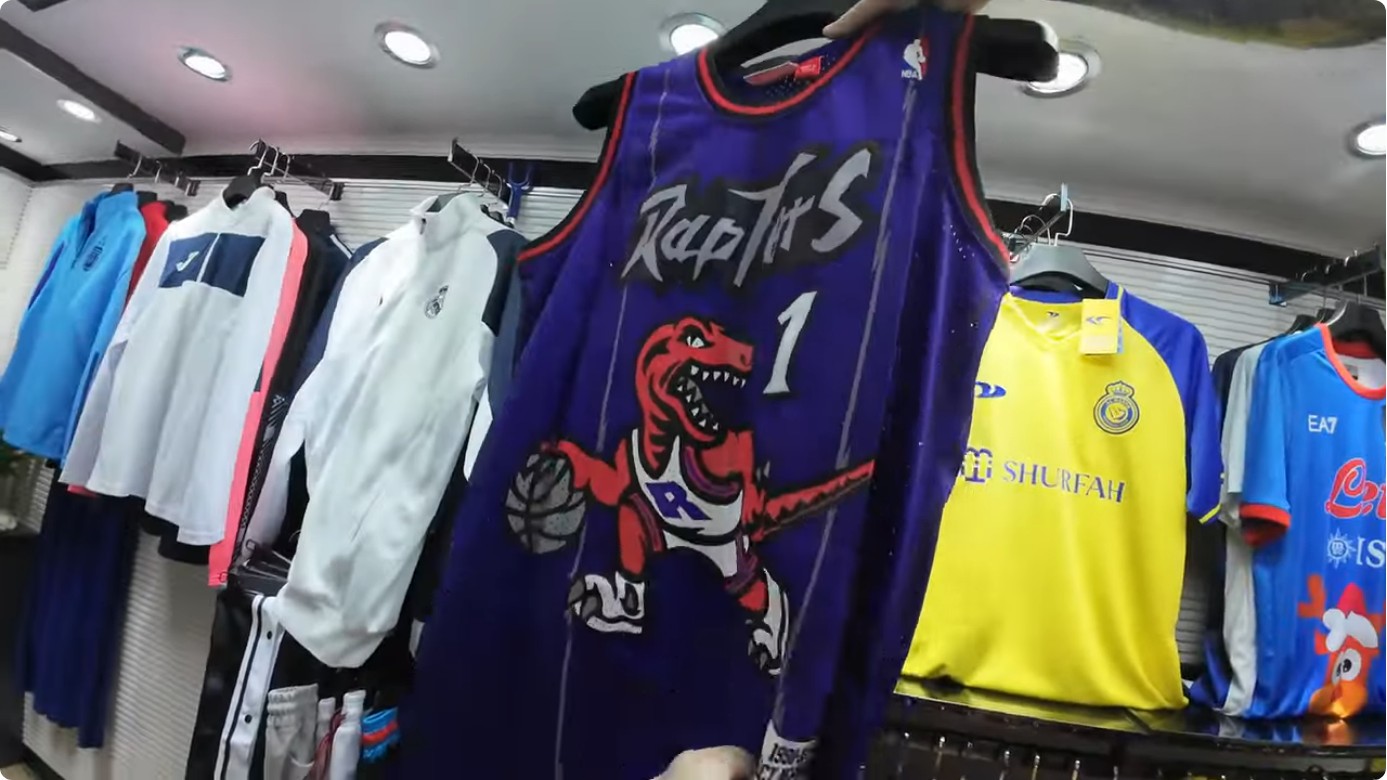
- Moisture-Wicking (Cool-Dry, Dri-Fit): Not a fiber, but a treatment or construction (usually polyester with a hydrophilic finish or micro-channels). Common in performance t-shirts and polos. Manufacturing Caveat: The wicking finish can wash out over time. Ask your factory about the finish’s durability rating (e.g., number of washes).
- Fleece (Brushed Polyester): Insulating, lightweight, and soft. Polar fleece (anti-pill) is a specific, more durable type. A staple for hoodies and jackets. Brushing is an extra process.
- Softshell: A laminated or woven fabric that is water-resistant, windproof, and breathable. Used for jackets and outer layers. Lamination adds cost and complexity.
- Mesh & Perforated: Open-knit or punched fabrics for extreme ventilation. Used in panels on jerseys, shorts, and linings. Can be tricky to seam and finish cleanly.
Fabric Selection Decision Table: Sportswear Applications
Use this table as a quick reference when mapping your product type to fabric families. The “Sourcing Impact” column highlights the key production consideration for each choice.
| Garment Type | Top Fabric Choices | Key Properties Sought | Sourcing / Production Impact |
|---|---|---|---|
| Basic T-Shirt / Team Tee | 100% Cotton (Combed), 60/40 Cotton-Poly, 100% Poly (for print) | Comfort, printability, durability, cost | Cotton has higher shrinkage risk. Poly is ideal for sublimation. Lower MOQs on standard blends. |
| Performance Running Tee | 100% Polyester (micro-poly), Poly-Spandex blend | Moisture-wicking, lightweight, quick-dry | Requires wicking finish verification. Polyester dyeing (dope-dyed) is more eco-friendly but has longer lead times. |
| Hoodie / Sweatshirt | French Terry (Cotton/Poly), Fleece (100% Poly), Loopback Cotton | Insulation, soft hand, durability | Weight (gsm) is critical spec (e.g., 280gsm vs. 360gsm). Fleece brushing adds cost. French terry MOQs may be higher. |
| Yoga Leggings / Compression Tights | Poly-Spandex (88/12, 92/8), Nylon-Spandex | High recovery, compression, opacity, 4-way stretch | Spandex % is a critical spec. Must test for pilling and opacity. Higher MOQs (often 1,000+ units) for specialist knits. |
| Cargo Pants / Tactical Pants | Twill Cotton, Twill Poly-Cotton, Ripstop Nylon | Durability, tool pockets, colorfastness | Woven construction means higher sewing labor. Pocket placements must be finalized early for pattern making. |
The Custom Manufacturer’s Checklist: What You Must Communicate
Vague requests like “make a soft t-shirt” lead to errors and samples that miss the mark. Use this checklist when briefing your factory. Providing this information upfront streamlines sourcing and sampling.
- Fabric Structure: Knit (jersey, rib) or Woven (twill, poplin)?
- Fiber Composition: Exact percentages (e.g., 65% Polyester, 35% Cotton).
- Fabric Weight: Grams per square meter (gsm). This is non-negotiable. (e.g., 180gsm jersey, 320gsm fleece).
- Construction Details: Brushed? Napped? Slub yarn? Single jersey or double?
- Performance Finish (if any): Moisture-wicking, anti-microbial, UV protection, water-repellent? Request test reports.
- Reference Sample: A physical swatch or a garment from another brand is the single best way to communicate feel and quality.
- Intended End Use: “Gym apparel,” “fashion streetwear,” “work uniform.” This guides the factory’s material suggestions.
Understanding MOQs for Fabrics: Minimum Order Quantities are driven by mill requirements. Standard jersey or twill may have MOQs of 500-1,000 meters. Technical or proprietary performance fabrics (with special finishes or unique compositions) can have MOQs of 5,000 meters or more, as they are produced in long runs. Be prepared for your factory to either source from a stock vendor (lower MOQ, less customization) or order from a mill (higher MOQ, more control over weight/finish).
What Fabric Should You Choose for Your Custom Order?
The answer depends on three pillars: 1) Your Customer’s Expectation (a premium yoga brand needs 4-way stretch; a budget team tee can use standard cotton-poly), 2) Your Price Point (recycled polyester adds cost; basic carded cotton is economical), and 3) Your Decoration Method (sublimation requires 100% polyester; thick embroidery needs stable fabric like twill or heavy fleece).
For a startup brand, starting with a versatile, low-MOQ fabric like a 180gsm 60/40 cotton-poly jersey is a common and safe path. For a performance-focused line, investing in a specialized poly-spandex knit with certified wicking is essential, but you must be ready for the higher MOQ and cost. Always request a lab dip (a dyed fabric sample) and a pre-production sample (a garment made with the actual fabric) before approving full production. This is where you validate hand, weight, drape, and color.
Whether you’re a startup brand or an established retailer, we manufacture custom sportswear at competitive MOQs. Reach out to start your project.
You may also like: Path ofExile 2 Elemental Offering Guide: How to Use This Aura Skill Effectively
[…] Ask for a copy of their standard measurement spec for a similar garment. If they cannot produce a technical flat with seam allowances called out, they are a cut-and-sew broker, not a manufacturer. For equestrian gear, articulation at the elbow and shoulder is non-negotiable; we cover fabric behavior in The Custom Sportswear Manufacturer’s Guide to Fabric Selection. […]
[…] which cut the timeline to 28 days door-to-port. For a deeper look at material choices, our custom sportswear fabric selection guide covers weight vs. stretch trade-offs, though I’ll focus on supplier mechanics […]
[…] strength, colorfastness to light, and pilling resistance. For performance-oriented roles, our guide to fabric selection for sportswear breaks down moisture-wicking weaves that also work for active […]
[…] composition: e.g., 78% recycled poly / 22% elastane, 220–240 gsm. As we covered in our guide to fabric selection, weight and stretch recovery are […]